How AI-Powered Neural Radiance Fields (NeRFs) Function in Video

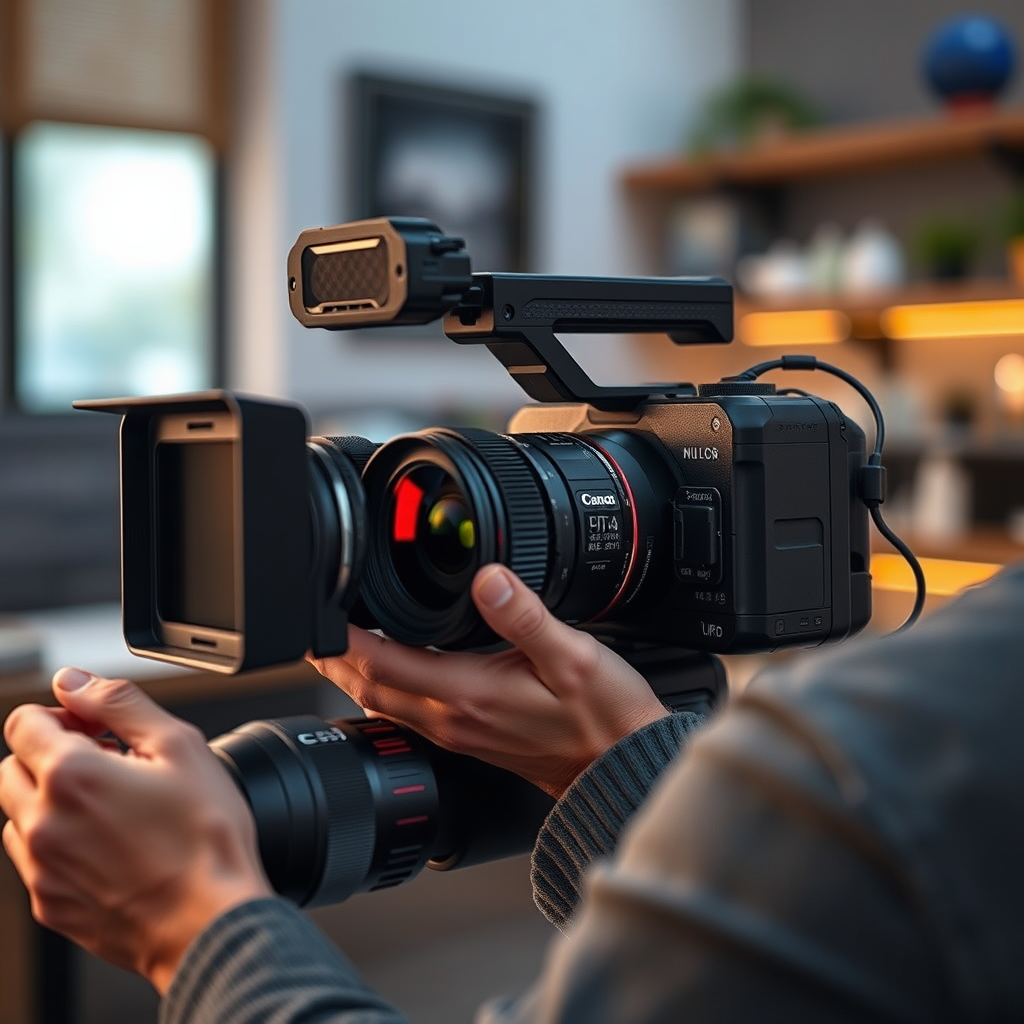
Neural Radiance Fields (NeRFs) are a groundbreaking technology that utilizes advanced artificial intelligence to create stunning 3D representations from 2D video inputs. By transforming flat images into immersive visual experiences, NeRFs are changing the landscape of video production and consumption. This article will delve into how NeRFs operate, their innovative applications, and the impressive technology…

Read Full News

How Super-Resolution AI Upscaling Works in TVs and Games

Super-resolution AI upscaling enhances video quality in TVs and games by using advanced algorithms to increase the resolution of images while maintaining or improving detail. This technology not only makes visuals crisper but also enriches the viewing and gaming experience by intelligently predicting and filling in details that might otherwise be lost. In this article,…

Read Full News

The Role of AI in Automatically Calibrating Display Color

The role of AI in auto-calibrating display color is transforming how we experience visual content by enhancing color accuracy and consistency across devices. Through machine learning algorithms, AI can analyze display settings and make real-time adjustments, ensuring that colors are represented as true to life as possible. This advancement not only enriches the viewing experience…

Read Full News

How AI Enhances Video Stabilization in Smartphones

Smartphones now leverage AI to significantly enhance video stabilization, resulting in smoother and more professional-looking footage. This technology effectively reduces shaky and jittery effects caused by handheld recording, making it easier for users to capture high-quality videos. In this article, we’ll explore how AI contributes to video stabilization and what this means for smartphone users….

Read Full News

How Quantum Dot Technology Improves Video Color Accuracy

Quantum dot technology dramatically enhances video color accuracy by utilizing tiny semiconductor particles that emit specific colors when energized. This innovative approach allows for richer colors, improved brightness, and an expanded color gamut compared to traditional display technologies. In this article, you’ll discover how quantum dots function, the advantages they offer over conventional displays, and…

Read Full News

The Future of 16K Displays in Professional Video Editing

The future of 16K displays in professional video editing promises to revolutionize the way filmmakers and editors create and refine visual content. With unmatched precision and clarity, 16K technology will enhance the editing experience by providing intricate details and vibrant colors that were previously unattainable. As we delve into the advancements, impacts, challenges, and future…

Read Full News

The Future of Holographic Video Recording: What to Expect

The future of holographic video recording is set to transform our visual experiences by making them more immersive and interactive. As technology advances, we can anticipate sharper images, more lifelike representations, and applications that extend far beyond entertainment. This article will explore the latest breakthroughs in holographic technology, its applications across various industries, the role…

Read Full News

The Role of CMOS vs. CCD Sensors in Video Cameras

The primary difference between CMOS and CCD sensors in video cameras lies in their technology and performance characteristics. CMOS sensors are generally faster and more power-efficient, making them a popular choice for many modern devices, while CCD sensors excel in image quality and sensitivity, often preferred for professional applications. In this article, we will dive…

Read Full News