

Artificial intelligence (AI) is playing a pivotal role in the evolution of ultra-thin flexible displays, making them more efficient, durable, and versatile. By leveraging AI technologies, manufacturers are streamlining design processes, optimizing material selection, and refining manufacturing techniques to produce displays that are not only lightweight but also adaptable to various applications, from smartphones to wearable devices. In this article, you’ll discover how AI is revolutionizing display technology, leading to innovative solutions that cater to the ever-growing demands of modern consumers.
The Role of AI in Material Selection
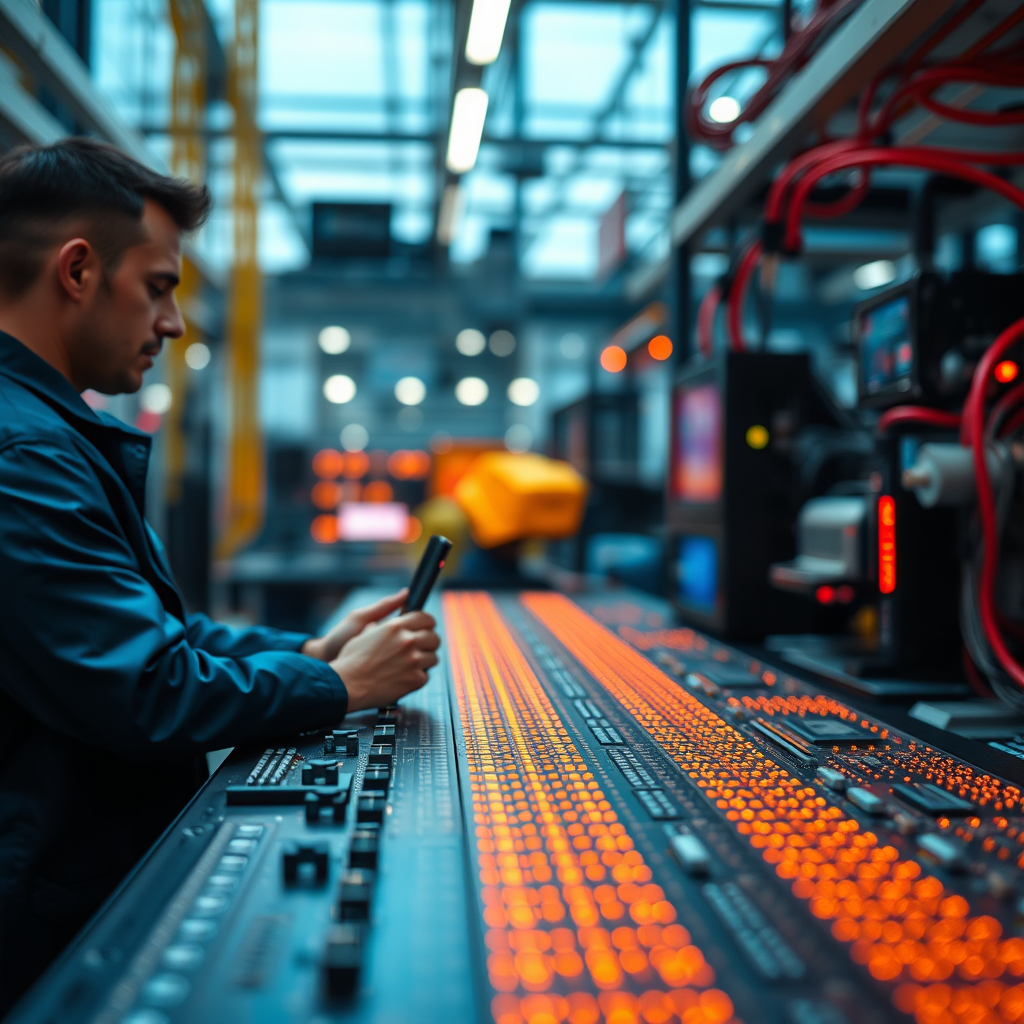
Selecting the right materials for ultra-thin flexible displays is critical to their performance and longevity. AI algorithms have the remarkable ability to sift through vast databases of materials, analyzing their properties and capabilities to identify the best candidates for this purpose. For instance, researchers are using AI to explore new polymers and other materials that can retain flexibility while providing high durability and transparency.
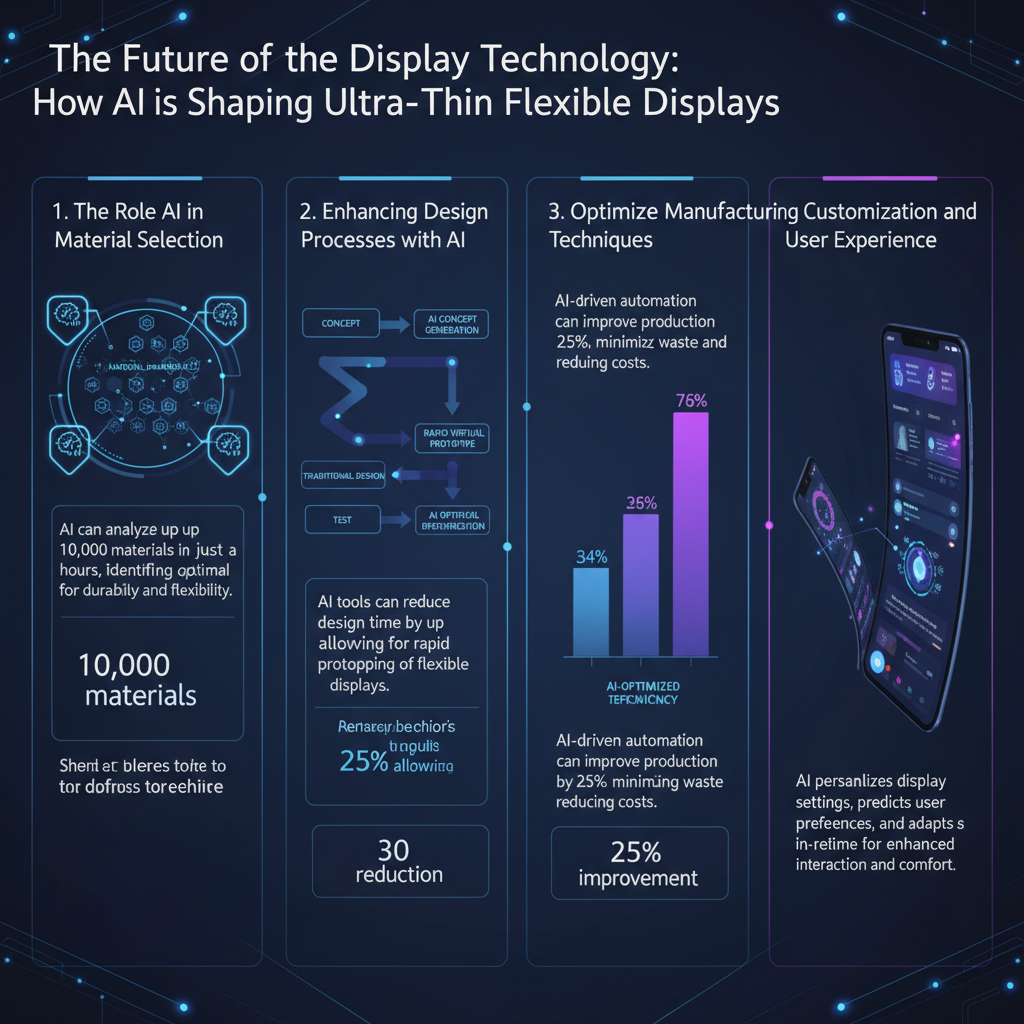
Machine learning models further enhance this process by predicting how new materials will perform in real-world applications. By analyzing historical data and existing material behaviors, these models can forecast performance metrics such as tensile strength, flexibility, and thermal stability. This predictive capability significantly reduces the traditional trial-and-error approach often associated with material selection, allowing developers to focus resources on the most promising candidates. As a result, manufacturers can bring new products to market faster and more reliably.
Enhancing Design Processes with AI
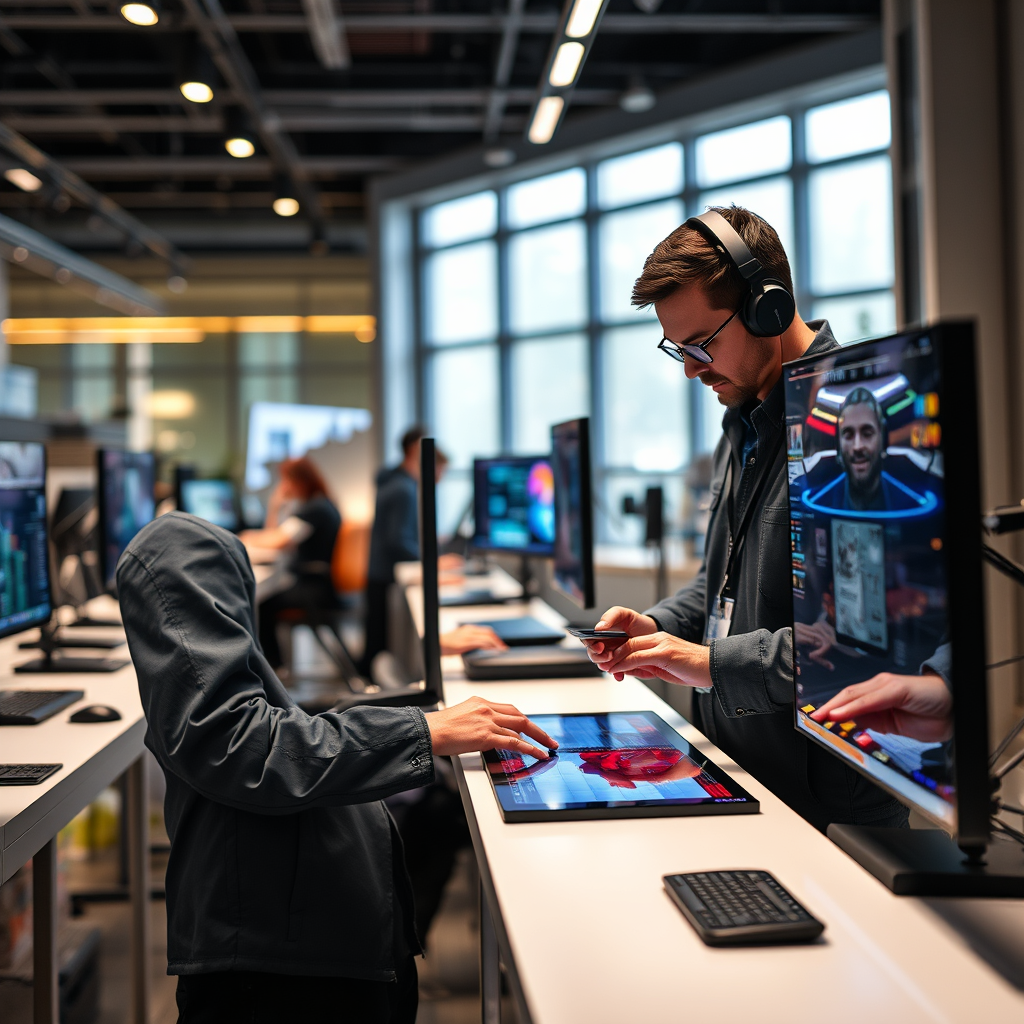
The design process for flexible displays can be complex, but AI is here to simplify it. Generative design tools powered by AI are revolutionizing how designers approach display development. These tools allow designers to input specific parameters such as size, weight, and performance criteria, and then generate multiple design iterations rapidly. This not only accelerates the prototyping phase but also encourages innovative solutions that may not have been considered otherwise.
AI-driven simulations are another game-changer in the design process. By using advanced algorithms, designers can visualize how flexible displays will perform under various conditions, such as bending, stretching, and exposure to different environmental factors. This helps in identifying potential failures before moving to physical prototypes, saving both time and resources. For instance, companies like LG Display have utilized AI simulations to optimize their OLED technology, ensuring that the displays maintain their quality and performance even when subjected to dynamic use.
Optimizing Manufacturing Techniques
Manufacturing ultra-thin flexible displays involves intricate processes that can benefit immensely from AI integration. One of the primary advantages is automating quality control processes. AI systems can analyze production lines in real-time, identifying defects or inconsistencies in the displays that might go unnoticed by human inspectors. This ensures that only the highest quality products reach the market, reducing the likelihood of returns and fostering consumer trust.
Moreover, predictive maintenance powered by AI is becoming increasingly essential in manufacturing facilities. By monitoring machine performance and analyzing data trends, AI can predict when a machine is likely to fail or require maintenance. This proactive approach reduces downtime, allowing production lines to operate more efficiently. For example, companies like Samsung are implementing AI-driven maintenance systems to enhance their manufacturing processes, ensuring that they can meet growing consumer demands without sacrificing quality.
Customization and User Experience
In today’s tech-savvy world, personalization is key, and AI is enabling tailored display solutions that align with user preferences and habits. By analyzing user data, AI can help manufacturers create displays that adapt to individual usage patterns, enhancing the overall user experience. For instance, smart displays can adjust brightness, color temperature, or even content based on the user’s behavior and environment, creating a more intuitive interaction.
Intelligent interfaces powered by AI are also contributing to this customization. These interfaces can change display characteristics in real-time, allowing users to enjoy a seamless experience that caters to their needs. For example, adaptable screens can switch from a high-refresh rate for gaming to a more power-efficient mode for reading, demonstrating how AI can optimize performance based on context. This level of customization not only improves user satisfaction but also drives brand loyalty in a competitive market.
Future Trends in AI and Flexible Displays
Looking ahead, the integration of AI with emerging technologies promises exciting advancements in the field of flexible displays. Research is actively exploring the potential of combining AI with quantum dot displays, which could lead to improvements in color accuracy and energy efficiency. This synergy could transform not only consumer electronics but also applications in fields like augmented reality and virtual reality.
Furthermore, AI’s role in promoting sustainable practices within materials and manufacturing processes is gaining traction. As environmental concerns become more pressing, AI can help identify eco-friendly materials and optimize production processes to minimize waste. Manufacturers are increasingly looking at AI as a tool to not only enhance performance but also ensure that their products align with sustainable practices, ultimately appealing to a more environmentally conscious consumer base.
Challenges in AI Adoption
Despite the numerous benefits that AI brings to the table, its integration into display technology does not come without challenges. One significant concern is data privacy and ethical considerations surrounding the use of AI. As manufacturers collect and analyze user data to enhance personalization, they must also ensure that they are protecting consumer information and adhering to regulations.
Additionally, the reliability and transparency of AI algorithms remain critical issues for developers. Ensuring that AI systems provide accurate predictions and recommendations is essential for maintaining consumer trust. As such, ongoing research and development are necessary to refine these technologies and address potential biases that may arise in AI decision-making processes.
The advancements driven by AI in the realm of ultra-thin flexible displays are transforming how we interact with technology. By harnessing AI’s capabilities, manufacturers can create lighter, more durable, and user-centric displays that cater to the evolving needs of consumers. Embrace these innovations and consider how they might enhance your next tech project or product. The future of display technology is indeed bright, fueled by the power of AI!
Frequently Asked Questions
How does AI improve the manufacturing process of ultra-thin flexible displays?
AI enhances the manufacturing process of ultra-thin flexible displays by optimizing production techniques through data analysis and predictive modeling. Machine learning algorithms can analyze large datasets from production lines to identify inefficiencies, reduce defects, and improve yield rates. This leads to more consistent quality and faster turnaround times in creating these innovative displays.
What materials are commonly used in ultra-thin flexible displays, and how does AI assist in material selection?
Common materials used in ultra-thin flexible displays include organic light-emitting diodes (OLEDs), flexible substrates like polyethylene terephthalate (PET), and various conductive materials. AI assists in material selection by predicting the performance of different materials based on specific application requirements, enabling manufacturers to choose the best options for durability, flexibility, and cost-effectiveness, ultimately enhancing display performance.
Why is AI considered essential for advancing the technology of flexible displays?
AI is considered essential for advancing flexible display technology because it facilitates rapid innovation through simulation, modeling, and optimization. By using AI, researchers can quickly prototype and test new designs, materials, and manufacturing processes, significantly reducing the time and cost involved in bringing new products to market. This accelerates advancements in display quality, functionality, and production efficiency.
Which AI techniques are most effective in enhancing the functionality of ultra-thin flexible displays?
The most effective AI techniques for enhancing the functionality of ultra-thin flexible displays include deep learning and reinforcement learning. Deep learning algorithms can analyze visual data for quality control, while reinforcement learning can optimize design parameters for better performance under various conditions. These techniques enable the development of displays that are not only thinner and lighter but also more responsive and energy-efficient.
What are the potential applications of ultra-thin flexible displays powered by AI?
Ultra-thin flexible displays powered by AI have numerous potential applications across various industries, including consumer electronics, wearable technology, automotive displays, and smart textiles. Their lightweight and flexible nature makes them ideal for use in devices that require bendable screens or unique form factors, such as rollable smartphones, flexible wearables, and immersive displays in vehicles. AI further enhances these applications by enabling adaptive interfaces and personalized user experiences.
References
- Flexible display
- https://www.sciencedirect.com/science/article/pii/S2211285517302725
- https://www.nature.com/articles/s41528-020-00045-2
- https://www.researchgate.net/publication/335725960_Recent_Advances_in_Ultra-Thin_Flexible_Displays
- Materials Data on NaAgI2O3 by Materials Project (Dataset) | OSTI.GOV
- https://www.nist.gov/news-events/news/2020/05/researchers-develop-ultra-thin-displays-using-new-light-emitting-materials
- https://www.technologyreview.com/2021/06/23/1027042/flexible-displays-technology-advancements/
- https://www.bbc.com/news/technology-58429683