
Real-time special effects in live streaming are generated through advanced AI technologies that analyze content and apply visual effects instantly. This capability enhances viewer engagement and creates immersive experiences. With the rise of live streaming as a primary form of entertainment and communication, understanding how AI integrates into this landscape is essential. In this article, you will explore how AI operates behind the scenes to revolutionize live streaming with dynamic effects, making broadcasts more engaging and visually appealing.
The Role of AI in Live Streaming
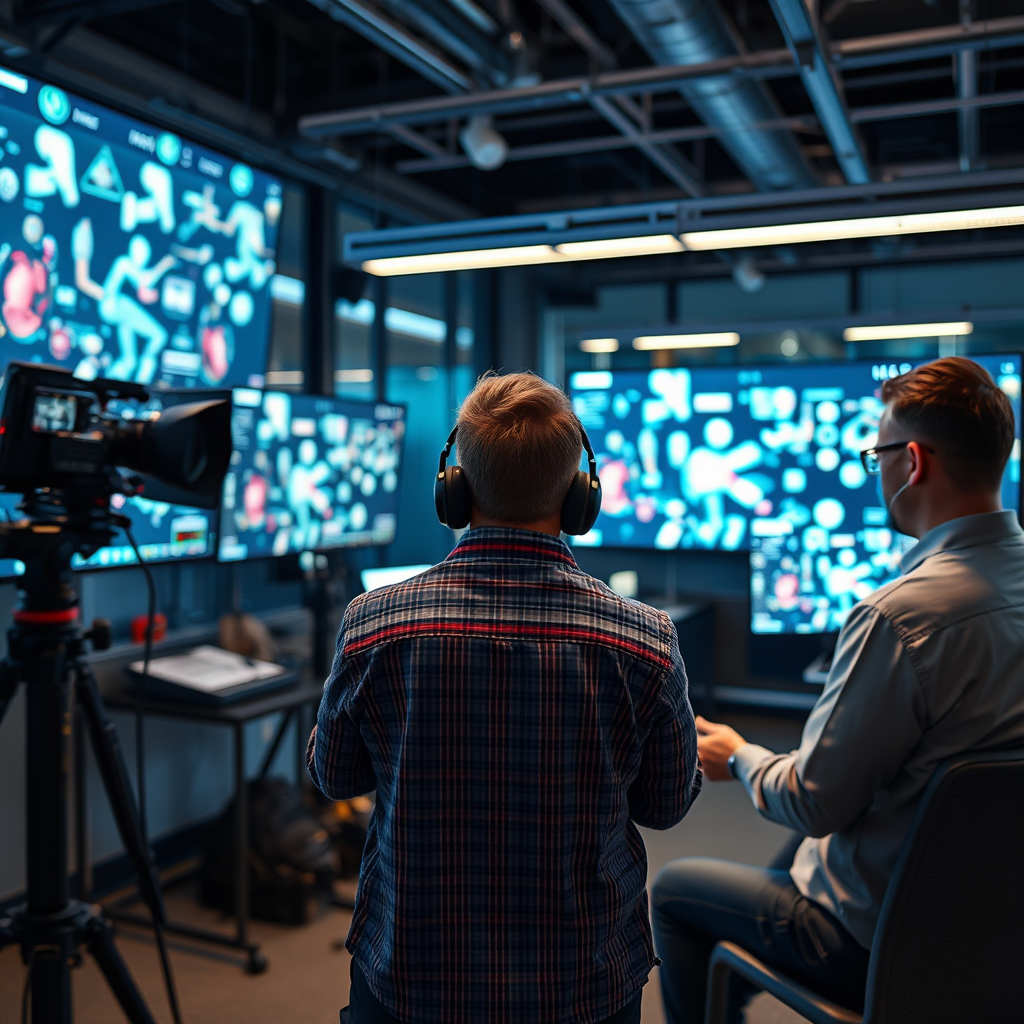
AI plays a crucial role in live streaming by processing video feeds in real-time to identify scenes and elements. By utilizing complex algorithms, AI can analyze various aspects of the video content, such as lighting, movement, and background, to determine the best effects to apply. For instance, during a live gaming session, AI can detect when a player achieves a significant milestone and automatically add celebratory graphics, enhancing the viewer’s experience.
Moreover, machine learning models continuously improve the accuracy of effects based on user interactions and preferences. As viewers engage with the content—liking, sharing, or commenting—the AI learns from this data to tailor future effects to better suit the audience. This adaptive learning process not only personalizes the viewing experience but also keeps the content fresh and exciting, encouraging viewers to return for more.
Types of Special Effects Generated by AI
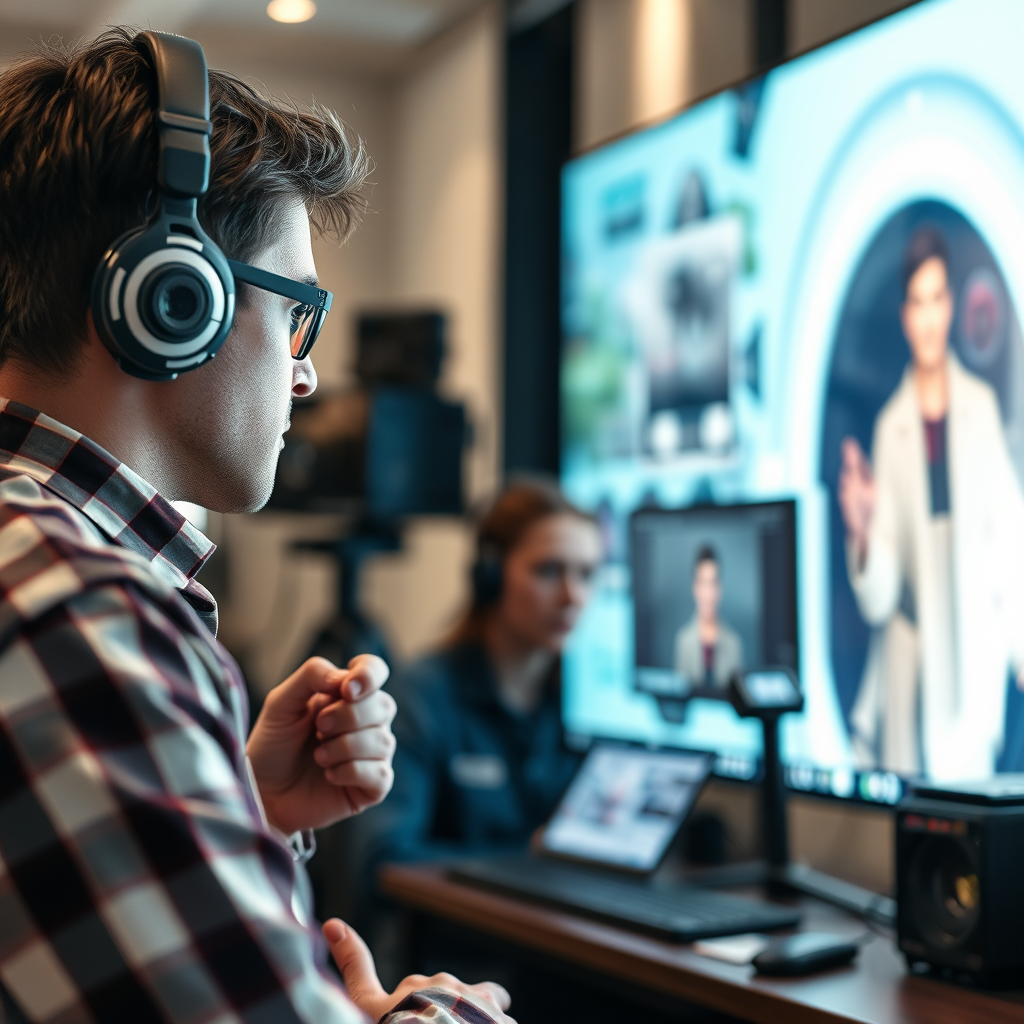
The types of special effects that AI can generate are diverse and exciting. Visual enhancements such as filters, transitions, and overlays can be applied seamlessly, elevating the production quality of live streams. For example, a cooking show might use AI to overlay helpful cooking tips or ingredient lists directly onto the screen without interrupting the flow of the broadcast. This not only provides valuable information but also keeps viewers visually engaged.
Additionally, AI can create interactive elements, such as augmented reality (AR) effects that respond to viewer actions. Imagine a live concert where viewers can use their mobile devices to interact with the performance, triggering special effects based on their movements or reactions. This kind of interactivity fosters a deeper connection between the audience and the content creators, making the live streaming experience more memorable.
How AI Analyzes Live Content
One of the most fascinating aspects of AI in live streaming is its ability to analyze content in real-time. Natural language processing (NLP) helps AI understand dialogue and context for context-specific effects. For example, during a live sports commentary, NLP can identify key moments in the game, such as a goal or a foul, and trigger corresponding graphics or animations that enhance the viewers’ understanding of what’s happening.
Computer vision techniques enable the recognition of objects and faces, tailoring effects accordingly. This capability means that AI can detect when a host is speaking directly to the camera and highlight their image with a subtle glow or frame, drawing the audience’s attention. By understanding both the visual and auditory elements of a stream, AI can create a richer, more dynamic viewing experience.
Real-World Applications of AI in Live Streaming
The real-world applications of AI in live streaming are vast and varied. Popular platforms like Twitch and YouTube utilize AI to enhance gaming streams, sports broadcasts, and virtual events. For instance, during live esports tournaments, AI can analyze player movements and strategies, providing viewers with real-time statistics and insights that deepen their understanding of the game.
Brands are also leveraging AI-generated effects for marketing campaigns and product launches during live sessions. Imagine a clothing brand hosting a live fashion show where AI can instantly change the background or add virtual models wearing the latest designs based on viewer preferences. This not only showcases the products in an innovative way but also encourages viewer interaction and engagement, making the live event feel more personalized and relevant.
The Future of AI in Special Effects
Looking ahead, the future of AI in special effects for live streaming holds exciting promise. Emerging technologies are set to deliver even more sophisticated effects, including hyper-realistic graphics and personalized experiences tailored to individual viewers. For instance, AI may soon be capable of creating unique avatars for viewers that can interact within a live stream, allowing for a more engaging and immersive experience.
Ongoing developments in AI will also lead to greater integration with user-generated content. This means that even amateur streamers will have access to advanced AI tools, making it easier for them to create high-quality content. Imagine a budding artist streaming their painting process while AI generates effects that visualize their creative thoughts in real-time, captivating their audience and attracting new followers.
Challenges and Limitations of AI-Generated Effects
Despite the myriad benefits of AI-generated effects, there are challenges and limitations to consider. Technical limitations may arise, such as latency and processing power requirements. For live streaming, even a slight delay can disrupt the viewer experience, so ensuring that AI processes effects without lag is crucial. This necessitates robust infrastructure and high-quality streaming technology, which may not be accessible to all content creators.
Moreover, ethical considerations around content manipulation and viewer trust must be addressed. As AI can create highly realistic effects, there is a risk of misinformation or misleading content being presented as genuine. Ensuring transparency in how AI-generated effects are used is vital to maintaining viewer trust and upholding the integrity of live streaming as a medium.
The use of AI in creating real-time special effects for live streaming is transforming how content is produced and consumed. By understanding its workings, you can better appreciate its impact on your viewing experience. As AI technology continues to advance, the possibilities for enhancing live streams are endless. Explore these innovations for your own streams, and consider how you might incorporate these advancements into your content strategy to engage your audience like never before.
Frequently Asked Questions
What are real-time special effects in live streaming and how does AI enhance them?
Real-time special effects in live streaming refer to visual enhancements applied to video content as it is being broadcasted, such as virtual backgrounds, filters, or animated graphics. AI enhances these effects by utilizing machine learning algorithms to analyze the live feed, allowing for seamless integration and real-time adjustments based on the stream’s content. This technology enables creators to engage viewers with dynamic visuals that can adapt to their movements and interactions.
How does AI technology create special effects during a live stream?
AI technology generates special effects during a live stream using computer vision and deep learning techniques. It processes the video input in real-time, identifying key elements like faces, movements, and backgrounds. By applying algorithms, AI can overlay graphics, manipulate backgrounds, or create 3D effects that respond to the stream’s action, providing an immersive experience without the need for extensive post-production work.
Why should I use AI-generated special effects for my live streams?
Using AI-generated special effects can significantly enhance viewer engagement and retention during your live streams. These effects not only make your content more visually appealing but also allow for creative storytelling, making your streams memorable. Additionally, AI can automate the process, saving time and resources while enabling even non-technical users to produce high-quality, professional-looking broadcasts.
What are the best AI tools for generating live streaming special effects?
Some of the best AI tools for generating live streaming special effects include OBS Studio with plugins like Snap Camera, XSplit with its integrated effects, and software like ManyCam, which provides real-time filters and effects. For more advanced users, tools like Unreal Engine and Unity offer extensive capabilities to create custom effects. Each of these platforms leverages AI to deliver high-quality visual enhancements that can elevate your live streaming experience.
Which industries can benefit the most from AI-generated special effects in live streaming?
Various industries can benefit from AI-generated special effects in live streaming, including entertainment, gaming, education, and corporate sectors. In entertainment, creators can use these effects to enhance performances and engage audiences, while gamers can add immersive elements to their streams. In education, educators can utilize visual aids to clarify complex topics, and businesses can create dynamic presentations that capture viewer interest. The versatility of AI effects makes them valuable across multiple domains.
References
- Special effect
- https://www.sciencedirect.com/science/article/pii/S1877050919317358
- https://www.bbc.com/news/technology-54214046
- https://www.nytimes.com/2021/01/07/technology/live-streaming-ai.html
- https://www.researchgate.net/publication/343251632_Artificial_Intelligence_and_Real-Time_Special_Effects_in_Live_Streaming
- https://www.techrepublic.com/article/how-ai-is-changing-the-future-of-live-streaming/
- https://www.wired.com/story/ai-real-time-video-effects/
- https://www.npr.org/2021/03/12/975028944/ai-in-live-streaming-what-to-know
- https://www.jstor.org/stable/10.5325/jmediastudieduc.5.1.0125