
Incorporating AI into secure end-to-end encrypted video calls significantly improves communication by enhancing security measures, optimizing bandwidth, and ensuring better user experiences. By leveraging cutting-edge AI technologies, organizations can not only protect sensitive conversations but also create smoother, more efficient interactions. This article will explore how AI technologies are revolutionizing video call security and efficiency, making private conversations safer and more effective.
AI-Powered Encryption Techniques

AI algorithms are transforming encryption protocols in real-time by adapting to the ever-evolving landscape of cybersecurity threats. Traditional encryption methods, while still effective, can often lag behind new attack vectors. However, AI can analyze incoming data and user behavior patterns, dynamically adjusting encryption levels based on the perceived risk. For example, if an AI system detects a sudden spike in data anomalies during a call, it can switch to a more robust encryption algorithm to ensure data remains secure.
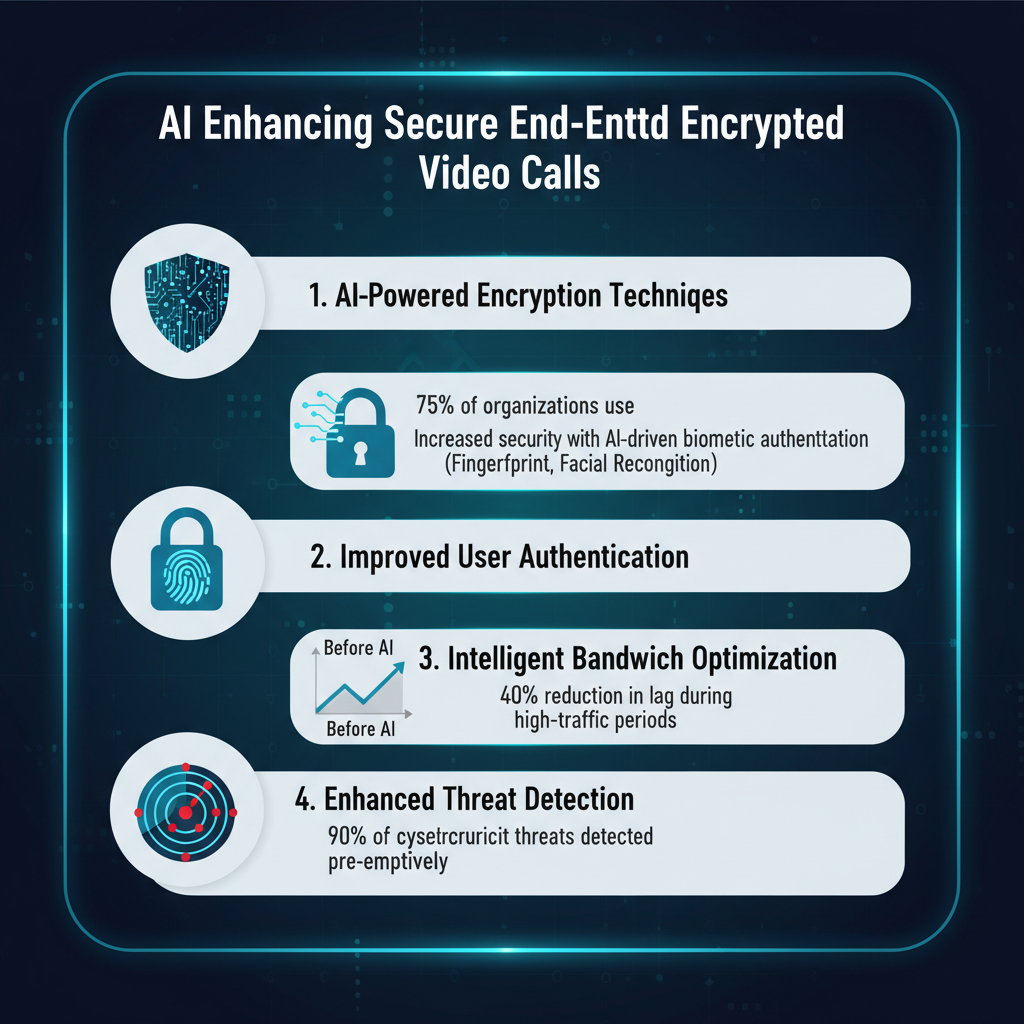
Moreover, machine learning models are instrumental in identifying potential vulnerabilities before they can be exploited. By training on historical data, AI can recognize patterns that may indicate a security breach. This proactive approach not only helps in thwarting attacks but also builds user trust, knowing that their conversations are safeguarded by advanced technologies that adapt to threats in real-time.
Improved User Authentication
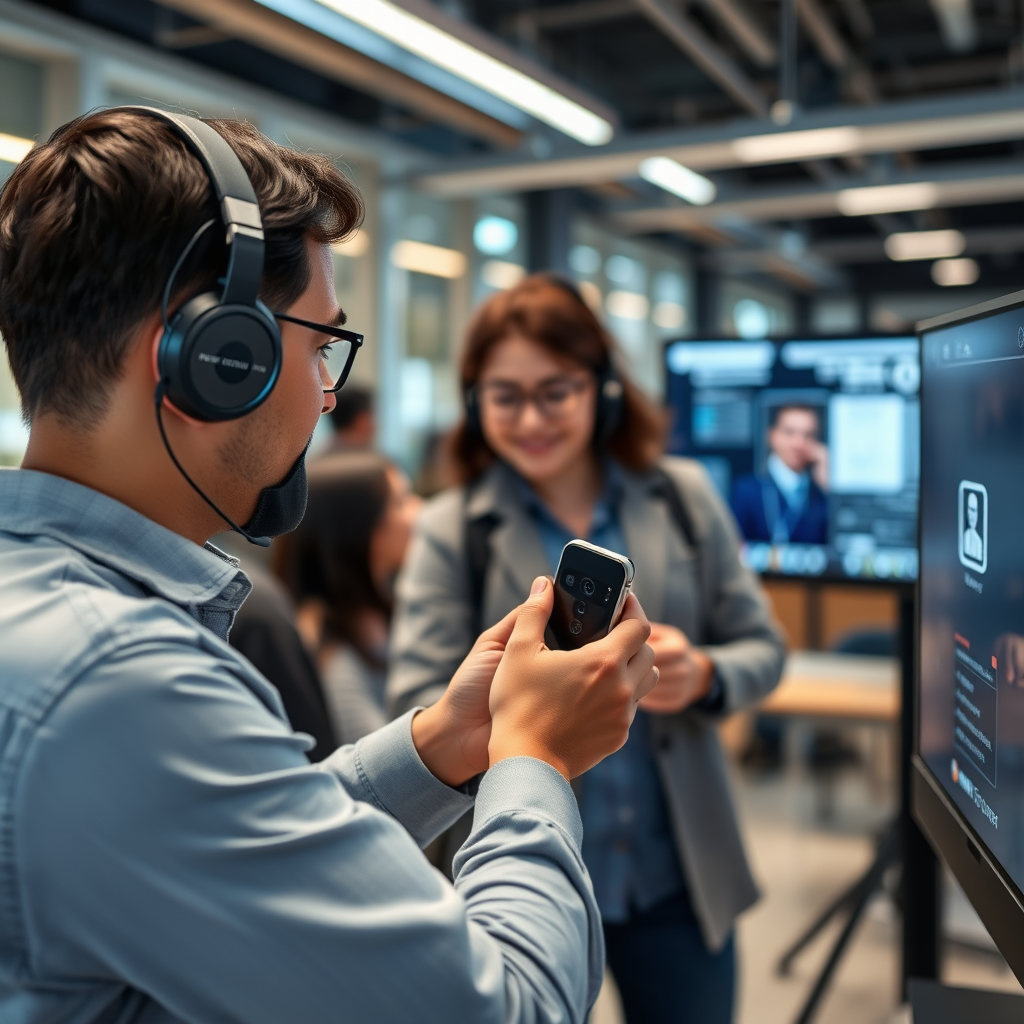
User authentication is a critical component of secure video calls, and AI plays a pivotal role in enhancing this aspect. Traditional password-based systems can be easily compromised, but AI-powered biometric verification methods, such as facial recognition or voice authentication, provide an additional layer of security. For instance, a video conferencing platform could use facial recognition to ensure that only authorized participants are admitted to a call. This minimizes the risk of unauthorized access and bolsters user confidence in the platform.
Furthermore, continuous authentication processes, which involve ongoing verification of a user’s identity throughout the call, add another level of security. AI can monitor user behavior—such as typing patterns or voice modulation—and if it detects any anomalies, it can trigger additional verification steps. This ensures that even if a user’s account is compromised, the intruder cannot easily join an ongoing call without passing through these additional security checks.
Intelligent Bandwidth Optimization
One of the greatest challenges in video calling is maintaining high-quality communication, especially in situations where bandwidth is limited. AI excels in this area by analyzing network conditions in real-time and optimizing video call quality accordingly. For instance, if the AI detects that bandwidth is dwindling, it can automatically adjust the video resolution to ensure a smoother experience without compromising security.
Moreover, AI’s predictive capabilities can foresee network congestion based on historical data and current user behavior. By anticipating slowdowns, AI can proactively manage video quality, ensuring that users maintain a secure connection without experiencing lag or interruptions. This level of optimization not only enhances the user experience but also allows for clearer communication, which is vital during critical conversations.
Enhanced Threat Detection
The ability to detect threats in real-time is another area where AI truly shines. By monitoring calls for anomalies, AI systems can spot potential security breaches or unauthorized access attempts as they occur. For instance, if an unusual pattern of behavior is detected—such as a participant who suddenly joins a call without prior notice—an AI system can generate automatic alerts to notify users of suspicious activities.
This level of vigilance is particularly essential during sensitive conversations, where even a brief lapse in security can have serious consequences. By employing AI for enhanced threat detection, organizations can ensure that they are not only responding to potential threats but actively preventing them from escalating, thereby fostering a secure communication environment.
User Experience Improvements
In addition to security enhancements, AI-driven features can significantly improve the overall user experience during video calls. For example, AI algorithms can minimize background noise, enhance audio clarity, and even optimize lighting conditions in real-time. This means that participants can engage in conversations without distractions, making discussions more productive and enjoyable.
Furthermore, smart assistants powered by AI can streamline the logistics of video calls. From scheduling meetings to managing contacts and sending reminders, these tools help users stay organized and focused on the conversation at hand. By removing the common stressors associated with setting up and managing calls, AI contributes to a more efficient and user-friendly experience.
Compliance and Data Protection
In today’s digital landscape, compliance with data protection regulations is paramount. AI can play a crucial role in ensuring that video call platforms adhere to such regulations by continuously monitoring compliance in real-time. For instance, AI can automatically check whether data handling practices align with GDPR or HIPAA standards, helping organizations avoid costly penalties and data breaches.
Additionally, automated audits powered by AI can identify areas of improvement in data security protocols. By analyzing user interactions and data flows, AI can pinpoint weaknesses and suggest actionable steps to enhance data protection measures. This not only ensures compliance but also builds user trust in the platform’s commitment to safeguarding their information.
By integrating AI technologies into secure end-to-end encrypted video calls, organizations can significantly enhance security measures, optimize user experiences, and ensure compliance with data protection regulations. This evolution in communication technology not only protects sensitive information but also fosters a more efficient and enjoyable user experience. Consider adopting these AI solutions to elevate your video call security and functionality today.
Frequently Asked Questions
How does AI enhance the security of end-to-end encrypted video calls?
AI enhances the security of end-to-end encrypted video calls by employing advanced algorithms that monitor for potential threats in real-time. These algorithms can detect anomalies in behavior, such as unusual access patterns or unauthorized devices attempting to join a call, and alert users or automatically block them. Additionally, AI can help in managing encryption keys, ensuring they remain secure and are only accessible to authorized participants, thus maintaining the integrity of the encrypted communication.
What are the benefits of using AI in video conferencing security?
The benefits of using AI in video conferencing security include improved threat detection, automated monitoring, and enhanced user authentication processes. AI can analyze vast amounts of data quickly to identify and respond to security breaches before they escalate. Moreover, AI-driven features like facial recognition and voice authentication can further strengthen user identity verification, ensuring that only the intended participants join the encrypted video calls.
Why is end-to-end encryption crucial for video calls, and how does AI support this?
End-to-end encryption is crucial for video calls as it ensures that only the participants involved can access the content of the conversation, protecting sensitive information from interception. AI supports this by optimizing encryption protocols and managing encryption keys more effectively, making it harder for unauthorized users to decrypt the communications. Furthermore, AI can continuously assess the security landscape and adapt encryption methods in real-time to counter emerging threats.
Which AI technologies are most effective for securing video calls?
The most effective AI technologies for securing video calls include machine learning algorithms for anomaly detection, natural language processing for identifying suspicious content, and biometric authentication systems. Machine learning can learn from user behavior to identify potential security threats, while natural language processing can analyze discussions for sensitive information that should remain confidential. Biometric systems, such as facial recognition or voice analysis, can ensure that only authorized individuals participate in the calls.
How can users ensure their video calls remain secure while using AI technologies?
Users can ensure their video calls remain secure by following best practices such as using strong passwords, enabling two-factor authentication, and regularly updating their software to patch vulnerabilities. Additionally, selecting video conferencing platforms that utilize AI-driven security features, like real-time threat detection and end-to-end encryption, is essential. Users should also educate themselves about potential phishing attempts and remain vigilant about sharing sensitive information during calls.
References
- End-to-end encryption
- https://www.bbc.com/news/technology-52535707
- https://www.sciencedirect.com/science/article/pii/S1877050919312671
- https://www.nytimes.com/2020/05/01/technology/video-calls-privacy.html
- https://www.aclu.org/issues/privacy-technology/technology-and-liberty/encryption
- https://www.techrepublic.com/article/how-encryption-and-ai-are-redefining-video-conferencing-security/
- https://www.wired.com/story/how-ai-is-reshaping-cybersecurity/
- https://www.nist.gov/news-events/news/2021/05/using-ai-improve-cybersecurity-communications
- https://www.eff.org/deeplinks/2021/06/what-you-need-know-about-end-end-encryption