

AI significantly enhances AR video navigation systems in cars by providing real-time data processing, optimizing route guidance, and improving user interaction. With the fusion of artificial intelligence and augmented reality, drivers can enjoy a safer and more efficient journey. This article will delve into how these advanced technologies work in harmony, shaping the future of automotive navigation.
The Role of AI in AR Navigation

AI algorithms play a pivotal role in transforming how we navigate our roads. By analyzing real-time traffic data and road conditions, these intelligent systems can adjust routes dynamically. Imagine you’re driving during rush hour; an AI-powered navigation system can reroute you to avoid congested areas, ensuring you reach your destination faster and with less stress.
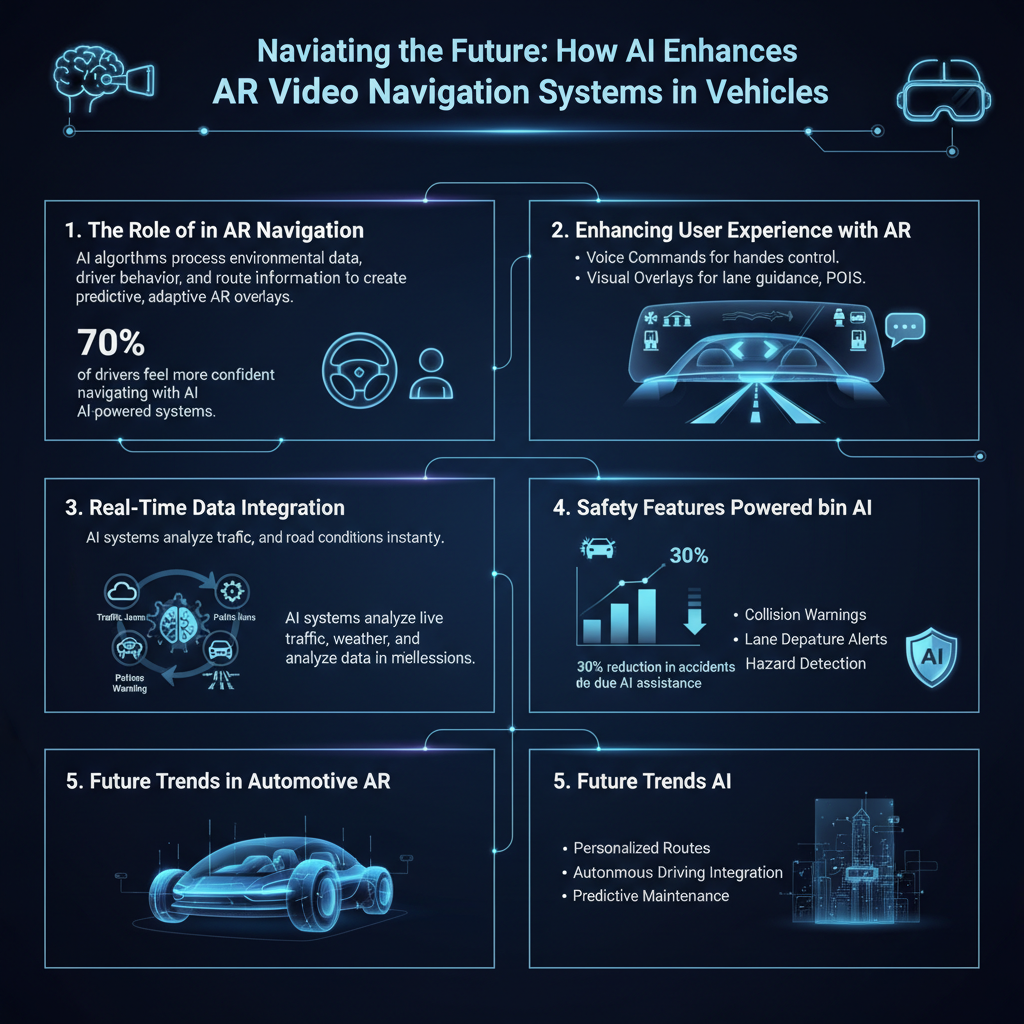
Additionally, machine learning models enhance this experience by adapting navigation routes based on individual user preferences and habits. For instance, if you frequently choose scenic routes or avoid highways, the system learns these tendencies and tailors its suggestions accordingly. This personalized approach not only improves the efficiency of the journey but also enriches the overall driving experience by making it more enjoyable and aligned with your preferences.
Enhancing User Experience with AR
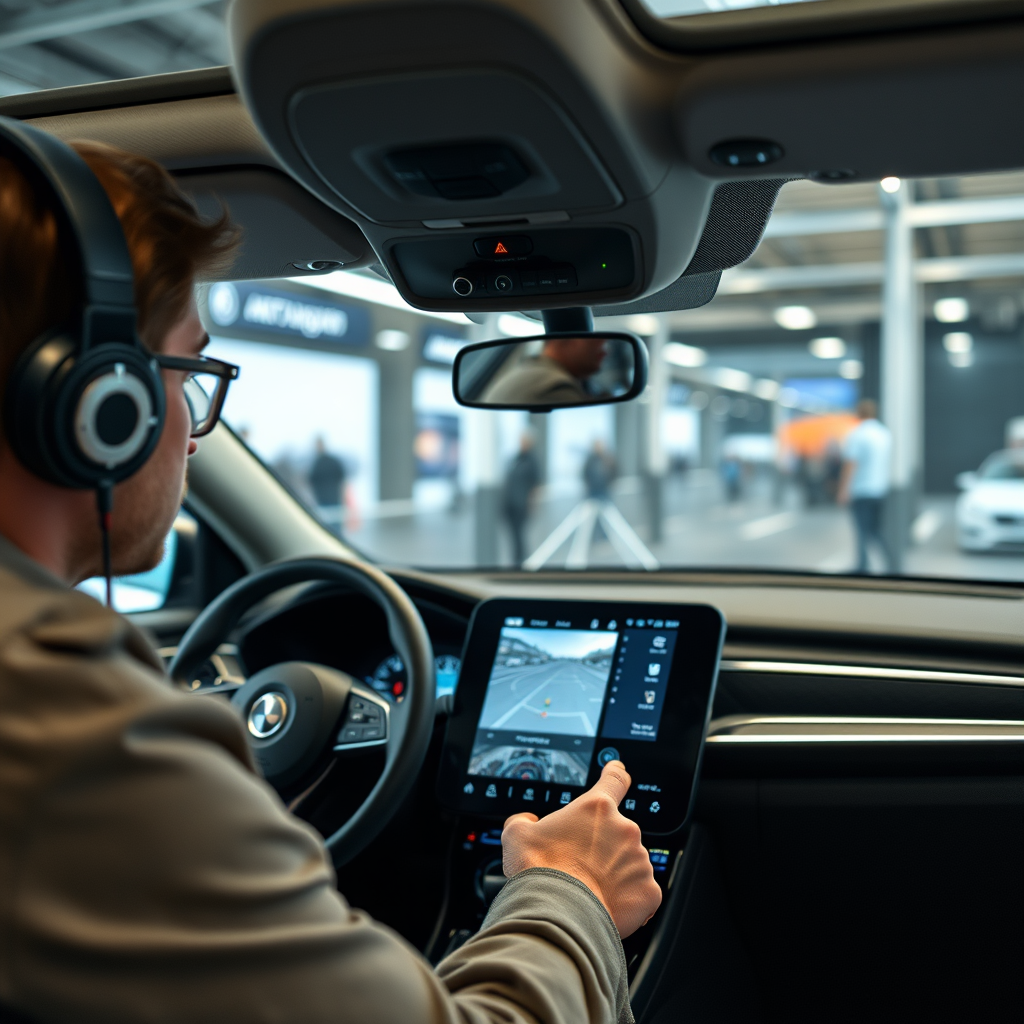
When it comes to the user experience, augmented reality (AR) takes navigation to a whole new level by overlaying essential visual cues directly onto the road. With AR, drivers can see directions projected onto their windshields, highlighting which lane to be in or indicating upcoming turns. This not only enhances situational awareness but also reduces the cognitive load of constantly checking a traditional navigation screen.
Moreover, the integration of voice-activated controls allows for hands-free interaction, making it easier for drivers to adjust routes or access information without taking their eyes off the road. For example, a simple voice command can change your destination or provide updates on estimated arrival times. This feature significantly reduces distractions, promoting a safer driving environment.
Real-Time Data Integration
One of the most impressive capabilities of AI in AR navigation systems is the integration of real-time data from multiple sources. AI processes information from GPS satellites, cameras, and various sensors embedded in the vehicle. This rich data landscape allows for dynamic updates to navigation instructions and alerts.
Consider a situation where a construction zone suddenly appears on your route. AI can quickly analyze this change and reroute you in real time, providing alternative paths while considering your current speed and the traffic around you. This seamless integration not only keeps you informed but also ensures that you’re always on the best path available, enhancing the overall efficiency of your trip.
Safety Features Powered by AI
Safety is paramount when it comes to driving, and AI elevates this aspect significantly. AI systems can detect potential hazards and warn drivers in real-time through AR displays. For instance, if a pedestrian unexpectedly steps onto the road, the system can highlight them on the display, alerting the driver to take immediate action.
Enhanced night vision capabilities are another feature powered by AI. By utilizing infrared cameras and advanced image processing, these systems can improve visibility in low-light conditions, helping drivers navigate safely during nighttime or in poor weather conditions. This combination of proactive hazard detection and improved visibility ensures that drivers can feel secure, no matter the circumstances.
Future Trends in AI and AR Navigation
As we look to the future, advancements in AI are poised to create even more personalized navigation experiences. Imagine navigation systems that not only remember your favorite routes but also adjust based on real-time factors like weather or your planned activities. For instance, if there’s a concert in town and you often attend such events, the system might suggest routes that avoid heavy traffic around the venue.
Moreover, the integration of 5G technology is expected to enable faster data processing and improved AR functionalities. With 5G, data transfer speeds will skyrocket, allowing for more complex algorithms to run seamlessly. Imagine a real-time interactive map that adjusts as you drive, providing updates on nearby attractions, restaurants, or even current events happening in the area. This level of connectivity will redefine the navigation experience, making it more enriching and informative.
Challenges and Limitations
While the benefits of AI-enhanced AR navigation systems are compelling, there are challenges and limitations to consider. One major hurdle is the technical latency in data processing. If the system cannot process real-time data quickly enough, it can lead to delays in navigation instructions, which can be frustrating and potentially dangerous.
Additionally, privacy concerns arise from the extensive data collection required for personalization. As these systems gather information about user habits, routes, and preferences, it raises questions about data security and how this information is utilized. Manufacturers and developers must prioritize transparency and user consent to ensure that drivers feel comfortable utilizing these advanced technologies.
As AI and AR technologies continue to evolve, the automotive industry must navigate these challenges carefully to build trust and enhance user adoption.
In summary, AI greatly improves AR video navigation systems in vehicles by providing real-time data processing, optimizing user experiences, and enhancing safety features. The future of navigation is bright, with trends pointing towards even greater personalization and integration. However, the industry must also address technical hurdles and privacy concerns to ensure these innovations are embraced fully.
As we embrace these advancements, consider exploring AI and AR technologies in your own vehicle. Whether it’s through upgrading your navigation system or staying informed about future developments, the journey ahead promises to be exciting and transformative!
Frequently Asked Questions
How does AI improve AR video navigation systems in cars?
AI enhances AR video navigation systems by intelligently processing real-time data and improving the accuracy of map overlays. It utilizes machine learning algorithms to analyze traffic patterns, road conditions, and user preferences, enabling the system to provide dynamic route adjustments and relevant information. This results in a more intuitive driving experience, allowing drivers to make informed decisions quickly.
What are the benefits of using AI-powered AR navigation in vehicles?
The benefits of AI-powered AR navigation in vehicles include enhanced situational awareness, reduced driver distraction, and increased safety. By overlaying navigation prompts directly onto the driver’s field of vision, AR systems keep drivers focused on the road while providing real-time information. Additionally, AI can personalize navigation experiences based on individual driving habits, making routes more efficient and user-friendly.
Why is AR navigation becoming essential in modern vehicles?
AR navigation is becoming essential in modern vehicles due to the increasing complexity of urban driving environments and the need for safer, more efficient navigation options. With the rise of smart cities and autonomous driving technologies, AR navigation systems provide critical context by merging digital information with the physical world, enhancing the overall driving experience. This technology helps reduce cognitive load on drivers, ultimately leading to safer roadways.
Which automotive brands are leading in AI-enhanced AR navigation systems?
Leading automotive brands in AI-enhanced AR navigation systems include Tesla, Mercedes-Benz, and BMW. These manufacturers integrate advanced AI capabilities with AR technologies to deliver cutting-edge navigation solutions that improve user experience. For instance, Tesla’s Full Self-Driving (FSD) uses AI to enhance its navigation features, while Mercedes-Benz’s MBUX system incorporates AR to display navigation cues directly on the windshield.
How can I choose the best AI AR navigation system for my car?
When choosing the best AI AR navigation system for your car, consider factors like compatibility with your vehicle, ease of use, and the quality of AR overlays. Look for systems that offer real-time traffic updates, voice commands, and integration with other smart devices. Additionally, reading user reviews and expert comparisons can provide insights into the performance and reliability of different AR navigation systems, ensuring you make an informed decision.
References
- https://en.wikipedia.org/wiki/Augmented_reality
- https://www.sciencedirect.com/science/article/pii/S1877050919311563
- https://www.nytimes.com/2021/09/28/technology/augmented-reality-cars.html
- https://www.techrepublic.com/article/how-ar-and-ai-are-changing-the-way-we-navigate-our-world/
- https://www.wired.com/story/ai-augmented-reality-navigation/
- https://www.nhtsa.gov/equipment/augmented-reality-systems
- https://www.forbes.com/sites/bernardmarr/2021/07/12/how-ai-is-revolutionizing-augmented-reality/
- https://www.reuters.com/article/us-autonomous-ar-idUSKBN2A10F5