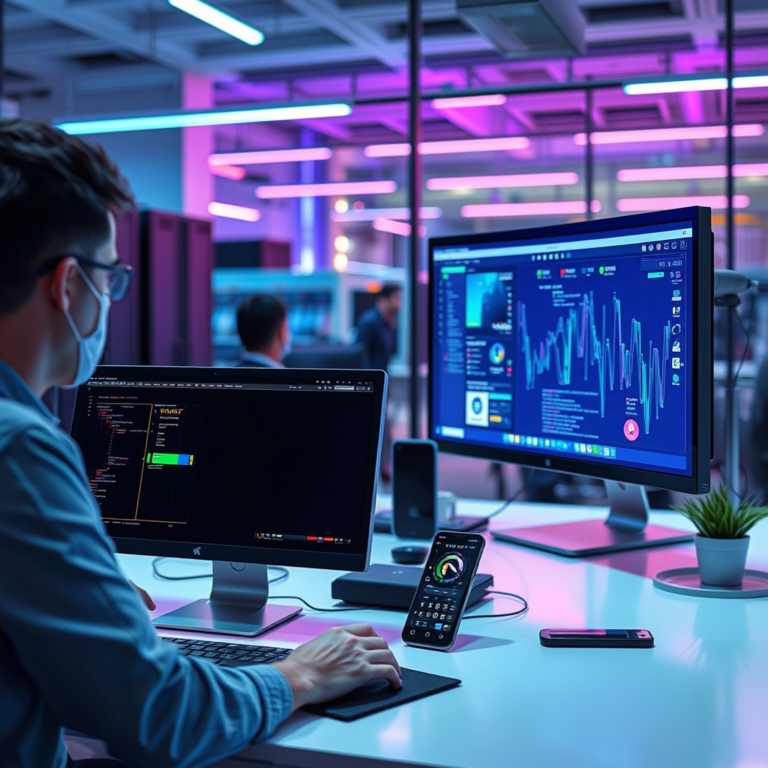

AI-powered displays significantly improve accessibility for visually impaired individuals by providing innovative technologies that convert visual information into audio and tactile formats. This enables users to interact with digital content more effectively and navigate their environments with greater independence. By harnessing the power of artificial intelligence, these displays are transforming how visually impaired people experience technology and the world around them. In this article, we’ll explore the various ways AI-powered displays are enhancing accessibility for the visually impaired.
The Role of AI in Accessibility

AI algorithms are at the forefront of revolutionizing accessibility for the visually impaired. By analyzing visual data, these algorithms can generate descriptive audio feedback that conveys essential information about the surroundings. For instance, AI can identify objects, read text, and describe scenes in real time, allowing users to gain insights they would otherwise miss. This technology is particularly beneficial in unfamiliar environments where understanding one’s surroundings is crucial, like navigating busy streets or shopping malls.
Machine learning also plays a vital role in enhancing the accuracy of object recognition. As the AI system encounters more data, it learns and improves its ability to distinguish between different items. For example, an AI-powered display can differentiate between a chair and a table, ensuring that users receive precise information. This level of detail fosters better interaction with the environment, empowering visually impaired individuals to navigate spaces confidently and independently.
Types of AI-Powered Displays
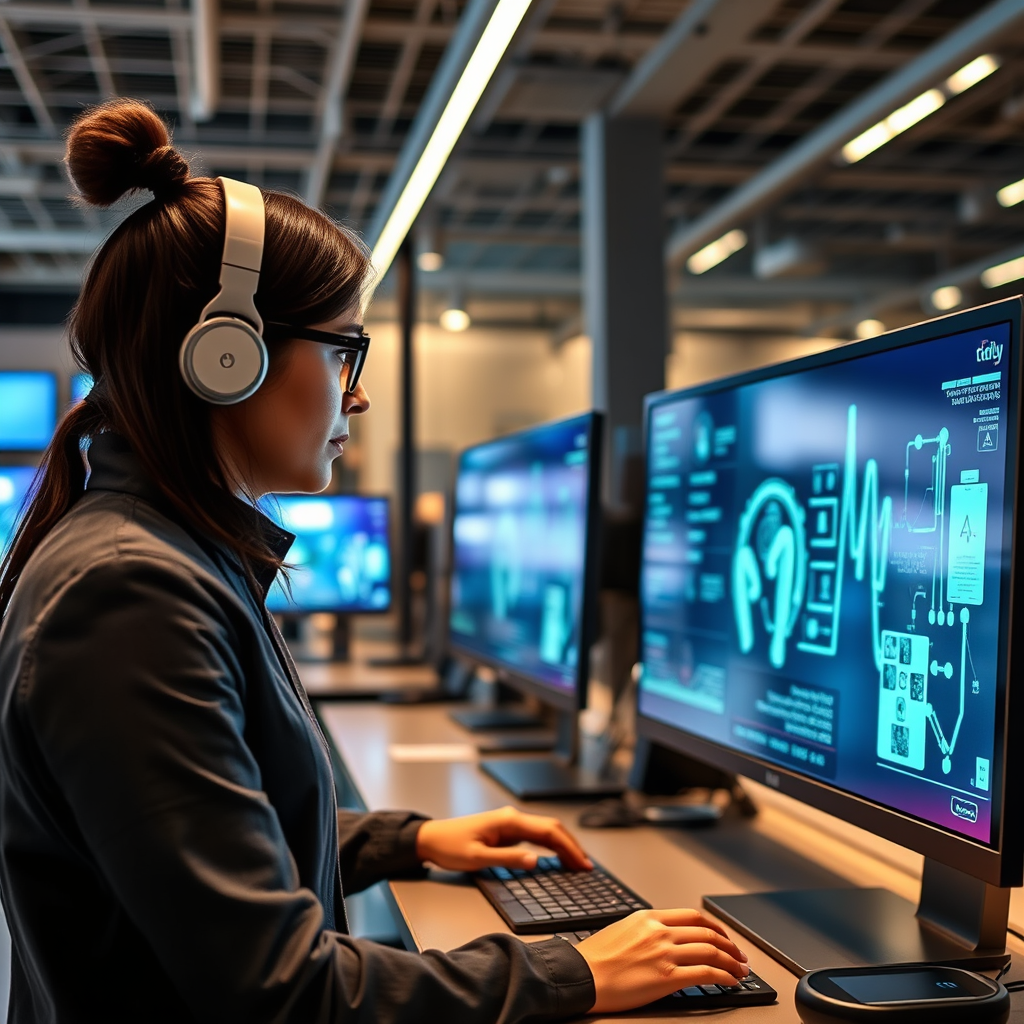
There are several types of AI-powered displays designed specifically for visually impaired users, each offering unique functionalities that cater to various needs.
One prominent example is smart glasses equipped with real-time object recognition features. These glasses can provide users with auditory descriptions of their surroundings, allowing them to recognize people, obstacles, or even specific products in a store. Companies like Aira have developed innovative wearable technology that connects users with trained agents who can provide assistance based on the visual information captured by the glasses.
Interactive touchscreens are another valuable tool in the accessibility toolkit. These displays not only present information visually but also offer haptic feedback, allowing users to ‘feel’ their way through digital content. For instance, kiosks equipped with tactile screens can guide visually impaired users through menus or maps, making it easier to access information without needing sight.
Key Features Enhancing User Experience
To create an inclusive experience, AI-powered displays incorporate several key features that enhance usability for visually impaired individuals.
Voice-over technology is one of the most significant advancements in accessibility. This feature reads text aloud, making digital content accessible to users who cannot see it. From reading emails to navigating websites, voice-over technology allows users to interact with technology in a way that was previously difficult or impossible.
Customizable display settings are another essential feature tailored to individual user needs and preferences. Some users may prefer a slower reading speed or a specific voice tone, while others might require larger fonts for tactile interaction. By allowing users to adjust these settings, AI-powered displays create a more personalized experience, ensuring that each individual can engage with technology comfortably.
Case Studies: Successful Implementations
Several organizations are successfully implementing AI displays to support visually impaired employees, showcasing the potential of these technologies in real-world applications.
For example, the National Federation of the Blind (NFB) has partnered with various tech companies to create workplace environments that are more inclusive. By integrating AI-powered tools like smart glasses and interactive displays, organizations have reported increased productivity and greater job satisfaction among visually impaired employees.
Testimonials from users highlight the improvements in daily living and independence that AI-powered displays provide. One user shared how using a smart glasses system allowed them to navigate a grocery store independently for the first time, describing the empowering experience of being able to shop without assistance. Such stories underscore the life-changing impact that these technologies can have.
Future Trends in AI Accessibility Technologies
As technology continues to evolve, we can anticipate exciting advancements in AI that will further enhance accessibility for the visually impaired.
Predictions suggest that future AI systems will become even more adept at understanding complex environments and interactions. For instance, the integration of augmented reality (AR) with AI could provide users with interactive overlays that offer contextual information about their surroundings in real time. Imagine walking through a museum and receiving audio descriptions of each artwork as you approach it!
Additionally, the potential for integration with other assistive technologies could lead to comprehensive solutions for visually impaired individuals. For example, combining AI-powered displays with smart home devices could allow users to control their environments more intuitively, creating a seamless experience that enhances their daily lives.
Challenges and Limitations
Despite the exciting advancements in AI technology for visually impaired users, there are challenges and limitations that must be addressed.
Current limitations include the technology’s reliance on high-quality visual input, which may not always be available in certain environments. For example, AI displays might struggle in poorly lit areas or when objects are occluded. Ongoing research and development are crucial to overcome these hurdles and improve system reliability.
Moreover, concerns regarding privacy and data security in AI applications are significant. As AI systems collect and analyze user data to enhance their functionality, safeguarding that information is paramount. Ensuring compliance with privacy regulations and building trust with users will be essential for the widespread adoption of these technologies.
In summary, AI-powered displays are revolutionizing accessibility for the visually impaired by transforming how they interact with technology and their environment. As these innovations continue to evolve, they promise to create even more inclusive experiences. By staying informed about advancements in AI accessibility technologies, we can foster a more inclusive world that supports and uplifts visually impaired individuals. Engaging with organizations focused on accessibility solutions can also help propel these advancements forward, ensuring that everyone has the opportunity to navigate life with independence and confidence.
Frequently Asked Questions
What are AI-powered displays and how do they assist visually impaired users?
AI-powered displays are advanced screens that leverage artificial intelligence to enhance user experience, particularly for those with visual impairments. These displays can interpret visual information and convert it into audio descriptions, enabling users to understand the content presented. Features such as object recognition, text-to-speech capabilities, and voice commands allow visually impaired individuals to navigate digital environments more independently and effectively.
How do AI technologies improve navigation for visually impaired individuals?
AI technologies enhance navigation for visually impaired users through smart mapping and real-time obstacle detection. Using sensors and cameras, AI systems can analyze surroundings, identify obstacles, and provide audio or haptic feedback to guide users safely. This technology allows for more autonomous travel in both indoor and outdoor settings, reducing reliance on human assistance and increasing confidence in navigating unfamiliar areas.
Why is it important to integrate AI in displays for accessibility?
Integrating AI in displays for accessibility is crucial for fostering inclusivity and independence among visually impaired individuals. Traditional assistive technologies often lack the adaptability and responsiveness that AI provides, making it challenging for users to engage with digital content. AI enhancements allow for a more personalized experience, catering to the unique needs of each user and significantly improving their interaction with technology, ultimately promoting equal access to information and services.
What are the best AI-powered display options available for the visually impaired?
Some of the best AI-powered display options for visually impaired users include smartphones with screen readers like VoiceOver for iOS and TalkBack for Android, as well as specialized devices like the Aira smart glasses and OrCam MyEye. These devices combine AI with advanced camera technology to recognize text, faces, and products, providing instant audio feedback. Choosing the best option often depends on individual preferences, specific needs, and the types of environments users navigate regularly.
Which features should I look for in AI-powered displays to enhance accessibility for the visually impaired?
When selecting AI-powered displays for visually impaired accessibility, look for features such as high-contrast modes, customizable text sizes, voice recognition, and integrated screen reading capabilities. Additionally, consider devices that offer real-time image recognition and audio feedback, as well as connectivity options for assistive applications. These features will ensure that the display meets the unique requirements of visually impaired users, promoting a seamless and enriching digital experience.
References
- Assistive technology
- https://www.ncbi.nlm.nih.gov/pmc/articles/PMC6940468/
- https://www.nationaldb.org/pages/show/4079
- https://www.aau.edu/research-innovation/technologies-assist-visually-impaired
- The Americans with Disabilities Act | ADA.gov
- https://www.nfb.org/images/nfb/publications/vfo/vfo-2021-spring.pdf
- https://www.wired.com/story/ai-assistive-technology/
- https://www.access-board.gov/guide/
- https://www.researchgate.net/publication/342218253_Accessibility_technologies_for_the_visually_impaired_a_systematic_review