
AI technology can effectively restore old and damaged video footage by analyzing and enhancing the visual quality, reducing noise, and filling in missing frames. This innovative approach not only revives historical content but also makes it more accessible and enjoyable for modern audiences. By harnessing the power of advanced algorithms and machine learning, AI restoration tools can breathe new life into cherished memories, preserving them for future generations. In this article, we’ll explore the methods and tools employed in AI video restoration, and how they transform forgotten footage into captivating visual experiences again.




Understanding Video Degradation
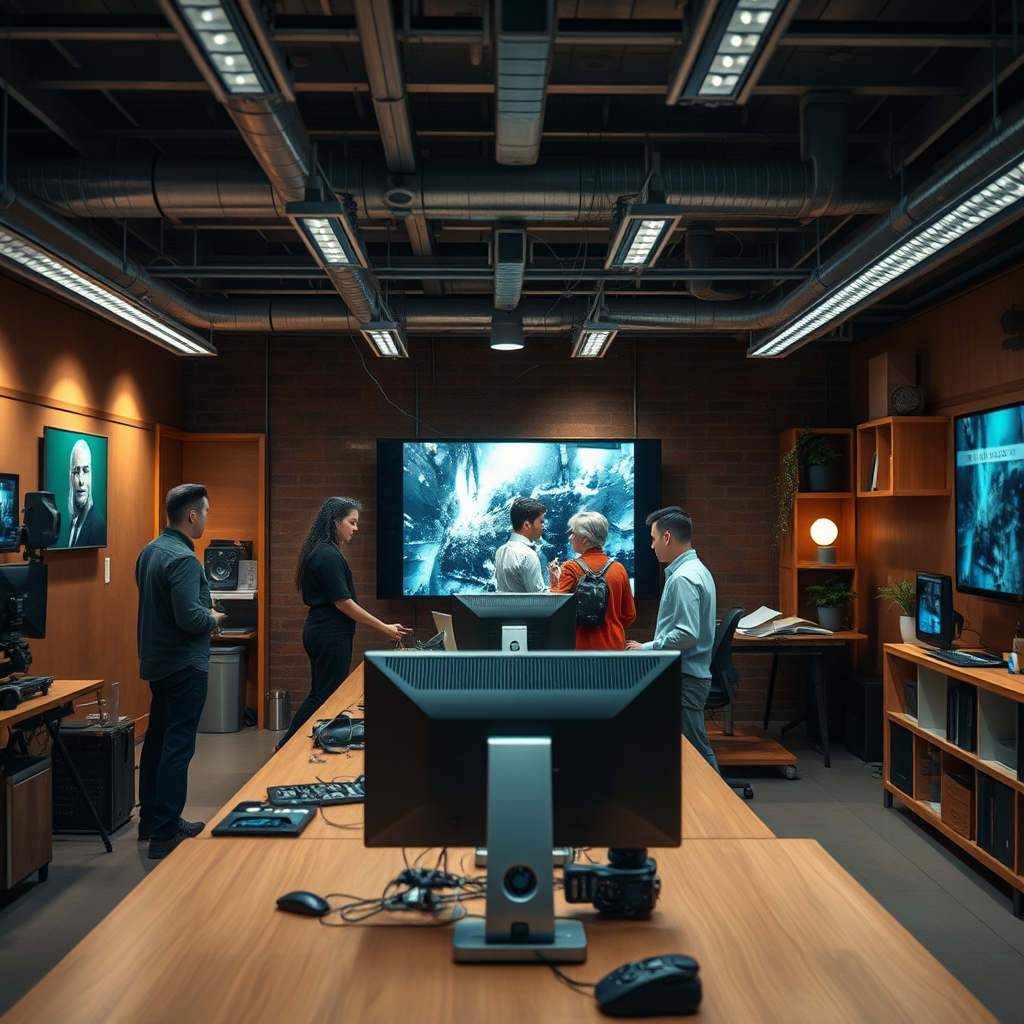
Video footage can degrade over time due to a variety of factors. Age is a primary culprit; as tapes and films sit unattended, they are susceptible to environmental damage, such as humidity, temperature fluctuations, and exposure to sunlight. These conditions can cause a range of issues, including color fading, scratches, and pixelation, which ultimately compromise the visual integrity of the footage.
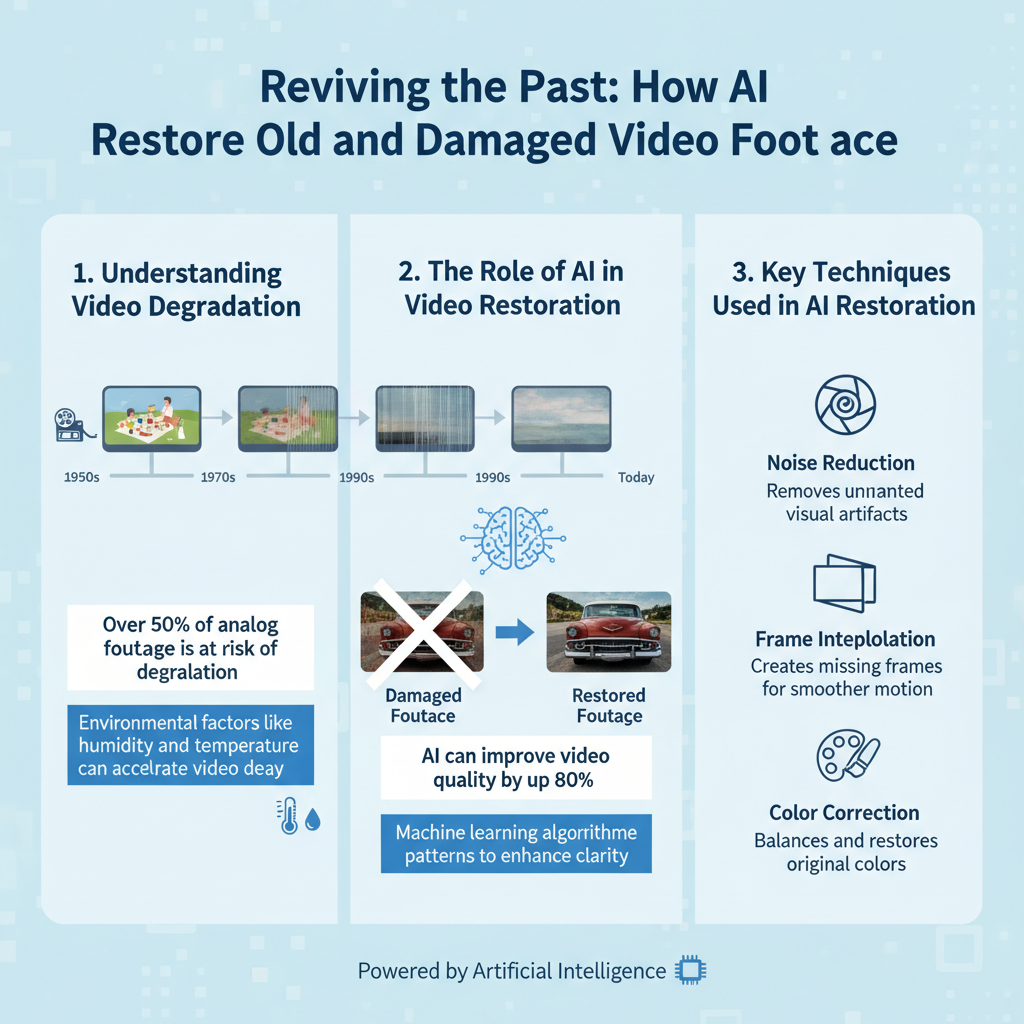
The degradation of video can manifest in multiple ways: colors may lose their vibrancy, leading to dull or washed-out images, while physical scratches and dust can create distracting artifacts. Additionally, older formats, such as VHS and film reels, often suffer from mechanical wear and tear, resulting in warped or poorly aligned images. Understanding these degradation processes is essential for recognizing the importance of restoration and the role AI plays in this transformative journey.

The Role of AI in Video Restoration
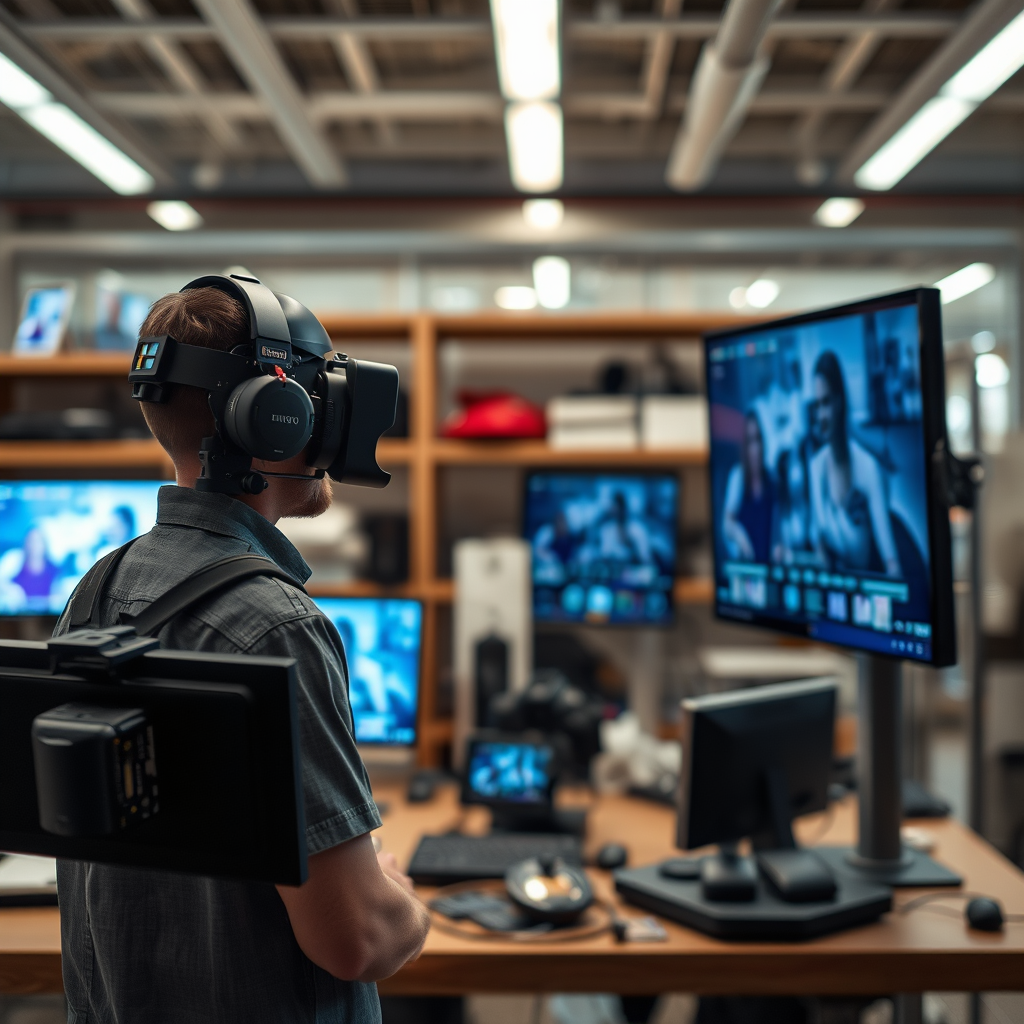
AI algorithms serve as the backbone of modern video restoration. By analyzing existing frames, these algorithms can identify patterns and anomalies within the footage. This process involves understanding the characteristics of a video, such as motion dynamics, color profiles, and textures. Once the AI has a comprehensive understanding of the footage, it can effectively predict and recreate missing or damaged parts.
Machine learning techniques enhance this process, allowing the software to learn from vast datasets of high-quality video content. For instance, an AI model trained on thousands of videos can recognize common issues like noise, blurring, or frame loss and develop strategies to correct them. This capability means that AI can not only restore the visual quality of old footage but also do so in a way that feels organic and true to the original content. The result is a seamless blend of technology and artistry that revitalizes cherished visual memories.
Key Techniques Used in AI Restoration
Several key techniques are employed in AI video restoration, each designed to tackle specific types of damage. One of the most significant techniques is frame interpolation, which helps to smooth out motion by generating intermediate frames. This is especially useful for older footage that may have been recorded at lower frame rates, creating choppy or jerky motion. By filling in these gaps, AI can create a more fluid viewing experience that aligns with modern standards.
Another essential technique is noise reduction, which cleans up grainy footage without sacrificing essential details. Old tapes often have a significant amount of noise due to age and degradation, making the video look unappealing. AI-powered noise reduction algorithms analyze the noise patterns and intelligently differentiate them from the actual content, allowing for a cleaner image while maintaining visual fidelity.
Combining these techniques with color correction algorithms enhances the overall aesthetic appeal, restoring the vibrant hues and contrasts that may have faded over time. Together, these methods ensure that restored footage not only looks better but also feels more engaging for contemporary audiences.
Tools and Software for Restoration
A variety of AI-driven software tools are available for video restoration, each with its unique features and user experiences. Two popular examples include Topaz Video Enhance AI and Adobe After Effects.
Topaz Video Enhance AI is known for its user-friendly interface and powerful upscaling capabilities, allowing users to increase resolution while improving clarity and detail. Its AI-driven algorithms make it an excellent choice for those who may not have extensive technical expertise but still want to achieve impressive results.
On the other hand, Adobe After Effects offers a more comprehensive suite of tools for professionals looking to fine-tune their restoration projects. With its extensive range of plugins and effects, After Effects allows for a high level of customization and creativity. However, this complexity may present a slight learning curve for beginners.
When comparing these tools, it’s essential to consider factors such as user-friendliness, features, and effectiveness. While Topaz may appeal to casual users seeking quick results, Adobe After Effects is better suited for professionals who need a more versatile platform for intricate projects. Regardless of the tool chosen, the ability to restore old videos using AI opens up a world of possibilities for filmmakers, historians, and hobbyists alike.
Case Studies: Successful Restorations
Several notable projects have showcased the remarkable capabilities of AI in restoring significant historical footage. One such example is the restoration of early motion pictures, including clips from the Lumière brothers, which were revived using AI tools to enhance clarity and detail. These restorations not only preserve cultural heritage but also provide a more immersive experience for audiences who wish to connect with history.
Another inspiring case study is the restoration of footage from World War II, where AI was employed to enhance archival videos that had deteriorated over decades. By applying AI-driven methods, restorers were able to eliminate noise, restore color, and even stabilize shaky footage, making these important historical documents more accessible to the public.
The impact of these restorations on public access to archival content cannot be overstated. By transforming these once-forgotten videos into engaging visual experiences, AI has made it possible for educators, historians, and enthusiasts to explore and appreciate history in new and exciting ways.
Future Trends in AI Video Restoration
As technology continues to advance, the future of AI video restoration holds immense potential. Emerging technologies such as deep learning and neural networks are expected to revolutionize the field further. These innovations could lead to even more sophisticated algorithms that enhance video quality with greater accuracy and realism.
Additionally, the integration of virtual and augmented reality with AI restoration could create entirely new ways for audiences to experience historical footage. Imagine being able to step into a restored scene from the past, experiencing it as if you were truly there. This immersive approach to video restoration could transform how we engage with history and storytelling.
Predictions suggest that AI will continue to enhance video quality and accessibility, making it easier for creators to restore and preserve content. As these tools become more refined, they will likely become increasingly accessible to the general public, allowing anyone with old footage to bring their memories back to life.
The advancements in AI technology have made it possible to restore old and damaged video footage in ways that were previously unimaginable. By leveraging sophisticated algorithms and techniques, these tools not only preserve historical content but also enrich the viewing experience. As technology continues to evolve, the future of video restoration looks promising, offering exciting possibilities for both creators and audiences alike. If you have old footage in need of restoration, consider exploring the available AI solutions to bring those memories back to life.
Frequently Asked Questions
What techniques does AI use to restore old and damaged video footage?
AI employs several techniques to restore old and damaged video footage, including deep learning algorithms, image interpolation, and noise reduction. These methods analyze existing frames to predict missing or damaged parts, reconstructing visual quality while maintaining the original context. Additionally, AI can enhance color accuracy and sharpness, making historical footage more visually appealing and clearer without compromising its authenticity.
How does AI improve the resolution of old videos?
AI enhances the resolution of old videos through a process known as super-resolution, which uses machine learning models to upscale low-resolution footage. By training on vast datasets of high-resolution images, AI can create new pixels that blend seamlessly with the existing ones, thus increasing clarity and detail. This technology allows viewers to enjoy restored footage that appears significantly sharper and more vibrant, even when the original quality was poor.
Why is AI preferred over traditional restoration methods for video footage?
AI is preferred over traditional restoration methods because it offers faster processing times and more precise results. While conventional restoration relies heavily on manual techniques, which can be time-consuming and subjective, AI can analyze and restore footage more consistently and objectively. This leads to a more efficient workflow and the ability to handle larger volumes of footage, making it an invaluable tool for archivists and filmmakers.
What are the best AI tools available for restoring old video footage?
Some of the best AI tools for restoring old video footage include Topaz Video Enhance AI, Adobe Premiere Pro’s AI-powered features, and DaVinci Resolve. These tools utilize advanced algorithms to enhance video quality, reduce noise, and improve color grading effortlessly. Each software offers unique features tailored for different user needs, from professional filmmakers to casual users looking to restore personal footage.
Which types of video damage can AI effectively repair?
AI can effectively repair various types of video damage, including pixelation, blurring, color degradation, and frame drop issues. By analyzing each frame, AI can reconstruct missing details and enhance visual continuity, addressing common problems found in aging footage. This capability makes AI particularly useful for restoring archival materials, home movies, and even damaged film reels, providing a new lease on life to cherished memories.
References
- Film preservation
- https://www.sciencedirect.com/science/article/pii/S0031320319300503
- https://www.bbc.com/future/article/20201023-how-ai-is-restoring-old-movies
- https://www.nytimes.com/2022/09/09/technology/ai-restores-old-videos.html
- https://www.theguardian.com/technology/2021/feb/23/ai-old-footage-restoration-video
- https://www.wired.com/story/ai-video-restoration/
- https://www.microsoft.com/en-us/research/publication/ai-restoration-of-old-video-footage/
