
When buying a home theater system, the most important considerations include your budget, space requirements, and desired features. Understanding these elements can help you make an informed decision that maximizes your entertainment experience. A well-chosen home theater system can offer an immersive viewing experience, turning your living room into a cinema. In this article, we’ll explore essential factors to keep in mind before making your purchase.




Assess Your Budget
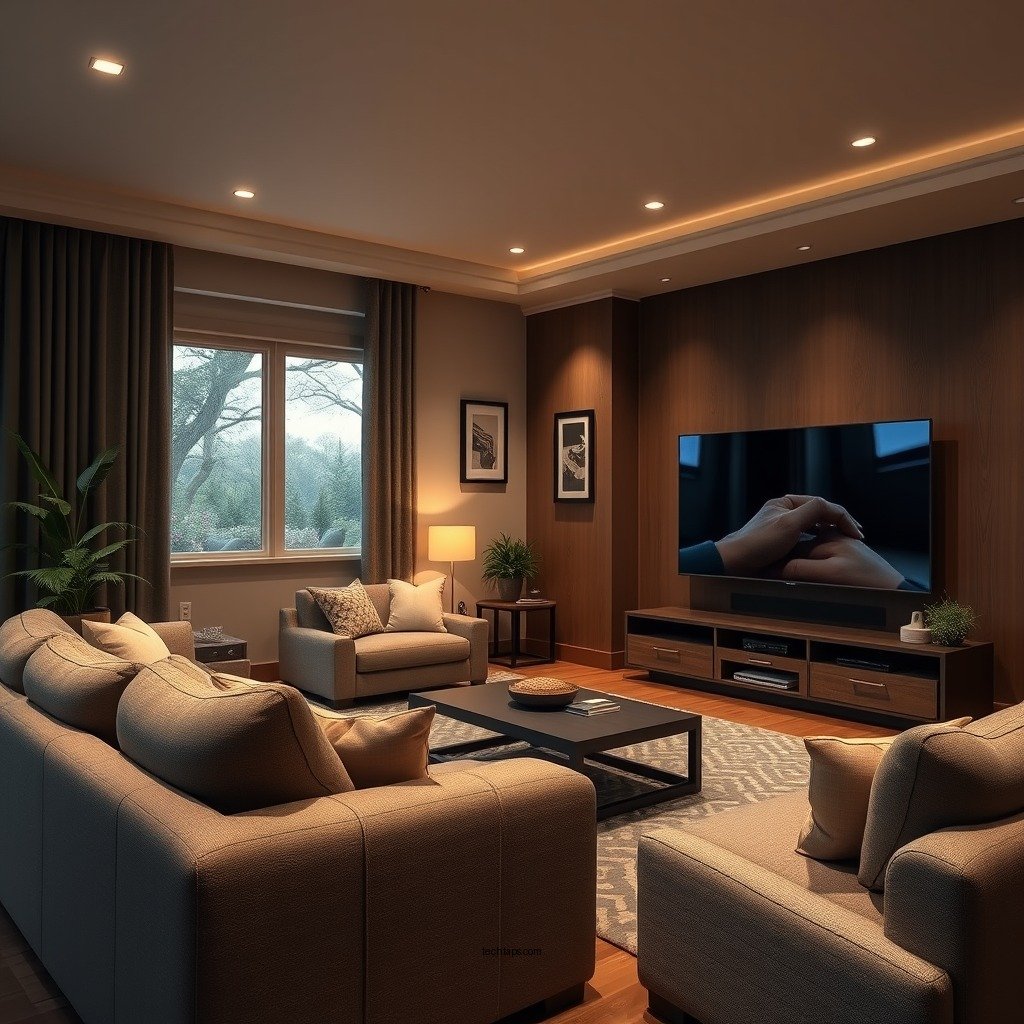
Determining your budget is the first and most crucial step in purchasing a home theater system. Your total spending limit should encompass not only the cost of the system itself but also installation fees and any additional accessories you may need, such as cables, mounts, or seating. It’s essential to create a detailed budget that outlines your priorities; for instance, you might allocate a higher portion for audio quality over aesthetic elements like furniture.
Additionally, consider the long-term value versus upfront costs. While it may be tempting to opt for a lower-priced option, investing in a quality system can yield superior performance and durability over time. Research various financing options or payment plans offered by retailers to help manage expenses without compromising on quality.
Evaluate Your Space
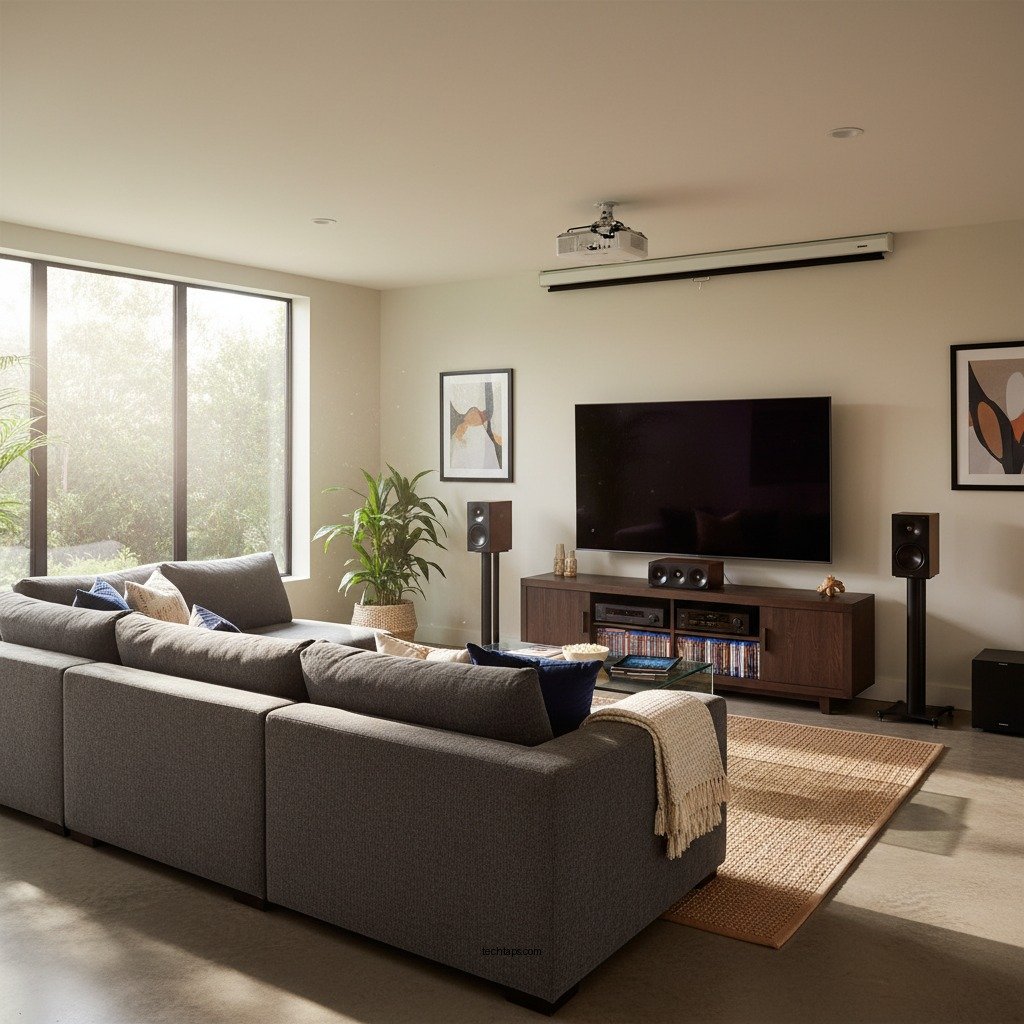
Before purchasing a home theater system, evaluating the space where it will be installed is vital. Take accurate measurements of the room, including height, width, and depth, to ensure your chosen components will fit comfortably. Pay particular attention to the arrangement of seating; it’s critical to position seats at an optimal distance from the screen and speakers for the best audio-visual experience.
Consider how sound will travel in your space. Hard surfaces like tile or hardwood floors can create echoes, while carpets and curtains can absorb sound. You may need to invest in additional soundproofing or acoustic treatments to enhance audio quality.
Choose the Right Components
When it comes to home theater systems, there are various components to consider, each playing a unique role in delivering an exceptional viewing experience. The primary options include:
– Soundbars: Ideal for smaller spaces or those looking for a less complicated setup, soundbars combine multiple speakers into a single unit.
– Surround Sound Systems: For a more immersive experience, consider systems that include multiple speakers (5.1, 7.1, etc.) to create a surround sound environment.
– Projectors vs. TVs: Decide between a projector for a larger screen experience or a high-definition television for sharper image quality.
Understanding the role of each component will help you build a system tailored to your preferences. Research different brands and configurations to find the best fit for your needs.
Top 7 Home Theater Brands and Their Popular Models (2024)
| # | Brand | Model | Type | Price ($) | Rating |
|---|---|---|---|---|---|
| 1 | Sony | HT-A7000 | Soundbar | 1,299 | ★★★★☆ |
| 2 | Bose | Lifestyle 650 | Surround Sound | 3,999 | ★★★★★ |
| 3 | Samsung | HW-Q950A | Soundbar | 1,799 | ★★★★☆ |
| 4 | LG | SN11RG | Soundbar | 1,399 | ★★★★☆ |
| 5 | Yamaha | YAS-209 | Soundbar | 349 | ★★★★☆ |
| 6 | Onkyo | HT-S3910 | Surround Sound | 499 | ★★★★☆ |
| 7 | Denon | AVR-S750H | Receiver | 649 | ★★★★☆ |
Check Compatibility
Ensuring compatibility between your new home theater system and existing devices is essential to avoid future headaches. Before making a purchase, check which devices you currently own, such as gaming consoles, Blu-ray players, and streaming devices, and confirm that they can connect seamlessly with your new system.
Moreover, consider the latest audio and video formats that your system supports. Look for features like Dolby Atmos, DTS:X, or 4K HDR compatibility to ensure you can access the highest quality sound and visuals available. Compatibility with streaming services and smart home systems can also enhance your experience by allowing you to control everything from one device.
Research Brands and Models
The market is saturated with options, making it essential to research reputable brands and models before making a decision. Invest time in reading customer reviews and expert opinions to gauge the reliability and performance of various systems. Websites like CNET, Consumer Reports, and specialized audio/video forums can provide valuable insights.
Compare features across different models to understand their capabilities, and pay attention to warranty offerings. A solid warranty can serve as a safety net in case any components fail early in their lifespan, allowing you to make a confident purchase.
Installation Options
Deciding on your installation method is another critical consideration. You have the option to hire a professional installer or tackle the setup yourself. Professional installation can ensure optimal placement and configuration, especially for complex systems, but it comes with an additional cost.
If you opt for a DIY installation, make sure to follow the manufacturer’s guidelines carefully. Many brands provide comprehensive manuals, and there are countless online resources available to assist you. Understanding the complexity of the installation process for your chosen system will help you make an informed decision.
Future-Proofing Your Purchase
As technology evolves, future-proofing your home theater system is an essential consideration. Look for systems that allow for upgrades or expansions, which can save you money in the long run. Compatibility with emerging technologies, such as 8K video and advanced audio formats, can also extend the lifespan of your system.
Additionally, consider systems that incorporate streaming and smart home integration. Many modern systems are designed to sync with smart home devices, allowing you to control your entertainment setup seamlessly through voice commands or mobile apps.
Investing in a home theater system can dramatically enhance your viewing and listening experience, but it’s crucial to consider your budget, space, and the components you need. By following these guidelines, you can confidently choose a system that fits your lifestyle and preferences. Start researching your options today to enjoy your favorite movies and shows like never before!
Frequently Asked Questions
What are the essential components of a home theater system?
A complete home theater system typically includes a high-definition television or projector, a surround sound speaker system, a receiver to manage audio and video signals, and a source device such as a Blu-ray player or streaming device. Additionally, consider the importance of quality cables and a comfortable seating arrangement to enhance your viewing experience.
How do I choose the right size home theater system for my room?
To select the right size home theater system, measure your room dimensions and consider the distance from the screen to the seating area. For optimal viewing, aim for a screen size that complements your room size; generally, larger screens are suitable for bigger rooms. Also, ensure that your audio system can fill the space without distortion, which is crucial for an immersive experience.
Why is speaker placement important in a home theater setup?
Speaker placement is crucial in a home theater setup because it directly affects sound quality and the overall immersive experience. Proper placement ensures that sound reaches your ears in a balanced and synchronized manner, enhancing effects like surround sound. Typically, front speakers should be positioned at ear level, while surround speakers are best placed slightly above the listening area.
What should I consider when deciding between wired and wireless home theater systems?
When choosing between wired and wireless home theater systems, consider the layout of your space and the potential for interference. Wired systems generally offer better sound quality and reliability, while wireless systems provide flexibility and ease of installation. Evaluate your needs for aesthetics versus performance to make the best decision for your home.
Which brands are known for high-quality home theater systems?
Some of the most reputable brands known for high-quality home theater systems include Sony, Bose, Yamaha, and Denon. These brands have a strong reputation for producing reliable, durable, and high-performing equipment. Researching user reviews and expert ratings can help you determine which brand best meets your specific audio and visual needs.
References
- Home cinema
https://en.wikipedia.org/wiki/Home_theater - https://www.sciencedirect.com/topics/engineering/home-theater
https://www.sciencedirect.com/topics/engineering/home-theater - Google Scholar Google Scholar
https://scholar.google.com/scholar?q=Buying+a+Home+Theater+System - https://www.bbc.com/news/technology-53015097
https://www.bbc.com/news/technology-53015097 - https://www.nytimes.com/2020/06/29/technology/personaltech/home-theater.html
https://www.nytimes.com/2020/06/29/technology/personaltech/home-theater.html - https://www.theguardian.com/technology/2021/oct/17/home-theater-systems-buying-guide
https://www.theguardian.com/technology/2021/oct/17/home-theater-systems-buying-guide - Google Scholar Google Scholar
https://scholar.google.com/scholar?q=Home+Theater+System+considerations - https://www.britannica.com/topic/home-theater
https://www.britannica.com/topic/home-theater - https://pubmed.ncbi.nlm.nih.gov/28794129/
https://pubmed.ncbi.nlm.nih.gov/28794129/ - Google Scholar Google Scholar
https://scholar.google.com/scholar?q=Buying+a+Home+Theater+System:+Things+You+Need+to+Consider+Before+Purchasing

1 Comment