The introduction of biodegradable displays holds the potential to significantly reduce electronic waste (e-waste) by providing sustainable alternatives to traditional materials. By integrating these eco-friendly technologies, we can mitigate the harmful environmental impact associated with discarded electronics. As consumers increasingly demand greener products and manufacturers seek ways to align with sustainability goals, biodegradable displays emerge as a promising solution. This article will explore the benefits of biodegradable displays, how they work, and their potential to transform the electronics industry.




Understanding E-Waste and Its Impact

E-waste is one of the fastest-growing waste streams globally, posing severe environmental hazards. According to the Global E-Waste Monitor 2020, an estimated 53.6 million metric tons of e-waste were generated in 2019, and this figure is expected to rise significantly in the coming years. Improper disposal of electronic devices leads to toxic substances contaminating soil and water, with heavy metals like lead, mercury, and cadmium seeping into the environment. These hazardous materials not only threaten ecosystems but also pose serious health risks to communities, especially in developing countries where e-waste is often processed in unsafe conditions. By addressing e-waste through innovative solutions like biodegradable displays, we can take significant steps toward a healthier planet.
What Are Biodegradable Displays?
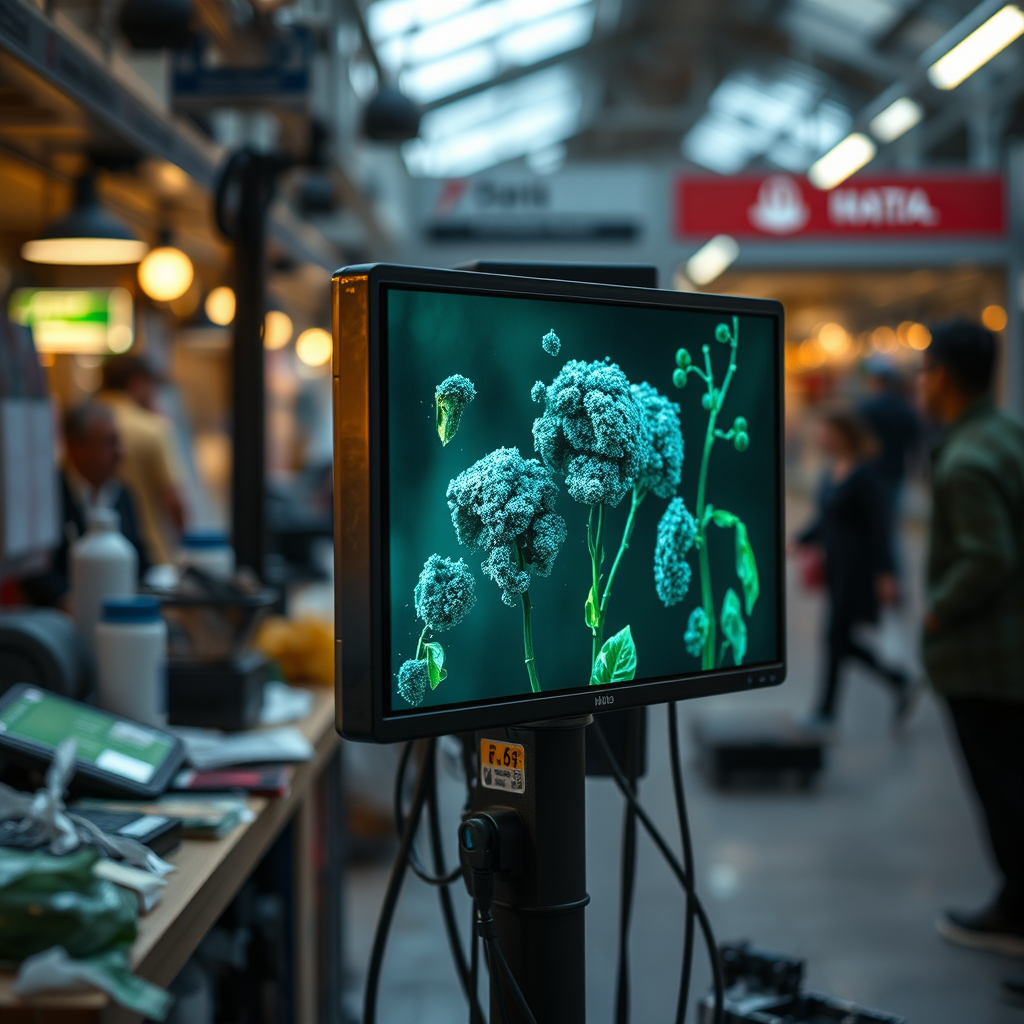
Biodegradable displays are made from materials that can break down naturally, reducing landfill contributions and the long-term environmental footprint of electronics. Unlike conventional displays, which often rely on plastics and metals that can take hundreds of years to decompose, biodegradable displays utilize organic compounds and bioplastics that can decompose over time, returning to the earth without leaving harmful residues. For instance, some prototypes use cellulose, a natural polymer derived from plant sources, which offers a transparent substrate while remaining environmentally friendly. This shift not only supports sustainability but also encourages innovation in material science, leading to new possibilities in electronic device design.
Advantages of Biodegradable Displays
The advantages of biodegradable displays are manifold. First, they reduce landfill volume by minimizing non-decomposable waste, helping to alleviate the growing crisis of overflowing landfills. Additionally, biodegradable displays lower the carbon footprint during production and disposal processes compared to traditional displays. For example, the production of bioplastics often emits fewer greenhouse gases than petroleum-based plastics. Furthermore, biodegradable displays can enhance a brand’s reputation, as consumers increasingly prioritize eco-conscious products. Companies that adopt these innovative technologies can position themselves as leaders in sustainability, appealing to environmentally aware consumers and potentially increasing market share.
How Biodegradable Displays Work
Biodegradable displays are composed of materials such as bioplastics and organic compounds that are designed for easy degradation. These materials are engineered to maintain high performance while ensuring environmental safety. For instance, some biodegradable displays utilize a combination of organic light-emitting diodes (OLEDs) and bioplastics, allowing for vibrant colors and high-resolution images while being completely compostable at the end of their life cycle. The integration of advanced technology ensures that these displays can compete with traditional options in terms of visual quality and functionality. As research progresses, we can expect even more impressive advancements that enhance the performance and usability of biodegradable displays.
Current Developments in Biodegradable Display Technology
Several companies and research institutions are innovating biodegradable display prototypes. For example, researchers at the University of Cambridge have developed a biodegradable OLED display using materials derived from renewable resources. Similarly, companies like Dell and Samsung are exploring ways to incorporate biodegradable materials into their product designs. Recent advancements have improved the durability and functionality of these displays for consumer electronics, making them viable options for smartphones, tablets, and other devices. As these technologies continue to evolve, we may soon see biodegradable displays becoming more mainstream, paving the way for a more sustainable electronics market.
Challenges Facing Biodegradable Displays
Despite the promising potential of biodegradable displays, several challenges remain. Production costs are currently high, making them less competitive than traditional displays, which can deter manufacturers from investing in this technology. Additionally, consumer awareness and acceptance of biodegradable technology are still developing. Many consumers may not fully understand the benefits of biodegradable displays or may be wary of their performance compared to conventional options. To overcome these hurdles, companies must prioritize education and transparency, providing clear information on the environmental benefits and performance capabilities of biodegradable displays.
The Future of Biodegradable Displays in E-Waste Reduction
The integration of biodegradable displays into mainstream electronics could revolutionize the industry and significantly reduce e-waste. Collaborative efforts between manufacturers, consumers, and policymakers are essential for widespread adoption. Policymakers can incentivize the development and use of biodegradable materials through subsidies or tax breaks, while manufacturers can invest in research and development to lower production costs. Meanwhile, consumers can advocate for biodegradable solutions in their electronic purchases, driving demand for more sustainable products. By working together, we can foster a culture of sustainability in the electronics industry and take meaningful steps to reduce e-waste.
Reducing e-waste through the use of biodegradable displays presents a promising avenue for environmental sustainability. By understanding their benefits, functionality, and the challenges they face, we can support the shift towards more eco-friendly electronics. As we move forward, let’s advocate for biodegradable solutions in our next electronic purchase and support companies that prioritize sustainability. Together, we can contribute to a healthier planet and a more responsible electronics industry.
Frequently Asked Questions
What are biodegradable displays and how do they work?
Biodegradable displays are screens made from materials that can decompose naturally over time, as opposed to traditional displays that often contain harmful plastics and metals. These displays utilize organic materials such as cellulose, which break down in the environment, significantly reducing the accumulation of e-waste. By integrating biodegradable components into the manufacturing process, these displays can contribute to a more sustainable electronic lifecycle.
How can biodegradable displays help reduce e-waste?
Biodegradable displays can help reduce e-waste by minimizing the amount of non-degradable materials that end up in landfills. When electronic devices with these displays reach the end of their lifecycle, the organic materials can decompose, thus preventing long-term environmental contamination. Additionally, by encouraging manufacturers to adopt more sustainable practices, biodegradable displays can lead to a reduction in the overall production of harmful electronic waste.
Why is reducing e-waste important for the environment?
Reducing e-waste is crucial for the environment as it helps to prevent toxic substances, such as lead, mercury, and cadmium, from leaching into the soil and water systems. These materials can pose serious health risks to humans and wildlife. Moreover, e-waste contains valuable resources that could be recycled, so reducing it not only protects the environment but also promotes resource conservation and sustainability.
What are the best applications for biodegradable displays in consumer electronics?
The best applications for biodegradable displays in consumer electronics include smartphones, tablets, wearables, and various home appliances. These devices often have short lifespans and high turnover rates, making them prime candidates for sustainable alternatives. By integrating biodegradable displays into these products, manufacturers can significantly reduce their environmental footprint while appealing to environmentally conscious consumers.
Which companies are leading the way in developing biodegradable display technology?
Several innovative companies are at the forefront of developing biodegradable display technology, including LG Display and Sony, who have invested in research to create sustainable alternatives. Startups like Novalux and Tactotek are also emerging with promising biodegradable materials that can be used in displays. As the demand for eco-friendly products increases, more companies are likely to enter this space, driving advancements in biodegradable technology to further reduce e-waste.
References
- Electronic waste
- https://www.nature.com/articles/s41545-021-00116-5
- https://www.sciencedirect.com/science/article/pii/S0959652621007008
- https://www.researchgate.net/publication/341237711_Biodegradable_displays_for_e-waste_reduction
- https://www.bbc.com/news/science-environment-57025390
- News | NSF – U.S. National Science Foundation
- https://www.epa.gov/sustainable-management-food/what-e-waste
- https://www.earth911.com/recycling-guide/electronics-recycling/