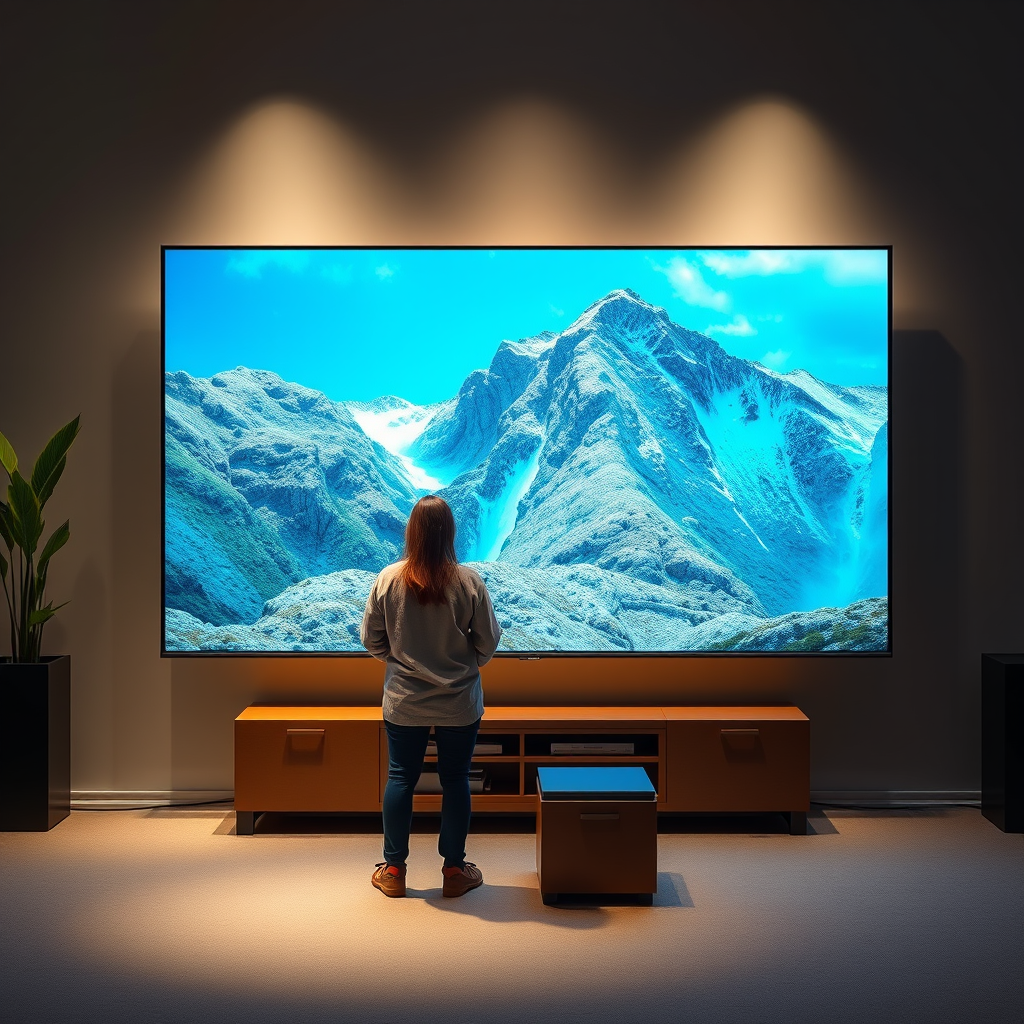

The evolution of Liquid Crystal Displays (LCDs) over the next decade will likely focus on enhanced performance, flexibility, and integration with emerging technologies. As we look forward, advancements in materials, display technology, and user experience will redefine how we engage with LCDs in various applications, from smartphones to smart home devices. Let’s delve deeper into the exciting changes on the horizon.
Advancements in Display Technology
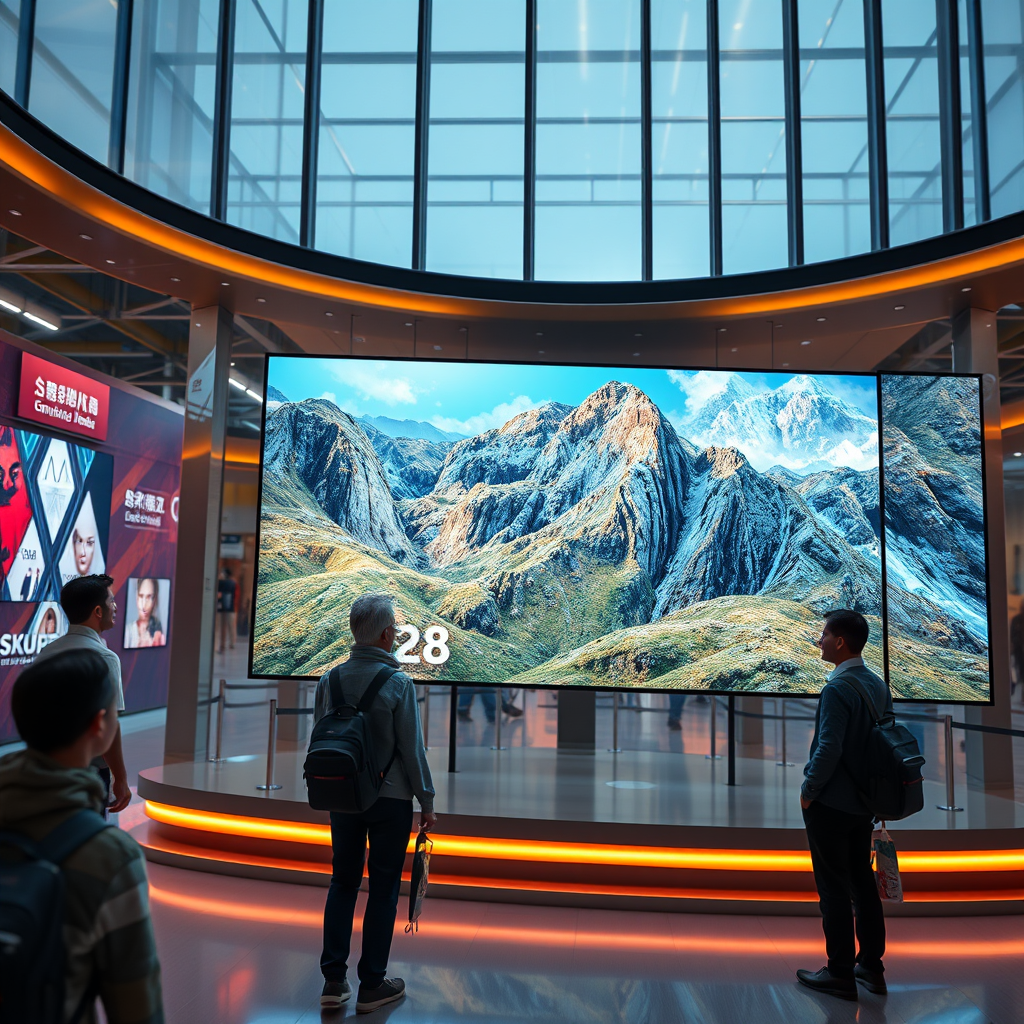
One of the most significant changes we can expect in the LCD landscape is the introduction of MicroLED and MiniLED technologies. These innovations are emerging as formidable competitors to traditional LCDs, boasting superior contrast ratios and improved energy efficiency. MicroLED displays, for instance, utilize tiny self-emissive LEDs that can produce vibrant colors without the need for a backlight, leading to deeper blacks and brighter whites. MiniLED, on the other hand, enhances current LCD technology by utilizing thousands of small LEDs for backlighting instead of the standard few hundred, allowing for local dimming that improves overall picture quality.
Moreover, the integration of quantum dot technology is set to further enhance color accuracy and brightness in LCDs. Quantum dots are semiconductor nanocrystals that emit specific colors when exposed to light, resulting in a wider color gamut and more vibrant images. Leading manufacturers are already incorporating quantum dots into their LCD products, promising an exciting future where screens not only look better but also provide a more immersive viewing experience.
Flexible and Wearable Displays

Flexibility is another frontier where LCD technology is rapidly evolving. With the development of bendable and foldable LCDs, we are poised to witness a revolution in smartphones and wearable devices. Imagine a smartphone that can fold in half or a smartwatch that can wrap around your wrist seamlessly. Companies like Samsung and LG are already making strides in this area, showcasing prototypes that could redefine portability and aesthetics.
The potential applications of flexible displays extend beyond consumer electronics. In fashion, designers could create clothing with integrated displays that change designs or patterns on demand. In healthcare, flexible LCDs could be utilized in wearable devices that monitor health metrics, providing users with real-time feedback in a comfortable and non-intrusive manner. This adaptability could fundamentally change how we perceive and interact with technology in our daily lives.
Energy Efficiency Improvements
As sustainability becomes increasingly important, innovations aimed at reducing power consumption in LCDs are gaining traction. Manufacturers are investing in technologies that optimize energy usage, such as advanced backlighting systems and improved liquid crystal materials that require less energy to operate. For example, technologies like dual-cell LCDs combine two LCD panels to enhance brightness while consuming less power, making them an attractive option for environmentally conscious consumers.
The impact of energy-efficient displays on sustainability cannot be understated. Not only do these innovations help reduce the carbon footprint of consumer electronics, but they also lead to longer battery life in portable devices. As consumers become more aware of their environmental impact, energy-efficient displays will likely become a key selling point for manufacturers, driving demand and shaping future innovations.
Integration with Smart Technologies
The rise of smart home systems presents a unique opportunity for the integration of LCDs with various technologies. Imagine a smart kitchen where your LCD display is seamlessly connected to your refrigerator, providing you with real-time updates on your grocery inventory while suggesting recipes based on available ingredients. This level of interactivity is becoming increasingly achievable as LCDs enhance their connectivity and functionality.
Furthermore, the advent of smart displays equipped with AI capabilities is another trend to watch. These displays can learn user preferences and habits, offering personalized experiences that cater to individual needs. For instance, a smart display could adjust its brightness and color settings based on the time of day or even remind you of important tasks via integrated voice assistants. This convergence of display technology with smart home systems is set to redefine convenience and interactivity in our everyday lives.
Enhanced User Experience
As LCD technology evolves, so too does the user experience. Advancements in touch-sensitive and interactive LCD technologies are paving the way for more engaging interfaces. For example, manufacturers are experimenting with edge-to-edge touch screens that allow for swiping and scrolling across the entire surface, creating a more immersive interaction.
The role of haptic feedback is also becoming increasingly important in enhancing user interaction. By providing tactile responses to touch, haptic technology makes digital experiences feel more intuitive and responsive. Additionally, the integration of augmented reality (AR) with LCDs can transform how users interact with their devices, allowing for dynamic overlays of information and interactive experiences that blend the digital and physical worlds.
New Materials and Manufacturing Processes
The exploration of new liquid crystal materials is crucial for improving LCD performance and capabilities. Research is ongoing into materials that can provide better contrast, faster response times, and wider viewing angles. For example, new polymer-based liquid crystals are being developed that can react more quickly to electrical signals, enhancing refresh rates and overall display quality.
Trends in manufacturing processes are also evolving, focusing on reducing costs and improving scalability. Techniques such as roll-to-roll printing and advanced panel fabrication are being explored to streamline the production of LCDs, making high-quality displays more accessible to consumers. This shift not only promises to lower prices but also enables manufacturers to respond more rapidly to market demands.
Market Trends and Consumer Demand
Finally, shifts in consumer preferences are influencing the direction of LCD innovation. As consumers increasingly gravitate towards higher resolution and immersive displays, manufacturers are compelled to push the boundaries of what is possible. The gaming industry, in particular, is a major driver of this trend, with gamers demanding displays that offer fast refresh rates, rich colors, and low latency.
Additionally, the rise of streaming services has led to a growing appetite for large, high-resolution displays for home entertainment. As a result, LCDs are evolving to meet these demands, with features like 8K resolution and HDR capabilities becoming more commonplace. This consumer-driven landscape is shaping the future of LCD technology, ensuring that innovation remains at the forefront of the industry.
The future of Liquid Crystal Displays promises exciting advancements that will transform how we interact with technology. As new materials, technologies, and user experiences are developed, the LCD market will adapt to meet the needs of a more connected and dynamic world. Understanding these trends will not only keep you informed but will also help you make better choices for your next tech purchase or project. Stay tuned—there’s a lot to look forward to in the world of LCDs!
Frequently Asked Questions
What advancements in technology are expected to enhance Liquid Crystal Displays (LCDs) in the next decade?
In the next decade, advancements such as miniLED and microLED technology are anticipated to significantly enhance Liquid Crystal Displays. These technologies promise improved brightness, contrast ratios, and energy efficiency compared to traditional LCDs. Additionally, developments in quantum dot technology may lead to wider color gamuts, offering a more vibrant viewing experience for consumers.
How might the design of Liquid Crystal Displays change in the future?
The design of Liquid Crystal Displays is likely to evolve towards thinner and more flexible panels. Innovations in materials, such as organic light-emitting diode (OLED) technology, will allow for curved and rollable screens, leading to new applications in smartphones, TVs, and even wearable devices. This evolution aims to provide a more immersive experience and enhance user convenience.
Why is the energy efficiency of Liquid Crystal Displays important for future development?
Energy efficiency is a crucial factor for the future development of Liquid Crystal Displays, as consumers and manufacturers alike are becoming increasingly conscious of environmental impact. More energy-efficient LCDs not only reduce electricity costs for users but also comply with global sustainability goals. As regulations tighten and eco-friendly practices gain traction, energy-efficient displays will become a competitive advantage in the market.
Which industries are likely to benefit the most from advancements in Liquid Crystal Display technology?
Several industries stand to gain from advancements in Liquid Crystal Display technology, including consumer electronics, automotive, and healthcare. In consumer electronics, enhanced displays will improve user experience in televisions and mobile devices. In the automotive sector, more sophisticated displays will enhance dashboard interfaces and infotainment systems, while in healthcare, high-resolution LCDs can improve imaging in medical devices, leading to better patient outcomes.
What challenges might Liquid Crystal Displays face as they evolve in the next decade?
As Liquid Crystal Displays continue to evolve, they may face challenges such as increased competition from emerging technologies like OLED and microLED, which offer superior performance. Additionally, the manufacturing complexity and costs associated with producing next-generation displays could pose hurdles for widespread adoption. Overcoming these challenges will be crucial for LCD manufacturers to maintain relevance and market share in the rapidly changing tech landscape.
References
- Liquid-crystal display
- https://www.sciencedirect.com/science/article/pii/S1369702119302066
- https://www.nature.com/articles/s41598-021-86155-6
- https://www.reuters.com/article/us-displaytechnology-idUSKBN2A40Z9
- https://www.bbc.com/news/technology-58888823
- https://www.techcrunch.com/2021/10/05/the-future-of-display-technology/
- https://www.nist.gov/news-events/news/2021/09/future-displays-new-liquid-crystal-technology
- https://www.theguardian.com/technology/2022/jan/10/future-of-displays-liquid-crystal-technology-advancements
- https://www.osa-opn.org/home/articles/volume_32/december_2021/features/the_future_of_display_technology/