
To effectively reduce wind noise in outdoor audio systems, focus on strategic placement, using appropriate windshields, and selecting the right equipment. These steps will help you enhance your audio experience by minimizing disruptive wind sounds, allowing for clearer and more enjoyable outdoor listening. Whether you’re setting up for an outdoor event, a backyard concert, or just enjoying music in your garden, implementing these strategies can transform your sound quality.
Understanding Wind Noise and Its Impact
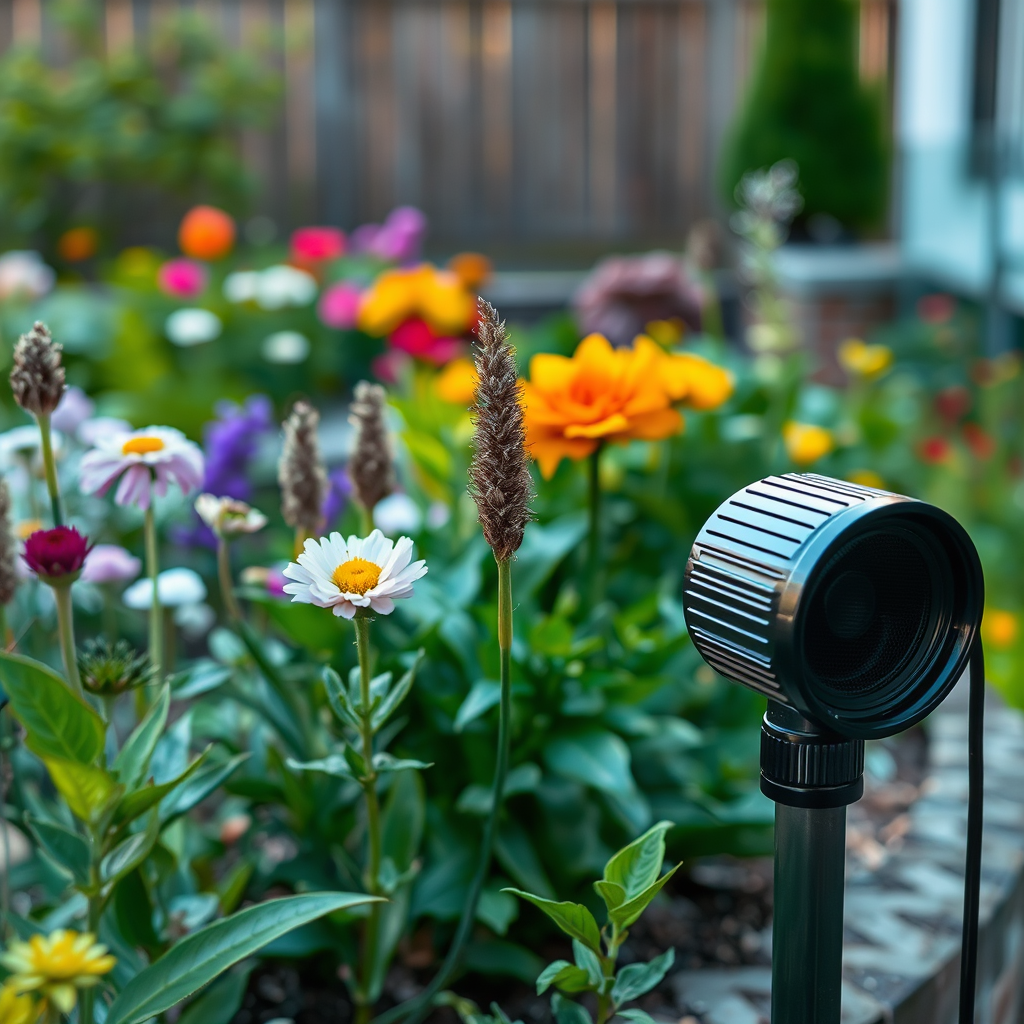
Wind noise can significantly degrade audio quality, making it difficult to hear desired sounds. It’s the rustling, whooshing, and blustering that can overpower your carefully curated playlist or important announcements. For musicians and audio enthusiasts alike, this can be incredibly frustrating. Identifying the sources of wind noise is crucial for effective mitigation; it typically comes from the movement of air across microphones and speakers, creating unwanted rumbling and hiss. Understanding how wind interacts with your audio setup will empower you to take steps toward a clearer sound.
Strategic Placement of Equipment
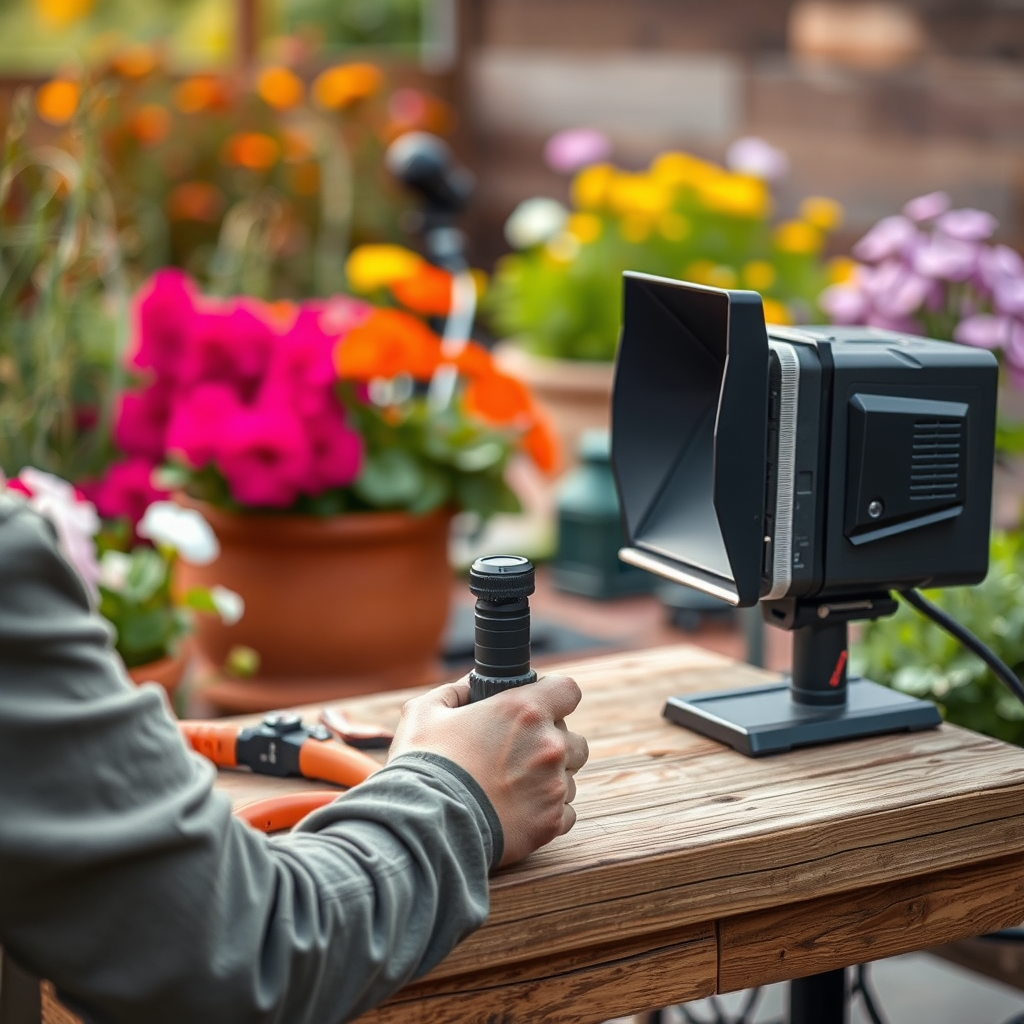
Positioning your microphones and speakers away from direct wind paths is essential for minimizing exposure. By situating your equipment in areas that are naturally shielded from the wind—such as behind trees, walls, or other structures—you can dramatically reduce the impact of gusts. For example, if you’re setting up for an outdoor event, consider placing your sound system on the leeward side of a building to provide some protection.
Furthermore, elevating audio equipment can also help reduce ground-level wind interference. When speakers and microphones are raised, they’re less likely to be affected by the turbulent air that typically swirls at ground level. Using stands or platforms can not only improve sound quality but also enhance the audience’s listening experience.
Utilizing Windshields and Covers
Investing in high-quality windshields designed for microphones is another effective way to dampen wind effects. These windshields, often made from foam or synthetic materials, can significantly reduce the noise produced by wind, allowing for clearer recordings and performances. When shopping for windshields, look for options that are suitable for the specific type of microphone you’re using, as the fit can greatly influence performance.
In addition to microphones, using protective covers for speakers can help shield them from wind while allowing sound to pass through. These covers can be particularly useful in unpredictable weather conditions, ensuring your equipment remains functional while minimizing unwanted noise. Just make sure that the covers you choose are designed for outdoor use and allow for adequate ventilation to prevent overheating.
Choosing the Right Audio Equipment
Selecting outdoor speakers and microphones specifically engineered to handle windy environments is crucial for optimal sound quality. Many manufacturers produce equipment with built-in noise reduction features or high wind resistance ratings that can significantly mitigate the effects of wind noise. For example, look for microphones that have a frequency response tailored for outdoor use, or speakers that can handle higher volumes without distortion in windy conditions.
Furthermore, consider portable systems with battery-powered options for added flexibility. These systems can be more easily relocated to shield from wind without sacrificing sound quality. Doing some research and reading reviews can help you find the best gear that meets your needs while performing well in outdoor settings.
Acoustic Treatments for Outdoor Spaces
Incorporating natural barriers like trees or walls can block wind and improve sound quality. If you’re planning an outdoor event, think about the layout of your space. Using the natural landscape to your advantage can create pockets of calm air, providing a better listening experience for your audience. For instance, a park setting with large trees can be an ideal backdrop for a concert, allowing sound to travel more effectively.
Another option is to use acoustic panels or baffles to absorb sound and reduce wind interference. These panels can be strategically placed around your setup to create a more controlled acoustic environment. While they might not completely eliminate wind noise, they can help manage other sound reflections and enhance overall audio clarity.
Testing and Adjustments
Conducting sound tests in various wind conditions is essential to identify effective setups. Before any major event, spend time experimenting with different placements and configurations to see what works best. Factors such as the direction of the wind and the type of terrain can greatly influence audio performance, so be prepared to adapt as needed.
Making adjustments to equipment placement and settings based on test results can yield significant improvements. For instance, if you notice that certain angles or heights minimize wind noise, take note and replicate those conditions during your actual event. The more you test and tweak your setup, the better your final audio experience will be.
Maintenance and Upkeep
Regularly checking and maintaining your equipment ensures optimal performance in outdoor settings. This includes inspecting microphones and speakers for damage and cleaning them as needed. Over time, debris can accumulate on equipment, which may affect sound quality or create additional noise.
Cleaning windshields and covers is also vital to ensure they function effectively over time. Dust and moisture can compromise the material of windshields, reducing their ability to mitigate wind noise. Make it a routine part of your maintenance schedule to keep everything in top shape.
By following these strategies, you can significantly reduce wind noise in your outdoor audio systems, leading to a clearer and more enjoyable listening experience. Implementing the tips discussed here will help you achieve better sound quality in your outdoor environments, allowing you to enjoy your audio systems to the fullest. Whether you’re entertaining guests or simply relaxing with your favorite tunes, a well-managed outdoor audio system can transform your experience.
Frequently Asked Questions
What are the best microphones to use for reducing wind noise in outdoor audio systems?
The best microphones for minimizing wind noise in outdoor audio systems are typically dynamic or shotgun microphones, as they are designed to focus on sound from a specific direction while rejecting ambient noise. Additionally, using microphones with built-in windshields or those that can accommodate external windshields, like furry deadcats or foam covers, can significantly reduce wind interference, ensuring clearer audio capture in windy conditions.
How can I effectively position my outdoor microphones to minimize wind noise?
To effectively position outdoor microphones and minimize wind noise, place them as low to the ground as possible, avoiding direct exposure to the wind. Additionally, angle the microphones away from the prevailing wind direction and use barriers like walls or trees to shield them from gusts. This strategic placement can help reduce wind noise while capturing the desired audio more effectively.
Why is wind noise a problem in outdoor audio recording?
Wind noise poses a significant problem in outdoor audio recording because it can overwhelm the desired sound, leading to distorted audio quality. The low-frequency rumble and high-frequency whistling created by wind can mask important vocal or environmental sounds, making it difficult to achieve a clear and professional sound. Understanding the impact of wind noise is crucial for any outdoor audio project to ensure high-quality recordings.
Which windshields are most effective for outdoor audio equipment?
The most effective windshields for outdoor audio equipment include foam windshields for moderate wind conditions and furry windshields, often referred to as deadcats, for stronger winds. The furry windshields provide excellent protection by dispersing wind turbulence before it reaches the microphone, whereas foam windshields are more lightweight and portable, making them suitable for less severe conditions. Choosing the right windshield based on the expected weather can significantly improve audio clarity.
What techniques can I use to edit out wind noise in my outdoor recordings?
To edit out wind noise in outdoor recordings, you can use audio editing software that features noise reduction tools, such as Adobe Audition or Audacity. Start by utilizing high-pass filters to eliminate low-frequency wind rumble, and apply spectral editing to visually identify and remove specific wind noise frequencies. Additionally, employing EQ adjustments and careful compression can enhance the overall sound quality while minimizing the impact of any remaining wind noise.
References
- https://www.wired.com/story/how-to-reduce-wind-noise-in-audio-recordings/
- https://www.sciencedirect.com/science/article/pii/S0003687016303293
- https://www.ncbi.nlm.nih.gov/pmc/articles/PMC6618685/
- https://www.acoustics.org/press/132nd/yang.pdf
- Development of Crash Energy Management Performance Requirements for Light-Rail Vehicles | The Nat…
- https://www.researchgate.net/publication/327230554_The_effect_of_wind_on_sound_propagation_in_urban_areas
- https://www.nature.com/articles/s41598-020-73019-0
