


To connect multiple outdoor speakers for your party, you can use a variety of methods such as wired connections, Bluetooth setups, or Wi-Fi streaming solutions. Each method has its unique advantages, and understanding them will help you create an enjoyable atmosphere filled with music that resonates throughout your outdoor space. In this article, we’ll explore the various options available, helping you choose the best setup for your next gathering.



Understanding Speaker Types
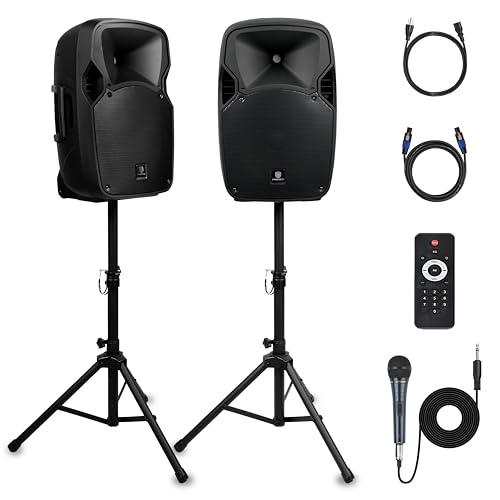
Before diving into connection methods, it’s essential to understand the types of outdoor speakers available. There are two primary categories: passive and active speakers. Passive speakers require an external amplifier to power them, while active speakers have built-in amplifiers, making them easier to set up. For outdoor parties, active speakers often provide a more convenient solution since they typically require less equipment and are plug-and-play.
Weatherproof features are also crucial when selecting outdoor speakers. Look for speakers that are labeled as weather-resistant or waterproof, as these will withstand the elements, ensuring they last through sun, rain, or even snow. Durability is a key consideration, so check for materials like rust-resistant grills and UV-resistant plastics. This way, your investment will continue to shine at outdoor parties for years to come.
Choosing the Right Connection Method
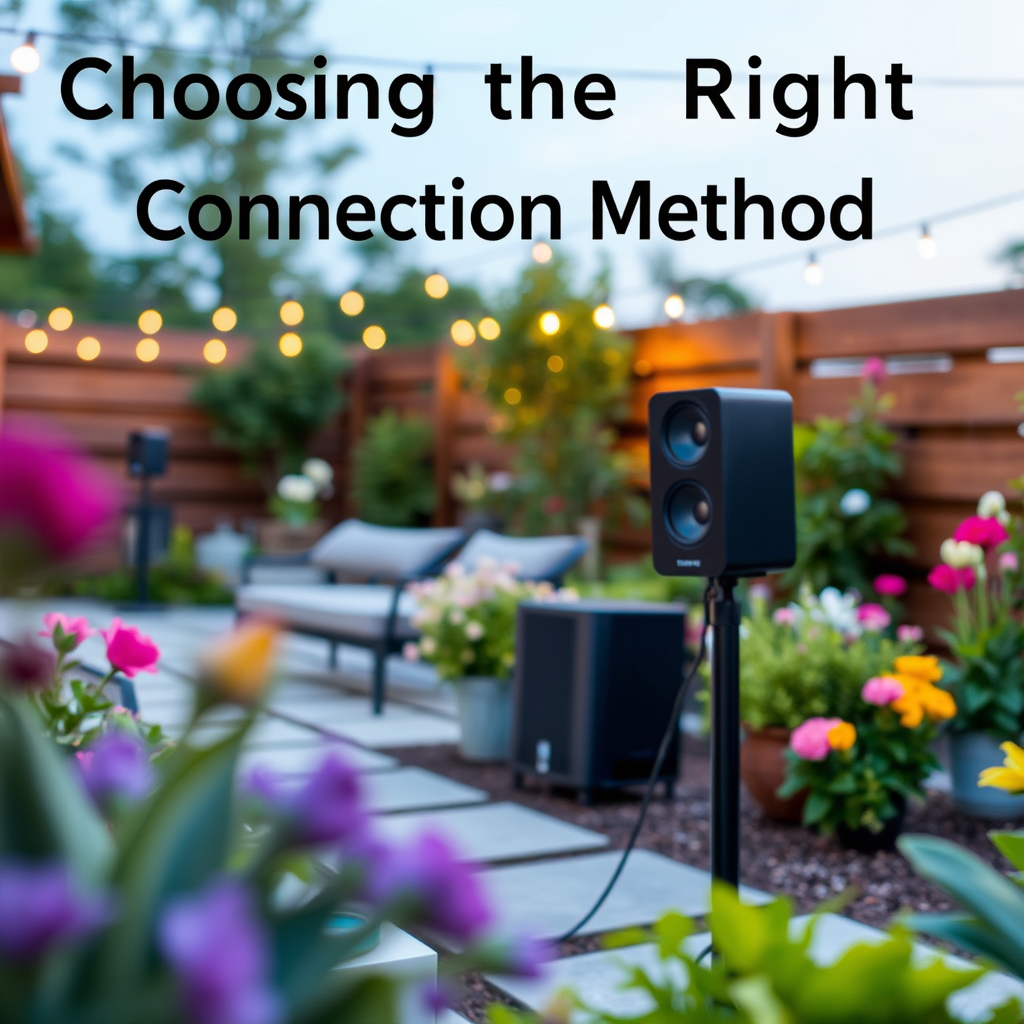
When it comes to connecting multiple outdoor speakers, you have two primary options: wired and wireless connections. Wired connections usually provide better sound quality and reliability, as they are less susceptible to interference. However, they can be cumbersome, especially if you have a large outdoor area to cover.
On the other hand, wireless options, such as Bluetooth and Wi-Fi, offer flexibility and ease of setup. They eliminate the need for running cables across your yard, making them ideal for spontaneous gatherings. When deciding between wired and wireless, consider factors such as speaker distance, power source availability, and the overall layout of your outdoor space. For larger areas, you might find that a combination of wired and wireless setups works best.
Setting Up Wired Connections
If you decide to go the wired route, setting up your speaker connections effectively is vital for ensuring quality sound. Start by measuring the distances between your audio source and each speaker location to determine how much wire you’ll need. Once you have your measurements, purchase high-quality speaker wire. A gauge of 16 or lower is typically recommended for longer runs to maintain sound quality and reduce signal loss.
Running the speaker wires can be straightforward. Use cable clips to secure the wires along fences or walls, keeping them neat and out of the way. If you’re burying the wire for added protection, ensure it’s rated for underground use. After connecting the wires to your speakers and audio source, conduct a sound test to check for any issues, making adjustments as necessary.
Setting Up Wireless Connections
Setting up wireless connections can be a fun and straightforward process. For Bluetooth speakers, start by ensuring that each speaker is fully charged or plugged in. Then, pair them with your audio source, such as a smartphone or tablet. Keep in mind that Bluetooth has a limited range, usually around 30 feet, so if your outdoor area is larger, you might need to consider additional Bluetooth extenders or a multi-room Bluetooth system.
If you’re looking for a more extensive setup with better sound quality, Wi-Fi-enabled systems are an excellent choice. These systems often allow multiple speakers to connect simultaneously and can be controlled through apps on your smartphone. They also provide a broader range than Bluetooth, allowing you to move freely without worrying about losing connection. Brands like Sonos and Bose offer Wi-Fi-enabled outdoor speakers, making it easy to create a seamless audio experience across your outdoor space.
Configuring the Audio Source
Choosing the right audio source is crucial for a successful party atmosphere. Whether you opt for a smartphone, tablet, or computer, it’s essential to ensure that your device can handle multiple audio sources if you’re connecting several speakers. Look for apps that allow you to manage playlists easily, such as Spotify or Apple Music, which can help you tailor your music selection for your gathering.
If you plan to connect multiple audio sources, consider using a mixer. A mixer can help you balance sound levels between different inputs, ensuring a harmonious listening experience. This way, you can play different music on different speakers or create a cohesive sound across all your outdoor speakers.
Testing and Troubleshooting
Once everything is connected, it’s time to test your setup. Walk around the outdoor space to check for sound quality and volume balance across all speakers. Adjust the volume levels on each speaker to ensure that one isn’t overpowering the others. If you notice any dropouts or static, it might be due to interference or distance issues, particularly with wireless connections.
Common troubleshooting tips include checking the battery levels of your Bluetooth speakers, ensuring that your Wi-Fi connection is strong, and verifying that all cables are securely connected. If a speaker isn’t working, try moving it closer to the audio source or resetting the connection. Being proactive in testing and troubleshooting will save you stress during your party.
Enhancing Your Sound Experience
To take your outdoor sound experience to the next level, consider investing in a sound mixer. A mixer not only allows for better control over your audio levels but also enables you to add effects or adjust EQ settings for optimal sound quality. This can make a significant difference, especially if you have live performances or want to create a specific ambiance with your music.
Additionally, strategic placement of your speakers can greatly enhance sound distribution. Aim to position speakers at least a few feet off the ground and avoid placing them directly against walls or corners, which can create sound reflections and muddy the audio quality. Instead, try to angle the speakers towards the main gathering area for the best listening experience.
Summarizing the best ways to connect multiple outdoor speakers ensures that your party is a hit. Whether you opt for wired or wireless options, following the outlined steps will help you create an engaging musical atmosphere. Now that you know how to set up your outdoor sound system, it’s time to gather your speakers and get the party started!
Frequently Asked Questions
What equipment do I need to connect multiple outdoor speakers for a party?
To connect multiple outdoor speakers for a party, you’ll need several key pieces of equipment. First, ensure you have compatible outdoor speakers, either wired or wireless. For wired setups, a quality amplifier or receiver is essential to power the speakers and a speaker wire to connect them. If you opt for wireless speakers, a reliable Bluetooth or Wi-Fi connection is necessary, along with a compatible device to stream music.
How do I wire multiple outdoor speakers together?
To wire multiple outdoor speakers together, start by determining the total impedance load your amplifier can handle. Use speaker wire to connect the positive and negative terminals of each speaker in a series or parallel configuration, depending on your desired impedance. Make sure to maintain polarity—connecting all positive terminals together and all negative terminals together—to ensure sound clarity. Finally, secure all connections and test the system before your party to ensure everything works properly.
Why is it important to use an amplifier when connecting outdoor speakers?
Using an amplifier when connecting outdoor speakers is crucial for maintaining sound quality and volume. An amplifier boosts the audio signal, allowing your speakers to produce clear and powerful sound over larger distances, which is especially important in outdoor settings. Without an amplifier, your speakers may not perform optimally, leading to weak audio output and distortion, especially in larger areas where more power is needed.
What is the best way to set up multiple outdoor speakers for a party?
The best way to set up multiple outdoor speakers for a party is to strategically place them around the area to ensure even sound distribution. Begin by positioning speakers at least 8-10 feet apart and aim them towards the center of the gathering space. Consider using a mix of wired and wireless options for flexibility, and test the sound levels to avoid any dead zones. Additionally, keep in mind the power source availability and ensure that all speakers are compatible with your audio system.
Which wireless technology is best for connecting outdoor speakers at a party?
The best wireless technology for connecting outdoor speakers at a party typically includes Bluetooth and Wi-Fi. Bluetooth is user-friendly and ideal for small gatherings, allowing you to stream music directly from your device. However, for larger spaces and more speakers, Wi-Fi systems like Sonos or other multi-room audio solutions provide superior sound quality and range. Choose the technology that best fits your setup needs and the size of your outdoor area for optimal audio experience.
References
- Sound system
- Secrets of Home Theater and High Fidelity
- https://www.audioholics.com/home-theater-education/how-to-connect-multiple-speakers
- https://www.crutchfield.com/S-4dD0M0G9L8D/learn/how-to-connect-multiple-speakers.html
- https://www.sweetwater.com/insync/how-to-connect-multiple-speakers/
- https://www.techhive.com/article/230066/how-to-set-up-a-multi-room-audio-system.html
- https://www.cnet.com/home/audio/how-to-set-up-a-multi-room-audio-system/




[…] obvious in home theaters where viewers sit nearer, screens are larger, and playback is controlled (wired connections, consistent Wi‑Fi, and titles known to be available in higher […]
[…] device or basic home service, a modem is the clear first requirement. If you need Wi‑Fi, multiple wired connections, and built-in security features, a gateway is usually the better fit. The key question this article […]
[…] (wired backhaul) and set the secondary router to the correct role. In 2025, I still recommend wired connections first whenever the building layout allows it, because they eliminate the “wireless bridge” […]
[…] router performance by measuring speed, latency (including jitter), and throughput on both wired and wireless connections—then repeating tests under load to isolate the real bottleneck. In my own hands-on […]
[…] cause is usually Wi‑Fi interference, range, or router wireless configuration. If both wired and wireless connections drop, focus on modem/ISP line health (signal levels and sync behavior) and WAN session stability. […]
[…] (RSSI, link rate, noise) for modem Wi‑Fi connections, which directly impacts performance. For wired connections, use the modem’s admin dashboard or management app since the signal-quality data is typically […]