
Soundproofing is essential for maximizing your home theater experience, as it minimizes external noise and enhances audio clarity. By effectively soundproofing your space, you can enjoy immersive sound without interruptions. This article will guide you through practical soundproofing techniques to create the ultimate viewing experience.
Understanding Soundproofing Basics
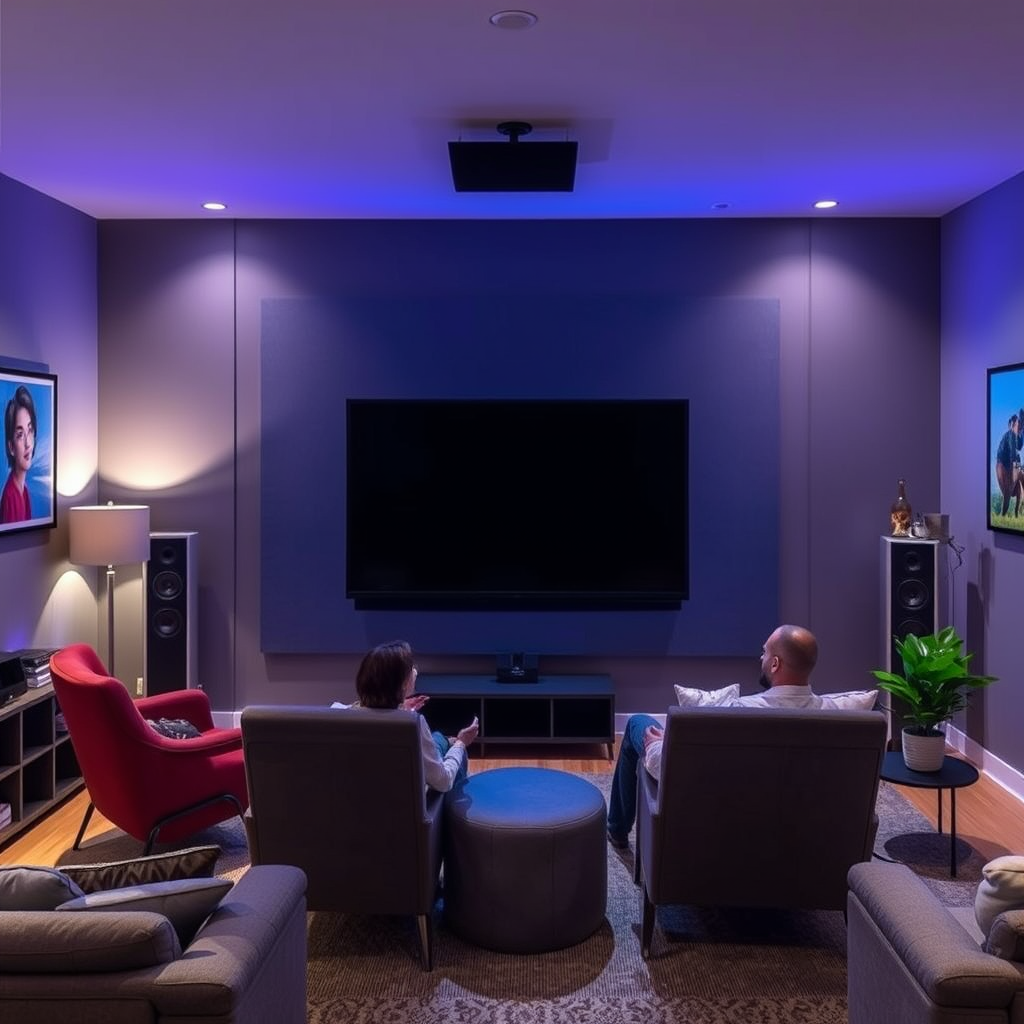
Soundproofing is the process of reducing sound transmission between spaces, ensuring that audio quality remains high without the interference of external noise. The primary goal of soundproofing is to control sound absorption, sound reflection, and sound insulation within a given area. Different frequencies of sound require different soundproofing strategies, which can include adding mass, damping, or decoupling materials. For instance, lower frequencies, like those from bass-heavy audio equipment, often require added density to block sound waves effectively. Conversely, higher frequencies may be managed through sound-absorbing materials that can minimize echo and reverberation within the room.
Understanding these basics is crucial for selecting the right materials and techniques for your home theater. The effectiveness of your soundproofing efforts can significantly influence your overall audio experience, allowing for clearer dialogue and a more immersive environment.
Assessing Your Home Theater Space
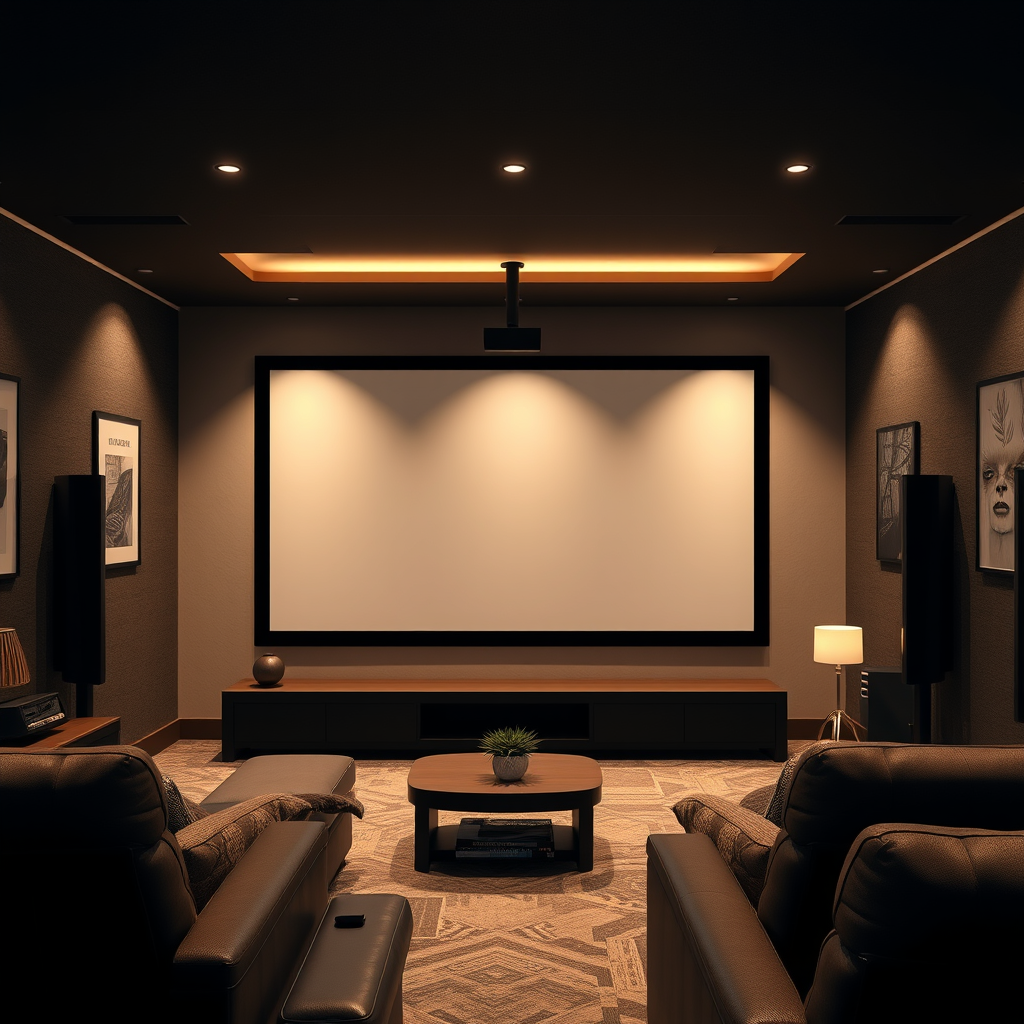
Before implementing soundproofing solutions, it is vital to assess your home theater space thoroughly. Start by identifying areas where sound leakage occurs, such as doors, windows, and walls. Check for gaps around windows and doors, as these can be significant sources of noise infiltration. Moreover, evaluating the size and shape of your room will help you determine the optimal soundproofing solutions.
For example, a rectangular room may create sound waves that bounce off walls, leading to echoes. In contrast, a square room may have standing waves that affect sound quality. Understanding the acoustics of your space will guide your soundproofing decisions and help you achieve the best audio experience possible.
Essential Soundproofing Materials
When it comes to soundproofing, the right materials make all the difference. Here are some essential materials to consider:
– Acoustic Panels: These panels absorb sound waves, preventing them from bouncing around the room and reducing echoes. They come in various designs and can enhance the aesthetics of your home theater while improving sound quality.
– Mass-Loaded Vinyl (MLV): This heavy material adds density to walls, effectively blocking sound. MLV is particularly useful in walls and ceilings where sound transmission is a concern.
– Soundproofing Insulation: Installing insulation in walls and ceilings can significantly reduce sound transmission. Look for materials specifically designed for soundproofing, such as mineral wool or fiberglass insulation.
– Resilient Channels: These metal channels are installed between the drywall and the wall studs to help decouple the drywall from the structure, reducing sound transmission.
– Acoustic Caulk: This type of caulk is designed for sealing gaps and cracks in walls, around windows, and at door frames, providing an airtight seal that minimizes sound leaks.
📋 DATA
Top Soundproofing Materials for Home Theaters (2024)
| # | Material | Sound Absorption (NRC) | Cost per Square Foot | Installation Difficulty |
|---|---|---|---|---|
| 1 | Acoustic Panels | 0.80 | $2.50 | Easy |
| 2 | Mass-Loaded Vinyl | 0.95 | $3.00 | Moderate |
| 3 | Soundproofing Insulation | 0.85 | $1.75 | Challenging |
| 4 | Resilient Channels | 0.70 | $2.00 | Moderate |
| 5 | Acoustic Caulk | 0.60 | $0.80 | Easy |
| 6 | Double Drywall | 0.75 | $3.50 | Challenging |
| 7 | Acoustic Flooring | 0.90 | $4.00 | Moderate |
📈 CHART
Cost-Effectiveness of Soundproofing Materials
DIY Soundproofing Techniques
For those inclined to tackle soundproofing as a DIY project, several methods can effectively reduce noise without breaking the bank. Here are some practical techniques:
– Weatherstripping: Apply weatherstripping around doors and windows to seal gaps that allow sound to leak in. This inexpensive solution can significantly reduce noise ingress.
– Thick Curtains: Hang heavy drapes or sound-absorbing curtains over windows. Not only do they enhance the room’s aesthetics, but they also absorb sound waves, reducing external noise interference.
– Rugs and Carpets: Adding area rugs or wall-to-wall carpeting helps absorb sound, especially in rooms with hard flooring. The textile material reduces echoes and enhances the overall acoustic quality.
– Bookshelves and Furniture: Strategically placing bookshelves filled with books or other heavy furniture against walls can act as additional sound barriers. They can absorb sound and help diffuse audio waves, resulting in a more balanced sound environment.
– DIY Acoustic Panels: If you’re feeling creative, consider making your own acoustic panels using inexpensive materials such as foam or fabric-covered plywood. These can be mounted on walls to improve sound absorption.
Professional Soundproofing Solutions
While DIY methods can be effective, sometimes professional input is necessary for optimal results. Consulting with soundproofing experts can help you explore advanced techniques that cater to the specifics of your space. Some professional solutions include:
– Floating Floors: This technique involves installing a floor that is not directly attached to the subfloor, reducing sound transmission between floors. This is especially useful in multi-story homes.
– Soundproof Drywall: Upgrading to specialized soundproof drywall can significantly reduce sound infiltration. This type of drywall contains materials designed to dampen sound waves.
– Acoustic Ceiling Tiles: Installing acoustic ceiling tiles can aid in sound absorption, particularly in rooms with high ceilings. These tiles are designed to reduce reflection and reverberation.
When considering professional solutions, it is essential to weigh the costs against the benefits. Hiring experts may incur additional expenses, but the results can be well worth the investment, especially for those seeking a pristine audio environment.
Enhancing Acoustic Quality
In addition to soundproofing, enhancing the acoustic quality of your home theater is crucial. Here are some tips to achieve a better audio experience:
– Incorporate Rugs and Soft Furnishings: Soft furnishings not only improve the aesthetic appeal of your space but also help reduce echoes. Consider adding upholstered furniture, plush cushions, and thick rugs.
– Strategic Furniture Placement: The arrangement of furniture can significantly affect sound quality. Ensure that speakers are positioned correctly, ideally at ear level, and consider the use of furniture to help diffuse sound.
– Use Bass Traps: If you notice issues with bass resonance, consider installing bass traps in the corners of your room. These can help manage low-frequency sounds, providing a more balanced listening experience.
– Experiment with Sound Sources: Finally, don’t hesitate to experiment with different sound sources and speaker setups. Sometimes, minor adjustments can lead to significant improvements in sound quality.
Maintaining Your Soundproofed Home Theater
Once your home theater is soundproofed, regular maintenance is essential to ensure the effectiveness of your efforts. Here are some tips for maintaining your soundproofing materials:
– Regular Inspections: Periodically check the integrity of soundproofing materials. Look for signs of wear, damage, or gaps that may have developed over time.
– Update or Replace Materials: As materials age, their effectiveness can diminish. Be proactive in updating or replacing soundproofing materials as needed to maintain optimal sound quality.
– Monitor Acoustics: As you make changes to your home theater, such as adding new speakers or furniture, re-evaluate the room’s acoustics. Adjust your soundproofing strategy accordingly to ensure continued effectiveness.
By implementing these soundproofing strategies, you can significantly improve your home theater experience. From understanding the basics to applying effective materials and techniques, these insights will help you create a space where sound reigns supreme. Start your soundproofing project today and enjoy a cinematic experience in the comfort of your own home!
Frequently Asked Questions
What are the best soundproofing materials to use for a home theater?
The best soundproofing materials for a home theater include acoustic panels, soundproof curtains, and mass-loaded vinyl. Acoustic panels absorb sound waves and reduce echo, while soundproof curtains block outside noise and add aesthetic appeal. Mass-loaded vinyl is a dense material that can be installed in walls or ceilings to effectively block sound transmission.
How can I soundproof my home theater on a budget?
You can soundproof your home theater on a budget by using DIY solutions such as weather stripping around doors and windows, adding rugs or carpets for floor insulation, and utilizing heavy blankets or quilts as temporary sound barriers. Additionally, rearranging furniture to create barriers can also help in minimizing sound reflection and absorption.
Why is soundproofing important for a home theater experience?
Soundproofing is crucial for a home theater experience as it enhances audio quality by minimizing external noise and preventing sound leakage. This creates an immersive environment where you can enjoy movies and music without distractions, ensuring that dialogue and sound effects are clear and impactful.
Which areas of my home theater should I focus on for effective soundproofing?
Focus on soundproofing the walls, ceiling, and floor of your home theater for the most effective results. Walls can be treated with acoustic panels or soundproof drywall, while the ceiling may benefit from soundproofing tiles. Additionally, using thick carpets or acoustic underlayment on the floor can mitigate sound transmission.
How can I test the effectiveness of my soundproofing efforts?
To test the effectiveness of your soundproofing efforts, you can perform a simple sound test by playing audio at a high volume and checking for sound leakage outside the room. Additionally, consider using a decibel meter app to measure sound levels before and after soundproofing, helping you evaluate the improvements in sound isolation achieved in your home theater.
References
- Soundproofing
https://en.wikipedia.org/wiki/Soundproofing - https://www.sciencedirect.com/topics/engineering/soundproofing
https://www.sciencedirect.com/topics/engineering/soundproofing - https://www.britannica.com/technology/soundproofing
https://www.britannica.com/technology/soundproofing - https://www.nbn.org/Research-Resource/Articles/Soundproofing-Your-Home-Theater
https://www.nbn.org/Research-Resource/Articles/Soundproofing-Your-Home-Theater - https://www.ncbi.nlm.nih.gov/pmc/articles/PMC5574852/
https://www.ncbi.nlm.nih.gov/pmc/articles/PMC5574852/ - Google Scholar Google Scholar
https://scholar.google.com/scholar?q=Soundproofing+home+theater+experience - Google Scholar Google Scholar
https://scholar.google.com/scholar?q=acoustic+treatment+home+theater - Google Scholar Google Scholar
https://scholar.google.com/scholar?q=soundproofing+techniques+for+home+theater - https://www.acoustics.org/press/174th/overview/174th_overview.html
https://www.acoustics.org/press/174th/overview/174th_overview.html - Google Scholar Google Scholar
https://scholar.google.com/scholar?q=How+to+Use+Soundproofing+to+Improve+Your+Home+Theater+Experience
