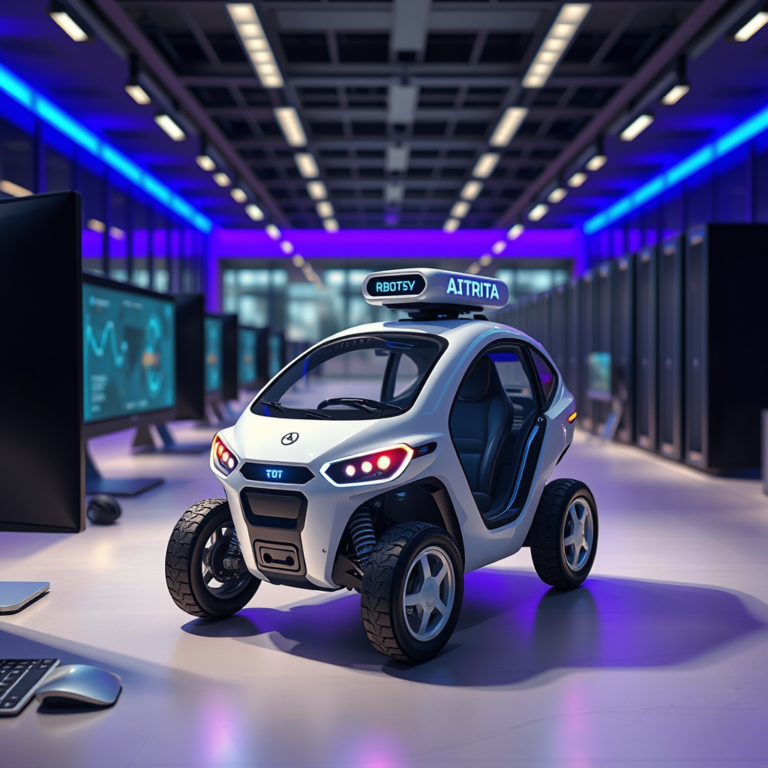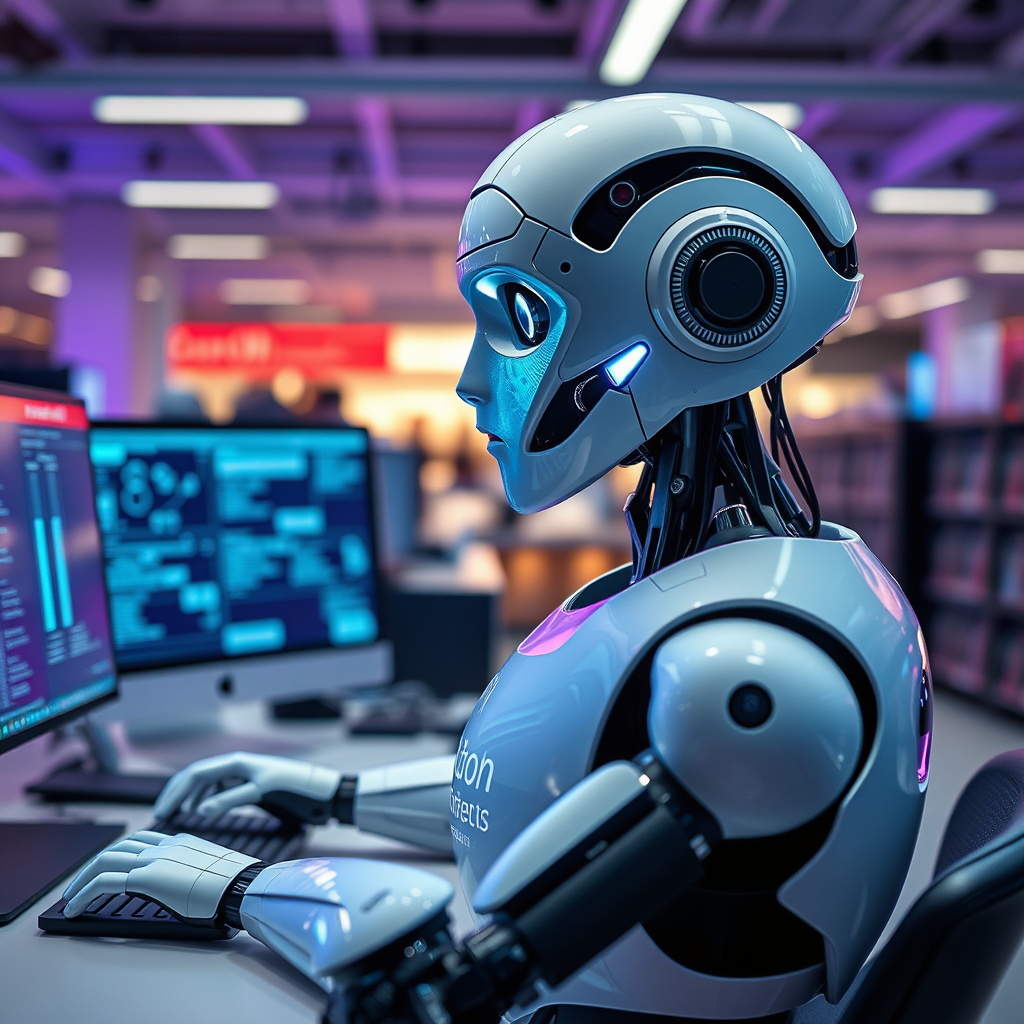

Humanoid robots are revolutionizing the retail industry by enhancing customer experiences, streamlining operations, and reducing labor costs. As these advanced machines become increasingly integrated into stores, they offer innovative solutions that not only improve efficiency but also create engaging shopping environments. In this article, you will discover how humanoid robots are being utilized in retail, their numerous benefits, the challenges they face, and what the future holds for this fascinating intersection of technology and commerce.
The Rise of Humanoid Robots in Retail
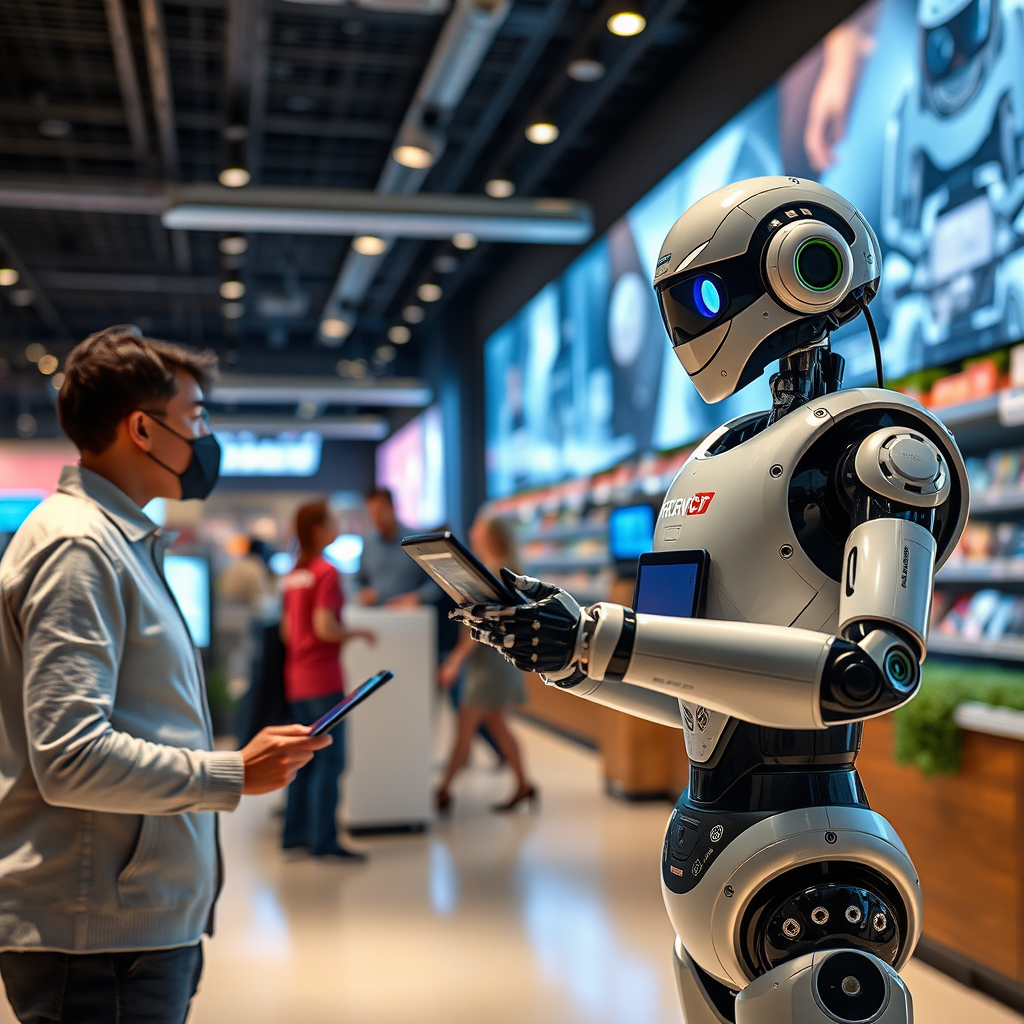
The adoption of humanoid robots in retail settings has surged in recent years, driven by technological advancements and the need for businesses to adapt to changing consumer behaviors. According to a report by the International Federation of Robotics, the global market for service robots, which includes humanoid robots, is expected to grow by over 20% annually through 2025. Retailers are leveraging these robots to handle tasks ranging from customer interaction to inventory management, showcasing the versatility and growing acceptance of robotic technology in everyday shopping experiences. Notable deployments have occurred across various sectors, including grocery stores, fashion outlets, and electronics retailers, illustrating a broadening scope of applications.
Enhancing Customer Experience
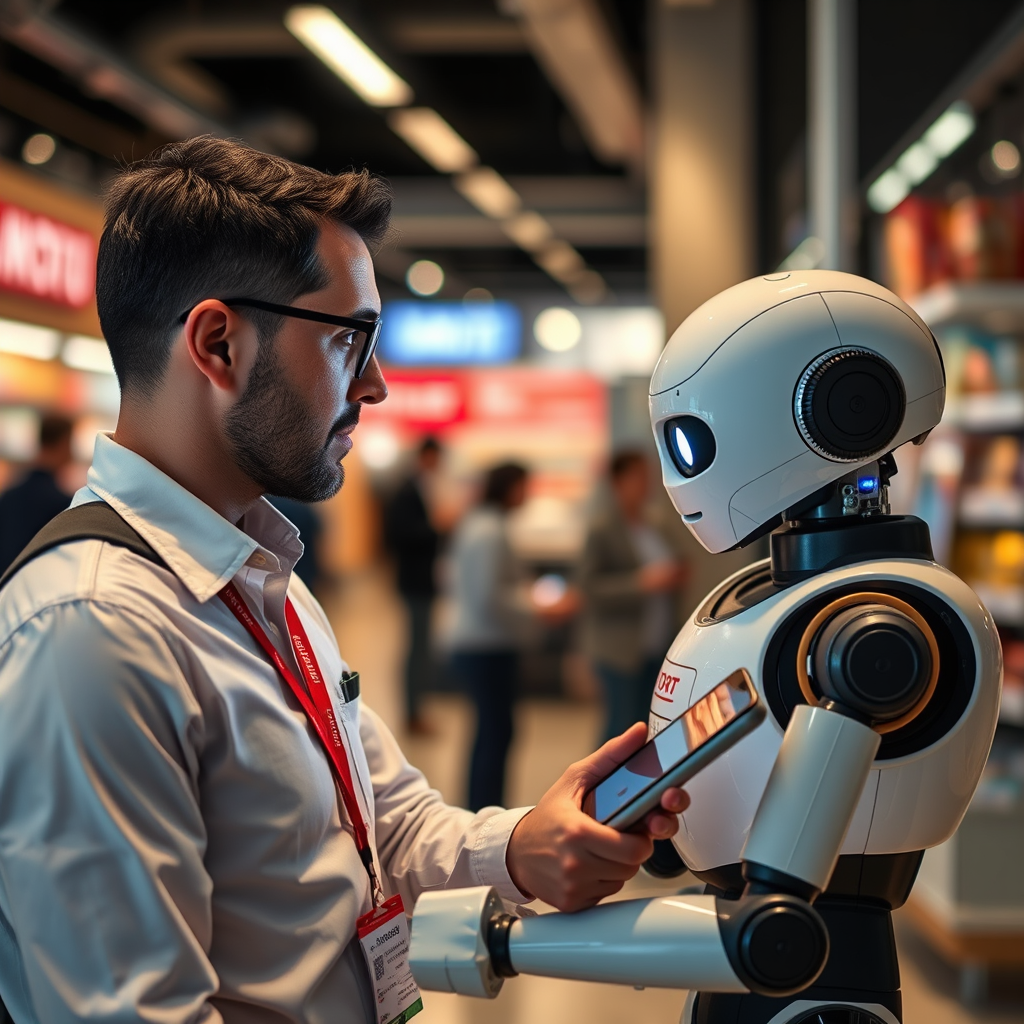
Humanoid robots are designed to engage with customers in ways that enhance their overall shopping experience. For example, robots like SoftBank’s Pepper are programmed to interact with shoppers, offering product information, answering questions, and even recommending items based on individual preferences. These engaging interactions not only assist customers but also create a unique and memorable shopping environment that fosters loyalty.
Retailers are increasingly incorporating interactive features, such as touch screens and voice recognition, that allow customers to request assistance or access information quickly. For instance, Lowe’s has deployed robots in stores to help customers locate products, providing a seamless shopping experience that streamlines the process. The result is happier customers who are more likely to return, as well as an increase in brand loyalty driven by personalized experiences.
Streamlining Operations
Beyond customer engagement, humanoid robots are playing a crucial role in automating routine tasks within retail environments. Tasks such as inventory management, restocking shelves, and even checkout processes can be efficiently managed by robots, freeing up human employees to focus on higher-value activities. For example, companies like Walmart are piloting robots that can scan shelves to track inventory levels and identify out-of-stock items, allowing for timely restocking and improved inventory accuracy.
The benefits of robotic assistance in operations are significant, including enhanced efficiency and precision. Robots can work tirelessly, performing repetitive tasks without fatigue, leading to faster service delivery and reduced wait times for customers. In turn, this not only boosts productivity but also helps to optimize labor costs—a critical factor in today’s competitive retail landscape.
Cost Reduction and Economic Impact
Deploying humanoid robots in retail environments can lead to substantial cost savings for businesses. By automating various tasks, retailers can reduce the number of staff needed for routine operations, ultimately lowering labor costs. A study conducted by McKinsey found that automating tasks in retail could lead to a reduction in operational costs by up to 30% over time.
However, this shift does raise important conversations about employment and the workforce. While some positions may be displaced by robotic automation, new opportunities are also created in areas such as robot maintenance, programming, and customer service. Retailers must navigate this transition carefully, ensuring they provide support and training for employees to adapt to the evolving job landscape. When managed effectively, the integration of humanoid robots can lead to a more efficient and dynamic retail environment.
Challenges and Limitations
Despite the promising potential of humanoid robots in retail, there are challenges and limitations that retailers must consider. Technical issues, such as software glitches or hardware malfunctions, can disrupt operations and lead to customer frustration. Furthermore, the initial investment required for deploying these advanced technologies can be a barrier for some businesses, particularly small and medium-sized enterprises.
Public perception also plays a significant role in the successful adoption of humanoid robots in retail spaces. Some customers may feel uncomfortable interacting with robots, preferring the human touch in customer service. Retailers need to strike a balance, ensuring that the use of robots complements rather than replaces human interaction. Building trust and familiarity with robotic technology will be essential for its long-term acceptance.Future Trends in Retail Robotics
Looking ahead, the future of humanoid robots in retail is filled with exciting possibilities. As artificial intelligence and robotics technology continue to advance, we can expect to see robots that are even more capable of understanding and responding to customer needs. Enhanced AI algorithms will enable robots to learn from interactions, adapting their responses to provide increasingly personalized experiences.
Moreover, the integration of advanced technologies, such as machine learning and computer vision, will allow robots to better navigate complex retail environments and engage with customers in more sophisticated ways. We might also see the emergence of collaborative robots, working alongside human employees to enhance productivity and service delivery. These trends indicate a future where humanoid robots play an integral role in shaping retail landscapes, creating innovative shopping experiences that cater to the evolving preferences of consumers.
Case Studies of Successful Implementations
Several retailers have already embraced humanoid robots with great success. For instance, the Japanese convenience store chain Lawson has introduced humanoid robots named “Lawson Robi” that assist customers in locating products, providing information about promotions, and even guiding them through the checkout process. The positive feedback from customers has shown that these robots enhance the overall shopping experience, leading to increased foot traffic and sales.
Another notable example is the fashion retailer Uniqlo, which has utilized robots for inventory management and restocking in select stores. By automating these processes, Uniqlo has improved efficiency and ensured that shelves are always stocked with the latest trends, creating a more appealing shopping environment. These implementations not only illustrate the potential benefits of humanoid robots but also provide valuable lessons on how to integrate technology into retail operations effectively.
The integration of humanoid robots in the retail industry is not just a trend; it represents a significant shift that is set to redefine how businesses operate and interact with customers. As these technologies continue to evolve, retailers must stay informed about the advancements and be prepared to adapt to the changing landscape. By embracing the future of retail through the possibilities that humanoid robots offer, businesses can create more engaging, efficient, and customer-centric shopping experiences.
Frequently Asked Questions
What are the benefits of using humanoid robots in the retail industry?
Humanoid robots in the retail industry offer numerous benefits, including enhanced customer service, operational efficiency, and personalized shopping experiences. These robots can assist customers by answering queries, providing product information, and guiding them through stores, which helps reduce wait times and improve satisfaction. Additionally, humanoid robots can streamline inventory management and data collection, allowing retailers to optimize stock levels and understand consumer behavior more effectively.
How are humanoid robots transforming customer service in retail?
Humanoid robots are transforming customer service in retail by providing 24/7 assistance, engaging customers in interactive ways, and handling routine inquiries. They can greet customers, assist with product searches, and even process transactions, freeing up human employees to focus on more complex tasks. This technological integration not only enhances the shopping experience but also allows retailers to gather valuable data on customer preferences and trends.
Why should retailers invest in humanoid robots?
Retailers should consider investing in humanoid robots to stay competitive in a rapidly evolving market. These robots can improve operational efficiency, reduce labor costs, and provide unique experiences that attract customers. Furthermore, with consumers increasingly favoring technology-driven interactions, deploying humanoid robots can position a brand as innovative, potentially increasing customer loyalty and sales.
Which retailers are currently using humanoid robots, and how?
Several retailers are at the forefront of using humanoid robots, including Walmart, Lowe’s, and Alibaba. For example, Walmart has implemented robots for inventory scanning and customer assistance, while Lowe’s uses robots to help customers find products in-store. Alibaba has launched humanoid robots that can interact with shoppers and provide product recommendations. These implementations showcase the versatility of humanoid robots in enhancing customer engagement and operational efficiency.
What challenges do retailers face when implementing humanoid robots?
Retailers face several challenges when implementing humanoid robots, including high initial costs, technical limitations, and the need for employee training. Integrating robots into existing workflows can be complex, and ensuring that they function seamlessly with human staff is crucial. Additionally, retailers must address customer acceptance and concerns about privacy and data security, making it essential to communicate the benefits of humanoid robots effectively while ensuring compliance with regulations.
References
- Humanoid robot
- https://www.bbc.com/news/technology-55140189
- https://www.sciencedirect.com/science/article/abs/pii/S0927538X20300251
- https://www.reuters.com/technology/robots-retail-store-2021-02-09/
- https://www.forbes.com/sites/bernardmarr/2021/10/18/how-humanoid-robots-are-transforming-the-retail-industry/?sh=4f1b8a3e6e4c
- https://www.npr.org/2021/03/02/972693166/humanoid-robots-are-the-future-of-retail
- https://www.technologyreview.com/2020/09/23/1007593/robots-in-retail/
- https://www.theguardian.com/technology/2021/jan/14/robots-in-retail-customer-service
- https://www.jstor.org/stable/10.5325/jtechtalk.3.1.0001