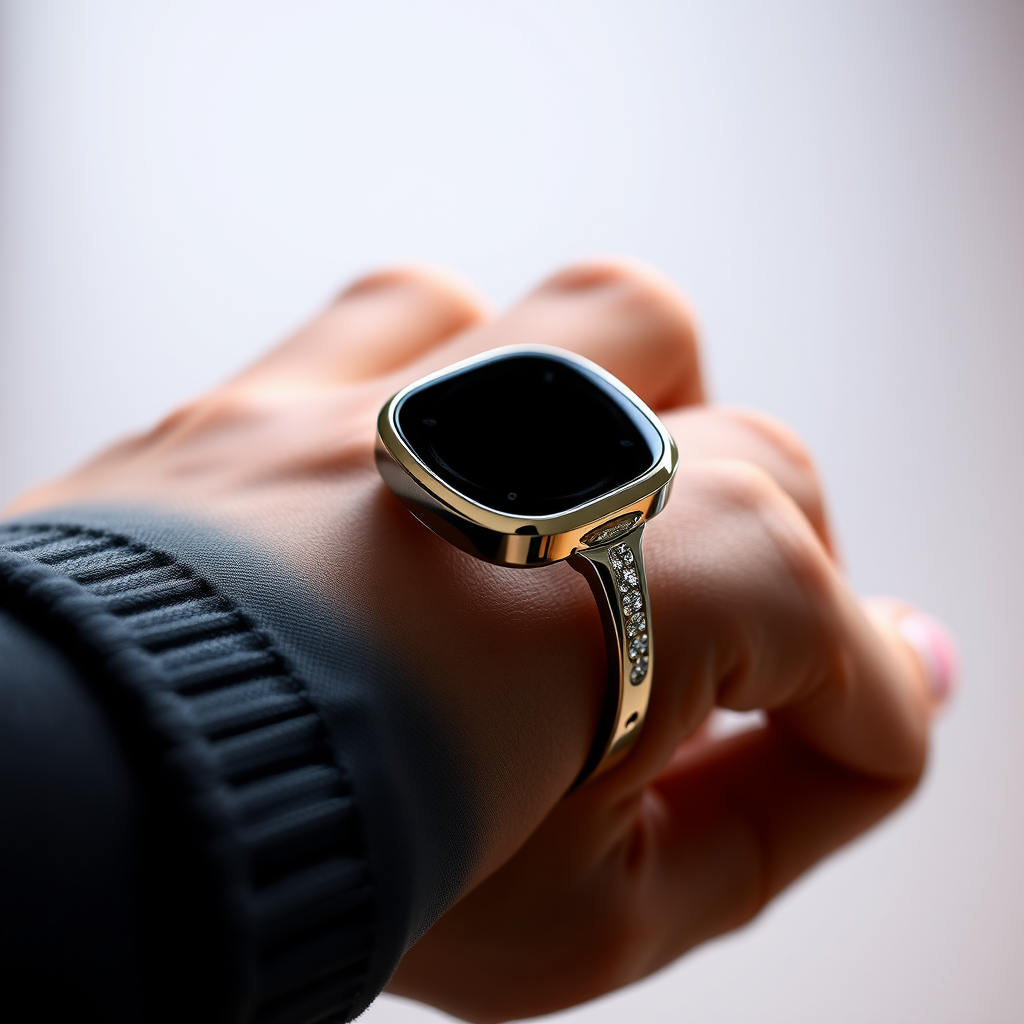

Smart rings are revolutionizing the way we monitor our health, providing a convenient and efficient means of tracking blood pressure in real-time. With these innovative devices, users can access crucial health insights that foster proactive health management and enable personalized wellness strategies. In this article, we’ll delve into the fascinating technology behind smart rings, their numerous benefits, key features to consider when choosing one, popular models available in the market, and how they can be seamlessly integrated with health apps for comprehensive monitoring.
How Smart Rings Measure Blood Pressure

Smart rings utilize cutting-edge technology to measure blood pressure, primarily through pulse wave analysis. This method evaluates the way blood flows through your arteries and uses that information to provide insights into your blood pressure levels. Advanced sensors embedded within the ring are capable of detecting minute changes in blood volume and pressure, which is essential for accurate monitoring.
One common technology used is photoplethysmography (PPG), which employs light sensors to measure blood volume changes in microvascular tissues. When your heart beats, the volume of blood in your finger fluctuates, and the smart ring captures these changes to assess your blood pressure. This non-invasive method allows for continuous monitoring without the discomfort often associated with traditional cuff-based blood pressure measurements. As a result, users can gain a clearer picture of their cardiovascular health throughout the day, capturing fluctuations that may go unnoticed during sporadic checks.
Benefits of Using Smart Rings for Blood Pressure Monitoring

The benefits of incorporating smart rings into your health routine are manifold. First and foremost, these devices provide continuous monitoring, allowing users to track their blood pressure fluctuations throughout the day. This real-time data can empower individuals to make informed decisions about their health and lifestyle choices.
Moreover, smart rings can play a crucial role in early detection of hypertension and other cardiovascular issues. By consistently tracking blood pressure, users can identify patterns and anomalies that may require medical attention, promoting timely interventions. This proactive approach can lead to better health outcomes and potentially reduce the risk of serious health complications down the line.
Additionally, many smart rings offer features like reminders to take readings, personalized insights based on trends, and even integration with health coaching services. This combination of features helps users stay engaged and motivated to prioritize their cardiovascular health.
Key Features to Look for in Smart Rings
When considering the purchase of a smart ring, there are several key features to keep in mind. Accuracy is paramount; you’ll want a device that provides reliable measurements. Look for smart rings that have been clinically validated for blood pressure monitoring, ensuring that the sensors used deliver precise and trustworthy data.
Battery life is another critical factor. Some smart rings last only a few days on a single charge, while others can go for weeks. Depending on your lifestyle and how often you plan to use the device, battery longevity can greatly influence your experience.Comfort and design are also essential. A smart ring should feel natural and unobtrusive on your finger, whether you’re working, exercising, or sleeping. Look for options that come in different sizes and styles to suit your personal preferences and daily activities.
Finally, consider the connectivity features. Smart rings that can easily connect to other devices and health apps offer more comprehensive health tracking capabilities, allowing you to analyze your data more effectively.
Popular Next-Gen Smart Rings on the Market
As the smart ring market grows, several brands have emerged as leaders in the industry. Oura and Motiv are two of the most well-known names, each offering unique features that cater to different user needs.
Oura Ring, for instance, is celebrated for its holistic health tracking, which includes not only blood pressure monitoring but also sleep quality, activity levels, and readiness scores. The sleek design and advanced sensor technology make it a popular choice among health enthusiasts.
On the other hand, the Motiv Ring focuses on fitness and activity tracking while offering heart rate and blood pressure monitoring. With its lightweight design and customizable fit, it appeals to those who lead an active lifestyle.
When comparing various options, it’s essential to consider factors such as price, user reviews, and the specific features that align with your health goals. Reading user feedback can provide valuable insights into real-world performance and usability, helping you make an informed decision.
Integrating Smart Rings with Other Health Apps
One of the most advantageous aspects of smart rings is their ability to sync data with various health apps, creating a centralized hub for your health information. Many smart rings can connect to popular platforms like Apple Health, Google Fit, or dedicated health management apps. This integration allows users to track not only their blood pressure but also other vital metrics such as heart rate, sleep patterns, and activity levels.
Having all your health data in one place makes it easier to identify trends and correlations between different health factors. For example, if you notice that your blood pressure spikes on days when you’re less active or not sleeping well, this insight can motivate you to adjust your routines for better health outcomes.
Additionally, some health apps offer personalized coaching and recommendations based on the data collected from your smart ring. This feature can provide tailored strategies for improving your overall well-being, making health management more accessible and engaging.
User Experience and Feedback
User experiences with smart rings can vary, but many find them to be a valuable addition to their health routines. Comfort is often highlighted as a significant factor; users appreciate rings that feel light and unobtrusive, allowing them to wear them throughout the day and night without discomfort.Feedback also indicates that many individuals have noticed a positive impact on their health management. For instance, some users have reported successfully lowering their blood pressure after becoming more aware of their daily fluctuations and implementing lifestyle changes based on their smart ring data.
Stories of transformation abound, with users sharing how the device has encouraged them to adopt healthier habits, from increased physical activity to improved sleep hygiene. Whether it’s through accountability or simply having access to actionable data, smart rings empower users to take control of their health.
Future Trends in Smart Ring Technology
The future of smart ring technology is poised for exciting developments. Emerging innovations, such as advanced biosensors and improved AI algorithms, may enhance the functionality of these devices. For instance, researchers are exploring the potential for smart rings to monitor other health metrics, such as blood glucose levels or respiratory rates, expanding their role in comprehensive health monitoring.
Moreover, as technology continues to evolve, we can anticipate more seamless integrations with a wider array of health apps and devices, fostering an even more interconnected health ecosystem. This interconnectedness may allow for better data sharing among healthcare providers and patients, leading to more personalized care.
Predictions also suggest that smart rings will become more customizable, allowing users to tailor features according to their specific health needs and preferences. As wearable technology becomes more mainstream, affordability is likely to increase, making these advanced health tools accessible to a broader audience.
Summarizing the advantages of next-gen smart rings for blood pressure monitoring shows their potential to transform personal health management. With continuous advancements in technology, these devices are becoming essential tools for proactive health care. By exploring the various options available in the market today, you can find a smart ring that fits seamlessly into your health routine, providing you with valuable insights into your well-being and empowering you to take charge of your health.
Frequently Asked Questions
What are next-gen smart rings and how do they monitor blood pressure?
Next-gen smart rings are advanced wearable devices designed to track various health metrics, including blood pressure. These rings utilize sensors and algorithms to measure biometric data such as heart rate variability, arterial stiffness, and other indicators that correlate with blood pressure levels. By collecting this data continuously, smart rings offer users insights into their cardiovascular health and can alert them to potential issues.
How accurate are smart rings in monitoring blood pressure compared to traditional methods?
While next-gen smart rings provide innovative and convenient blood pressure monitoring, their accuracy can vary. Unlike traditional blood pressure cuffs, which are clinically validated, smart rings rely on indirect measurements and algorithms. Users should consider these devices as complementary tools rather than replacements for medical-grade equipment, and it’s essential to consult healthcare professionals for precise blood pressure readings.
Why should I choose a smart ring over a smartwatch for blood pressure monitoring?
Choosing a smart ring over a smartwatch for blood pressure monitoring can be beneficial due to its compact design, comfort, and often more precise tracking of specific health metrics. Smart rings are less intrusive and can be worn 24/7 without the bulkiness associated with smartwatches. Additionally, many smart rings focus on specific health tracking features, offering more refined data for users concerned about their cardiovascular health.
Which features should I look for in a smart ring for effective blood pressure monitoring?
When selecting a smart ring for blood pressure monitoring, look for features such as continuous heart rate tracking, advanced sensors for biometric data, and compatibility with health apps for data visualization. Additionally, consider rings that provide real-time alerts, long battery life, and a comfortable fit, as these factors can enhance your experience and ensure consistent monitoring of your blood pressure.
How can I use data from my smart ring to manage my blood pressure effectively?
To effectively manage your blood pressure using data from your smart ring, start by regularly monitoring and reviewing your readings within the corresponding app. Look for patterns or triggers that may affect your blood pressure, such as stress, diet, or physical activity. Combine this data with lifestyle changes, like exercise, diet modifications, and stress management techniques, and consult with your healthcare provider to create a personalized plan for maintaining optimal blood pressure levels.
References
- https://en.wikipedia.org/wiki/Smart_ring
- https://www.ncbi.nlm.nih.gov/pmc/articles/PMC7531986/
- https://www.sciencedirect.com/science/article/pii/S2352914821001288
- https://www.healthline.com/health/smart-watches-blood-pressure-monitoring
- https://www.forbes.com/health/health-tech/smart-watches-blood-pressure-monitoring/
- https://www.wired.com/story/smart-ring-blood-pressure-monitoring/
- https://www.theguardian.com/healthcare-network/2019/jul/30/technology-tracking-blood-pressure-wearable-devices
- High Blood Pressure | High Blood Pressure | CDC