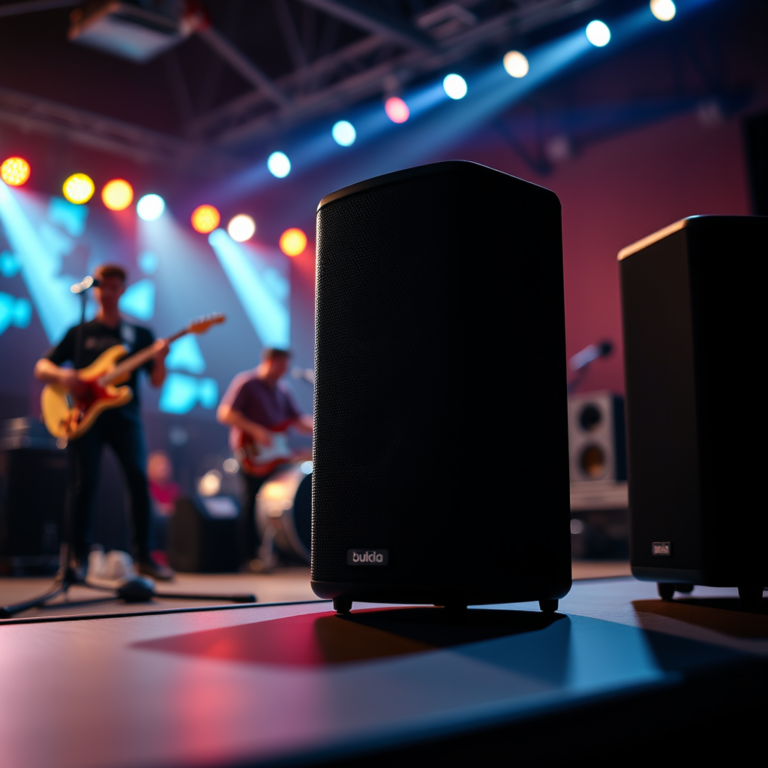
To ensure your speakers remain in top condition and free from damage, proper storage and protection methods are essential. Utilizing the right strategies can significantly extend the life of your audio equipment, preserving both functionality and sound quality. In this article, you will learn effective strategies to safeguard your speakers, from choosing the right storage solutions to maintenance tips that can help you enjoy your audio experience without worry.
Choose the Right Storage Location

The location where you store your speakers plays a critical role in their longevity and performance. Moisture and temperature fluctuations are two significant factors that can lead to deterioration over time.
– Avoid damp or humid areas: Humidity can cause corrosion of electronic components and damage wood finishes, leading to a compromised audio experience. Ideally, speakers should be stored in a dry environment with low humidity. A dehumidifier may be beneficial if you live in a particularly humid area.
– Select a temperature-controlled environment: Extreme temperatures can warp speaker cones and damage internal components. A climate-controlled space, such as an air-conditioned room, is optimal. Avoid placing your speakers near windows, radiators, or heating vents where temperature changes are more likely to occur.
Investing the time to choose a suitable location will pay off in the long run, ensuring your speakers maintain their quality and performance.
Use Quality Speaker Stands or Shelving
Proper support for your speakers not only enhances their aesthetic appeal but also plays a significant role in sound delivery and protection.
– Invest in sturdy speaker stands: Elevating your speakers off the ground can significantly reduce the risk of damage due to vibrations and impacts. Speaker stands designed specifically for your model will often provide the best stability and sound projection.
– Ensure shelves are made from supportive materials: When opting for shelving, select materials that can withstand the weight of your speakers while minimizing resonance. Solid wood or high-density fiberboard shelves are excellent options. Additionally, ensure that the shelves are securely mounted to prevent any tipping or falling.
By using quality stands or shelves, you can create an optimal listening environment while protecting your investment.
Utilize Protective Covers and Cases
Protective gear is essential for safeguarding your speakers from dust, scratches, and impacts.
– Use padded covers or specialized cases: When not in use, particularly for portable or outdoor speakers, padded covers can prevent dust and scratches. These covers are usually lightweight and easy to put on or remove, providing a convenient way to maintain speaker cleanliness.
– Consider weather-resistant cases: If you plan to store speakers outdoors or in a garage, weather-resistant cases can prevent damage from moisture and temperature fluctuations. Look for cases made from durable, waterproof materials with proper insulation.
Implementing protective gear is a proactive way to maintain the integrity of your speakers while not in use.
Top 7 Speaker Brands by Durability Ratings (2024)
| # | Brand | Durability Rating | Warranty Period | Price Range |
|---|---|---|---|---|
| 1 | Bose | ★★★★☆ | 3 Years | $199-$799 |
| 2 | Sonos | ★★★★☆ | 2 Years | $149-$599 |
| 3 | JBL | ★★★☆☆ | 1 Year | $99-$499 |
| 4 | Klipsch | ★★★★☆ | 5 Years | $299-$1,200 |
| 5 | Yamaha | ★★★★☆ | 3 Years | $199-$699 |
| 6 | Polk Audio | ★★★☆☆ | 2 Years | $150-$600 |
| 7 | Audioengine | ★★★★☆ | 3 Years | $199-$799 |
Maintain Cleanliness Regularly
Keeping your speakers clean is critical for maintaining sound quality and extending their lifespan.
– Dust your speakers regularly: Dust can accumulate on speakers, affecting their performance by obstructing sound waves and even damaging components over time. Create a cleaning schedule to ensure that your speakers are dust-free.
– Use a microfiber cloth: When cleaning, always opt for a microfiber cloth, as it is designed to lift and trap dust without scratching the surface. For stubborn marks, slightly dampen the cloth with water or a gentle cleaner specifically made for electronics.
Regular maintenance not only enhances sound quality but also keeps your speakers looking pristine.
Handle with Care During Transportation
Transporting your speakers can pose risks if not done correctly.
– Always secure your speakers properly: When traveling, use a vehicle’s trunk or back seat, ensuring that speakers cannot roll or shift during transit. Consider using safety straps or bungee cords to keep them in place.
– Utilize foam padding or blankets: Wrap your speakers in foam padding or blankets to cushion them from shocks and bumps. This extra layer of protection can prevent scratches and internal damage during transit.
By taking these precautions, you can help ensure your speakers arrive at their destination safely.
Monitor for Signs of Damage
Regular inspections can help you catch potential issues before they escalate into costly repairs.
– Regularly inspect your speakers: Look for signs of wear or damage, such as frayed cables, loose connections, or dents. Early detection of these issues can often lead to easier fixes.
– Address any issues immediately: If you notice any problems, don’t delay in addressing them. Whether it requires a simple fix like replacing a cable or more extensive repairs, acting quickly can prevent further damage.
Continuous monitoring ensures that your speakers remain in optimal condition, allowing for a consistent audio experience.
Climate Considerations for Long-Term Storage
If you need to store your speakers for an extended period, climate control becomes even more critical.
– Consider using silica gel packs: These packs are excellent for absorbing moisture in enclosed spaces where speakers are stored. They can help prevent mold and mildew, which can ruin your speakers over time.
– Rotate or test your speakers periodically: Even in storage, it’s wise to check your speakers every few months to ensure they are still functioning correctly. This practice helps to catch any potential issues before they become serious.
By being mindful of climate considerations, you can protect your speakers even in long-term storage situations.
By following these guidelines, you can effectively protect your speakers from damage and ensure they deliver exceptional sound quality for years to come. Implementing these practices not only enhances performance but also safeguards your investment, allowing you to enjoy your audio experience without worry.
Frequently Asked Questions
What is the best way to store speakers to prevent damage?
The best way to store speakers is to keep them in a cool, dry environment, away from direct sunlight and humidity. Use padded speaker bags or original packaging to provide cushioning and prevent scratches. Additionally, store them upright and avoid stacking heavy items on top to eliminate the risk of physical damage.
How can I protect my speakers from dust and moisture?
To protect your speakers from dust, use speaker covers or cloths that allow for airflow while keeping debris out. For moisture protection, consider using silica gel packs in your storage area to absorb excess humidity. Regularly checking your storage environment will help maintain optimal conditions for your speakers.
Why is it important to use a speaker stand or shelf for storage?
Using a speaker stand or shelf is important because it elevates your speakers off the ground, reducing the risk of damage from spills or impacts. It also minimizes exposure to dust and helps optimize sound quality by placing the speakers at ear level. Proper placement ensures your speakers remain in good condition over time.
Which materials are best for speaker storage?
The best materials for speaker storage include padded fabric or foam for protection against impacts, along with sturdy plastic or wood for shelving. Avoid using metal containers which can trap moisture, and opt for breathable materials that allow airflow. This combination will help keep your speakers safe and preserve their longevity.
What should I avoid when storing my speakers?
When storing your speakers, avoid placing them in areas with extreme temperatures, such as attics or basements, as fluctuations can damage internal components. Additionally, steer clear of storing them in high-traffic areas where they can easily be knocked over. Lastly, don’t cover them with non-breathable materials that can trap moisture and create mold.
References
- Loudspeaker
https://en.wikipedia.org/wiki/Loudspeaker - Loudspeaker | Definition, Types, & Facts | Britannica
https://www.britannica.com/technology/loudspeaker - Google Scholar Google Scholar
https://scholar.google.com/scholar?q=storing+speakers+protection+damage - Google Scholar Google Scholar
https://scholar.google.com/scholar?q=loudspeaker+maintenance+storage - https://www.ncbi.nlm.nih.gov/pmc/articles/PMC6578886/
https://www.ncbi.nlm.nih.gov/pmc/articles/PMC6578886/ - https://www.sciencedirect.com/topics/engineering/loudspeaker
https://www.sciencedirect.com/topics/engineering/loudspeaker - https://www.nature.com/articles/s41598-019-41180-5
https://www.nature.com/articles/s41598-019-41180-5 - https://www.reuters.com/article/us-technology-sound-idUSKCN1VV2LC
https://www.reuters.com/article/us-technology-sound-idUSKCN1VV2LC - https://www.bbc.com/future/article/20200124-how-to-take-care-of-your-speakers
https://www.bbc.com/future/article/20200124-how-to-take-care-of-your-speakers - https://www.theguardian.com/music/2020/aug/10/how-to-look-after-your-speakers-to-keep-the-sound-quality-high
https://www.theguardian.com/music/2020/aug/10/how-to-look-after-your-speakers-to-keep-the-sound-quality-high