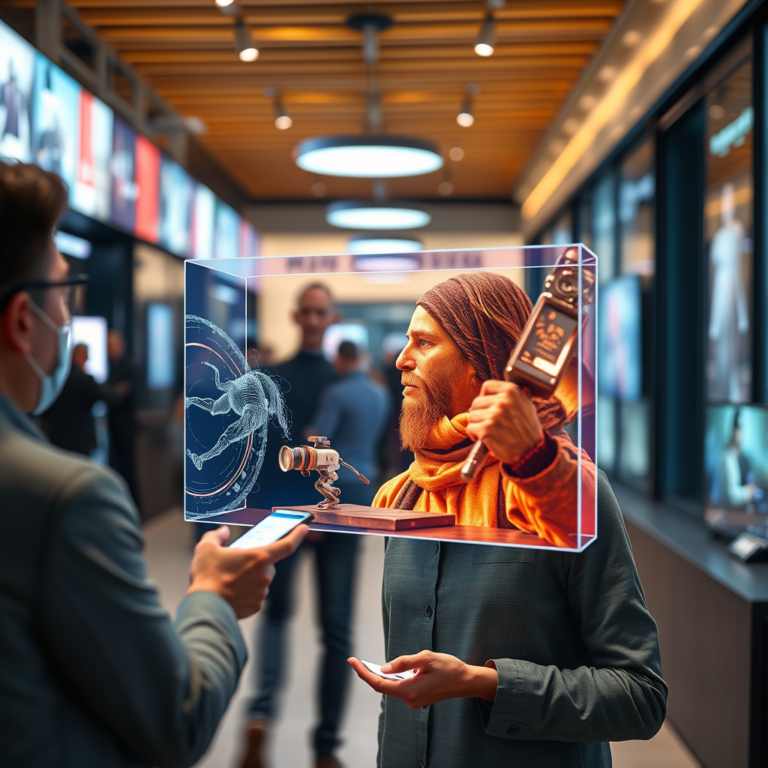

The future of AI-generated AR video advertising promises to revolutionize marketing by creating immersive experiences tailored to individual consumer preferences. This technology is set to enhance engagement, improve targeting, and drive conversions in advertising campaigns like never before. By merging artificial intelligence (AI) with augmented reality (AR), brands can provide consumers with interactive and personalized content, making the advertising experience not just a transaction, but a connection.
The Rise of AI in Advertising

AI technology is enhancing data analysis for better consumer insights, allowing marketers to understand the needs and preferences of their target audience more deeply than ever before. For instance, companies like Amazon and Netflix use AI algorithms to analyze user behavior and suggest products or shows based on previous interactions. This capability not only improves the customer experience but also maximizes the effectiveness of ad campaigns.

Personalized content creation is becoming more efficient and scalable through AI. With tools that can generate tailored content at a rapid pace, brands can deliver messages that resonate with individual consumers. For example, platforms like AdRoll and Persado leverage AI to create personalized ad copy and images that are likely to engage users based on their browsing history and preferences. This efficiency allows for broader reach and higher ROI on advertising spend.
Understanding Augmented Reality (AR) in Marketing

AR provides immersive experiences that increase consumer interaction in ways traditional advertising simply cannot. By overlaying digital content onto the real world, AR can make ads more engaging and memorable. For instance, IKEA’s AR app allows customers to visualize how furniture would look in their own homes before making a purchase, merging the digital and physical worlds seamlessly.
The integration of AR in ads can lead to higher retention rates. Statistics show that AR experiences can increase brand recall by as much as 70%. When consumers interact with an ad that includes AR, they are more likely to remember the brand and its message. This captivating nature of AR creates an opportunity for brands to build a more profound relationship with their audience, turning casual viewers into loyal customers.
How AI Enhances AR Video Creation
AI algorithms can automate the video production process, significantly reducing costs and production time. Traditionally, creating high-quality video content requires extensive resources and time. However, with AI tools that can generate videos based on pre-set templates and user data, businesses can create compelling AR video ads swiftly. Companies like Magisto and Lumen5 are already using AI to streamline video creation, allowing brands to focus on strategy rather than spending countless hours on editing.
Dynamic content generation allows for real-time customization based on user data, enhancing the relevance of the ads shown. For example, if a user is browsing for summer apparel, an AI-driven AR ad can showcase products that fit this seasonal context, tailored to the user’s preferences. This level of personalization not only increases the likelihood of engagement but also fosters a sense of connection between the brand and the consumer.
Benefits of AI-Generated AR Video Ads
One of the most significant benefits of AI-generated AR video ads is increased engagement through personalized and interactive content. When consumers can interact with a brand in a meaningful way, they are more likely to engage with the content and share their experiences. An example of this is the popular Snapchat filter ads, which allow users to engage with brands in a fun and memorable way, ultimately driving brand awareness and loyalty.
Improved targeting capabilities lead to higher conversion rates. With AI analyzing vast amounts of data, brands can segment their audience more effectively and deliver the right message at the right time. For instance, by using AI to analyze consumer behavior and preferences, a brand can serve a specific AR ad to a user who has previously shown interest in similar products. This targeted approach not only improves the chances of conversion but also maximizes the overall effectiveness of advertising campaigns.
Challenges and Considerations
While the integration of AI and AR in advertising offers exciting opportunities, there are also challenges and considerations that brands must navigate. Ethical implications around data privacy and consumer consent are paramount. As companies collect more data to create personalized experiences, they must ensure that they are transparent about how this data is used and that they comply with regulations like GDPR. Building trust with consumers is essential for long-term success.
Additionally, there are technical limitations and accessibility issues for some users. Not everyone has access to the latest smartphones or AR-enabled devices, which can limit the reach of AR campaigns. Brands must consider how to create inclusive experiences that cater to a wider audience, potentially by offering alternative formats for those who may not be able to access AR content.
Future Trends in AI-Generated AR Video Advertising
As we look to the future, advancements in machine learning will refine content personalization even further. We can expect AI to become more adept at understanding consumer behavior, making it possible to create even more tailored experiences. This could involve everything from predicting what a consumer might want next to crafting ads that adapt to real-time feedback.
The growing role of virtual reality (VR) may influence AR advertising strategies as well. As these technologies converge, brands could create multi-layered experiences that blend VR and AR elements, offering consumers a truly immersive journey. Imagine an ad where a user can walk through a virtual store while interacting with AR elements that enhance the shopping experience. This convergence could redefine how brands engage with consumers, making advertising a more engaging and exciting space.
The intersection of AI and AR in video advertising is set to redefine how brands connect with consumers. As technology evolves, businesses should embrace these innovations to stay ahead in a competitive landscape. By leveraging AI-driven AR solutions, brands can create meaningful, personalized experiences that resonate with their audience. Consider exploring these technologies to enhance your marketing strategy today, and watch as your brand transforms the way it communicates with consumers in the exciting world of AR video advertising.
Frequently Asked Questions
What is AI-generated AR video advertising and how does it work?
AI-generated AR (Augmented Reality) video advertising combines artificial intelligence with augmented reality technology to create immersive ad experiences. It works by utilizing machine learning algorithms to analyze user data and preferences, allowing brands to generate personalized video content that overlays digital information onto the real world through mobile devices or AR glasses. This innovative advertising format enhances engagement by creating interactive experiences that resonate with viewers.
How can businesses benefit from using AI-generated AR video advertising?
Businesses can significantly benefit from AI-generated AR video advertising by driving higher engagement rates and improving conversion metrics. This technology allows brands to create tailored experiences that capture the attention of their audience, making products more relatable and easier to visualize in real life. Moreover, the interactive nature of AR ads fosters a deeper emotional connection with consumers, ultimately leading to increased brand loyalty and sales.
Why should marketers consider investing in AI-generated AR video advertising?
Marketers should consider investing in AI-generated AR video advertising because it is at the forefront of digital marketing innovation, offering unique ways to connect with consumers. As traditional advertising methods become less effective, AR provides an interactive and memorable experience that stands out in crowded marketplaces. Additionally, the ability to leverage AI for data-driven insights allows marketers to refine their strategies and optimize ad performance based on real-time user feedback.
What are the best practices for creating effective AI-generated AR video ads?
To create effective AI-generated AR video ads, marketers should focus on personalization, interactivity, and storytelling. Personalization ensures that the content resonates with the target audience, while interactivity keeps users engaged and encourages them to explore the product further. Additionally, incorporating a compelling narrative that highlights the benefits of the product or service helps create an emotional connection, making the ad more memorable and shareable.
Which industries are likely to benefit the most from AI-generated AR video advertising?
Industries such as retail, real estate, entertainment, and automotive are likely to benefit the most from AI-generated AR video advertising. In retail, AR can help consumers visualize products in their space before purchase, while real estate can provide virtual tours of properties. The entertainment industry can leverage AR for immersive storytelling experiences, and the automotive sector can allow potential buyers to virtually explore vehicles. Each of these industries can enhance customer engagement and drive sales through innovative AR advertising strategies.
References
- Marketing and artificial intelligence
- https://www.forbes.com/sites/bernardmarr/2021/03/08/how-ai-is-changing-the-future-of-advertising/?sh=6a3e4d5e7c61
- https://www.sciencedirect.com/science/article/abs/pii/S0360132320304082
- https://www.researchgate.net/publication/344634775_The_future_of_advertising_data_and_artificial_intelligence
- https://www.bbc.com/news/technology-56862313
- https://www.theguardian.com/media/2021/jul/02/advertising-ai-automation-creative-industries
- https://www.nytimes.com/2022/03/09/technology/ai-advertising.html
- https://www.ama.org/marketing-news/the-future-of-ai-in-advertising/