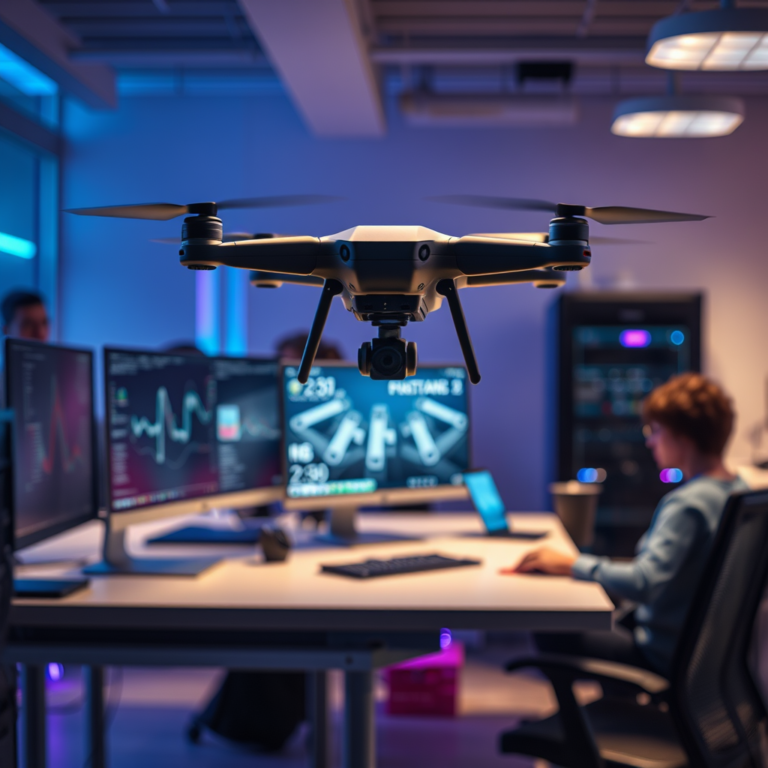
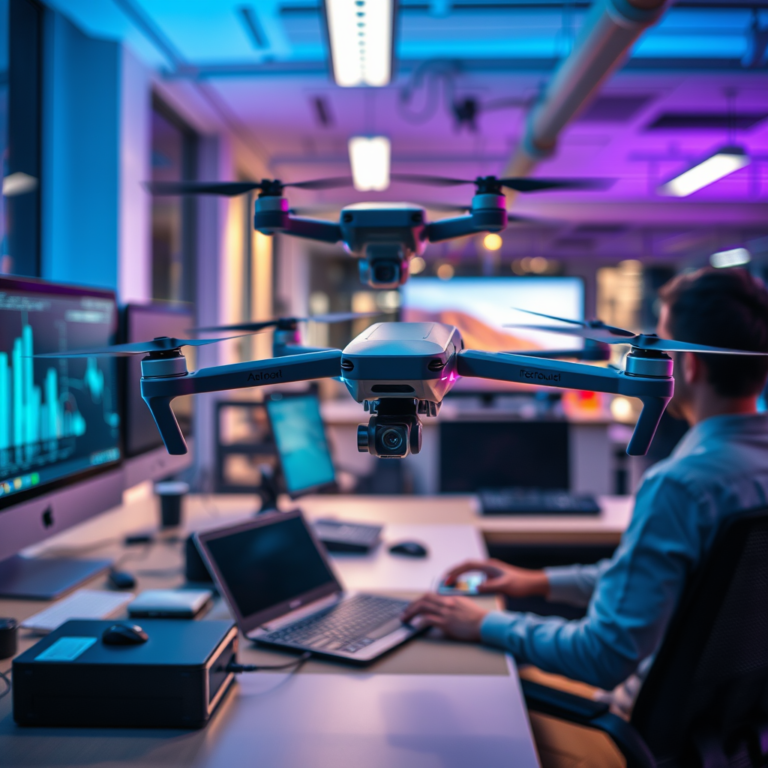
The future of AI-powered drones in sporting event coverage promises to revolutionize how fans experience live sports. By integrating advanced artificial intelligence with aerial technology, these drones will enhance broadcasts, provide unique perspectives, and streamline event operations, ensuring that audiences receive more engaging and dynamic content than ever before. With the potential to transform everything from the way we watch games to the safety of events, AI-enhanced drones are set to be a game-changer in the world of sports.
Transforming Broadcasts with Aerial Views

One of the most exciting ways AI drones will transform sports event coverage is through stunning aerial views. Traditional cameras often struggle to capture the full spectacle of a game, especially in fast-paced sports like football or basketball. AI drones can fly high above the action, capturing dynamic shots that provide viewers with angles they’ve never seen before. Imagine watching a football game from a bird’s-eye view, where you can see the entire field and how players move in relation to each other.
Furthermore, the integration of enhanced video quality and real-time analytics will take broadcasts to the next level. Drones equipped with AI can analyze player movements and game strategies on the fly, presenting insights to viewers during broadcasts. For instance, during a basketball game, the drone can provide graphics overlaying player stats or heat maps showing where players spend the most time on the court. This not only enriches the viewing experience but also educates fans, making them feel more connected to the game.
Enhancing Fan Engagement

AI drones are not just about capturing breathtaking footage; they’re also a tool for enhancing fan engagement. Imagine being at a stadium and receiving personalized content on your device while the game is in progress. Drones can deliver player statistics, instant replays, and highlights directly to fans’ smartphones, creating an interactive experience that keeps everyone engaged.
Moreover, innovative features such as live polls can be integrated into broadcasts. For instance, fans can vote in real-time on what play they’d like to see next or which player they think will score. Augmented reality overlays can also be used, allowing fans to visualize data points or see additional information about players right from their seats. This level of interaction not only makes the game more enjoyable but also brings fans closer to the action.
Streamlining Event Operations
The benefits of AI-powered drones extend beyond enhancing broadcasts and fan engagement; they can also significantly streamline event operations. For instance, drones can assist in crowd monitoring by providing real-time surveillance of the venue. This capability allows security teams to identify potential issues before they escalate, ensuring a safer environment for attendees. Imagine a drone spotting a large gathering of fans that might cause a bottleneck, allowing security to respond swiftly.
Additionally, drones can facilitate logistics at large sporting events. They can deliver essential supplies to different areas of the venue, manage on-site communications, or help with inventory control. This efficiency helps ensure that everything runs smoothly, allowing staff to focus on providing the best possible experience for fans.
Data Collection and Analysis
AI-enhanced drones are also revolutionizing the way teams collect and analyze data during games. Equipped with advanced sensors and machine learning algorithms, these drones can gather performance metrics that are invaluable for coaching staff. For example, a drone can track player movements, analyze formations, and even assess how different strategies are executed in real-time.
This data-driven approach can lead to more informed coaching decisions and improved training regimens. Coaches can review the footage and analytics provided by drones to pinpoint areas of improvement for their players. This level of insight can mean the difference between winning and losing, as it allows teams to adapt their strategies based on empirical evidence rather than guesswork.
Challenges and Ethical Considerations
Despite the exciting potential of AI drones in sports, there are significant challenges and ethical considerations to address. One of the most pressing issues is privacy. Spectators and participants alike might be concerned about being filmed or monitored without their consent. It’s crucial for sports organizations to implement strict guidelines that protect individuals’ privacy while still utilizing drone technology.
Additionally, regulations surrounding airspace and drone operations will need to evolve to accommodate the increased usage of drones in sports. Current regulations might not be sufficient to manage the influx of drones, especially in busy urban environments or during large-scale events. Stakeholders must work collaboratively with regulatory bodies to ensure safe and responsible use of this technology.
The Role of Technology Partnerships
To fully realize the potential of AI drones in sports, collaborations between technology firms and sports organizations will be essential. These partnerships can drive innovative solutions, combining the technical expertise of drone manufacturers with the unique needs of sports broadcasters and event organizers. For example, companies like Intel have already begun to integrate drone technology into their sports coverage, showcasing how innovative partnerships can create groundbreaking experiences.
Investing in research and development will also be crucial. As technology continues to advance, staying ahead of the curve will allow sports organizations to leverage the latest innovations in drone technology, improving their capabilities and ultimately enhancing the fan experience.
The integration of AI-powered drones in sporting event coverage is set to enhance how fans engage with their favorite sports while improving safety and operational efficiency. As technology continues to advance, it’s essential for stakeholders in the sports industry to stay informed and embrace these innovations. By harnessing the power of AI drones, we can look forward to a future where every game is not just watched but experienced in entirely new ways. Embrace the future of sports coverage by exploring how AI drones can elevate your experience.
Frequently Asked Questions
What are the benefits of using AI-powered drones for sporting event coverage?
AI-powered drones offer numerous benefits for sporting event coverage, including enhanced aerial photography and videography, real-time data analysis, and improved audience engagement. These drones can autonomously track players, providing dynamic footage that traditional cameras cannot capture, while AI algorithms can analyze game statistics in real-time to deliver insightful commentary. Additionally, their ability to cover large areas reduces the need for multiple camera setups, streamlining production and potentially lowering costs.
How do AI-powered drones enhance the fan experience during live sports events?
AI-powered drones enhance the fan experience by delivering immersive, high-definition aerial views of the game, and by providing unique perspectives that keep viewers engaged. Features like live-streaming aerial footage and instant replays from various angles allow fans to feel closer to the action, whether they’re in the stadium or watching from home. This technology can also facilitate interactive experiences, such as live polls and augmented reality (AR) elements that deepen viewer involvement.
Why are AI-powered drones becoming essential in modern sports broadcasting?
The rise of AI-powered drones in sports broadcasting is driven by their ability to deliver high-quality, versatile coverage that traditional methods struggle to match. These drones can autonomously follow the action, adjusting their positioning in real time to capture critical moments without manual intervention. As audiences increasingly demand innovative viewing experiences and broadcasters seek to differentiate themselves in a competitive market, AI drones have become an essential tool for enhancing storytelling and engagement.
Which sports are most likely to benefit from AI-powered drone technology?
Sports with fast-paced action and expansive playing areas, such as football, soccer, and motorsports, are most likely to benefit from AI-powered drone technology. The drones’ ability to capture quick movements and provide sweeping views of the venue allows broadcasters to highlight key plays and enhance the overall viewing experience. Additionally, sports like skiing and cycling can utilize drone footage to showcase scenic landscapes and athlete performances from unique angles, further engaging audiences.
What challenges do AI-powered drones face in sporting event coverage?
Despite their advantages, AI-powered drones face several challenges in sporting event coverage, including regulatory restrictions and potential interference with other technologies. Compliance with aviation laws and obtaining necessary permits can complicate their use in crowded venues. Moreover, ensuring the reliability of AI algorithms in rapidly changing environments is crucial to avoid errors in tracking and data analysis, which could detract from the viewer experience. Addressing these challenges is vital for the successful integration of drones in the future of sports broadcasting.
References
- https://en.wikipedia.org/wiki/Drone_journalism
- https://www.bbc.com/news/technology-58391639
- https://www.theguardian.com/technology/2021/dec/14/drones-sports-live-streaming
- https://www.nytimes.com/2021/07/30/sports/drones-olympics.html
- https://www.reuters.com/technology/sports-drones-deliver-new-viewing-experience-2022-04-05/
- https://www.sciencedirect.com/science/article/pii/S235286482100013X
- https://www.nasa.gov/mission_pages/drones/overview/index.html
- https://www.itu.int/en/ITU-T/Conferences/GSR/2021/Documents/2021-GSR-Discussion-Paper-Drone-Services.pdf
- https://www.aaai.org/ojs/index.php/aimagazine/article/view/6784