
AR windshields enhance driving safety by providing real-time information and augmented reality overlays that assist drivers in making informed decisions on the road. By integrating essential data directly into the driver’s line of sight, these advanced windshields significantly reduce distractions and improve situational awareness. This article explores how AR technology is transforming vehicle safety and what it means for the future of driving.

Understanding AR Windshields
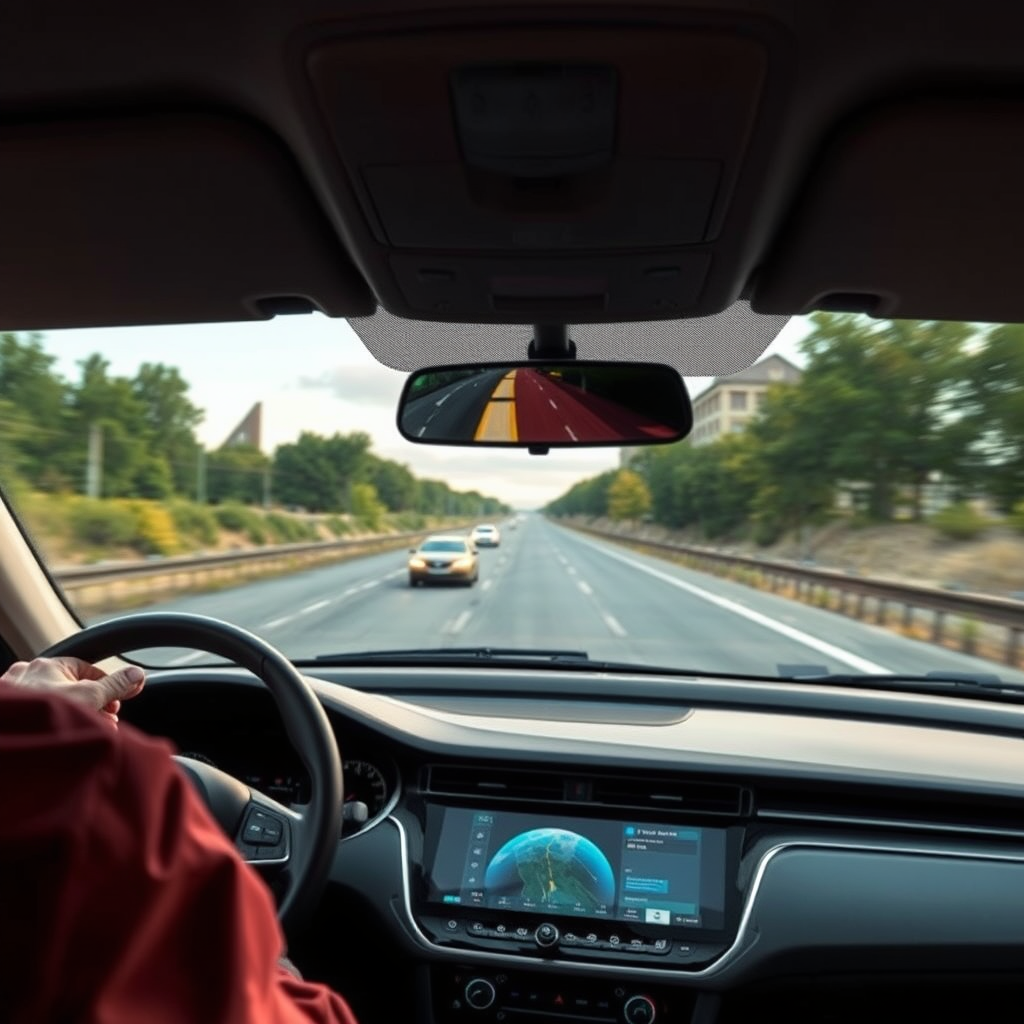
Augmented reality (AR) windshields are an innovative technology that merges digital information with the physical world, specifically designed to improve the driving experience. At its core, AR overlays information onto the driver’s view of the road, making crucial data like speed, navigation prompts, and hazards visible without requiring them to look away. This technology works by utilizing cameras, sensors, and projectors that analyze the environment and display relevant information directly onto the windshield.
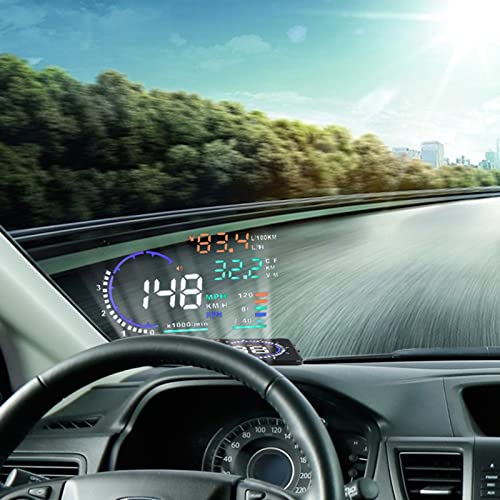
For instance, modern AR windshields can feature heads-up displays (HUDs) that project navigation directions right where the driver needs them—on the road ahead. Companies like BMW and Mercedes-Benz have already begun incorporating such features into their luxury models. These enhancements not only make driving more convenient but also contribute to a safer driving environment by keeping the driver’s attention focused where it matters most.

Enhancing Situational Awareness

One of the standout features of AR windshields is their ability to display critical information in real-time, such as current speed, navigation routes, and nearby hazards. This real-time data helps drivers make informed decisions swiftly. For example, if a car suddenly brakes ahead, an AR windshield can highlight this in the driver’s line of sight, prompting them to react quickly.
The impact on driver attention and focus is profound. A study published in the journal Human Factors found that drivers using AR displays had a higher level of situational awareness compared to those relying solely on traditional dash displays. By reducing the need for drivers to shift their gaze from the road to the dashboard, AR windshields help maintain a higher level of attention, which is crucial for safe driving.
Reducing Distractions
Traditional vehicle displays often require drivers to divert their gaze away from the road, which can lead to dangerous situations. AR windshields, on the other hand, present information directly in the driver’s peripheral vision, minimizing the need for distraction. This seamless integration allows drivers to absorb necessary information without losing focus on their primary task—driving.
Research indicates that AR interfaces can significantly lower cognitive load. For example, a study conducted by the University of Michigan found that drivers using AR navigation felt less overwhelmed and were able to process information more quickly than those using conventional display systems. This reduction in cognitive strain translates to safer driving by allowing drivers to concentrate better on the road ahead.
Real-Time Navigation Assistance
One of the most exciting applications of AR windshields is their ability to provide real-time navigation assistance. Imagine driving through a complex intersection and having arrows projected onto the road indicating which lane to take. This kind of visual guidance can dramatically improve the driving experience and reduce the likelihood of making wrong turns or missing exits.
Moreover, AR technology can enhance route guidance by integrating traffic alerts and suggesting alternative routes based on real-time conditions. For instance, if there’s an accident ahead, the AR system can automatically reroute the driver, displaying the new path directly in their line of sight. This not only saves time but also reduces stress, making the journey more enjoyable.
Safety Features and Alerts
AR windshields can also serve as a vital tool for highlighting potential dangers or obstacles. For example, if a pedestrian suddenly steps onto the road, the AR system can alert the driver through visual cues displayed on the windshield, such as flashing warnings or highlighted areas. This proactive approach to safety can significantly decrease the chances of accidents.
Furthermore, when integrated with advanced driver-assistance systems (ADAS), AR windshields can provide a comprehensive safety net. ADAS features, such as lane departure warnings or collision detection, can be visually represented on the windshield, ensuring that drivers are constantly aware of their surroundings. This integration not only enhances safety but also builds confidence in drivers, knowing that they have support in critical situations.
Future Trends in AR Windshield Technology
Looking ahead, the future of AR windshields is bright and full of potential. As technology continues to advance, we can expect even more sophisticated features, such as enhanced machine learning algorithms that analyze driving patterns and preferences to personalize the AR experience for each driver.
However, challenges remain. Issues such as the high cost of production and the need for robust safety regulations must be addressed before AR windshields can become commonplace. Additionally, the industry will need to ensure that AR displays do not become overly distracting or intrusive, maintaining their primary purpose of improving safety.
Consumer Awareness and Acceptance
As AR technology becomes more prevalent in vehicles, consumer awareness and acceptance are crucial for its success. Current market trends indicate a growing interest in AR features among consumers, particularly as younger generations who are tech-savvy become the primary buyers. However, there is still a significant knowledge gap regarding the benefits and functionalities of AR windshields.
Educating potential buyers about the advantages of AR technology and its role in enhancing safety is essential. Manufacturers and dealerships can play a pivotal role by offering demonstrations and clear information about how AR systems work. This awareness not only fosters acceptance but also encourages consumers to prioritize safety features in their vehicle purchases.
AR windshields represent a significant advancement in driving safety, offering drivers the ability to stay informed and focused without diverting their attention from the road. As technology continues to evolve, embracing these innovations will be crucial for enhancing safety and reducing accidents. Stay updated on the latest automotive technologies and consider exploring options that include AR features in your next vehicle purchase. The future of driving is not just about getting from point A to point B; it’s about doing so safely and efficiently with the help of cutting-edge technology.
Frequently Asked Questions
What are AR windshields and how do they enhance driving safety?
Augmented Reality (AR) windshields are advanced automotive technologies that overlay digital information onto the driver’s view of the real world. By projecting important data such as speed, navigation directions, and hazard alerts directly onto the windshield, AR windshields help drivers maintain focus on the road, reducing distractions and enhancing overall driving safety. This integration of digital elements into the driving experience assists in making informed decisions quickly, thereby minimizing the risk of accidents.
How do AR windshields help in avoiding accidents?
AR windshields improve accident avoidance by providing real-time alerts and critical information about the surrounding environment. For instance, they can highlight obstacles, pedestrians, or other vehicles that may be in the driver’s path, allowing for quicker reactions. Additionally, features like lane departure warnings and adaptive speed controls enhance situational awareness, making it easier for drivers to respond to potential hazards proactively.
Why should drivers consider upgrading to vehicles with AR windshields?
Upgrading to vehicles equipped with AR windshields is a wise choice for drivers who prioritize safety and technology. These windshields not only enhance situational awareness through real-time information but also contribute to a more intuitive driving experience. As the automotive industry increasingly focuses on safety innovations, AR windshields represent a significant advancement that can lead to fewer accidents and a more enjoyable driving experience.
Which vehicles currently come equipped with AR windshields?
As of now, several premium and high-tech vehicles feature AR windshields, including models from brands like Mercedes-Benz, BMW, and Audi. These manufacturers are at the forefront of integrating AR technology into their vehicles, offering features such as navigation prompts and hazard detection. As demand for smart safety features grows, more automakers are expected to adopt AR windshields in their future models, making this technology more accessible to a broader segment of drivers.
What are the potential drawbacks of AR windshields?
While AR windshields offer numerous benefits, there are some potential drawbacks to consider. For instance, the technology can sometimes be distracting if the information displayed is too cluttered or if it requires too much attention from the driver. Additionally, the cost of vehicles with AR windshields can be higher compared to traditional models, and maintenance or repair of the advanced technology may also add to long-term ownership costs. It’s essential for drivers to weigh these factors against the safety benefits when considering a vehicle upgrade.
References
- https://en.wikipedia.org/wiki/Heads-up_display
- https://www.nhtsa.gov/equipment/augmented-reality
- https://www.sciencedirect.com/science/article/pii/S2352146519301461
- https://www.theguardian.com/technology/2021/nov/16/augmented-reality-car-windshields-driving-safety
- https://www.reuters.com/technology/augmented-reality-could-transform-how-we-drive-2021-10-28/
- https://www.jstor.org/stable/10.5325/jtransres.50.1.0075
- https://www.techrepublic.com/article/augmented-reality-technology-is-revolutionizing-the-auto-industry/
- News | NSF – U.S. National Science Foundation
