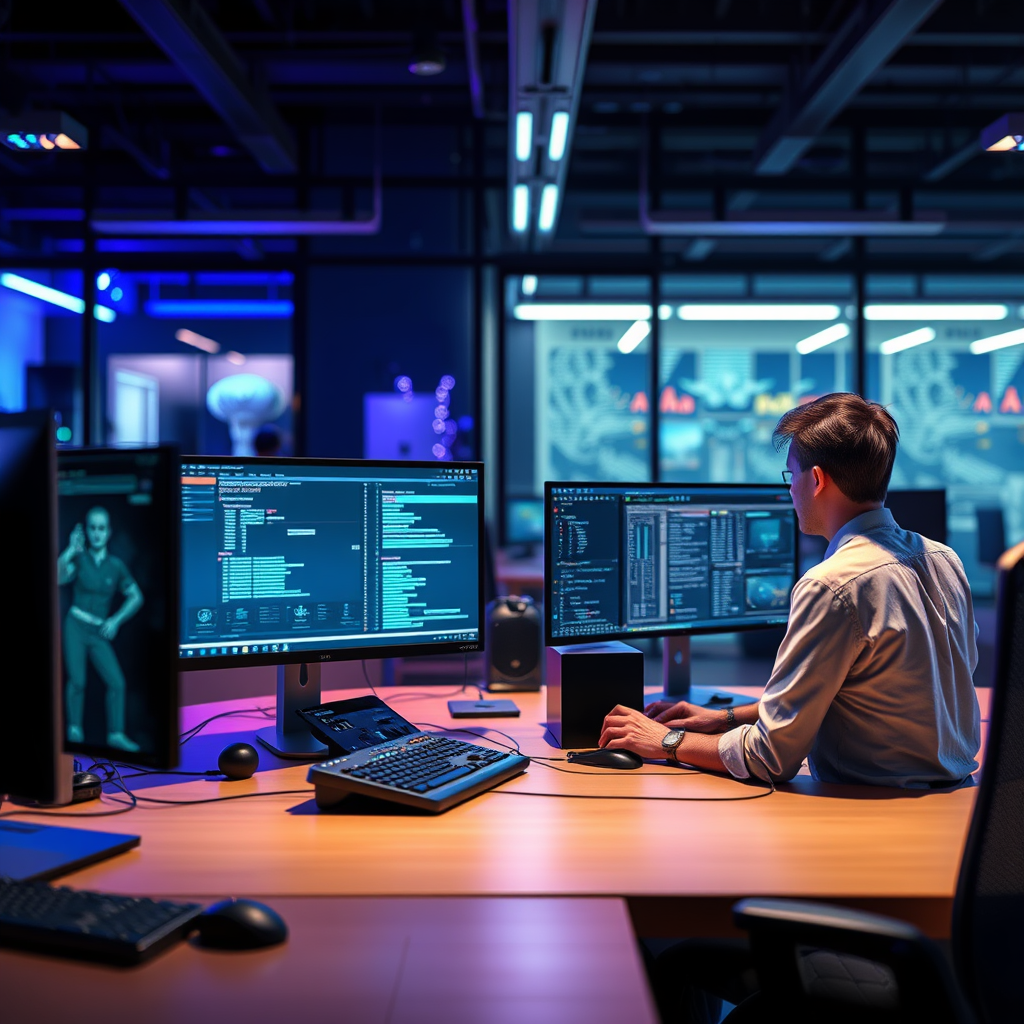

The integration of AI technology in film production has transformed the way trailers are created, enabling filmmakers to automatically generate captivating promotional content with remarkable efficiency. By leveraging advanced algorithms, AI can analyze extensive footage and audience data to pinpoint the most engaging scenes and themes. This not only streamlines the trailer creation process but also allows for enhanced creative possibilities. In this article, we will delve into how AI is revolutionizing the trailer-making process, its numerous benefits, and what the future holds for film marketing.
Understanding AI in Film Trailers
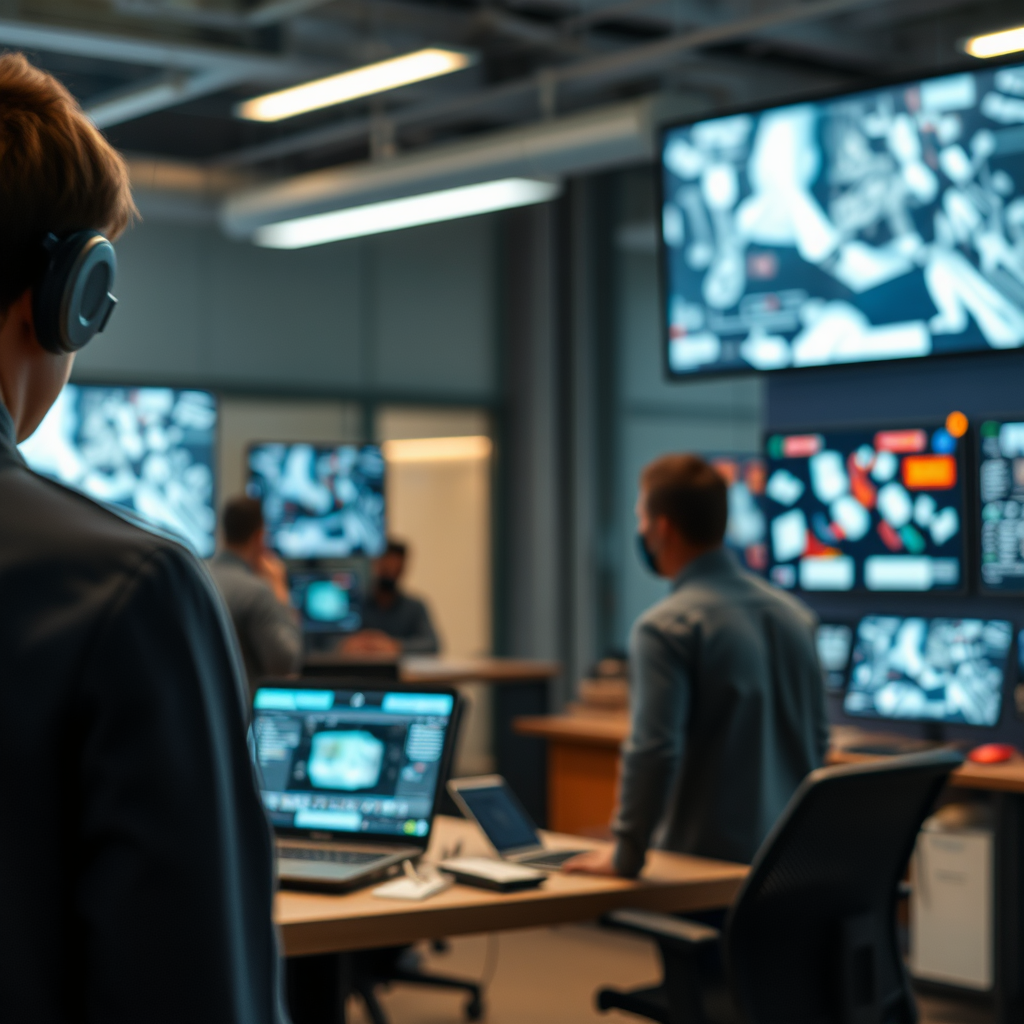
Artificial Intelligence (AI) refers to computer systems designed to perform tasks that typically require human intelligence, such as visual perception, speech recognition, and decision-making. In the film industry, AI’s relevance has surged in recent years, particularly in the realm of marketing and promotional activities. With the sheer volume of footage generated during production, AI tools can sift through hours of video to identify the most compelling moments that resonate with audiences.
AI algorithms utilize machine learning techniques to analyze various data points, including audience preferences, viewing habits, and emotional responses to different scenes. By examining historical data from previous films and trailers, these algorithms can predict which scenes are most likely to captivate viewers. This data-driven approach not only increases the efficiency of trailer creation but also improves the chances of a film’s commercial success.
The Process of Automatic Trailer Generation
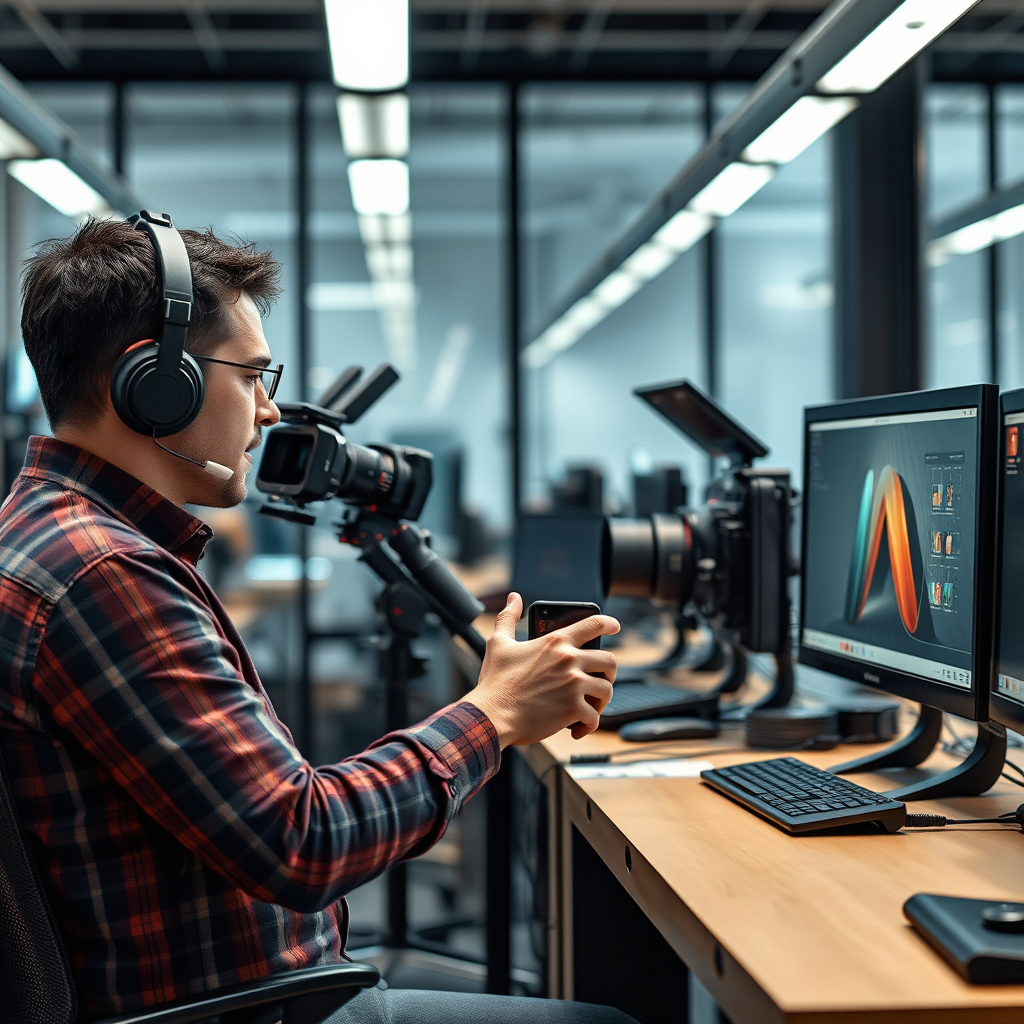
Creating a trailer with AI involves several steps that seamlessly integrate technology with creativity. Here’s a breakdown of the typical process:
1. Footage Ingestion: The first step involves inputting raw footage into the AI system, which can handle vast quantities of video material. This footage may include various takes, behind-the-scenes clips, and even bloopers.
2. Scene Analysis: The AI employs advanced algorithms to analyze each scene for key elements such as dialogue, visual impact, and emotional weight. It can also track facial expressions, gestures, and sound levels to determine which moments might resonate most with audiences.
3. Audience Data Integration: The AI system incorporates data from audience analytics, including demographics, previous watch histories, and engagement statistics from similar films. This information helps the AI understand what type of content appeals to specific audience segments.
4. Scene Selection: Based on its analysis, the AI selects the most compelling scenes to include in the trailer. It prioritizes moments that evoke strong emotional responses and align with audience expectations.
5. Editing and Assembly: Finally, the AI assembles the selected scenes, applying transitions, sound effects, and background music. Some systems even generate voiceovers or titles, creating a polished final product ready for distribution.
The technology behind this process often involves Natural Language Processing (NLP) and computer vision. NLP helps the AI understand and analyze scripts, while computer vision allows it to interpret visual content effectively.
Benefits of AI-Generated Trailers
The advantages of using AI for trailer production are numerous and impactful:
– Time and Cost Efficiency: Traditional trailer creation can take weeks, involving multiple rounds of editing and revision. AI drastically reduces this timeline, enabling trailers to be produced in days or even hours. This efficiency means filmmakers can allocate resources to other critical areas of production.
– Enhanced Creative Options: AI provides filmmakers with valuable data-driven insights, allowing them to explore creative directions they may not have considered. For instance, audience feedback from previous trailers can guide the tone and pacing of upcoming projects, ensuring that the final product aligns with viewer expectations.
– Personalization: With the ability to analyze audience preferences, AI can help create personalized trailers tailored to different viewer segments. This could mean creating multiple versions of a trailer that emphasize various themes — such as action, romance, or humor — based on the target audience’s interests.
Case Studies: Successful AI-Generated Trailers
Several films have successfully utilized AI in their trailer creation process, highlighting the effectiveness of this technology:
– “Morgan” (2016): This sci-fi thriller employed IBM’s Watson, a cognitive computing system, to analyze 100 years of movie trailers. Watson identified the most impactful scenes from “Morgan,” resulting in a trailer that captured viewers’ attention and increased engagement.
– “The Irishman” (2019): Netflix used AI to create trailers for this epic film by analyzing viewer data and optimizing the content for different platforms. The result was a series of trailers that effectively reached diverse audiences, contributing to the film’s successful launch on the streaming platform.
Data from audience reception showed that AI-generated trailers not only garnered higher view counts but also improved audience engagement metrics, indicating a positive correlation between AI utilization and viewer interest.
Challenges and Limitations of AI in Trailer Creation
Despite the many benefits, the use of AI in trailer creation is not without its challenges:
– Ethical Concerns: The reliance on AI raises ethical questions regarding creativity and originality. Critics argue that over-dependence on algorithms may stifle human creativity, reducing diversity in storytelling and artistic expression.
– Limitations in Emotional Storytelling: While AI is adept at identifying patterns and preferences, it still struggles with the nuances of emotional storytelling. The human touch is often necessary to convey complex feelings and themes that resonate deeply with audiences.
– Quality Control: Not all AI-generated content meets the high standards expected in the film industry. Filmmakers must balance efficiency with quality, ensuring that AI-generated trailers align with their creative vision.
The Future of AI in Film Marketing
Looking ahead, the future of AI in film marketing appears promising and filled with potential advancements:
– Advancements in Technology: As AI continues to evolve, we can expect improvements in algorithms that allow for even more sophisticated analyses of audience behavior and preferences. This could lead to hyper-personalized marketing strategies that cater to individual viewer tastes.
– Integration with Other Technologies: The combination of AI with other emerging technologies, such as virtual reality (VR) and augmented reality (AR), may create immersive marketing experiences that engage audiences in novel ways. Imagine watching a trailer that adapts in real-time based on your reactions!
– Impact on Traditional Marketing: As AI-generated trailers become more prevalent, traditional marketing strategies may need to adapt. Filmmakers might prioritize digital marketing and social media campaigns, leveraging AI to optimize content distribution and engagement across various platforms.
The growing role of AI in automatically generating film trailers is reshaping the landscape of movie marketing and production. As filmmakers harness the power of this technology, they can produce more compelling content while streamlining their processes. To stay informed about these developments and explore the intersection of technology and creativity in film, consider subscribing to industry newsletters or joining film production communities online. Embracing the future of film marketing means recognizing the exciting possibilities that AI brings to the table – and getting ready for a cinematic experience that’s more engaging than ever before!
Frequently Asked Questions
What are the benefits of using AI to automatically generate film trailers?
Using AI to automatically generate film trailers brings several benefits, including efficiency, cost-effectiveness, and enhanced creativity. AI can analyze vast amounts of footage and identify key emotional moments, ensuring that trailers resonate with target audiences. Additionally, automated editing processes save time for filmmakers, allowing them to focus on other creative aspects of production.
How does AI analyze film content to create trailers?
AI analyzes film content through advanced algorithms that utilize machine learning and natural language processing. By scanning scripts, dialogue, and visual elements, AI can identify pivotal scenes, character dynamics, and emotional cues. This data is then used to assemble a trailer that highlights these key components, ensuring the final product effectively captures the essence of the film.
Why is AI becoming a popular tool in the film industry for trailer creation?
AI is gaining popularity in the film industry for trailer creation primarily due to its ability to streamline the editing process and provide data-driven insights. Filmmakers can leverage AI’s speed and accuracy to produce trailers that are tailored to audience preferences, often leading to higher engagement rates. Furthermore, as technology continues to evolve, AI tools are becoming more accessible, enabling even smaller productions to utilize this innovative approach.
What are the limitations of AI-generated film trailers?
Despite its advantages, AI-generated film trailers have limitations, including a potential lack of emotional depth and creativity that human editors bring to the table. AI may struggle to interpret nuanced themes or complex narratives, which can result in trailers that feel formulaic or generic. Additionally, over-reliance on AI could stifle the unique artistic vision that defines a film, making it vital for filmmakers to balance AI assistance with human creativity.
Which AI tools are best for generating film trailers?
Some of the best AI tools for generating film trailers include Magisto, Adobe Premiere Pro’s Sensei, and IBM Watson Media. These platforms offer features such as automated video editing, scene recognition, and audience engagement analysis. Choosing the right tool depends on your specific needs, budget, and the level of customization you require, making it essential to compare features before making a decision.
References
- https://en.wikipedia.org/wiki/Film_trailer
- https://www.theguardian.com/technology/2021/jul/01/ai-generated-trailers-are-here
- https://www.sciencedirect.com/science/article/pii/S1877050919301046
- https://www.bbc.com/news/technology-58866799
- https://www.forbes.com/sites/bernardmarr/2021/05/31/how-ai-is-revolutionizing-the-film-industry/?sh=28f9e3f511e8
- https://www.nature.com/articles/d41586-020-02568-2
- https://www.technologyreview.com/2020/09/22/1008290/ai-film-trailers-explained/