
Ultra-thin laptops are changing the way we approach mobility in our daily lives. By blending powerful performance with featherlight designs, they cater specifically to the needs of on-the-go professionals and students alike. These laptops allow users to work, study, and connect seamlessly, regardless of location. In this article, we will explore the features, benefits, and trends surrounding ultra-thin laptops that are redefining portable computing.
The Rise of Ultra-Thin Laptops
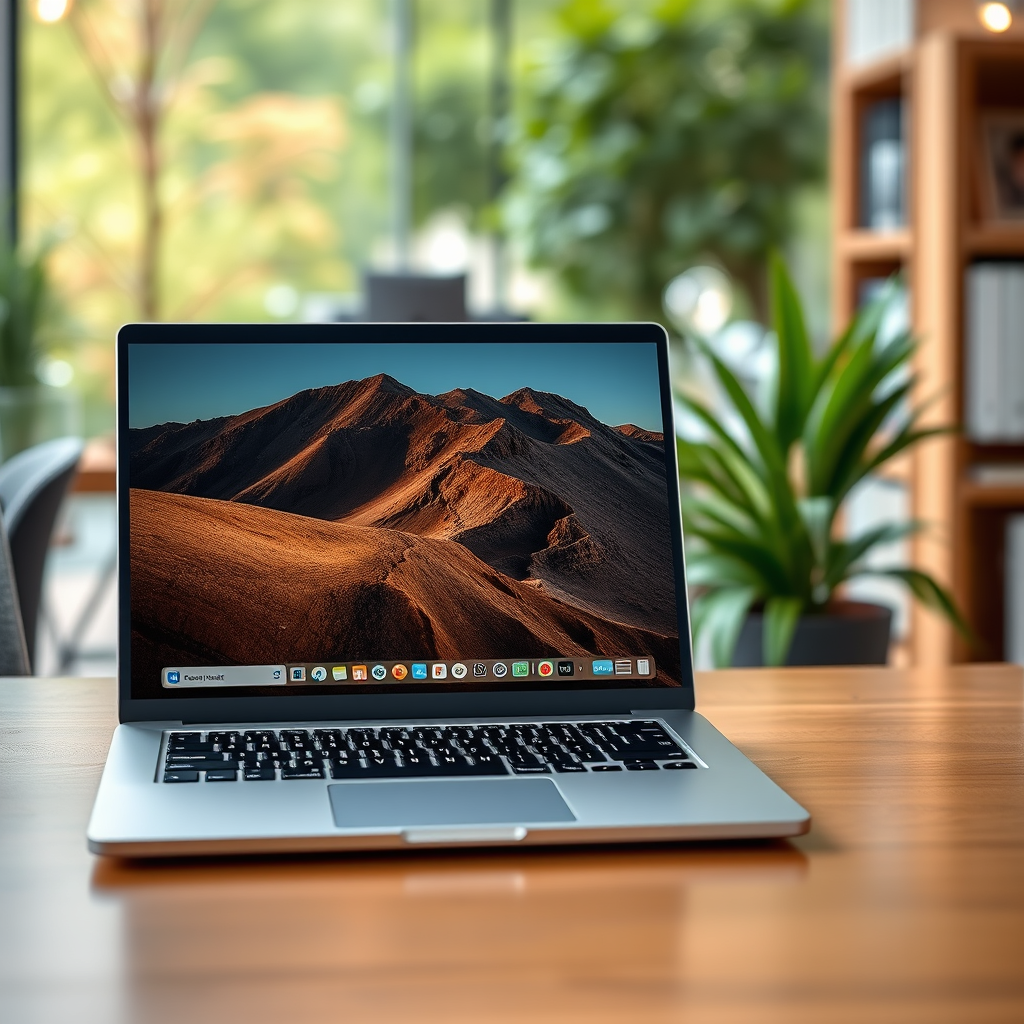
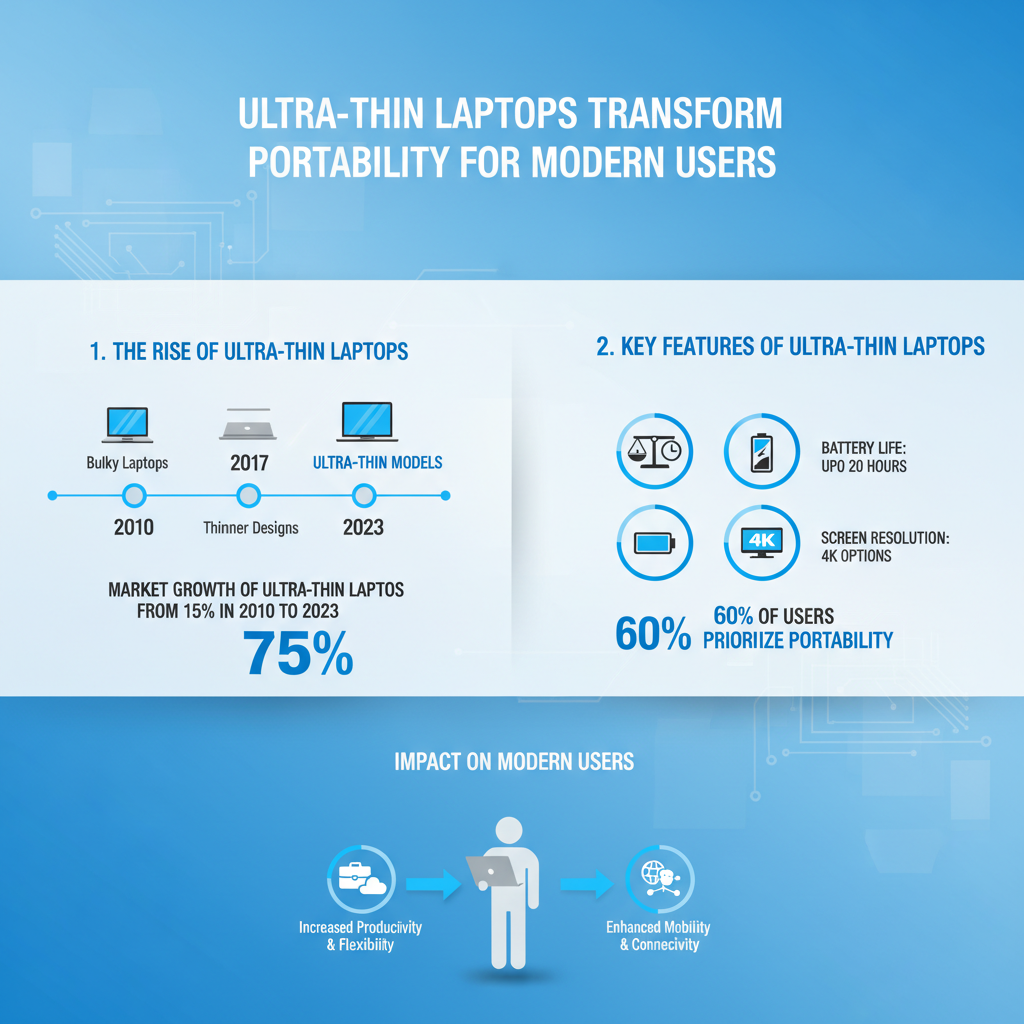
The evolution of laptop designs has come a long way from the bulky machines of the past. In the early days, laptops were primarily designed for functionality, often sacrificing weight and aesthetics. However, technological advancements have paved the way for ultra-thin laptops, which prioritize both form and function. Brands like Apple, Dell, HP, and Lenovo have become key players in this niche, introducing flagship models such as the MacBook Air, XPS 13, Spectre x360, and ThinkPad X1 Carbon. These devices not only embody cutting-edge technology but also reflect a shift in consumer preferences toward sleek, stylish, and highly portable computing solutions.
Key Features of Ultra-Thin Laptops

When it comes to ultra-thin laptops, lightweight materials and innovative engineering are at the forefront of their design. Manufacturers often use aluminum chassis, carbon fiber, and magnesium alloys, which provide durability while keeping the weight down. For example, the Dell XPS 13 weighs a mere 2.8 pounds, making it a popular choice for travelers.
Battery life is another critical feature that has seen significant improvements. Modern ultra-thin laptops are equipped with energy-efficient processors and optimized software, enabling users to work for hours without needing a charge. Devices like the MacBook Air promise up to 18 hours of battery life, which is crucial for students and professionals who may not have access to a power outlet throughout the day.
Benefits of Ultra-Thin Laptops
The primary benefit of ultra-thin laptops is their enhanced portability. These devices are designed to be easily transported, fitting comfortably into backpacks and briefcases without adding significant weight. Whether you’re commuting, traveling, or simply moving from room to room, the ease of transport cannot be overstated.
In addition to portability, ultra-thin laptops often feature modern design aesthetics that improve the overall user experience. With high-resolution displays, backlit keyboards, and slim bezels, these laptops not only look good but also enhance productivity. The combination of style and function makes them appealing to a wide range of users, from creatives needing powerful graphics capabilities to business professionals requiring reliable performance.
Performance vs. Portability
One of the most significant challenges in laptop design is balancing performance with portability. Ultra-thin laptops have made great strides in this area, integrating powerful components such as Intel’s 11th-generation processors and solid-state drives (SSD) that provide lightning-fast performance. For instance, the Razer Blade Stealth 13 combines a lightweight design with a dedicated graphics card, appealing to gamers who need portability without sacrificing gaming capabilities.
However, traditional laptops still have their pros and cons. While they may offer more extensive customization options and potentially better thermal performance due to their larger size, ultra-thin laptops have become increasingly competitive. Users must weigh the importance of portability against performance needs, especially if they rely on resource-intensive applications for tasks like video editing or 3D modeling.
Popular Models and Their Unique Selling Points
Several ultra-thin laptops have made waves in the market, each catering to different audiences with unique selling points. The Apple MacBook Air, renowned for its sleek design and robust performance, is ideal for creative professionals. Its Retina display and macOS environment make it perfect for graphic design and video editing.
On the other hand, the HP Spectre x360 not only offers a premium build but also features a 2-in-1 design, allowing users to switch between laptop and tablet modes seamlessly. This flexibility is particularly appealing to students and professionals who value versatility.
Finally, the Lenovo ThinkPad X1 Carbon is often recognized for its exceptional keyboard and durability, making it a favorite among business users who prioritize typing comfort and reliability during long hours of work.
Future Trends in Ultra-Thin Laptop Technology
As technology continues to advance at a rapid pace, the future of ultra-thin laptops looks promising. We can expect to see even slimmer designs thanks to innovations in materials such as graphene and advances in battery technology that allow for longer-lasting power without increasing weight.
Emerging technologies like artificial intelligence (AI) and cloud computing will also play a pivotal role in shaping ultra-thin laptops. With AI integration, users might experience smarter performance optimizations based on their usage patterns, while cloud computing could enable more lightweight devices that rely on powerful cloud servers for processing tasks. This shift could redefine what users expect from their portable devices, allowing for even more compact designs.
Choosing the Right Ultra-Thin Laptop for You
When it comes to selecting the right ultra-thin laptop, identifying your personal or professional needs is key. Consider factors such as how you plan to use the device—whether for casual browsing, extensive work tasks, or creative projects.
Look for key elements that suit your lifestyle: Do you need a long battery life for travel? A high-resolution display for graphic design? A robust keyboard for typing? Make a checklist of your priorities, and don’t hesitate to explore user reviews and expert opinions to find the best fit.
Ultimately, ensure that you choose a laptop that not only meets your performance needs but also aligns with your aesthetic preferences and budget constraints.
Ultra-thin laptops are setting a new standard for portability while providing the power and performance users demand. By understanding their features, benefits, and the market landscape, you can make an informed decision when selecting your next device. Whether you’re a student, professional, or creative, exploring your options among these sleek machines can elevate your mobile computing experience today!
Frequently Asked Questions
What are the key benefits of using ultra-thin laptops for portability?
Ultra-thin laptops are designed for enhanced portability, making them ideal for users who are frequently on the go. Their lightweight and slim profiles allow for easy transport in backpacks or briefcases, while often maintaining powerful performance. Additionally, many ultra-thin models come with long battery life, enabling users to work or enjoy entertainment without the need for frequent recharging.
How do ultra-thin laptops compare to traditional laptops in terms of performance?
While ultra-thin laptops prioritize portability, many modern models also offer impressive performance capabilities. High-end ultra-thin laptops are equipped with powerful processors, ample RAM, and solid-state drives (SSDs) that ensure fast operation and multitasking. However, users should consider their specific needs; for tasks requiring extensive processing power, such as gaming or video editing, a traditional laptop may still offer better performance.
Why are ultra-thin laptops becoming increasingly popular among professionals?
The rise of remote work and a mobile lifestyle has significantly contributed to the popularity of ultra-thin laptops among professionals. These devices provide the perfect balance of portability and functionality, allowing users to work from various locations without compromising on performance. Additionally, their sleek design and modern aesthetics appeal to professionals seeking a stylish yet practical tool for their daily tasks.
Which ultra-thin laptops offer the best battery life for frequent travelers?
When considering ultra-thin laptops for travel, models like the Dell XPS 13, MacBook Air M2, and Lenovo ThinkPad X1 Carbon are often recommended for their superior battery life. These laptops typically provide up to 15-20 hours of usage on a single charge, making them ideal for long flights or extended work sessions away from a power source. Always check recent reviews and specifications, as battery performance can vary depending on usage and configuration.
What should I look for when choosing an ultra-thin laptop for my needs?
When selecting an ultra-thin laptop, consider factors such as processor type, RAM size, storage options, and display quality to ensure it meets your specific requirements. Additionally, evaluate battery life, connectivity options (like USB-C and HDMI ports), and keyboard comfort, especially if you plan to use it for extended periods. Reading user reviews and expert opinions can also provide valuable insights into the reliability and performance of different models.
References
- Ultrabook
- https://www.bbc.com/news/technology-50540159
- https://www.theguardian.com/technology/2020/feb/12/the-ultimate-guide-to-ultra-thin-laptops
- https://www.nytimes.com/2021/01/14/technology/personaltech/laptops-ultrathin.html
- https://www.sciencedirect.com/science/article/pii/S2351978919300869
- https://www.techradar.com/news/the-best-ultrabook-2023
- https://www.cnet.com/tech/computing/best-ultrabooks/