
Understanding bitrate and lossless audio formats is essential for anyone looking to enjoy high-quality sound. Bitrate plays a critical role in determining audio quality, while lossless audio formats ensure that you experience the music as the artist intended, without any compromise in fidelity. In this article, you’ll learn how these concepts impact your listening experience, the various audio formats available, and how to make informed choices that suit your preferences.
What is Bitrate?

Bitrate is measured in kilobits per second (kbps) and is a key factor in determining audio quality. Essentially, it refers to the amount of data processed every second in an audio file. For example, a standard MP3 file might have a bitrate of 128 kbps, while a higher-quality version could be encoded at 320 kbps. Generally, higher bitrates deliver better sound quality; however, this comes at the cost of larger file sizes. If you’re a casual listener, you might not notice the difference between 128 kbps and 256 kbps, but audiophiles often prefer the richer soundscape offered by higher bitrates. It’s important to understand that bitrate is not the only factor affecting audio quality, but it is a significant one, and knowing the right balance is key to an enjoyable listening experience.
The Importance of Lossless Audio Formats
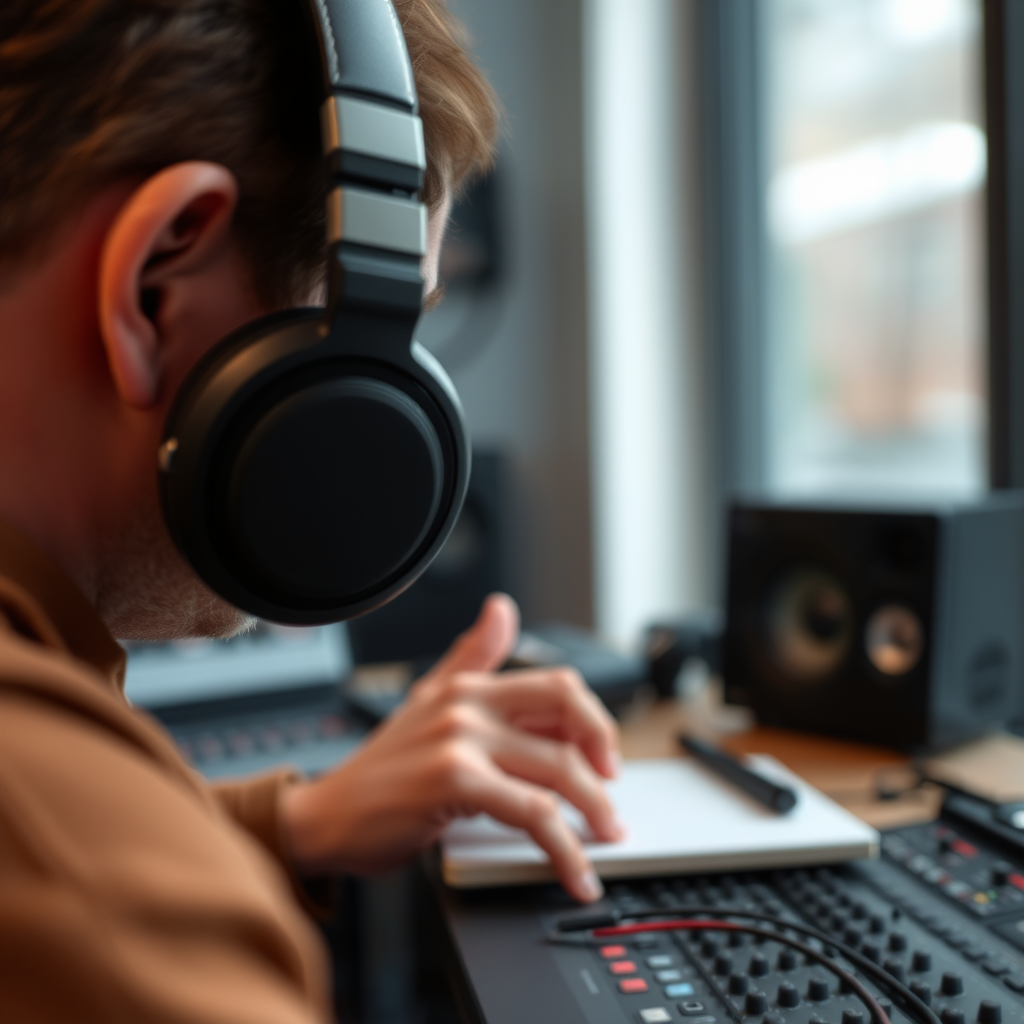
Lossless audio formats, such as FLAC (Free Lossless Audio Codec) and ALAC (Apple Lossless Audio Codec), are designed to preserve all of the original audio data, ensuring perfect fidelity during playback. Unlike lossy formats, like MP3 or AAC, which compress audio files by removing some data to reduce file size, lossless formats maintain the integrity of the sound. This is particularly crucial for audiophiles and music enthusiasts who want to hear every nuance of their favorite tracks. For instance, classical music, which often features intricate harmonies and dynamic ranges, truly benefits from the clarity offered by lossless audio formats. If you’re serious about your music collection and want to experience it the way it was meant to be heard, opting for lossless formats is the way to go.
Common Lossless Audio Formats
When it comes to lossless audio formats, two of the most popular choices are FLAC and ALAC. FLAC is favored by many due to its impressive compression efficiency; it reduces file size without sacrificing audio quality, making it ideal for storing large music libraries. For example, a CD-quality track encoded in FLAC might only take up about 30-60% of the space compared to its uncompressed WAV counterpart. On the other hand, ALAC is preferred within Apple’s ecosystem, offering seamless compatibility with iTunes and Apple Music. If you’re an Apple user, ALAC allows you to enjoy lossless audio across all your devices without hassle. Both formats ensure that you get the best possible listening experience, so choosing between them often comes down to personal preference and the devices you use.
How Bitrate Affects Different Audio Formats
Bitrate behaves differently depending on the audio format being used. In lossy formats, variable bitrates (VBR) are often employed to optimize file size while maintaining quality. For instance, a VBR MP3 might start at a lower bitrate during less complex sections of a song and increase during more intense parts, striking a balance between sound quality and storage efficiency. This adaptability makes lossy formats appealing for streaming and portable devices. Conversely, lossless formats use a constant bitrate to ensure consistent audio fidelity across the board. Since they retain all audio data, lossless files are larger but provide an unaltered listening experience. Understanding these differences can help you choose the right format based on your storage capabilities and listening habits.
Choosing the Right Format for Your Needs
Choosing the right audio format largely depends on your needs and preferences. If you’re an audiophile or someone who enjoys music at home, lossless formats might be the best choice for you, as they offer the highest sound quality. However, if you frequently listen to music on the go or have limited storage space, you may want to consider lossy formats like MP3, which strike a balance between quality and file size. It’s also worth noting that many streaming services use lossy formats to save bandwidth, which can be a factor if you’re listening to music on a mobile device. Therefore, understanding your listening habits is essential—whether you prioritize audio quality or convenience can guide your choices.
Tools for Analyzing Bitrate and Formats
To fully appreciate the difference in audio quality, utilizing tools for analyzing bitrate and formats is essential. Various audio players and software applications can provide insights into the specifications of your audio files. Popular software like VLC Media Player or Foobar2000 shows you the bitrate and format of any audio file, allowing you to make informed decisions about your music library. Additionally, using apps that support lossless formats can enhance your listening experience. Many specialized music players, such as AIMP or MusicBee, cater to audiophiles with advanced features that allow you to manage and enjoy lossless files effortlessly.
Future Trends in Audio Formats
As technology continues to evolve, the audio industry is seeing exciting advancements that may further enhance audio quality and compression. High-resolution audio is becoming increasingly popular, with platforms like TIDAL and Qobuz offering music in formats that exceed traditional CD quality. Additionally, new technologies, such as Dolby Atmos and spatial audio, are changing how we experience sound, making it more immersive than ever. These trends are influencing listener preferences, and as more people become aware of the importance of audio quality, we may see a shift towards lossless formats and higher bitrates becoming the standard for music consumption.
Summarizing the key insights, understanding bitrate and lossless audio formats is crucial for maximizing your audio experience. By knowing the differences and how they affect sound quality, you can make informed choices that suit your listening preferences. Whether you’re a casual listener or a dedicated audiophile, exploring various formats and tools will help you find what works best for you. Embrace the world of high-quality audio and enjoy your favorite music as it was meant to be heard!
Frequently Asked Questions
What is bitrate and how does it affect audio quality?
Bitrate refers to the amount of data processed per unit of time in an audio file, typically measured in kilobits per second (kbps). Higher bitrates generally mean better audio quality, as more data allows for a more accurate representation of sound. However, this also results in larger file sizes. For instance, a 320 kbps MP3 will provide better sound quality compared to a 128 kbps version, making bitrate a crucial factor in audio fidelity.
What are lossless audio formats and why should I use them?
Lossless audio formats, such as FLAC, ALAC, and WAV, compress audio files without losing any data, preserving the original sound quality perfectly. Users should consider using lossless formats if they prioritize high fidelity in their audio playback, especially in professional settings or when archiving music collections. While these formats result in larger file sizes compared to lossy formats like MP3, they deliver superior sound quality that audiophiles appreciate.
How do I choose the best audio format for my needs?
Choosing the best audio format depends on your specific needs, such as storage capacity, playback device compatibility, and audio quality preferences. If space is limited or you’re using portable devices, lossy formats like MP3 or AAC may be ideal. However, if you value sound quality and have sufficient storage, opting for lossless formats like FLAC or WAV is recommended for an optimal listening experience.
Why do some streaming services offer higher bitrate options?
Streaming services offer higher bitrate options to cater to audiophiles and listeners who desire superior sound quality. Higher bitrate streams provide a richer audio experience, especially when using high-end headphones or speakers. While lower bitrates can save data and improve streaming speed in areas with poor connectivity, offering higher bitrates allows users to choose the best quality available, enhancing their overall listening experience.
Which lossless audio format is best for archiving music?
FLAC (Free Lossless Audio Codec) is often considered the best lossless audio format for archiving music due to its wide compatibility with various devices and software, efficient compression without quality loss, and open-source nature. Additionally, FLAC files can maintain the original sound quality and are more space-efficient than uncompressed formats like WAV, making them a popular choice among music collectors and audiophiles for long-term storage.
References
- Bit rate
- Lossless compression
- https://www.hoover.org/research/what-lossless-audio
- https://www.npr.org/sections/itsallpolitics/2021/02/25/961476663/the-case-for-lossless-audio
- https://www.techhive.com/article/3624847/what-is-lossless-audio.html
- https://www.aimm.edu/articles/bitrate-explained-lossless-audio-formats
- https://www.soundonsound.com/techniques/what-lossless-audio
- https://www.digitalmusicnews.com/2021/02/25/lossless-audio-explained/
- https://www.bbc.co.uk/news/technology-55679430