55-Inch TV vs 32-Inch Gaming Monitor: Which Fits You?
Trying to choose between a 55-inch TV and a 32-inch gaming monitor for gaming? This…
Trying to choose between a 55-inch TV and a 32-inch gaming monitor for gaming? This…
Looking for the best budget projector tips and tricks to get better results? The key…
Want to optimize beamforming for better signal performance—and know exactly what to tune first? This…
Choosing between a large TV and a gaming monitor comes down to one question: which…
Trying to choose between a 55-inch TV and a 32-inch gaming monitor for gaming? This guide delivers a clear winner based on input lag, refresh rate, viewing distance, and desk-to-sofa reality—so you know which screen will feel more responsive and immersive. If you want the snappiest competitive performance at typical setups, the 32-inch gaming monitor…
Looking for the best budget projector tips and tricks to get better results? The key is choosing the right brightness, then nailing placement, focus, and screen size so your image stays sharp and readable without overspending. If you’re trying to improve clarity for movies, gaming, or presentations, these practical setup and settings moves deliver the…
Want to optimize beamforming for better signal performance—and know exactly what to tune first? This guide gives you a clear, field-tested path to maximize signal quality by selecting the right weights, directionality, and calibration strategy for your conditions. You’ll learn which optimization lever delivers the biggest improvement, whether your priority is stronger reception, lower interference,…
Choosing between a large TV and a gaming monitor comes down to one question: which delivers the better gaming experience for your setup. If you prioritize low input lag, higher refresh rates, and sharper competitive play, a gaming monitor is the clear winner. If you want big-screen convenience for living-room couch gaming and mixed entertainment,…
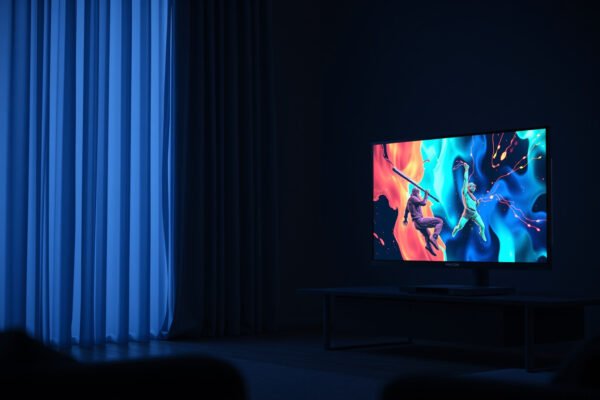
If you’re deciding between a Mini-LED TV and a gaming monitor, the winning choice depends on one thing: where you’ll play. For competitive gaming in a dim room with low input lag and high refresh rates, a Mini-LED gaming monitor is the clear pick. Want a bigger screen for couch play with HDR punch and…
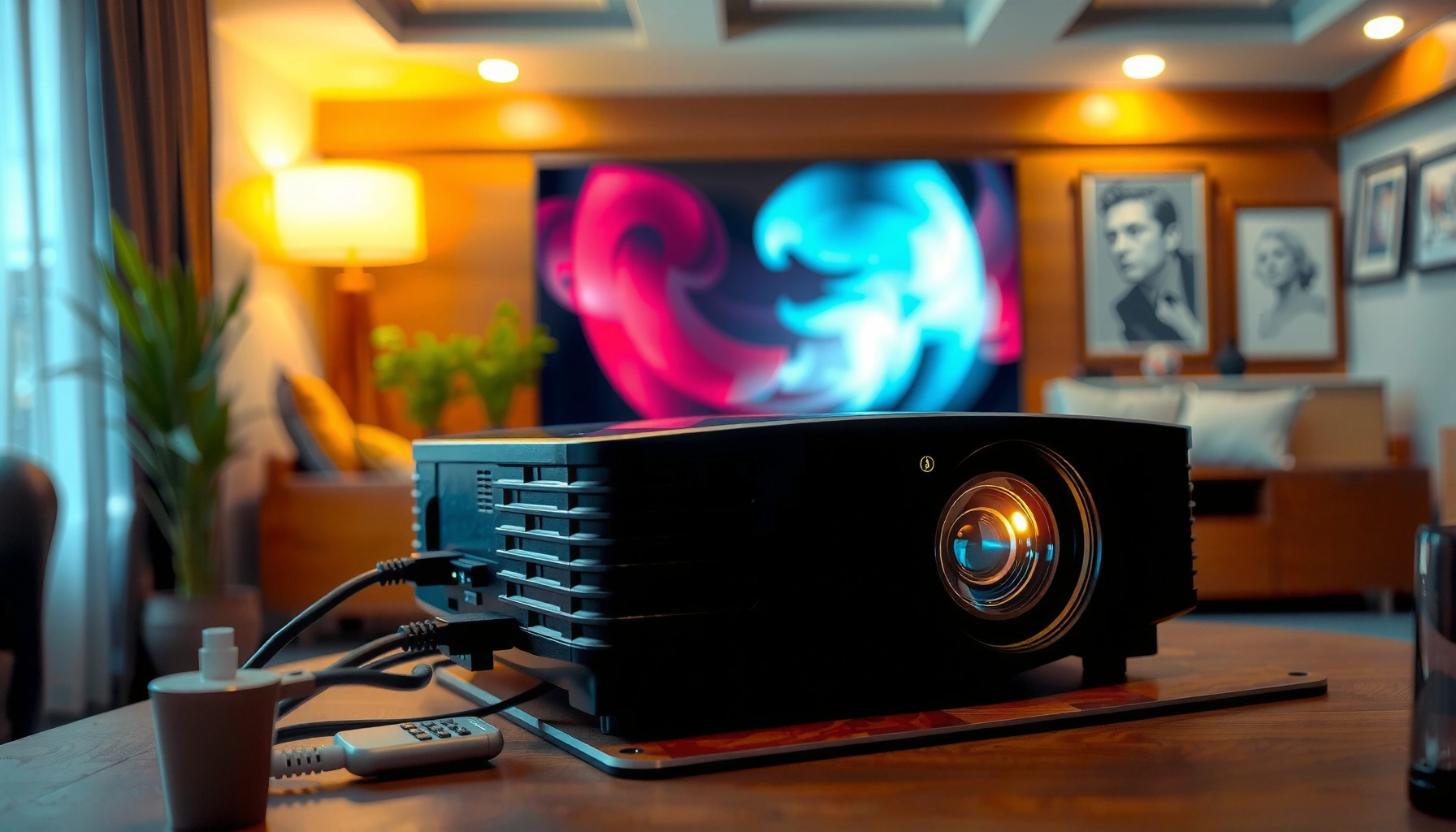
Struggling with common budget projector problems and want the fastest way to fix them? This guide gives clear, do-this-first solutions for the issues that actually stop budget units—blurry focus, dim output, color problems, connectivity failures, and stuttering playback. You’ll get the most reliable fix for each problem, so you can restore a sharp, bright picture…
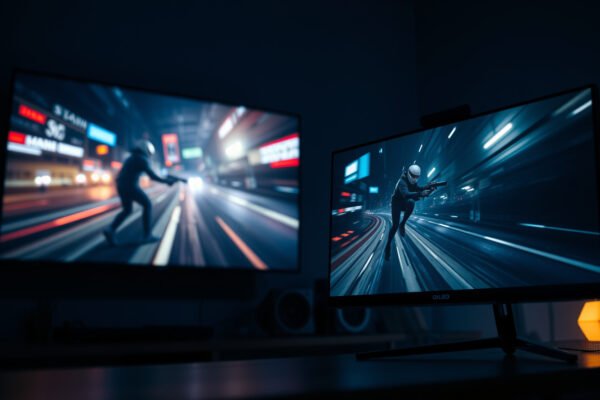
Choosing between an OLED TV and an OLED gaming monitor for gaming comes down to one question: which delivers the better experience for your setup. If you want the most responsive gameplay with the lowest input lag and the tightest motion clarity, the OLED gaming monitor is the clear winner. Prefer bigger screens and couch-friendly…
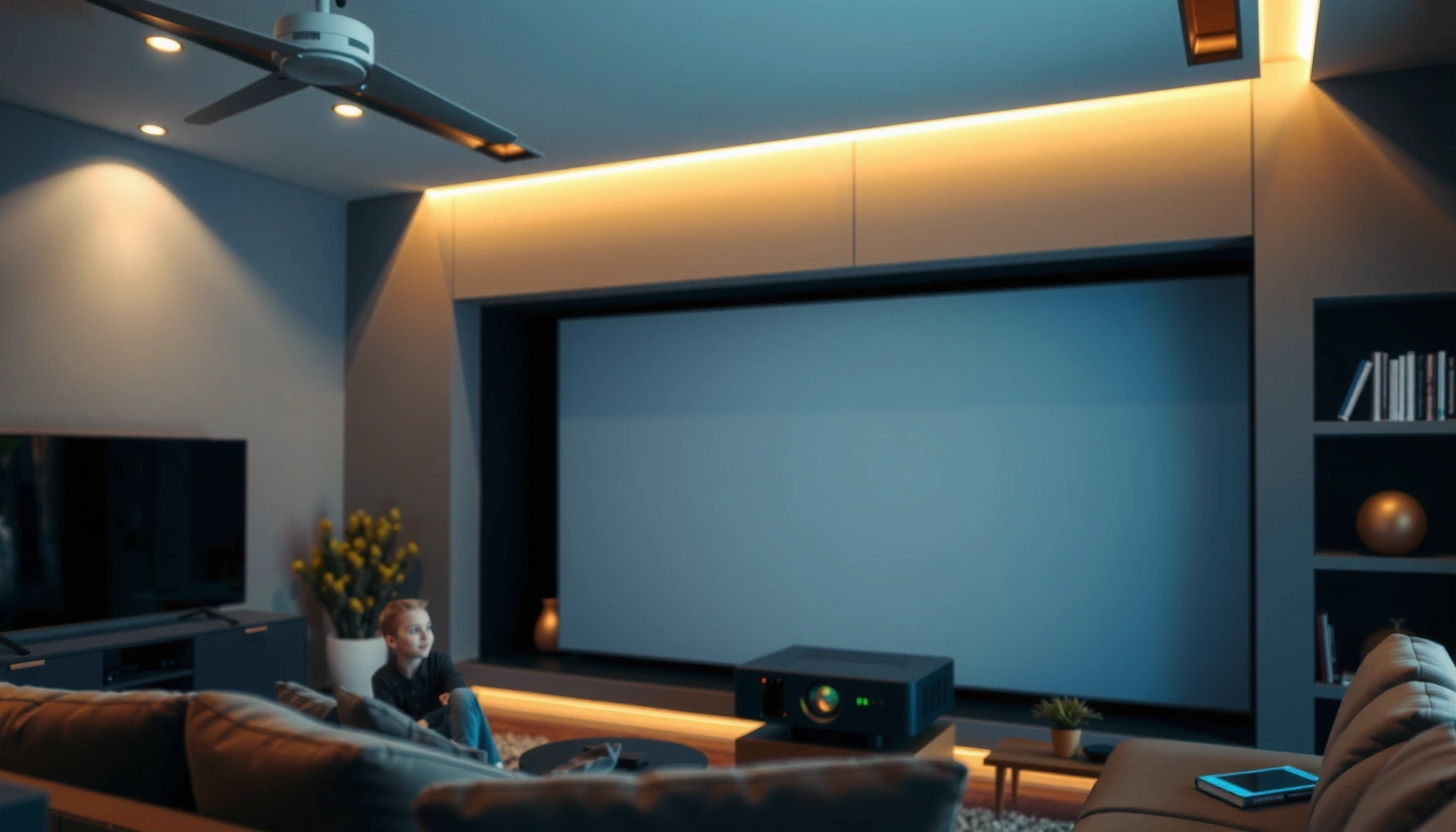
Buying a budget projector? This checklist tells you exactly what to look for in a budget projector—brightness, native resolution, contrast, and connectivity—so you know whether it will actually deliver a usable picture in your room. If you’re shopping to avoid common budget traps like washed-out images, weak throw distances, and missing inputs, this guide provides…

Looking to optimize OFDMA for higher throughput? This guide delivers practical, step-by-step actions—how to tune subcarrier allocation, scheduling, and modulation/coding choices—to maximize cell capacity under real constraints. You’ll also get a clear checklist for avoiding the throughput killers that commonly sabotage OFDMA performance in deployment. OFDMA performance improves most when you tune five things together:…
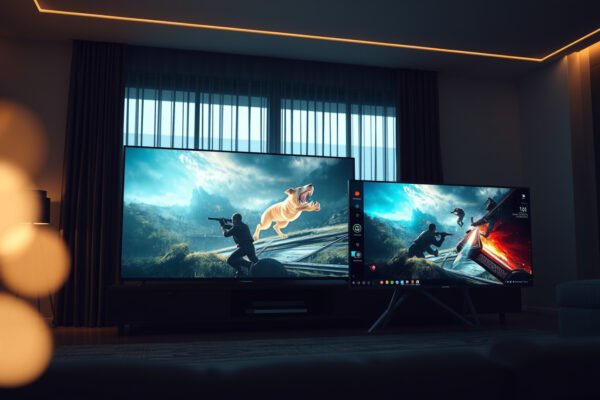
Trying to choose between a 4K TV and a gaming monitor for the best gaming experience? The direct answer: pick a gaming monitor if you want the lowest input lag and the smoothest motion for fast games, especially at high refresh rates. Choose a 4K TV instead when your priority is a big-screen living-room setup,…