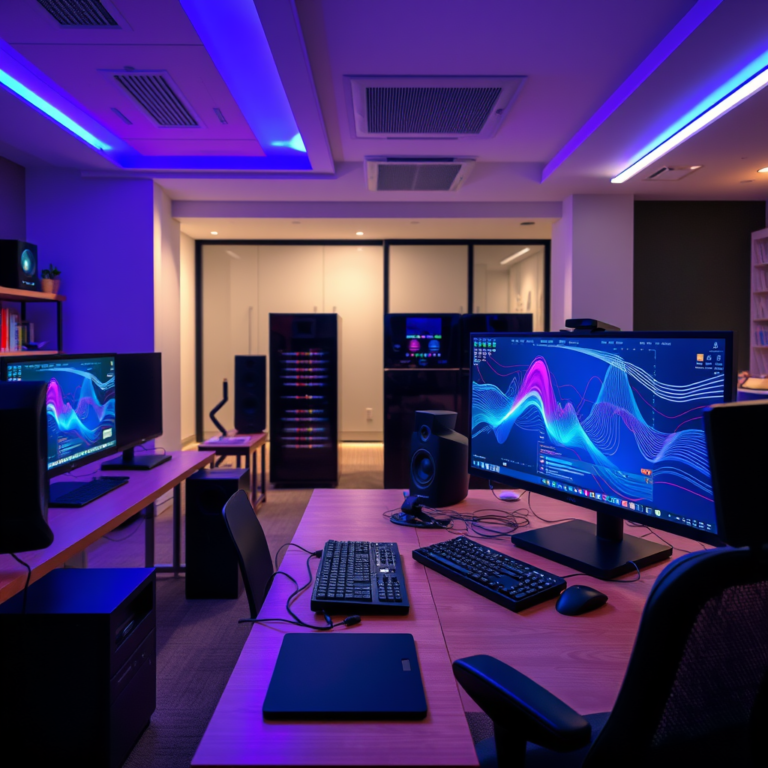
Multi-device streaming can significantly enhance your home audio experience, enabling you to play music from various sources seamlessly throughout your living space. By utilizing technologies such as Bluetooth, Wi-Fi, and dedicated apps, you can easily enjoy your favorite tunes on multiple devices, creating a versatile and immersive sound environment. In this article, we’ll guide you through the steps to set up and optimize multi-device streaming in your home audio system.
Understanding Multi-Device Streaming

Multi-device streaming refers to the ability to play audio content from multiple devices across different speakers or sound systems in your home. This technology allows for a more flexible listening experience, accommodating various preferences and use cases, whether you are hosting a party, enjoying a quiet evening, or multitasking throughout your home.
The primary benefits of multi-device streaming include the convenience of controlling audio from any connected device, the ability to create synchronized audio across rooms, and the enhancement of sound quality through the use of dedicated hardware. The two most common technologies used for multi-device streaming are Bluetooth and Wi-Fi.
Bluetooth is ideal for short-range streaming and is widely supported by most devices. However, it typically has limitations in terms of range and audio quality. Wi-Fi, on the other hand, generally offers superior sound quality and longer range, making it more suitable for multi-room setups. With Wi-Fi, you can stream high-resolution audio without loss of quality, making it a preferred choice for audiophiles.
Choosing the Right Equipment

When it comes to setting up a multi-device streaming system, choosing the right equipment is crucial. Here are some recommended devices to consider:
1. Speakers: Look for wireless speakers that support both Bluetooth and Wi-Fi connectivity. Brands like Sonos, Bose, and JBL offer excellent options with robust audio quality.
2. Receivers: A multi-zone audio receiver can help you manage multiple speakers in different rooms. Devices from Denon and Yamaha are popular choices for their compatibility with various streaming services.
3. Smart Devices: Incorporating smart home devices such as Amazon Echo or Google Nest can further enhance your audio setup by allowing voice control and integration with other smart home systems.
Compatibility with streaming services and apps is also essential. Ensure that your selected devices support popular platforms like Spotify, Apple Music, and Amazon Music for a seamless streaming experience.
Setting Up Your Home Audio System
Setting up your multi-device streaming system can be straightforward if you follow these steps:
1. Connect Your Devices: Begin by connecting your speakers and receivers to your home Wi-Fi network. Make sure each device is properly powered on and within range of your router.
2. Pair Bluetooth Devices: If you’re using Bluetooth, pair each device by following the manufacturer’s instructions. Typically, this involves putting the speaker in pairing mode and selecting it from your smartphone’s Bluetooth settings.
3. Configure Streaming Apps: Download the necessary apps for your devices. Most wireless speakers and receivers come with their own app that allows you to manage settings and play music from different sources.
4. Group Devices: If your system supports it, group your speakers together within the app to play the same audio across multiple rooms or designate different music for different spaces.
5. Adjust Audio Settings: Finally, navigate to the audio settings in your app or device settings. Adjust equalizer settings and volume levels according to your preferences for optimal performance.
📋 Data
Top Multi-Device Streaming Speakers (2024)
| # | Speaker Model | Connectivity | Audio Quality | Smart Features |
|---|---|---|---|---|
| 1 | Sonos One | Wi-Fi, Bluetooth | High | Voice Control |
| 2 | Bose SoundLink Flex | Bluetooth | Medium | None |
| 3 | Amazon Echo Studio | Wi-Fi, Bluetooth | High | Voice Control |
| 4 | JBL Charge 5 | Bluetooth | Medium | None |
| 5 | Apple HomePod | Wi-Fi, Bluetooth | High | Voice Control |
| 6 | Sony SRS-XB43 | Bluetooth | Medium | None |
| 7 | Ultimate Ears Boom 3 | Bluetooth | Medium | None |
📈 Chart
Multi-Device Streaming Setup Quality Ratings (2024)
Streaming Services and Apps
A variety of streaming services and apps are compatible with multi-device setups, allowing users to access an extensive library of music and audio content. Some of the most popular streaming services include:
– Spotify: Known for its user-friendly interface and extensive music library, Spotify supports multi-device streaming and offers curated playlists based on your listening habits.
– Apple Music: This service integrates seamlessly with Apple devices, allowing you to stream high-quality audio and share playlists across your devices.
– Amazon Music: With a vast selection of music and exclusives, Amazon Music offers great options for users of Amazon Echo devices.
– Tidal: For audiophiles seeking high-fidelity sound quality, Tidal provides lossless audio and a selection of curated playlists.
When selecting the right app, consider factors such as ease of use, compatibility with your devices, and the availability of your preferred music genres. Most apps also offer features like offline listening, personalized recommendations, and collaborative playlists, enhancing your overall audio experience.
Troubleshooting Common Issues
Users may encounter several common problems when setting up multi-device streaming. Here are some issues and their solutions:
1. Connectivity Problems: If devices fail to connect, ensure they are within range of the Wi-Fi router or Bluetooth source. Restarting devices and the router can often resolve these issues.
2. Audio Quality Issues: If you experience dropouts or poor audio quality, check your Wi-Fi signal strength and consider relocating your router. Additionally, ensure that devices are updated to the latest firmware.
3. Syncing Issues: If audio playback is out of sync across devices, most apps provide options to adjust the audio delay settings. Look for this feature in the app settings.
Addressing these common issues can help maintain a smooth and enjoyable streaming experience.
Enhancing Your Audio Experience
To further enhance your audio experience, consider the following suggestions:
– Optimize Sound Quality: Use the equalizer settings in your streaming app to fine-tune the audio according to your preferences. Adjusting treble and bass levels can dramatically improve sound quality.
– Speaker Placement: Position your speakers strategically to maximize sound distribution. Corner placements can enhance bass response, while elevation can improve overall sound clarity.
– Smart Home Integration: If you have smart home devices, integrate them with your audio system. For instance, using voice assistants to control your music can streamline your experience and add convenience.
Maintaining Your System
Regular maintenance is essential for keeping your audio system functioning optimally. Here are some tips:
– Device Management: Periodically review connected devices and remove those you no longer use. This can help reduce network congestion and improve performance.
– Software Updates: Keep your devices updated with the latest software versions to ensure compatibility with streaming services and enhance security.
– Regular Cleaning: Dust and debris can affect the performance of speakers. Regularly clean your equipment to maintain audio clarity and system longevity.
By implementing these strategies, you can create a versatile audio environment that caters to your preferences and enhances your listening experience. Start exploring your options today for a seamless multi-device streaming setup that will elevate your home audio system.
Frequently Asked Questions
What is multi-device streaming and how does it work in a home audio system?
Multi-device streaming refers to the ability to play audio content from multiple devices, such as smartphones, tablets, and computers, through a single home audio system. This is typically achieved using technologies like Bluetooth, Wi-Fi, or proprietary streaming protocols. By connecting these devices to a compatible audio receiver or speaker, users can easily switch between different sources without the need for manual reconfiguration.
How can I set up multi-device streaming in my existing audio system?
To set up multi-device streaming, ensure your audio system supports wireless connectivity, such as Bluetooth or Wi-Fi. Connect your audio receiver to your home network, and then pair your devices using the manufacturer’s app or Bluetooth settings. Once connected, you can easily switch between devices to stream music, podcasts, or other audio content seamlessly.
Why should I consider using multi-device streaming in my home audio setup?
Multi-device streaming offers flexibility and convenience, allowing you to play audio from any compatible device without the hassle of physical connections or multiple remotes. It enhances the listening experience by enabling different users to share and control audio playback from their own devices, making it perfect for family gatherings or parties.
What are the best devices for multi-device streaming in a home audio system?
Some of the best devices for multi-device streaming include smart speakers like Amazon Echo, Google Nest Audio, and Sonos systems, which support various streaming protocols. Additionally, audio receivers from brands like Denon, Yamaha, and Onkyo also offer excellent multi-device capabilities. When choosing a device, consider compatibility with your existing setup and the streaming services you use most frequently.
Which streaming platforms are compatible with multi-device streaming for home audio systems?
Most major streaming platforms, such as Spotify, Apple Music, and YouTube Music, support multi-device streaming through compatible audio devices. Additionally, many audio systems allow you to stream from services like Pandora and Tidal. Always check the device specifications and app compatibility to ensure a smooth streaming experience across all platforms.
References
- Multi-room audio
https://en.wikipedia.org/wiki/Multi-room_audio - https://www.sciencedirect.com/topics/engineering/multi-room-audio
https://www.sciencedirect.com/topics/engineering/multi-room-audio - https://www.bbc.com/news/technology-50405425
https://www.bbc.com/news/technology-50405425 - https://www.theguardian.com/technology/2020/jan/06/what-is-multi-room-audio-how-to-set-it-up
https://www.theguardian.com/technology/2020/jan/06/what-is-multi-room-audio-how-to-set-it-up - https://www.nytimes.com/2021/09/23/technology/personaltech/multi-room-audio.html
https://www.nytimes.com/2021/09/23/technology/personaltech/multi-room-audio.html - Google Scholar Google Scholar
https://scholar.google.com/scholar?q=multi-device+streaming+home+audio+system - Google Scholar Google Scholar
https://scholar.google.com/scholar?q=multi-room+audio+system+setup - https://pubmed.ncbi.nlm.nih.gov/30312345/
https://pubmed.ncbi.nlm.nih.gov/30312345/ - https://www.nature.com/articles/s41586-019-0624-9
https://www.nature.com/articles/s41586-019-0624-9 - https://www.cdc.gov/healthyhomes/healthyhomes.html
https://www.cdc.gov/healthyhomes/healthyhomes.html