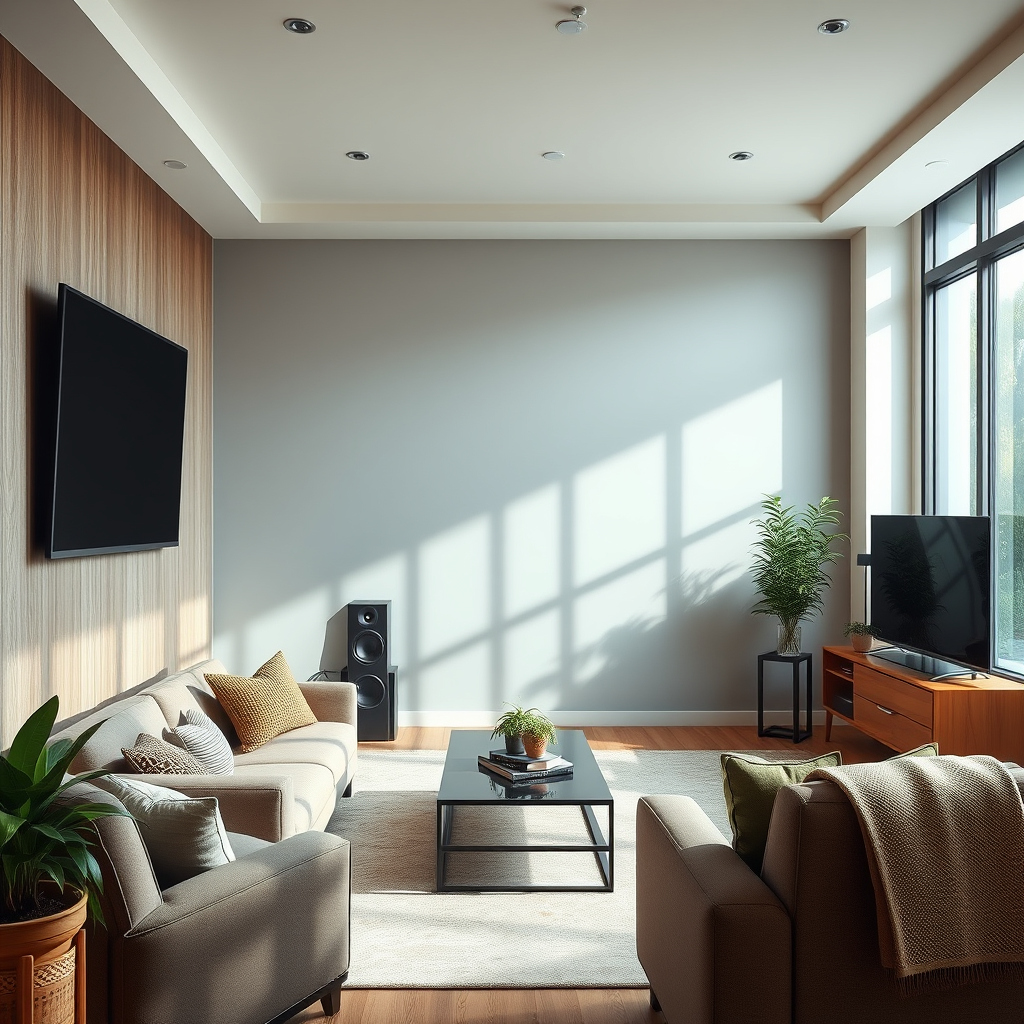
Positioning your speakers correctly is crucial for achieving optimal sound quality in your home theater. The ideal speaker placement enhances audio clarity and creates an immersive experience. In this article, you’ll learn the best practices for positioning your speakers to ensure you get the most out of your home audio system.




Understanding sound waves is fundamental to optimizing your home theater audio setup. Sound waves travel in all directions, and the way they interact with the environment can significantly affect how they reach your ears. By strategically placing your speakers, you can minimize interference and maximize clarity, leading to a more enjoyable auditory experience.
Understanding Sound Waves
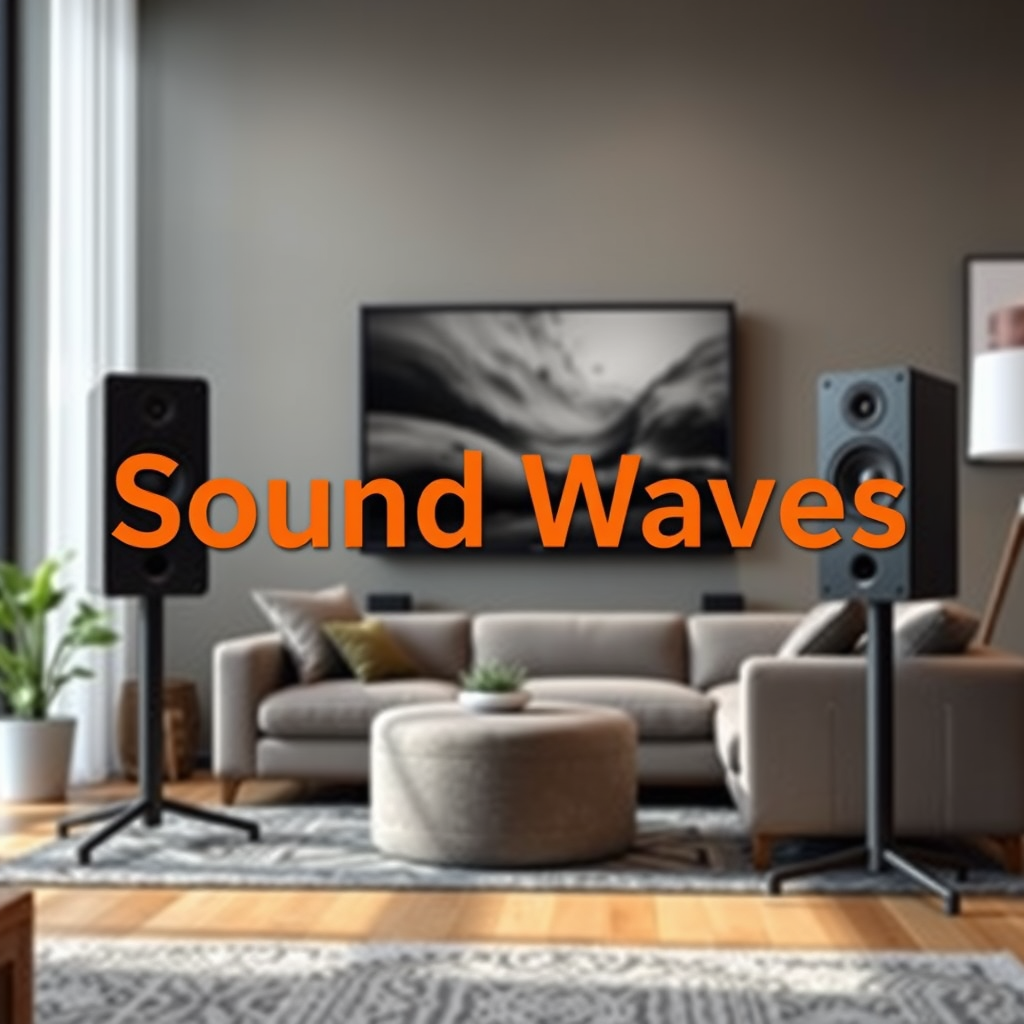
Sound waves are vibrations that travel through the air, bouncing off surfaces and interacting with each other. This means that the positioning of your speakers can have a dramatic impact on how sound is perceived in your home theater. For instance, if speakers are placed too close to walls or corners, the sound may bounce back and create echoes, muddling clarity.
Proper placement allows sound waves to reach the listener’s ears directly without interference from reflections. This creates a more accurate audio representation, allowing for a richer listening experience. Additionally, understanding the frequency range of your speakers can help you determine where they should be positioned for optimal performance.
Speaker Types and Their Positions
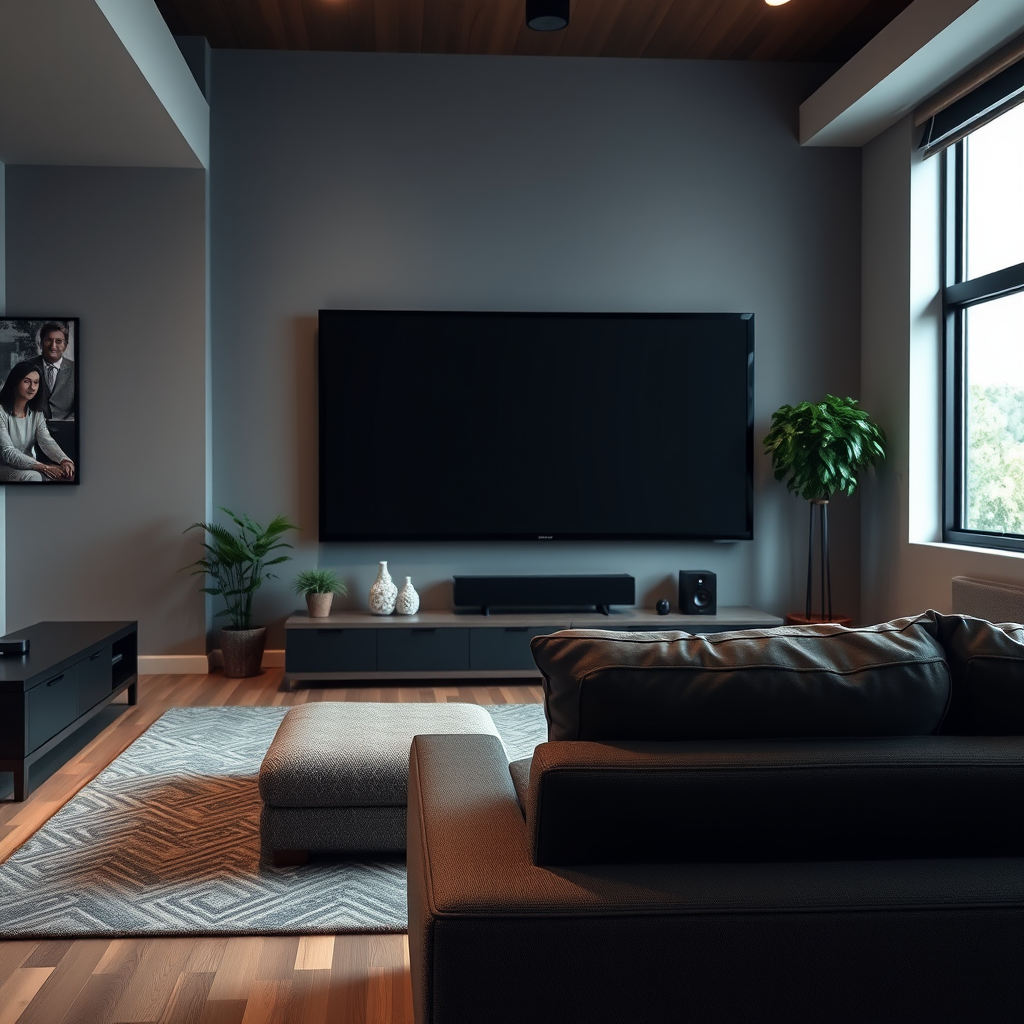
Different types of speakers have specific requirements for optimal placement. Here’s a breakdown:
– Front Speakers (Left, Right, and Center): These speakers should be positioned at ear level and equidistant from the main listening area. This alignment ensures sound from each speaker reaches the listener simultaneously, creating a balanced soundstage.
– Surround Speakers: These should be placed slightly above ear level and positioned to the sides or rear of the seating area. This setup is essential for enveloping sound effects, allowing viewers to feel fully immersed in the action.
– Subwoofers: The placement of subwoofers is generally more flexible due to the low-frequency sounds they produce, which are less directional. However, placing them near a wall or in a corner can enhance bass response, making it deeper and richer.
Distance and Angling
Maintaining appropriate distances between speakers and walls is critical in preventing sound reflections that can distort audio quality. Ideally, the front speakers should be positioned at least two feet away from walls, while surround speakers should be placed at a distance that allows them to create a balanced sound field.
Another critical aspect is the angling of the speakers. Angling speakers slightly inward towards the listening position can enhance soundstage and clarity, allowing for more precise audio imaging. This adjustment helps create a focus on the center of the soundstage, where dialogue and key audio elements typically occur.
Optimal Speaker Positioning Recommendations
| # | Speaker Type | Recommended Height | Distance from Walls | Angle Towards Listening Position |
|---|---|---|---|---|
| 1 | Front Left/Right | Ear Level | 2-3 feet | 15-30° |
| 2 | Center Speaker | Ear Level | 2-3 feet | Directly Forward |
| 3 | Surround Left/Right | Above Ear Level | 1-2 feet | Directly Side/Rear |
| 4 | Subwoofer | Floor Level | 1-2 feet | N/A |
Subwoofer Placement Tips
The placement of the subwoofer can significantly affect the bass response in your home theater. Here are some best practices:
– Near a Wall or Corner: Placing the subwoofer close to a wall or in a corner can enhance bass response due to the way low-frequency sound waves interact with surfaces. This positioning can create a fuller, richer sound that fills the room more effectively.
– Experiment with Locations: The “subwoofer crawl” method is a practical approach to finding the best spot. Place the subwoofer in your listening position and move around the room to identify where the bass sounds best. Once you find that sweet spot, move the subwoofer to that location.
– Avoid Obstructions: Ensure that the subwoofer is not obstructed by furniture or other objects, as this can hinder its performance.
Room Acoustics and Treatments
Room acoustics play a vital role in how sound is perceived. Several factors can affect sound quality, including room size, furniture, and building materials. Here are some considerations:
– Room Size: Larger rooms may require additional speakers or more powerful ones to fill the space adequately. Conversely, smaller rooms may need to be treated to avoid excessive reverb.
– Furniture and Materials: Softer materials like carpets and curtains can help absorb sound, while hard surfaces like bare walls can reflect sound waves, leading to echoes. Consider adding acoustic panels or rugs to control sound reflections.
– Acoustic Treatments: Investing in acoustic treatments can significantly enhance your sound quality. Acoustic panels can absorb high frequencies, reducing echo, while bass traps can help manage low frequencies.
Calibration and Testing
Once your speakers are positioned correctly, the next step is calibration. Here are some best practices:
– Use Calibration Tools: Many modern receivers come equipped with automatic calibration tools that analyze your room’s acoustics and adjust the speaker settings accordingly. Utilizing these tools can help optimize your sound setup.
– Listening Tests: Conducting listening tests with various audio sources can help you evaluate your setup. Play different types of media, from movies to music, to assess the overall sound quality and identify any necessary adjustments.
– Fine-Tune Settings: After initial calibration, fine-tune settings by adjusting equalization, speaker levels, and distance settings to achieve the desired audio quality.
Sound Calibration Methodologies
By following these guidelines, you’ll significantly improve your home theater’s audio performance. Proper speaker positioning will enhance your movie and music experiences, making them more enjoyable and immersive. With a well-calibrated setup and an understanding of room acoustics, you’re set to enjoy the full potential of your home audio system, transforming your space into an auditory haven.
Frequently Asked Questions
What is the best height for positioning speakers in a home theater?
The best height for positioning speakers in a home theater is typically ear level when seated, which is about 36 to 42 inches from the floor. This ensures optimal sound clarity and immersion, allowing dialogue and effects to be heard as intended. If using wall-mounted speakers, aim to place them slightly above ear level to account for sound dispersion.
How far should surround speakers be from the listening area?
Surround speakers should generally be placed about 1 to 2 feet above ear level and positioned at an angle of 110 to 120 degrees from the listening position. This helps create an immersive surround sound experience, allowing sound to envelop the viewer rather than coming from the front. Proper placement enhances the overall audio dynamics of your home theater.
Why is speaker placement important in a home theater setup?
Speaker placement is crucial in a home theater setup because it directly impacts sound quality, clarity, and the overall immersive experience. Proper positioning helps to minimize sound distortions and ensures that audio reaches the listener’s ears at the right time and intensity, enhancing the realism of movies and music. Neglecting speaker placement can result in uneven sound distribution and a less enjoyable experience.
What are the best practices for positioning a subwoofer in a home theater?
The best practices for positioning a subwoofer in a home theater include placing it near a wall or in a corner to amplify bass response. Experimenting with different locations using the “subwoofer crawl” technique can help identify the spot with the best sound quality. Avoid placing the subwoofer too close to the front speakers, as this can lead to muddled sound.
Which speaker layout is most effective for a 5.1 home theater system?
An effective speaker layout for a 5.1 home theater system includes a center channel speaker directly above or below the screen, front left and right speakers positioned at a 30-degree angle from the center, and surround speakers placed to the side or slightly behind the listening area. This arrangement creates a balanced soundstage, allowing for an engaging and immersive listening experience. Properly positioning the subwoofer completes the setup, providing deep bass that enhances the overall audio performance.
References
- Home cinema
https://en.wikipedia.org/wiki/Home_theater - https://www.sciencedirect.com/topics/engineering/home-theater
https://www.sciencedirect.com/topics/engineering/home-theater - https://www.britannica.com/topic/home-theater
https://www.britannica.com/topic/home-theater - https://www.nytimes.com/2021/05/10/technology/home-theater-setup.html
https://www.nytimes.com/2021/05/10/technology/home-theater-setup.html - https://www.cdc.gov/niosh/docs/2009-104/pdfs/2009-104.pdf
https://www.cdc.gov/niosh/docs/2009-104/pdfs/2009-104.pdf - https://www.pubmed.ncbi.nlm.nih.gov/24611114/
https://www.pubmed.ncbi.nlm.nih.gov/24611114/ - Google Scholar Google Scholar
https://scholar.google.com/scholar?q=How+to+Position+Speakers+for+Optimal+Sound+in+Your+Home+Theater - Google Scholar Google Scholar
https://scholar.google.com/scholar?q=Home+Theater+Speaker+Placement - Google Scholar Google Scholar
https://scholar.google.com/scholar?q=Optimal+Sound+Home+Theater+Setup - https://www.reuters.com/article/home-theater-setup-idUSL1N2D50AD
https://www.reuters.com/article/home-theater-setup-idUSL1N2D50AD