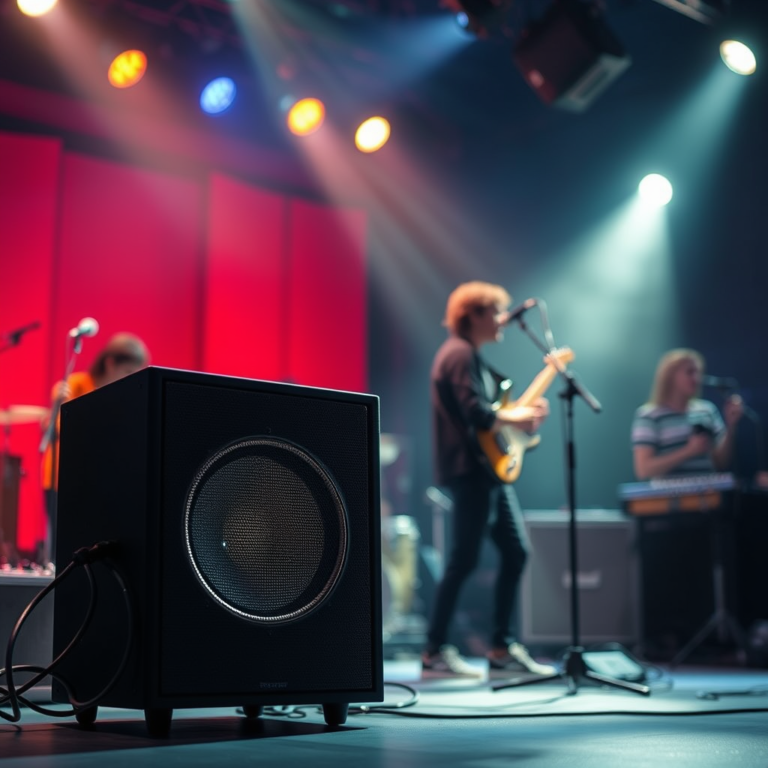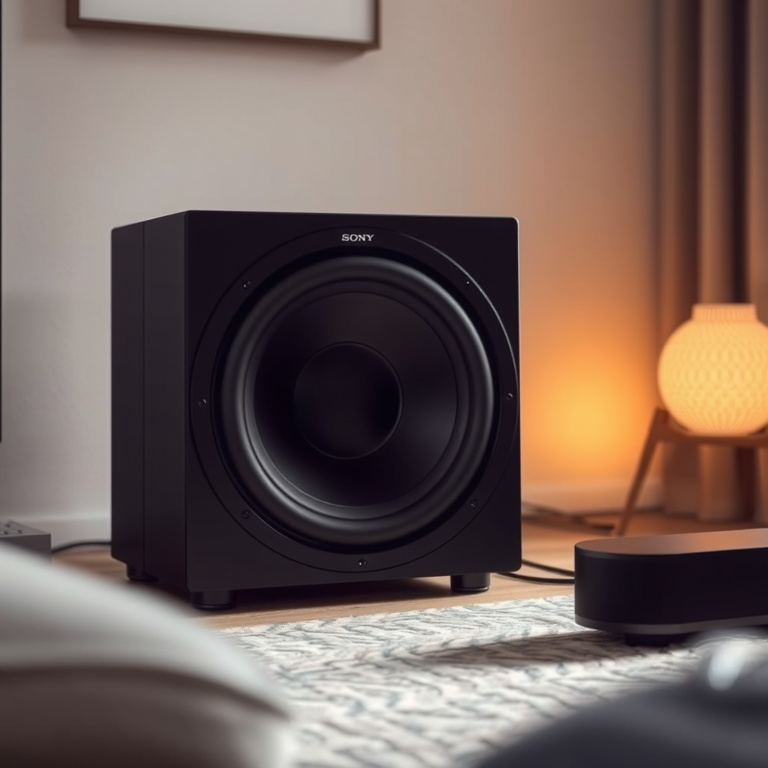

To effectively improve sound quality, using bass traps and acoustic panels is essential for reducing unwanted echoes and enhancing audio clarity. These acoustic treatments are key to managing sound within any space, whether it’s a home studio, a listening room, or a commercial environment. In this article, you will learn the best practices for strategically placing these acoustic treatments in your space to achieve optimal sound performance.
Understanding Bass Traps and Acoustic Panels
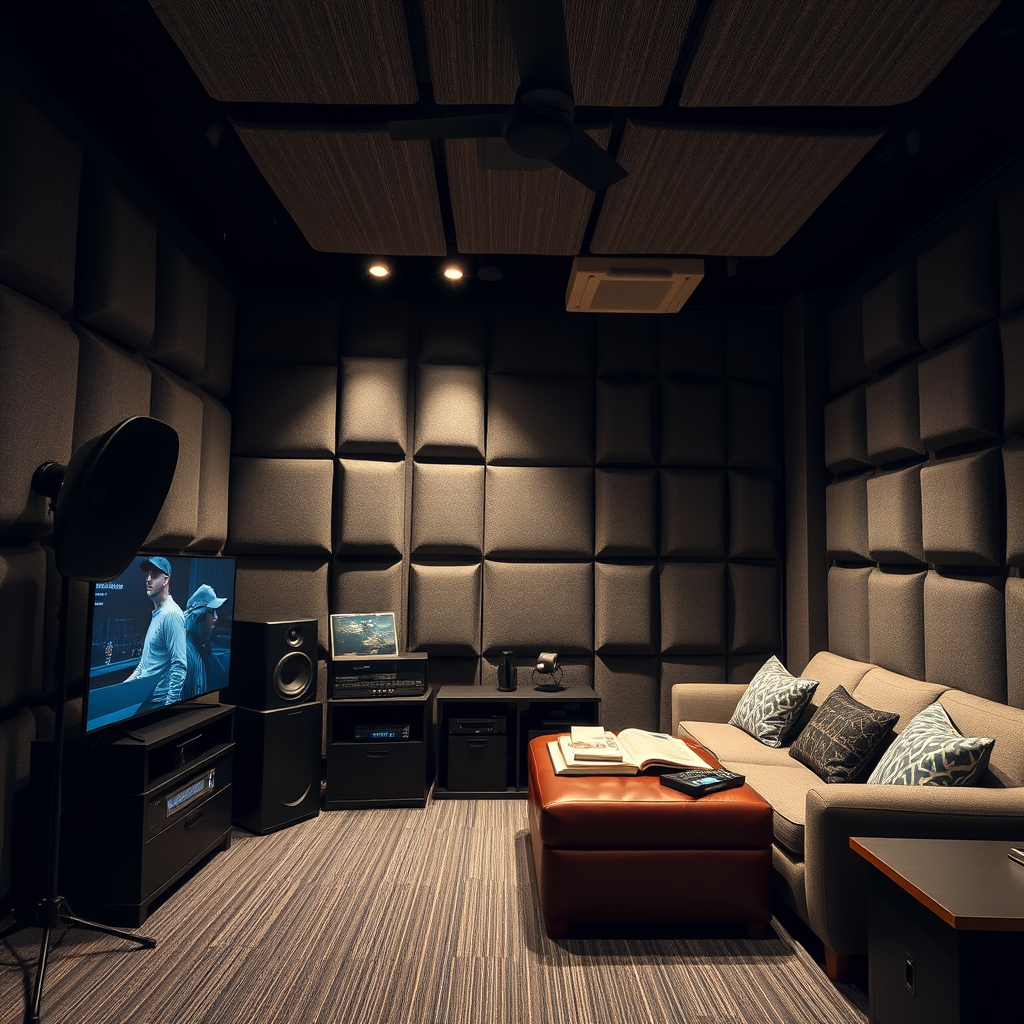
Bass traps and acoustic panels serve distinct yet complementary functions in sound management. Bass traps are specifically designed to absorb low-frequency sounds, which are often the culprits behind muddiness in audio. They are typically thicker and denser than standard panels, allowing them to effectively mitigate bass buildup, especially in corners where sound waves congregate.
On the other hand, acoustic panels target mid to high-frequency sounds, absorbing them to prevent echoes and enhance clarity. These panels can significantly improve the intelligibility of speech and the overall quality of music playback. Understanding the differences between these two types of acoustic treatments is crucial for effectively addressing sound issues in any given space.
Placement of Bass Traps
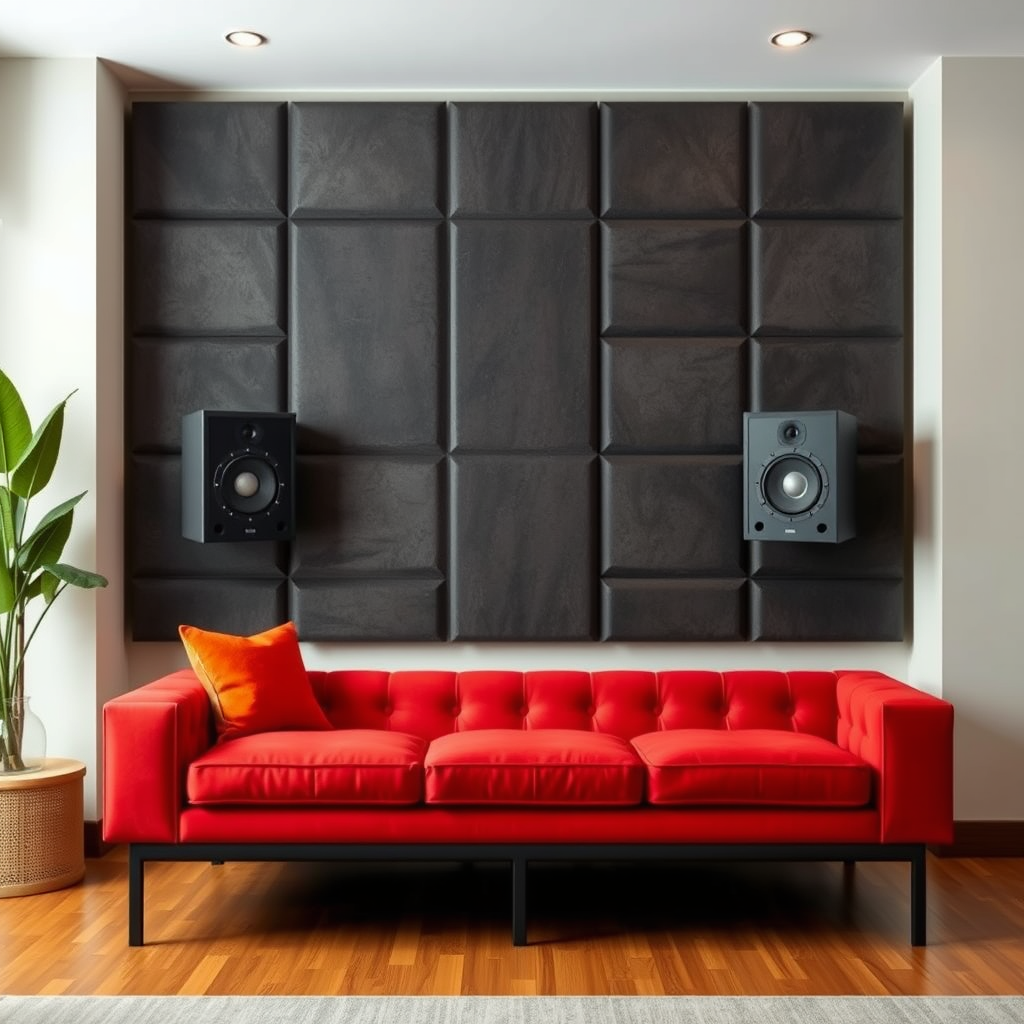
The placement of bass traps is critical to their effectiveness. Here are some best practices:
– Corners: Position bass traps in the corners of the room, as this is where low-frequency sound waves tend to accumulate. The corner placement helps to absorb these waves before they can cause problems, such as excessive resonance or muddiness in the audio.
– Height Variation: Use bass traps at different heights around the room. Sound reflects at various angles, so having traps positioned at different heights allows you to capture sound reflections throughout the room more effectively.
– Wall Junctions: Consider placing bass traps at the junctions where walls meet the floor and where walls meet each other. This strategic placement helps to target bass build-up that occurs at these critical points.
– Room Dimensions: Be aware of the room’s dimensions, as certain frequencies resonate more strongly in larger spaces. Tailoring the placement of bass traps according to the specific dimensions of your room can yield better results.
Placement of Acoustic Panels
For acoustic panels, placement is equally important. Follow these guidelines for best results:
– First Reflection Points: Install panels at the first reflection points, which are the areas where sound first bounces off walls before reaching the listener’s ears. You can locate these points by using a mirror and sitting in your listening position; wherever you see the speakers in the mirror is a first reflection point.
– Large Wall Areas: Covering larger wall areas with acoustic panels can greatly enhance the sound environment. This is particularly effective in spaces with hard surfaces, as it reduces the overall reverberation time and creates a more balanced sound.
– Ceilings: Don’t forget about the ceiling. Installing panels on the ceiling can help to manage sound reflections that can muddy the audio experience, especially in rooms with high ceilings.
– Symmetry: Aim for a symmetrical layout when placing acoustic panels. This not only contributes to aesthetic appeal but also ensures that sound absorption is uniform across the room.
Acoustic Treatment Options Comparison (2023)
| # | Treatment Type | Frequency Range | Material | Installation Ease |
|---|---|---|---|---|
| 1 | Bass Traps | 20Hz – 250Hz | Foam, Fiberglass | Moderate |
| 2 | Acoustic Panels | 250Hz – 4kHz | Foam, Fabric | Easy |
| 3 | Diffusers | 500Hz – 5kHz | Wood, Plastic | Moderate |
| 4 | Reflective Panels | All Frequencies | Glass, Metal | Hard |
| 5 | Ceiling Clouds | 100Hz – 5kHz | Foam, Fabric | Easy |
| 6 | Portable Panels | 250Hz – 4kHz | Foam, Fabric | Very Easy |
Choosing the Right Materials
Selecting the appropriate materials for bass traps and acoustic panels is crucial for achieving effective sound absorption:
– High-Density Foam: This material is commonly used in acoustic panels due to its excellent ability to absorb sound waves. It is lightweight and easy to install, making it a popular choice for both professional and home environments.
– Fiberglass: Often found in bass traps, fiberglass panels are denser and provide superior low-frequency absorption. They are highly effective in controlling bass buildup, making them ideal for larger spaces or those with significant sound issues.
– Aesthetics: While functionality is paramount, the appearance of acoustic treatments should not be overlooked. Many manufacturers offer panels and traps in various colors and designs, allowing you to choose options that complement your decor while still offering acoustic benefits.
– Budget Considerations: Acoustic treatment materials can vary significantly in price. It’s important to find a balance between cost and performance. Researching brands and reading reviews can help you identify the best products for your budget.
Testing and Adjusting
After installation, testing and adjusting your acoustic treatments is vital to ensure optimal performance:
– Audio Analysis Tools: Utilize software or hardware tools to measure sound quality before and after the installation of bass traps and acoustic panels. This data can provide insights into frequency response and reverberation time, helping you assess the effectiveness of your treatments.
– Listening Tests: In addition to technical measurements, conduct listening tests to evaluate how the changes affect audio clarity and balance. Pay attention to specific frequencies that may still require further treatment.
– Adjustment: Be prepared to adjust the number and placement of panels and traps based on your room’s acoustics. Sometimes, small changes can lead to significant improvements in sound quality.
Combining Treatments for Best Results
For the best results in improving sound quality, consider combining bass traps and acoustic panels:
– Comprehensive Sound Treatment: Using both types of treatments together allows for a more comprehensive approach to sound management. While bass traps focus on low frequencies, acoustic panels enhance clarity in the mid to high ranges, creating a well-rounded sound environment.
– Targeted Solutions: Assess your specific sound issues—whether it’s excessive bass, echoes, or a lack of clarity—and adjust the balance of bass traps and panels accordingly. This targeted approach can lead to more effective sound solutions.
– Layering Techniques: Experiment with layering different types of panels and traps for added effectiveness. For instance, placing bass traps in corners while using acoustic panels on walls can create a powerful combination that addresses multiple sound issues.
Effectiveness of Acoustic Treatments in Different Environments
Maintenance and Upkeep
To ensure the ongoing effectiveness of your acoustic treatments, regular maintenance is essential:
– Cleaning: Regularly clean your acoustic panels and bass traps to prevent dust accumulation, which can negatively impact their sound absorption capabilities. Use a vacuum with a brush attachment or a damp cloth to wipe down the surfaces.
– Periodic Assessment: Reassess your treatment arrangement whenever the room’s layout or purpose changes. For instance, if you add new furnishings or upgrade your audio equipment, it may be necessary to adjust the placement of your panels and traps to maintain optimal sound quality.
– Longevity: High-quality acoustic treatments can last for years, but environmental factors such as humidity and temperature changes can affect their performance. Keep your space well-ventilated and avoid exposing treatments to direct sunlight to prolong their lifespan.
By implementing these strategies for bass traps and acoustic panels, you can significantly enhance the sound quality of any space. Start assessing your environment today and consider the adjustments needed to optimize your acoustics for better listening experiences. Improving sound quality is not just about installing treatments; it’s about understanding their unique roles and maintaining them for long-term effectiveness.
Frequently Asked Questions
What are bass traps and how do they improve sound quality?
Bass traps are specialized acoustic panels designed to absorb low-frequency sound waves, which helps reduce echo and enhance clarity in a room. By controlling bass frequencies, they prevent muddiness and distortion, resulting in a more balanced sound experience, particularly in music production and home theaters.
How can I effectively place bass traps in my room for optimal sound improvement?
For optimal sound improvement, bass traps should be placed in the corners of the room where low-frequency waves tend to accumulate. Additionally, consider positioning them at the first reflection points on the walls and ceiling to further reduce unwanted echoes and create a more controlled acoustic environment.
Why should I use acoustic panels in conjunction with bass traps?
Using acoustic panels alongside bass traps provides a comprehensive approach to sound treatment by addressing a broader range of frequencies. While bass traps focus on low frequencies, acoustic panels target mid to high frequencies, resulting in an overall clearer and more defined sound, ideal for both recording and listening environments.
What is the best type of acoustic panel to use for home studios?
The best type of acoustic panel for home studios are those made from high-density foam or fiberglass, as they effectively absorb sound waves and reduce reflections. Look for panels with a thickness of at least 2 inches for optimal absorption across a wide frequency range, ensuring a professional-quality sound in your recording space.
Which common mistakes should I avoid when using bass traps and acoustic panels?
Common mistakes include not placing bass traps in the corners or neglecting the first reflection points, which can lead to ineffective sound treatment. Additionally, overusing panels can create an overly “dead” space; aim for a balanced approach that includes both absorption and reflective surfaces for a more natural sound.
References
- Acoustic panel
https://en.wikipedia.org/wiki/Acoustic_panel - https://www.acoustics.org/education/understanding-acoustic-panels/
https://www.acoustics.org/education/understanding-acoustic-panels/ - https://www.ni.gov.au/knowledge/what-are-acoustic-panels-and-how-do-they-work
https://www.ni.gov.au/knowledge/what-are-acoustic-panels-and-how-do-they-work - https://www.sciencedirect.com/topics/engineering/acoustic-panel
https://www.sciencedirect.com/topics/engineering/acoustic-panel - Google Scholar Google Scholar
https://scholar.google.com/scholar?q=Bass+traps+and+acoustic+panels - Google Scholar Google Scholar
https://scholar.google.com/scholar?q=Improving+sound+with+bass+traps+and+acoustic+panels - Google Scholar Google Scholar
https://scholar.google.com/scholar?q=Acoustic+panels+sound+proofing+techniques - https://www.wwu.edu/wwuacoustics/publications/bass_traps_and_acoustic_panels.pdf
https://www.wwu.edu/wwuacoustics/publications/bass_traps_and_acoustic_panels.pdf - Google Scholar Google Scholar
https://scholar.google.com/scholar?q=The+Best+Ways+to+Use+Bass+Traps+and+Acoustic+Panels+to+Improve+Sound - The Best Ways to Use Bass Traps and Acoustic Panels to Improve Sound – Search results
https://en.wikipedia.org/wiki/Special:Search?search=The+Best+Ways+to+Use+Bass+Traps+and+Acoustic+Panels+to+Improve+Sound