
Optimizing your home theater sound system is crucial for achieving an exceptional audio experience. By strategically focusing on speaker placement, meticulous calibration, and addressing room acoustics, you can significantly enhance sound quality and overall system performance. This guide will walk you through the necessary steps to ensure your sound system delivers the immersive experience you desire, transforming your home into a cinematic audio haven.
Understanding Your Sound System Components
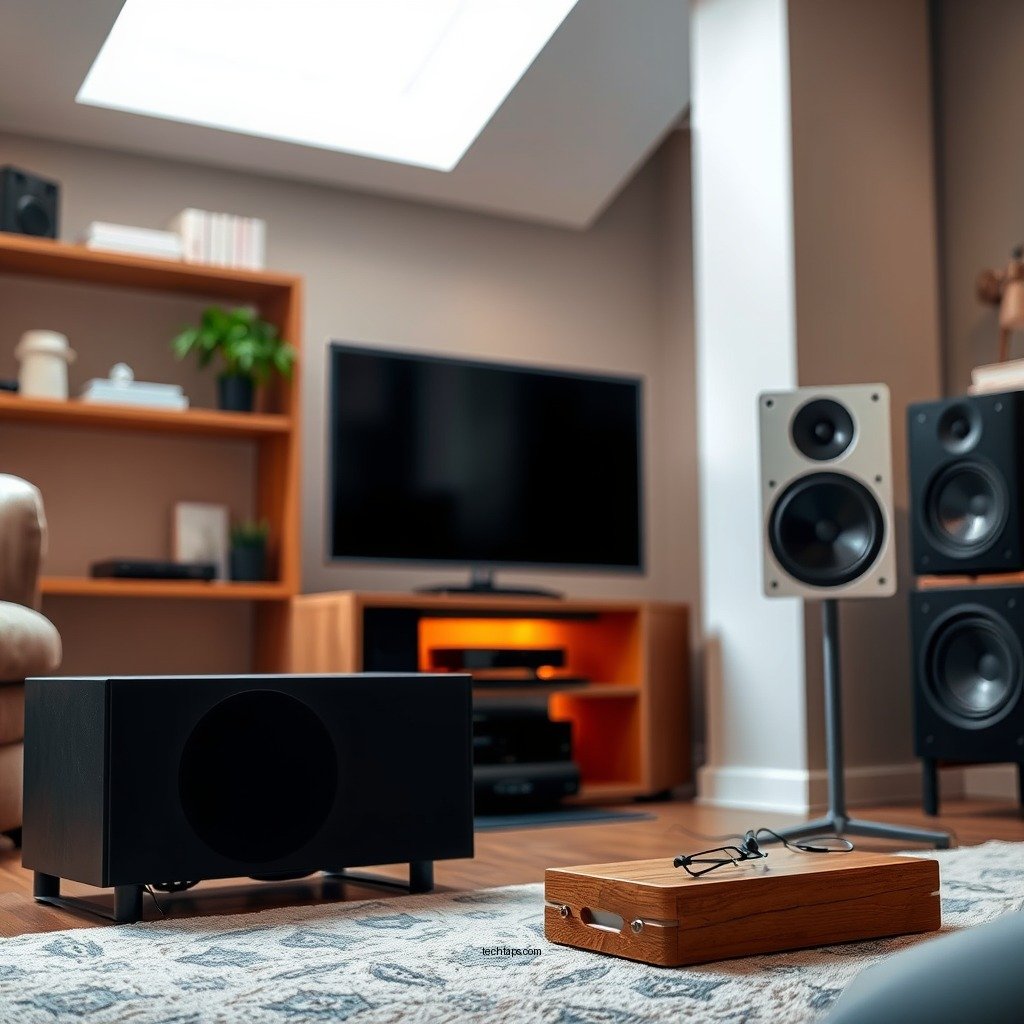
Before diving into optimization strategies, it’s essential to understand the components that make up your sound system. The basic elements include speakers, subwoofers, and receivers, each serving a unique role in delivering audio.
1. Types of Speakers:
– Surround Speakers: These speakers are placed around the seating area to create a three-dimensional sound field. They are typically positioned above ear level, angled towards the listening area.
– Subwoofers: These are specialized speakers designed to reproduce low-frequency sounds (bass). Their placement can significantly influence the overall sound experience.
– Center Channel Speakers: Positioned directly above or below the screen, these speakers handle dialogue and crucial sound effects, ensuring clarity and focus.
2. Receiver Capabilities:
– The receiver acts as the hub of your home theater system, processing audio and video signals. Look for features such as Dolby Atmos support, multiple HDMI inputs, and room calibration capabilities, as these can greatly enhance sound quality and flexibility.
Understanding these components will help you make informed decisions about placement and calibration, setting the foundation for an optimized sound system.
Ideal Speaker Placement
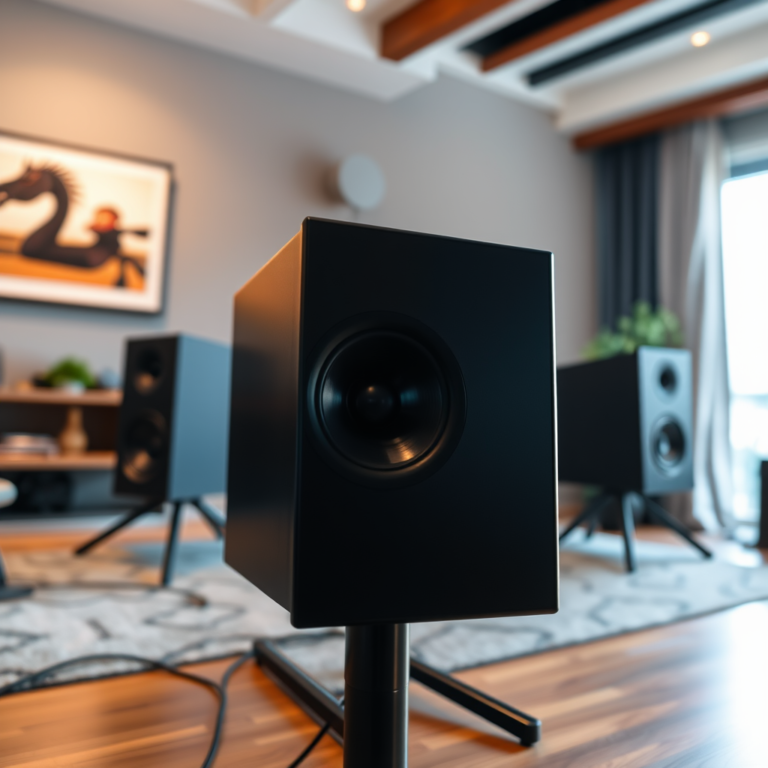
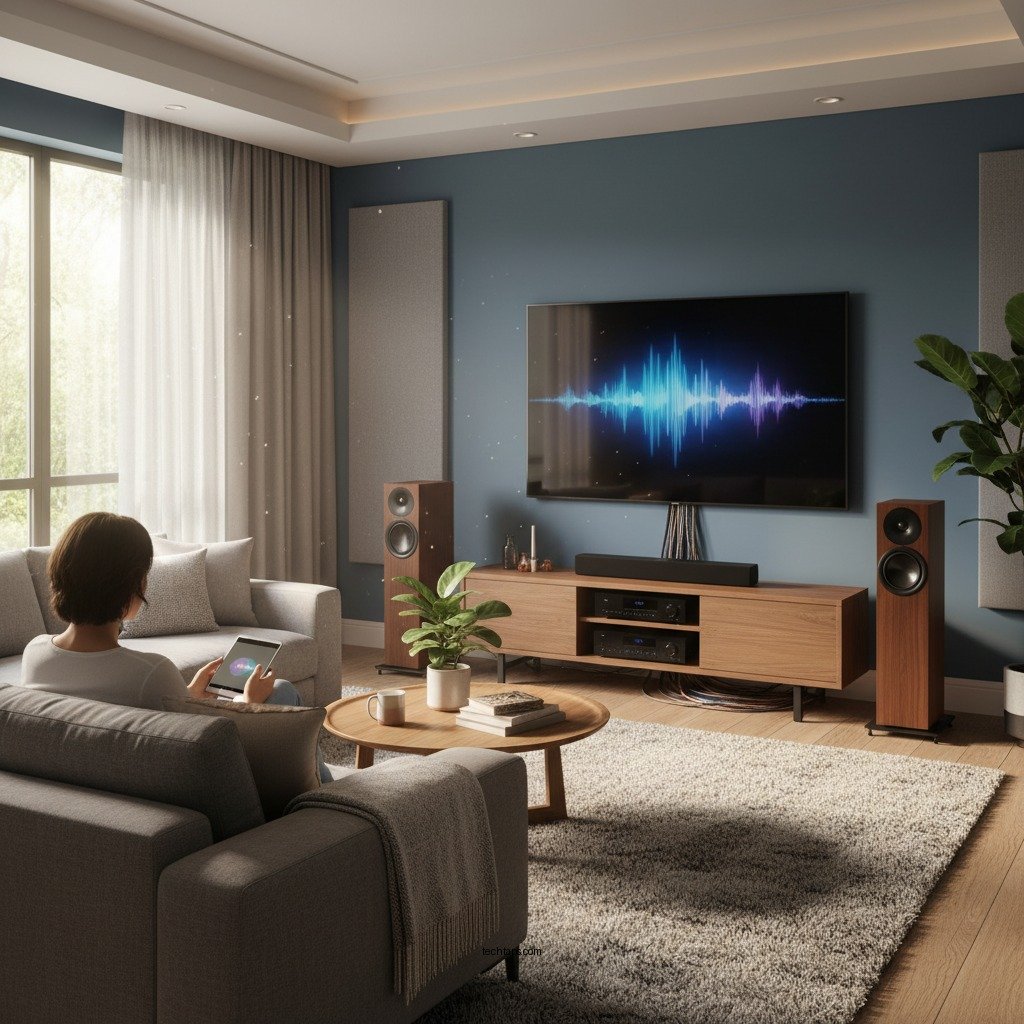
The placement of your speakers is pivotal in achieving an ideal soundstage.
1. Ear Level Positioning:
– Ensure that the front left, center, and right speakers are positioned at ear level when seated. This alignment helps in delivering dialogue and primary sounds directly to the listener, improving clarity.
2. Creating an Immersive Experience:
– Surround speakers should be placed at a 110 to 120-degree angle from the center speaker, ideally slightly above ear level. This positioning allows sound to envelop the listener, adding to the immersive experience.
– The subwoofer, being less directional, can be placed in different locations to find the “best spot” where bass sounds are most effective. Experimenting with placement can lead to significant improvements in sound depth and clarity.
By paying close attention to speaker placement, you can create a balanced and immersive audio environment that enhances your movie-watching experience.
Room Acoustics and Treatment
Room acoustics play a critical role in sound quality. An untreated room can lead to echoes and sound reflections that muddle audio clarity.
1. Assessing Your Room:
– Evaluate the materials present in your room. Hard surfaces like tile and glass reflect sound waves, while soft materials such as carpets and curtains absorb them. A combination of both is ideal for balanced acoustics.
2. Implementing Soundproofing Techniques:
– Acoustic Panels: Installing panels on walls can help absorb excess sound and reduce echo. These panels come in various designs and can be aesthetically pleasing.
– Bass Traps: Position these in corners to manage low-frequency sounds that often lead to muddiness.
– Rugs and Curtains: Adding rugs or draping heavy curtains can significantly improve sound quality by absorbing sound waves.
By optimizing the acoustics of your room, you can create a sound environment that enhances clarity and richness, leading to a more enjoyable listening experience.
Top 7 Home Theater Sound Systems (2024)
| # | System | Channels | Power (W) | Price ($) |
|---|---|---|---|---|
| 1 | Sonos Arc | 5.1.2 | 400 | 899 |
| 2 | Yamaha YAS-209 | 2.1 | 200 | 349 |
| 3 | Bose Soundbar 700 | 5.1 | 300 | 799 |
| 4 | Samsung HW-Q90R | 7.1.4 | 512 | 1,299 |
| 5 | LG SN11RG | 7.1.4 | 770 | 1,299 |
| 6 | Onkyo TX-NR696 | 7.2 | 1000 | 699 |
| 7 | Denon AVR-S960H | 7.2 | 850 | 649 |
Calibration for Maximum Clarity
Calibration is vital for tuning your sound system to your specific environment, ensuring that the audio output matches your room’s acoustics.
1. Using Built-in Calibration Tools:
– Many modern receivers come equipped with automatic calibration systems. These systems use a microphone to assess your room and adjust speaker levels, distances, and crossover points automatically. This feature can save time and ensure a baseline level of accuracy.
2. Manual Fine-Tuning:
– After automatic calibration, consider manually adjusting settings for a more personalized sound. Focus on:
– Bass and Treble Levels: Adjust these to suit your listening preferences. If you prefer a more booming bass for action movies, increase the bass level.
– Speaker Distances: Make sure the distances set in the receiver reflect the actual distances from the listening position to each speaker. This adjustment helps synchronize sound arrival times, enhancing clarity.
Regularly recalibrating your system, especially after moving furniture or changing room layouts, can maintain optimum sound quality.
Enhancing Connectivity and Technology
With advancements in audio technology, connectivity plays a crucial role in achieving maximum performance.
1. High-Quality Cables and Connectors:
– Investing in high-quality HDMI cables and speaker wires can minimize signal loss and interference. Look for cables that support the latest standards, such as HDMI 2.1, to ensure compatibility with high-definition content.
2. Exploring Streaming Options:
– Consider integrating streaming devices or services that support high-resolution audio formats. Many modern sound systems are compatible with streaming services that deliver Dolby Atmos and other high-quality audio formats, allowing you to enjoy movies and music with superior sound quality.
3. Wireless Systems:
– Wireless surround sound systems offer flexibility in speaker placement without the clutter of wires. Ensure your wireless system supports a strong and stable connection to avoid interruptions during playback.
By focusing on connectivity, you can enhance the versatility and performance of your home theater sound system.
Regular Maintenance and Updates
Maintaining your sound system is essential for long-term performance.
1. Keeping Equipment Clean:
– Dust and dirt can affect the performance of your speakers and receiver. Regularly clean your equipment with a soft, dry cloth and ensure that ventilation areas are free from obstruction.
2. Software Updates:
– Stay informed about software updates for your audio devices. Manufacturers often release updates that enhance functionality or fix bugs, which can improve performance and compatibility with newer technologies.
Regular maintenance not only prolongs the life of your equipment but also ensures that you continue to enjoy the best audio experience.
By following these steps, you can transform your home theater into an audio powerhouse. Take the time to implement these strategies, and enjoy a richer, more immersive audio experience in your home. Investing in proper calibration, speaker placement, and room treatment can elevate your home cinema to new heights, making your movie nights truly unforgettable.
Frequently Asked Questions
What are the best speaker placements for optimal sound in a home theater system?
For optimal sound performance, place your front speakers at ear level and at an angle of about 30 degrees from the central seating position. The subwoofer should be located near a wall to enhance bass response, while surround speakers should be positioned slightly above ear level, either to the sides or slightly behind the viewing area, to create an immersive audio experience.
How can I calibrate my home theater sound system for better audio quality?
Calibrating your home theater sound system involves using an audio calibration microphone and the system’s built-in software to measure and adjust speaker levels, distances, and room acoustics. You can also manually fine-tune the equalizer settings to suit your preferences and the acoustics of your room, ensuring you achieve balanced and high-quality sound.
Why is room acoustics important for my home theater sound system?
Room acoustics play a crucial role in sound quality because they affect how sound waves interact with surfaces in your space. Hard surfaces can create echoes and reflections, while soft furnishings can absorb sound, leading to a more balanced audio experience. Properly treating your room with acoustic panels or using rugs and curtains can greatly improve sound clarity and depth.
Which audio formats should I consider for the best performance in my home theater system?
For the best performance, consider using high-definition audio formats such as Dolby Atmos, DTS:X, or lossless audio formats like FLAC. These formats offer superior sound quality and immersive experiences by providing multi-dimensional sound, allowing you to fully enjoy movies and music with clarity and depth.
What common mistakes should I avoid when setting up my home theater sound system?
Common mistakes include placing speakers too close to walls, which can distort sound, and neglecting to properly calibrate the system. Additionally, using mismatched speakers or ignoring room acoustics can lead to poor audio quality. Always ensure proper wiring and connections to prevent signal loss, and take the time to adjust settings for the best possible listening experience.
References
- https://en.wikipedia.org/wiki/Home_theater
https://en.wikipedia.org/wiki/Home_theater - https://www.soundandvision.com/content/setting-your-home-theater-0
https://www.soundandvision.com/content/setting-your-home-theater-0 - Google Scholar Google Scholar
https://scholar.google.com/scholar?q=Optimize+Home+Theater+Sound+System - Google Scholar Google Scholar
https://scholar.google.com/scholar?q=Home+Theater+Acoustics - Google Scholar Google Scholar
https://scholar.google.com/scholar?q=Home+Theater+Setup+Guidelines - Google Scholar Google Scholar
https://scholar.google.com/scholar?q=How+to+Optimize+Your+Home+Theater+Sound+System+for+Best+Performance - How to Optimize Your Home Theater Sound System for Best Performance – Search results
https://en.wikipedia.org/wiki/Special:Search?search=How+to+Optimize+Your+Home+Theater+Sound+System+for+Best+Performance - https://www.ncbi.nlm.nih.gov/search/research-articles/?term=How+to+Optimize+Your+Home+Theater+Sound+System+for+Best+Performance
https://www.ncbi.nlm.nih.gov/search/research-articles/?term=How+to+Optimize+Your+Home+Theater+Sound+System+for+Best+Performance