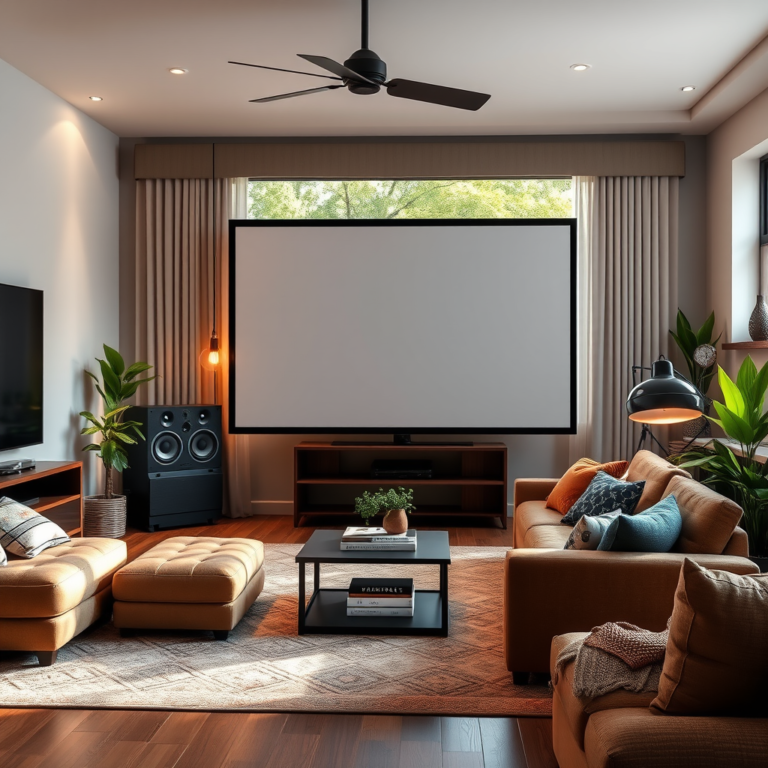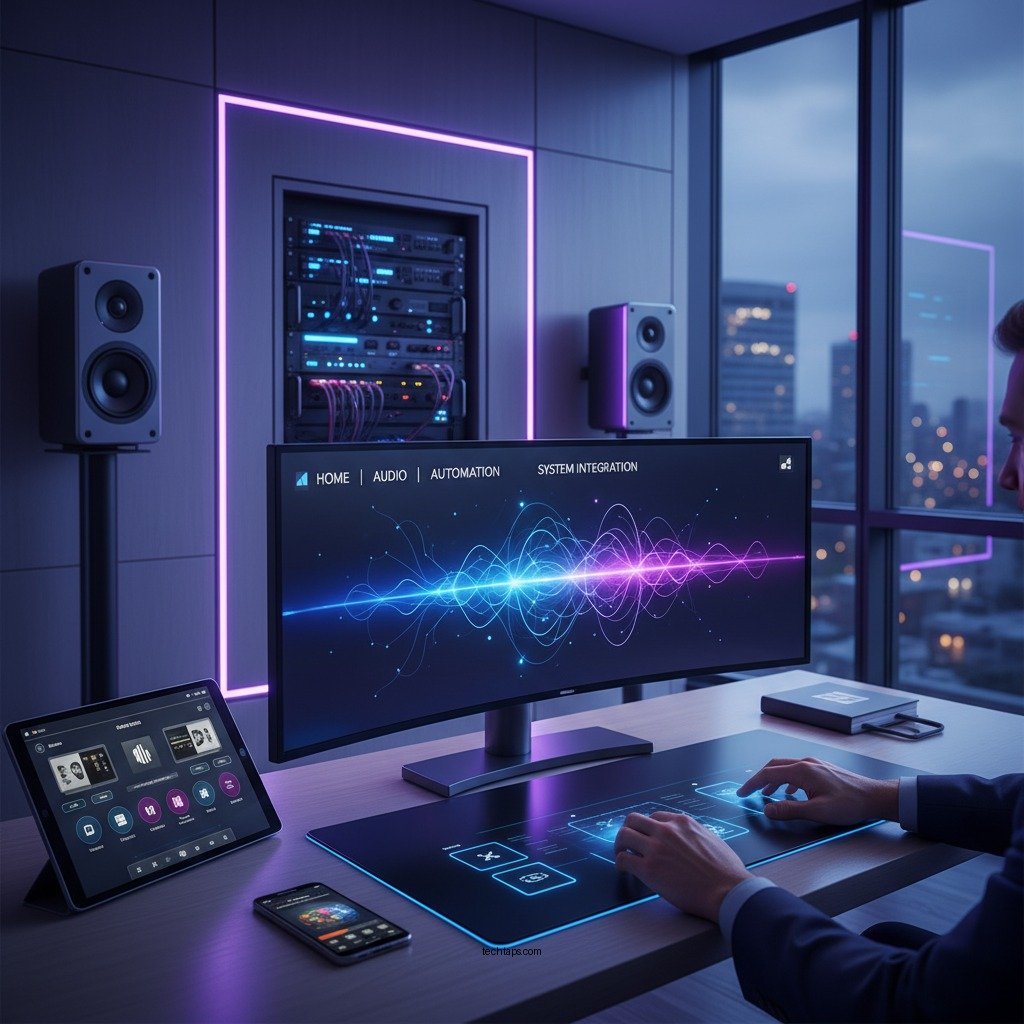

Integrating high-end audio systems with your home automation enhances your listening experience and creates a seamless smart home environment. By following a few essential steps, you can ensure that your audio setup works harmoniously with your automation system, allowing you to control everything effortlessly through one interface. This guide will walk you through the process, ensuring a smooth integration.
Understanding Home Automation Systems
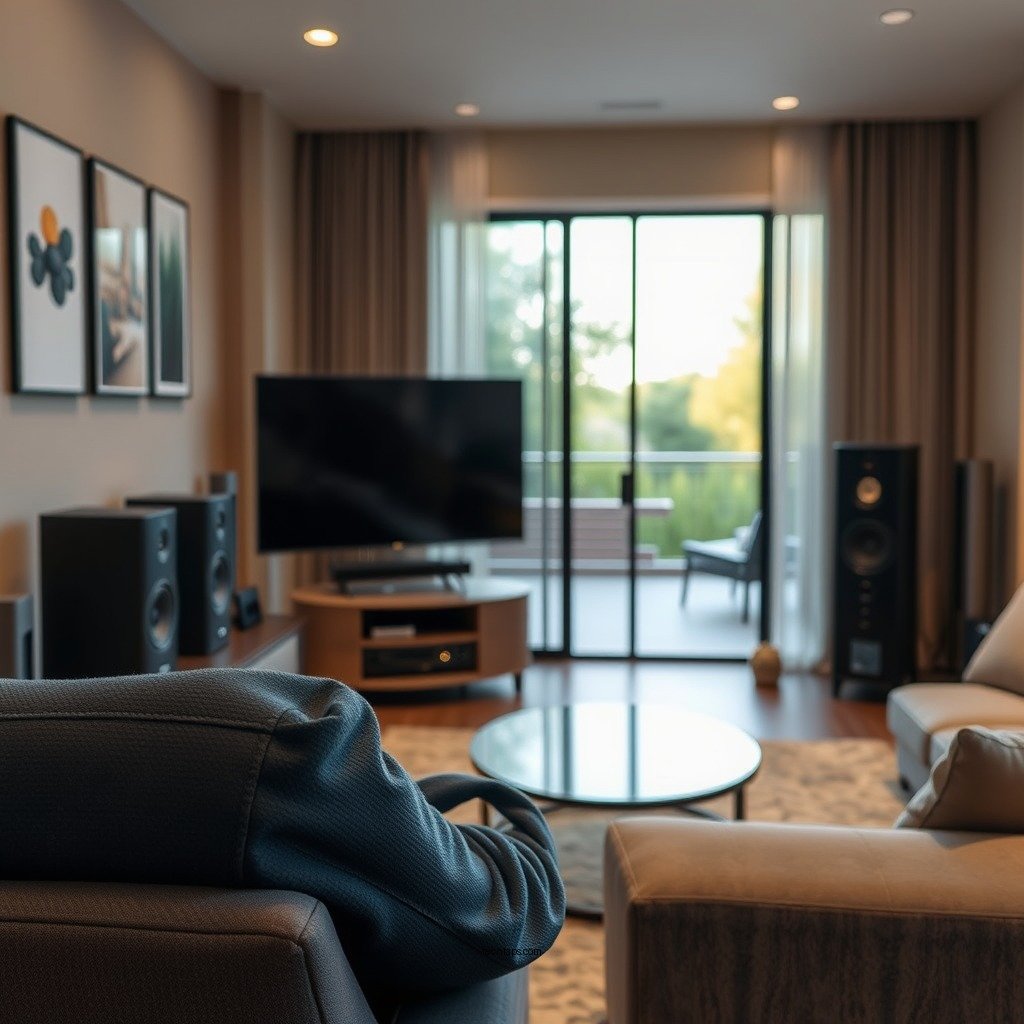
Home automation refers to the technological integration of various devices and systems within a residence, allowing for centralized control and automation of daily tasks. Key components of home automation include lighting, security, and entertainment systems. These components work together to create a cohesive system that enhances convenience and security while improving energy efficiency.
Common protocols used in home automation include Zigbee, Z-Wave, and Wi-Fi. Zigbee and Z-Wave are wireless communication technologies designed for low-power devices, making them suitable for smart sensors and home automation controllers. Wi-Fi, on the other hand, provides a more robust connection suitable for streaming audio and video content. Understanding these protocols is crucial as they dictate how your audio system can communicate with your home automation setup.
Choosing the Right Audio Equipment
When selecting high-end audio equipment, it’s essential to choose brands that are known for their compatibility with home automation systems. Notable names in this space include Sonos, Bose, and Bang & Olufsen. These brands not only offer superior sound quality but also provide reliable connectivity options that work seamlessly with home automation platforms.
In addition to brand reputation, consider the specifications of the audio equipment. Look for multi-room capabilities that allow you to play different audio in various rooms or synchronize sound throughout your home. Streaming services compatibility, such as Spotify, Apple Music, or Tidal, is also a critical feature to consider, as it expands your listening options. Connectivity options, including Bluetooth, Wi-Fi, and even Ethernet, will ensure that your audio system integrates smoothly with your home network.
Ensuring Compatibility
Before integrating your audio system into your home automation setup, it’s vital to confirm that it supports the automation platforms you intend to use, such as Google Home, Amazon Alexa, or Apple HomeKit. This information can typically be found in the product specifications or user manual.
Additionally, keeping your audio system’s firmware updated is crucial to maintaining compatibility with the latest home automation features. Manufacturers frequently release updates that enhance functionality, fix bugs, or improve security. Check the manufacturer’s website or the device’s companion app regularly to ensure your system is up to date.
Top High-End Audio Brands Compatible with Home Automation (2023)
| # | Brand | Multi-room Capability | Streaming Services | Connectivity Options |
|---|---|---|---|---|
| 1 | Sonos | Yes | Spotify, Apple Music, Tidal | Wi-Fi, Ethernet, Bluetooth |
| 2 | Bose | Yes | Spotify, Amazon Music, Deezer | Wi-Fi, Bluetooth |
| 3 | Bang & Olufsen | Yes | Spotify, Apple Music, Qobuz | Wi-Fi, Bluetooth |
| 4 | Devialet | Yes | Spotify, Tidal, Amazon Music | Wi-Fi, Bluetooth |
| 5 | Naim Audio | Yes | Spotify, Tidal | Wi-Fi, Ethernet |
| 6 | McIntosh | Yes | Spotify, Tidal | Wi-Fi, Ethernet |
| 7 | Focal | Yes | Spotify, Deezer | Wi-Fi, Bluetooth |
Setting Up Your Audio System
Setting up your high-end audio system properly is essential for optimal performance. Start by physically placing your speakers and receivers in their designated locations. If your setup includes multiple speakers, consider a surround sound configuration to create an immersive listening environment.
Follow these steps for a successful setup:
1. Positioning: Place speakers at ear level for the best sound experience. If you’re using a surround sound system, ensure the front speakers are equidistant from the listening position, and the rear speakers are slightly behind.
2. Wiring: Connect your audio equipment according to the manufacturer’s instructions. Ensure that all cables are properly secured and routed to minimize interference.
3. Calibration: Use the calibration tools provided by your audio system to optimize speaker performance based on your room’s acoustics. Many high-end systems offer automatic calibration features.
4. Testing: After setup, play various audio sources to test the system’s performance. Adjust settings as necessary to achieve the best sound quality.
Integrating with Your Home Automation
To integrate your audio devices with your home automation system, follow these steps:
1. Download the Necessary Apps: Ensure you have the relevant applications installed on your smartphone or tablet. Most high-end audio systems have dedicated apps that allow you to control settings and connect with home automation platforms.
2. Add Devices: Within your home automation app, locate the option to add new devices. Follow the prompts to connect your audio system. This process typically involves scanning for devices over Wi-Fi or entering a pairing code.
3. Creating Custom Scenes: Once integrated, you can create custom scenes or routines. For instance, set up a “Movie Night” mode that dims the lights, lowers the blinds, and cues your audio system to play a specific soundtrack.
4. Voice Control: If you have a voice assistant like Alexa or Google Assistant, enable voice control for your audio system. This feature allows you to play music, adjust volume, or change tracks hands-free.
Troubleshooting Common Issues
Integration between high-end audio systems and home automation can sometimes present challenges. Here are some common issues and their solutions:
– Connectivity Issues: If your audio device fails to connect, ensure it is on the same Wi-Fi network as your home automation system. Rebooting the router and the audio device can also resolve connection problems.
– Audio Lag: If you’re experiencing a delay between video and audio, check your network speed. A wired Ethernet connection can often reduce lag compared to a wireless setup.
– Firmware Updates: Regularly check for firmware updates for both your audio system and home automation platform. Keeping both systems updated helps ensure compatibility and performance.
– System Performance: Monitor the performance of your audio setup regularly. If sound quality degrades, inspect for damaged cables or interference from other devices.
Future-Proofing Your Audio Setup
As technology advances, staying updated with audio trends is essential for maintaining an optimal setup. Key trends to watch include:
– Wireless Audio: The shift toward wireless audio systems continues to grow. Investing in high-end wireless speakers can provide flexibility in your setup and reduce cable clutter.
– AI Integration: Artificial intelligence is becoming increasingly prevalent in audio systems, offering personalized listening experiences and smart features that adapt to your preferences.
To future-proof your audio setup, periodically review your system’s compatibility with new home automation features and updates. Additionally, consider subscribing to industry news or technology blogs to stay informed about emerging audio technologies.
By following these steps, you can successfully integrate high-end audio systems into your home automation, creating a cohesive and enjoyable environment. Take action today by assessing your current setup and exploring compatible audio options that suit your needs. Enjoy the enhanced experience of a truly automated home!
Frequently Asked Questions
What are the key components needed to integrate high-end audio systems with home automation?
To successfully integrate high-end audio systems with home automation, you’ll need a quality audio receiver, multi-zone amplifiers, and a reliable control system such as a smart home hub. Additionally, consider using high-quality speakers and cabling to ensure optimal sound quality. Compatibility with protocols like Wi-Fi, Bluetooth, or Zigbee will also facilitate seamless integration.
How can I control my high-end audio system through a home automation platform?
You can control your high-end audio system through a home automation platform by using a universal remote or smart home app that supports your audio equipment. Many modern audio systems offer compatibility with platforms like Google Home, Amazon Alexa, or Apple HomeKit, allowing you to adjust volume, change tracks, and switch inputs using voice commands or mobile devices.
Why is it important to consider room acoustics when integrating high-end audio with home automation?
Room acoustics play a crucial role in sound quality, especially when integrating high-end audio systems with home automation. Factors such as room size, shape, and furnishings can affect sound clarity and balance. By optimizing your room’s acoustics through placement of speakers and acoustic treatments, you can enhance the overall audio experience significantly.
What are the best practices for wiring high-end audio systems in a smart home setup?
The best practices for wiring high-end audio systems in a smart home setup include using high-quality speaker wire and ensuring proper gauge to handle the power requirements. Additionally, consider running cables through walls or conduits for a clean look, and label all connections for easier troubleshooting. It’s also advisable to consult a professional installer to avoid common wiring mistakes.
Which home automation systems are most compatible with high-end audio setups?
Popular home automation systems that are highly compatible with high-end audio setups include Control4, Crestron, and Savant. These systems offer robust integration features, allowing you to control audio sources, manage playlists, and adjust settings seamlessly. Additionally, many of these platforms support third-party audio brands, enhancing flexibility in your audio system choices.
References
- Home automation
https://en.wikipedia.org/wiki/Home_automation - https://www.sciencedirect.com/topics/engineering/home-automation
https://www.sciencedirect.com/topics/engineering/home-automation - https://www.britannica.com/technology/home-automation
https://www.britannica.com/technology/home-automation - https://www.nature.com/articles/s41598-019-52329-6
https://www.nature.com/articles/s41598-019-52329-6 - https://www.scholar.google.com/scholar?q=High-End+Audio+Systems+Home+Automation Google Scholar
https://www.scholar.google.com/scholar?q=High-End+Audio+Systems+Home+Automation - https://www.scholar.google.com/scholar?q=Integrate+Audio+Systems+Home+Automation Google Scholar
https://www.scholar.google.com/scholar?q=Integrate+Audio+Systems+Home+Automation - https://pubmed.ncbi.nlm.nih.gov/30879225/
https://pubmed.ncbi.nlm.nih.gov/30879225/ - https://www.cdc.gov/healthyplaces/healthtopics/technology.htm
https://www.cdc.gov/healthyplaces/healthtopics/technology.htm - https://www.reuters.com/article/us-tech-smart-home-insight-idUSKBN1Z82A6
https://www.reuters.com/article/us-tech-smart-home-insight-idUSKBN1Z82A6 - https://www.bbc.com/news/technology-54600195
https://www.bbc.com/news/technology-54600195