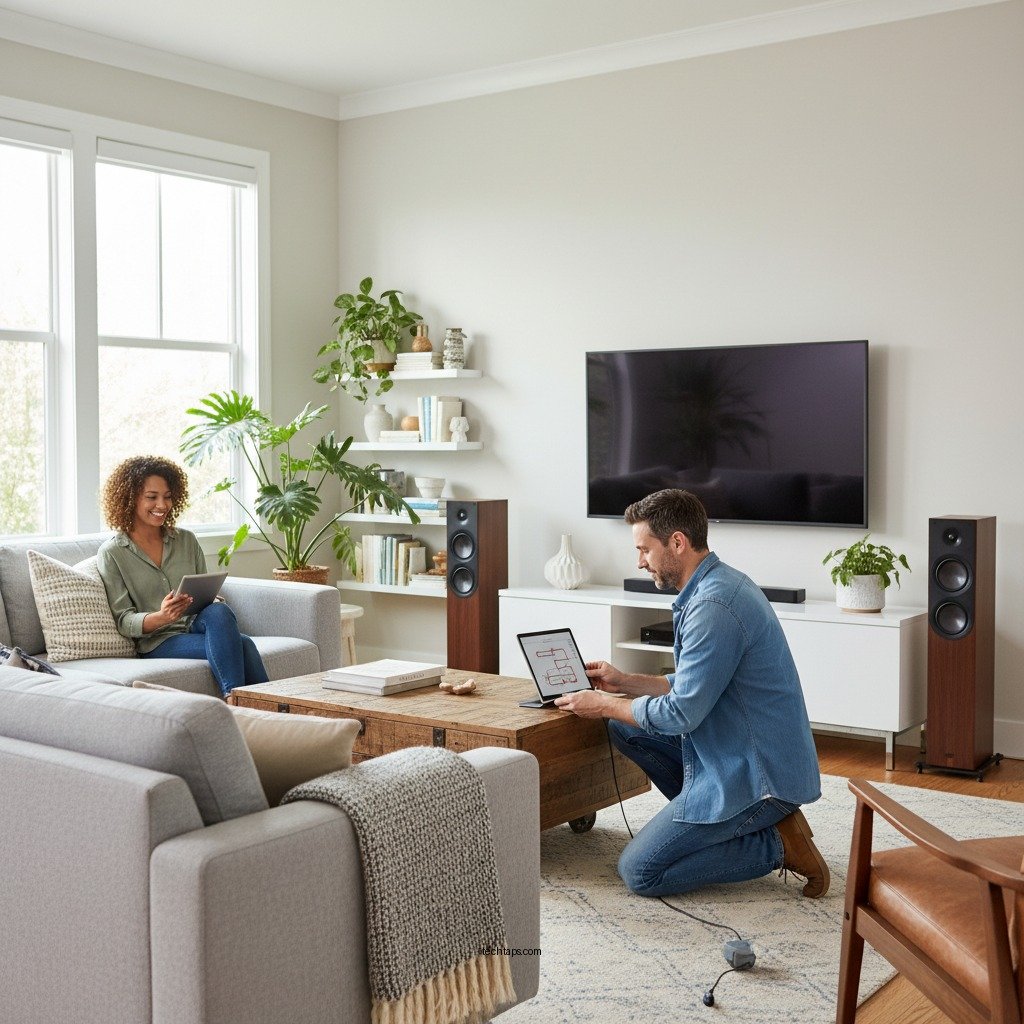
To install a full home audio system, you need to understand the components, layout options, and installation processes to create an optimal listening experience. This guide provides step-by-step insights for beginners to successfully set up their audio system, ensuring you enjoy your favorite music and movies at their best. With the right knowledge and a little planning, you can transform your home into a personal concert hall or a state-of-the-art cinema.




Creating a full home audio system can seem daunting for beginners, but by breaking it down into manageable sections, the process becomes much more approachable. This guide will walk you through the essential components needed for your audio setup, how to plan your layout effectively, choose the right equipment, and execute the installation with confidence. Whether you’re looking to enjoy movie marathons or have a vibrant music experience, this guide is your blueprint to success.
Understanding the Components
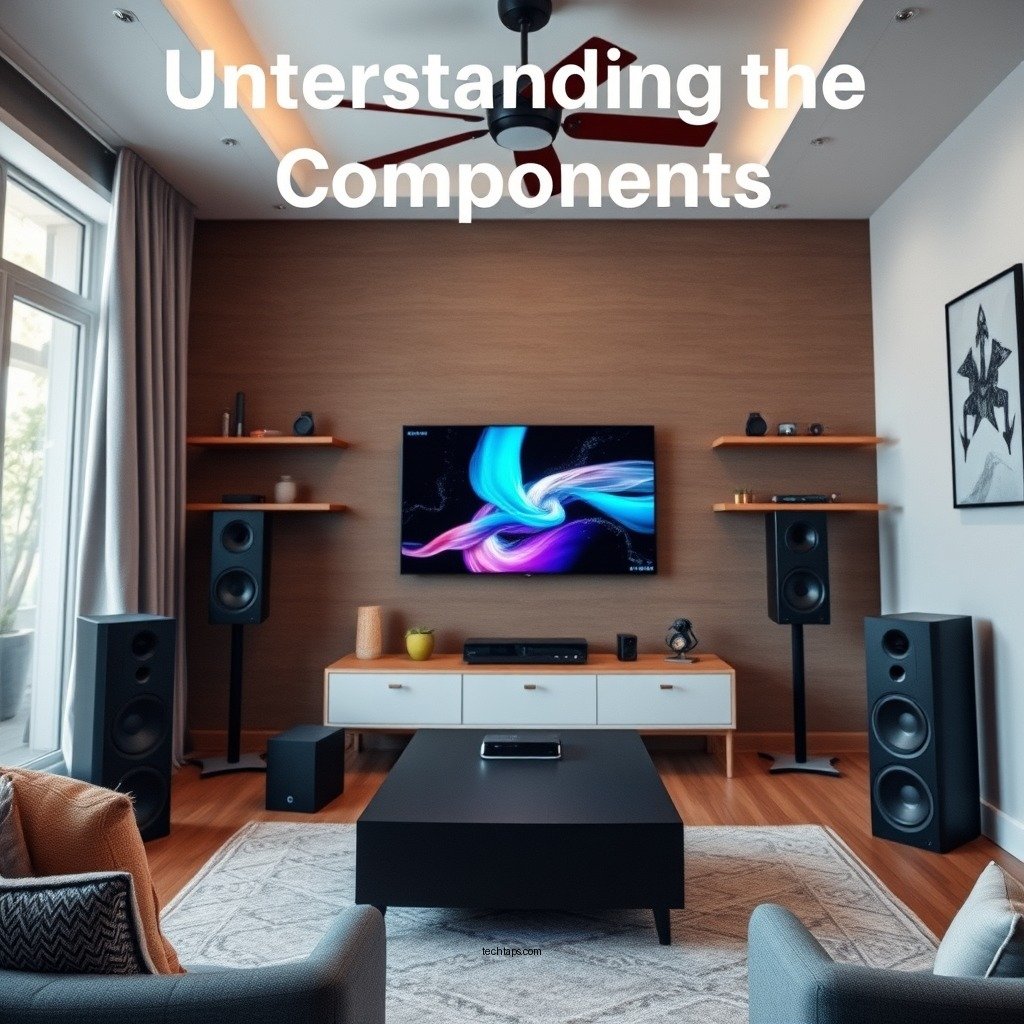
The first step in setting up your home audio system is understanding the key components. Each part plays a crucial role in delivering high-quality sound.
– Speakers: Speakers are the most visible components of your audio system and come in various types such as floor-standing, bookshelf, and in-wall models. Floor-standing speakers deliver powerful sound and are ideal for larger rooms, while bookshelf speakers are more compact and suitable for smaller spaces. In-wall speakers can save space and provide a clean look, making them perfect for minimalist designs. When selecting speakers, consider factors like room size, aesthetic preferences, and sound quality.
– Receiver: The receiver acts as the hub of your audio system, connecting all your audio sources, such as streaming devices, CD players, and turntables, while also amplifying the sound for your speakers. A quality receiver is crucial for ensuring that you have enough power to drive your speakers effectively and enhance your listening experience. Look for a receiver with multiple inputs and outputs, support for surround sound formats, and features like Bluetooth and Wi-Fi connectivity for more versatility.
Planning Your Layout
Once you understand the components, the next step is to plan your layout. A well-thought-out arrangement can significantly enhance your audio experience.
– Room Dimensions: Start by measuring your space to determine the best locations for your speakers and equipment. Consider the room’s shape, size, and acoustics. Larger rooms may require more powerful speakers or additional units to fill the space with sound effectively.
– Speaker Placement: The placement of your speakers is crucial in achieving balanced audio. Ideally, your front speakers should be positioned at ear level and equidistant from the main listening area. If you are using surround sound, place the rear speakers behind the listening area and slightly above ear level. Avoid placing speakers in corners or too close to walls, as this can cause undesirable echo and distortion.
Selecting the Right Equipment
Choosing the right equipment is essential for a successful home audio system installation.
– Audio Sources: Depending on your listening habits, consider what audio sources you want to include in your system. Streaming devices like Roku or Amazon Fire TV are excellent for accessing digital music and movies, while CD players and turntables cater to those who appreciate physical media. Ensure your receiver is compatible with your chosen sources.
– Cables and Accessories: Quality cables and connectors are vital for maintaining sound quality. Invest in speaker wire with appropriate gauge, HDMI cables for video/audio transmission, and optical cables for digital sources. Additionally, consider accessories like speaker stands, wall mounts, and surge protectors to enhance your setup.
Top 7 Home Audio System Brands (2024)
| # | Brand | Type | Price Range | Rating |
|---|---|---|---|---|
| 1 | Sonos | Wireless | $199 – $1,999 | ★★★★☆ |
| 2 | Bose | Wireless | $149 – $1,499 | ★★★★☆ |
| 3 | Yamaha | Wired | $299 – $2,299 | ★★★★☆ |
| 4 | Denon | Wired/Wireless | $399 – $2,499 | ★★★★☆ |
| 5 | Pioneer | Wired | $199 – $1,999 | ★★★★☆ |
| 6 | Klipsch | Wired/Wireless | $299 – $1,799 | ★★★★☆ |
| 7 | Onkyo | Wired | $299 – $1,999 | ★★★★☆ |
Installation Process
With your equipment selected, you can move on to the installation process. Proper installation ensures that your system functions efficiently and sounds great.
– Wiring: Begin by running the necessary wires between your speakers and the receiver. Use speaker wire of appropriate gauge, ensuring that the length is sufficient for your room layout. Conceal wiring behind walls if possible for a clean look, but ensure to follow safety guidelines to avoid hazards.
– Configuration: After wiring your system, connect your audio sources to the receiver and configure the settings. Most modern receivers provide a straightforward setup process, often with guided instructions on the screen. Adjust settings like speaker size, distance, and crossover frequency to optimize the sound for your space. This calibration will significantly enhance the audio experience.
Testing and Calibration
Once installed, it’s crucial to test and calibrate your system to ensure it is performing at its best.
– Sound Check: Play a variety of audio tracks, covering different genres and formats, to assess the performance of your speakers. Pay attention to balance and clarity, making necessary adjustments to speaker placement or settings as needed.
– Calibration Tools: Many receivers come with built-in calibration tools that utilize a microphone to measure sound output in your space. Follow the on-screen prompts to complete the calibration process. Alternatively, you can use third-party tools for more advanced calibration if desired.
Maintenance Tips
Maintaining your audio system is essential for longevity and optimal performance.
– Regular Checks: Periodically inspect cables and connections for signs of wear and tear. Look for frayed wires, loose connections, or any other issues that could affect performance. Keeping your system clean and organized can prevent damage and ensure reliable operation.
– Software Updates: Manufacturers often release firmware updates for receivers and streaming devices. Regularly check for updates to ensure your equipment has the latest features and performance enhancements, which can significantly improve your audio experience.
By following this guide, you can successfully install a full home audio system that meets your needs and enhances your enjoyment of music and movies.
With careful planning and execution, you can create a rich sound environment tailored to your preferences. Start by assessing your space, choosing quality components, and following the outlined installation steps.
Investing time in this process will reward you with a delightful auditory experience that can transform your home into an entertainment haven. So, gather your materials, plan your layout, and enjoy the process of creating your ideal audio setup.
Frequently Asked Questions
What are the essential components of a full home audio system?
A complete home audio system typically includes several key components: speakers, an amplifier, a receiver, and a source device like a CD player or streaming device. Additionally, you may want to consider adding a subwoofer for enhanced bass and a speaker wire for connections. Understanding these components will help you create an immersive audio experience tailored to your space.
How do I choose the right speakers for my home audio system?
Choosing the right speakers involves considering factors such as room size, speaker type (bookshelf, floor-standing, or in-wall), and your listening preferences. Look for speakers with good sensitivity ratings and frequency response that match your audio tastes, whether you prefer music, movies, or gaming. Also, consider the aesthetic and how the speakers will fit into your home decor.
Why is an amplifier important in a home audio system?
An amplifier is crucial because it boosts the audio signal from your source device to the speakers, providing the power needed for high-quality sound reproduction. A good amplifier ensures that your audio system can produce clear, dynamic sound at various volume levels without distortion. Investing in a quality amplifier is essential for achieving optimal performance from your audio setup.
What is the best way to set up my home audio system?
The best way to set up your home audio system involves strategic placement of your speakers to optimize sound quality. Position the speakers at ear level, create an equilateral triangle between your seating area and the speakers, and avoid corners to reduce unwanted bass buildup. Additionally, ensure all wiring is properly connected and organized to prevent interference and maintain a clean appearance.
Which audio formats should I consider for my home audio system?
When setting up your home audio system, consider using high-quality audio formats such as FLAC or WAV for the best sound fidelity. Streaming services that offer lossless audio, like Tidal or Qobuz, can significantly enhance your listening experience. Additionally, ensure that your source devices and speakers are compatible with these formats to fully enjoy the audio quality they provide.
References
- https://en.wikipedia.org/wiki/Home_audio_system
https://en.wikipedia.org/wiki/Home_audio_system - https://www.nature.com/articles/
https://www.nature.com/articles/ - https://pubmed.ncbi.nlm.nih.gov/
https://pubmed.ncbi.nlm.nih.gov/ - https://www.sciencedirect.com/topics/engineering/audio-systems
https://www.sciencedirect.com/topics/engineering/audio-systems - https://www.britannica.com/topic/audio-system
https://www.britannica.com/topic/audio-system - https://www.cdc.gov/healthyplaces/healthtopics/physicalactivity.htm
https://www.cdc.gov/healthyplaces/healthtopics/physicalactivity.htm - Google Scholar Google Scholar
https://scholar.google.com/scholar?q=Installing+a+Full+Home+Audio+System - Google Scholar Google Scholar
https://scholar.google.com/scholar?q=Home+Audio+System+Guide+for+Beginners - Google Scholar Google Scholar
https://scholar.google.com/scholar?q=Home+Audio+System+Installation+Techniques - Google Scholar Google Scholar
https://scholar.google.com/scholar?q=Installing+a+Full+Home+Audio+System:+A+Complete+Guide+for+Beginners