
To achieve studio-quality vocal recordings, investing in the right microphone is essential. The perfect microphone can significantly enhance the clarity and richness of your vocals, whether you’re a professional musician or a passionate home studio enthusiast. In this article, we’ll explore top microphone options, their features, and what makes them ideal for capturing vocals, ensuring you find the perfect tool to elevate your sound.
Understanding Microphone Types
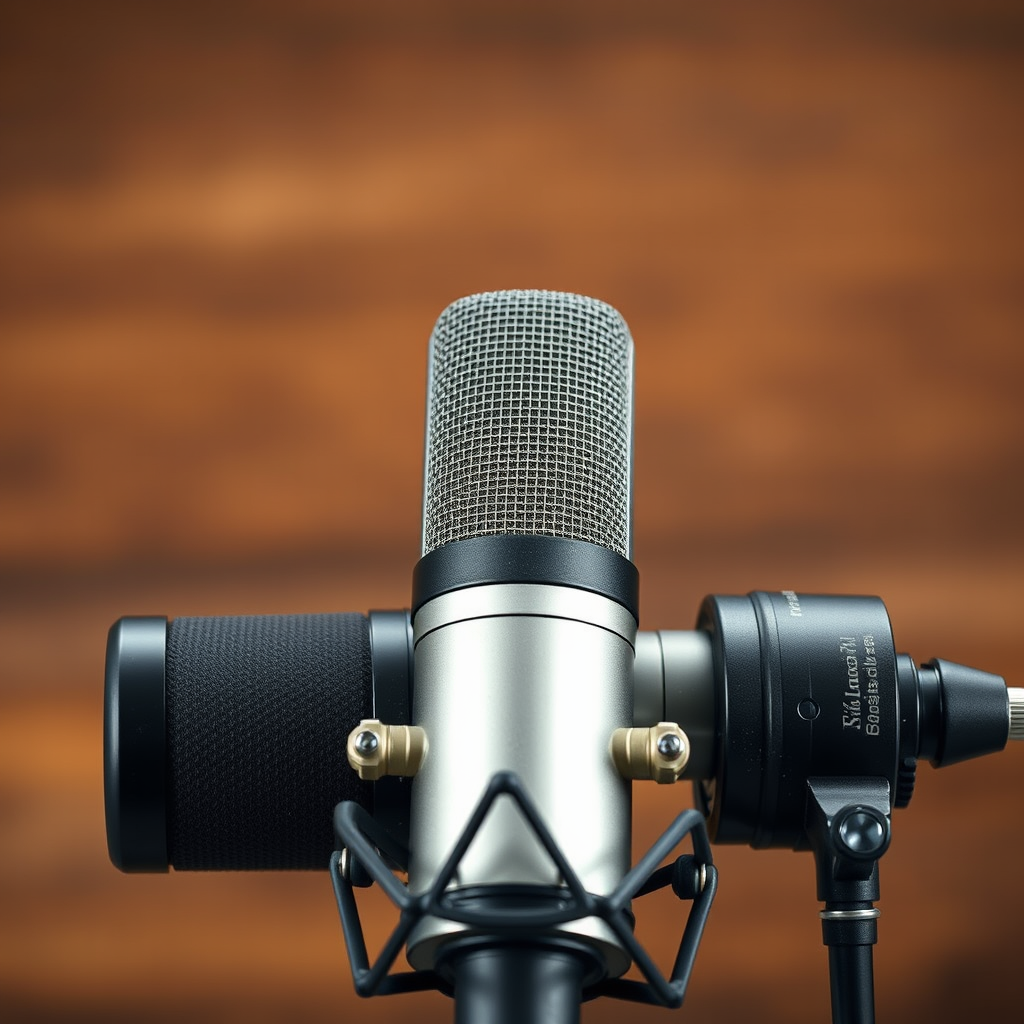
When it comes to choosing a microphone, understanding the different types available is crucial for achieving the best results.
– Dynamic Microphones: These microphones are incredibly durable and versatile, making them perfect for live performances and various recording situations. They handle high sound pressure levels well, which means they are less likely to distort when you’re belting out those high notes. The Shure SM58 is a classic example of a dynamic microphone that’s been trusted by vocalists for decades, thanks to its robust construction and ability to reject background noise.
– Condenser Microphones: On the other hand, condenser microphones are known for their sensitivity and are typically favored in studio environments. They excel at capturing nuanced vocals and the subtle intricacies of a performance. A popular choice among studio professionals is the Neumann U87, which is celebrated for its warm sound and detailed frequency response, making it ideal for vocal recordings.
Understanding these types will help you make a more informed decision based on your recording needs.
Top Picks for Studio-Quality Vocal Microphones
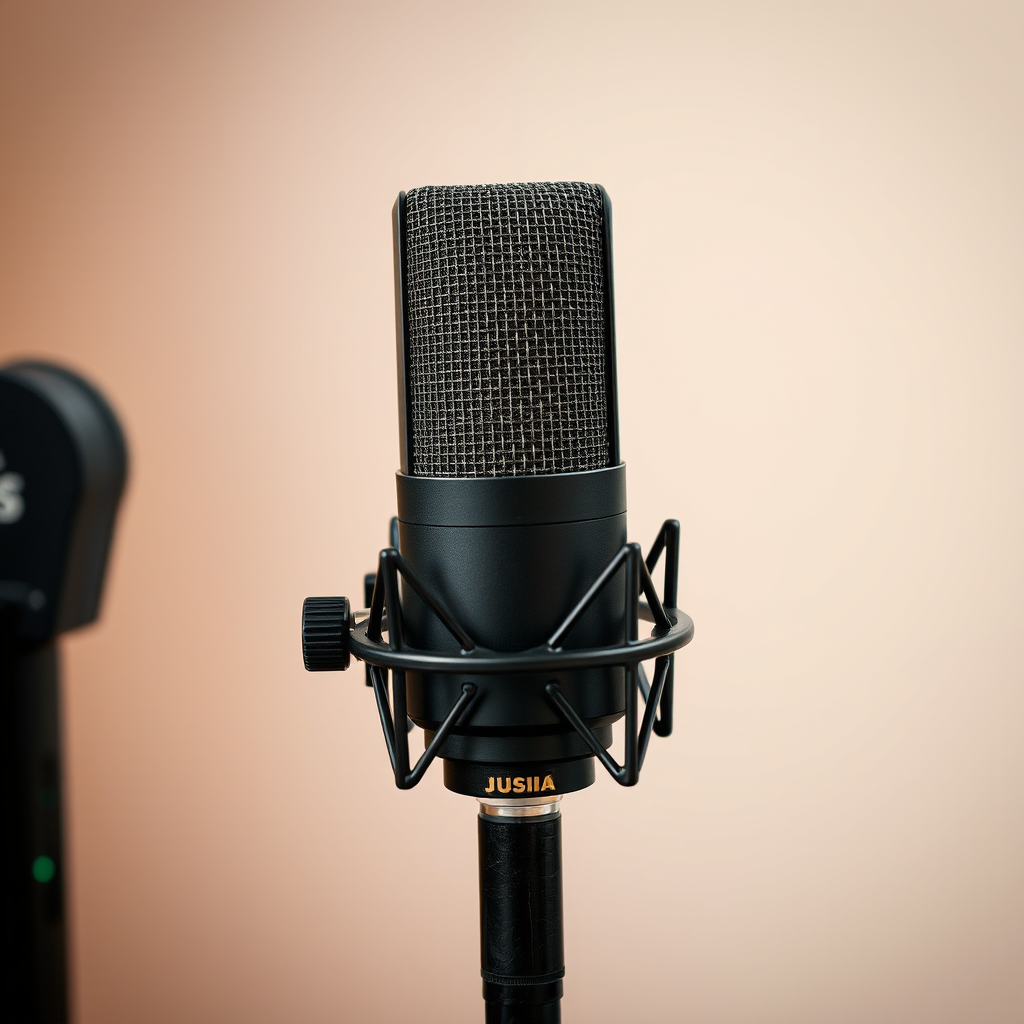
Now that you know the types of microphones, let’s dive into some top picks that can help you achieve studio-quality vocal recordings.
– Shure SM7B: This microphone is renowned for its warm sound and versatility, making it a staple in both professional and home studios alike. It’s particularly favored by podcasters and musicians due to its ability to capture vocals with incredible clarity while rejecting unwanted noise. Its wide frequency response (50Hz to 20kHz) and built-in air suspension system help to eliminate mechanical noise and breath sounds, making it an excellent choice for detailed vocal work.
– Audio-Technica AT2020: If you’re on a budget but still want a reliable and high-quality microphone, the Audio-Technica AT2020 is an excellent choice. This condenser microphone offers exceptional clarity and detail, making it perfect for budding artists looking to achieve professional results without breaking the bank. With a frequency response of 20Hz to 20kHz and a cardioid polar pattern, it effectively captures vocals while minimizing background noise, making it an ideal starter microphone.
Features to Consider
When selecting a microphone, there are several key features to consider to ensure you make the best choice for your vocal recordings.
– Polar Patterns: Understanding polar patterns is essential for capturing sound effectively. Cardioid microphones, for example, are designed to pick up sound primarily from the front, which is ideal for vocal recordings as it reduces background noise. In contrast, omnidirectional microphones capture sound from all directions and may be better suited for recording multiple instruments or group vocals.
– Frequency Response: The frequency response of a microphone indicates the range of sounds it can capture. For vocals, a microphone with a frequency response that includes both the low and high ends (usually between 20Hz and 20kHz) can help in achieving rich and full vocal recordings. This is especially important for capturing the nuances of the human voice, from deep, resonant lows to bright, airy highs.
Microphone Accessories for Optimal Performance
To get the most out of your microphone, consider investing in some essential accessories.
– Pop Filters: A pop filter is an essential tool for reducing plosive sounds, which are the bursts of air that occur when pronouncing certain letters (like “P” and “B”). These sounds can create unwanted distortion in your recordings. By placing a pop filter in front of your microphone, you can enhance vocal clarity and ensure a more professional sound.
– Shock Mounts: A shock mount is designed to minimize handling noise and vibrations that can affect your recordings. When you’re moving around or if there are any footfalls, these vibrations can be picked up by the microphone. A quality shock mount will help isolate the microphone from these disturbances, ensuring cleaner recordings.
Setting Up Your Microphone
The way you set up your microphone can have a significant impact on the quality of your recordings.
– Placement Techniques: Finding the right distance and angle for vocal recording is crucial. A general rule of thumb is to position the microphone about six to twelve inches away from your mouth. This distance helps capture your voice clearly while allowing for some natural room tone. Experimenting with angles can also help you find the sweet spot where your vocals sound the best.
– Environment Considerations: Optimizing sound isolation in your recording space can dramatically improve your recordings. Try to choose a quiet room with minimal background noise. Consider using acoustic panels or blankets to dampen sound reflections and create a more controlled recording environment. This will help ensure that your vocals are clear and free from distracting echoes.
Maintenance and Care
To ensure your microphone remains in top condition, regular maintenance and proper care are essential.
– Regular Cleaning: Dust and debris can accumulate on your microphone, affecting its performance. It’s a good practice to regularly clean your microphone with a soft, dry cloth. For condenser microphones, be cautious around the capsule, as it’s delicate and can be easily damaged.
– Storage Tips: Proper storage is key to avoiding damage. When not in use, store your microphone in a protective case or pouch. Avoid leaving it in environments with extreme temperatures or humidity, as these conditions can affect its performance and longevity.
Summarizing the essential features and models of microphones suitable for studio-quality vocal recordings, it’s clear that the right choice can significantly enhance your sound. By understanding the different types of microphones, considering essential features, and investing in the right accessories, you can create a recording setup that captures your vocals beautifully. Explore our top picks and consider your specific needs to make an informed decision. Take the next step in your recording journey by investing in a quality microphone that matches your vocal style.
Frequently Asked Questions
What are the key features to look for in a microphone for recording studio-quality vocals?
When choosing a microphone for studio-quality vocal recordings, consider features such as frequency response, polar pattern, and sensitivity. A wide frequency response (20Hz to 20kHz) ensures that the microphone captures the full range of human voice. A cardioid polar pattern is ideal for reducing background noise, while high sensitivity allows for capturing subtle vocal nuances, making your recordings clear and professional.
How much should I spend on a microphone for recording vocals?
The price of a quality vocal microphone varies widely, but you can find excellent options starting at around $100 and going up to several thousand dollars. For home studio use, a budget of $200 to $600 typically provides access to professional-grade microphones that deliver studio-quality sound. Investing in a good microphone is crucial, as it can significantly impact the overall quality of your recordings.
Which microphone types are best for recording vocals in a studio setting?
The two most recommended types of microphones for studio vocal recordings are condenser and dynamic microphones. Condenser microphones are preferred for their sensitivity and wide frequency response, making them ideal for capturing detailed vocal performances. On the other hand, dynamic microphones are durable and excel in live settings, but high-quality dynamic mics can also work well in the studio, especially for louder vocal styles.
Why is a pop filter important when recording vocals with a microphone?
A pop filter is essential for recording vocals as it helps eliminate plosive sounds, such as “p” and “b” sounds, that can cause distortion in your recordings. By placing a pop filter in front of the microphone, you can achieve a cleaner sound with reduced unwanted noise, resulting in a more professional and polished vocal track. This accessory is especially useful when recording vocals at close range.
What are the best microphones for home studio vocal recording in 2023?
Some of the best microphones for home studio vocal recording in 2023 include the Audio-Technica AT2020, the Rode NT1-A, and the Shure SM7B. The AT2020 is budget-friendly yet delivers excellent sound quality, while the NT1-A is known for its ultra-low self-noise, perfect for capturing clear vocals. The Shure SM7B, although pricier, is a favorite among professionals for its versatility and ability to handle various vocal styles, making it an excellent investment for serious home studio setups.
References
- Microphone
- https://www.soundonsound.com/techniques/microphone-basics
- https://www.izotope.com/en/learn/microphone-types-and-how-to-choose.html
- https://www.hindawi.com/journals/jece/2020/2565764/
- https://www.recordingmagazine.com/
- https://www.thebalancesmb.com/recording-studio-equipment-2892598
- https://www.npr.org/sections/monitored/2020/06/24/882395418/your-guide-to-buying-a-microphone-for-recording-vocals
- https://www.prosoundnetwork.com/recording/microphone-guide-2021