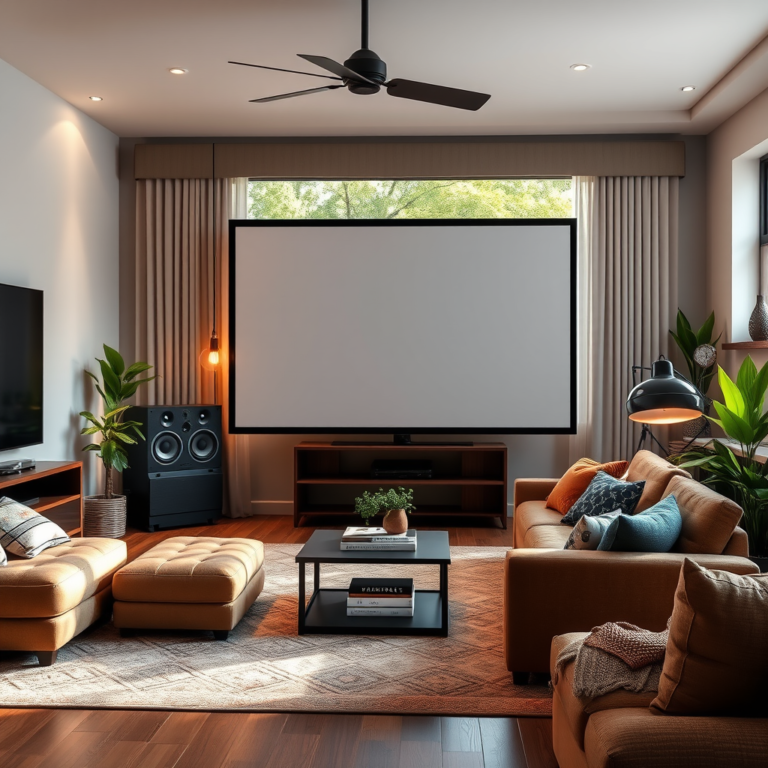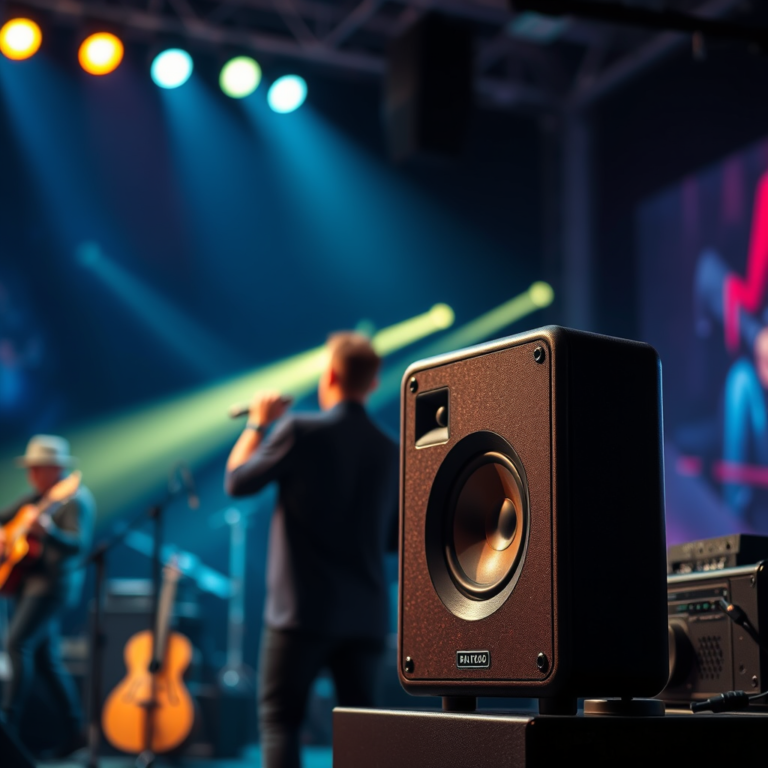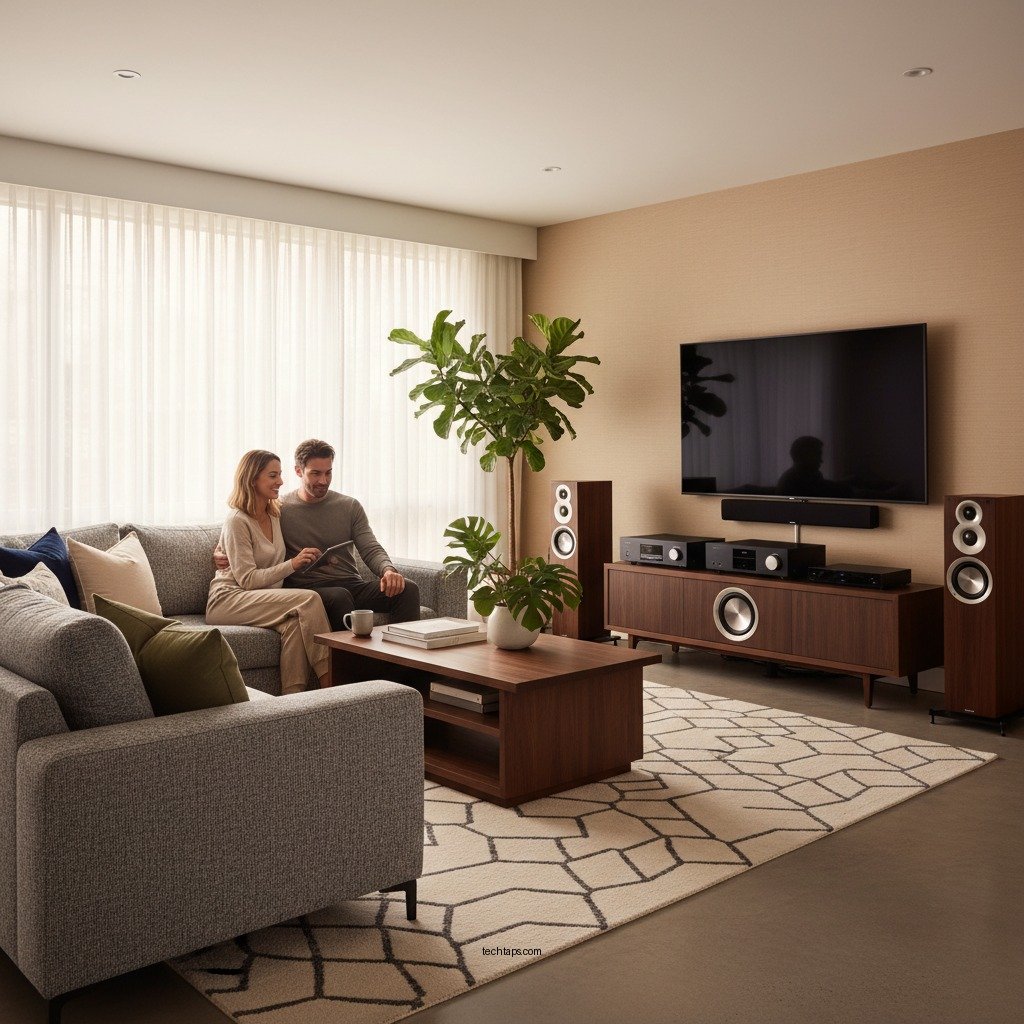

To create an exceptional home theater experience, investing in the right audio system is crucial. A well-chosen audio setup can transform your viewing experience with immersive sound quality and clarity. In this guide, you’ll learn everything from understanding audio system components to selecting the best options for your space, ensuring that every movie night feels like a cinematic adventure.
An audio system is the backbone of any home theater, enabling rich soundscapes that bring films, music, and shows to life. Understanding the nuances of audio technology can be overwhelming, but with the right knowledge, you can confidently select a system that caters to your specific needs and preferences.
Understanding Audio System Components
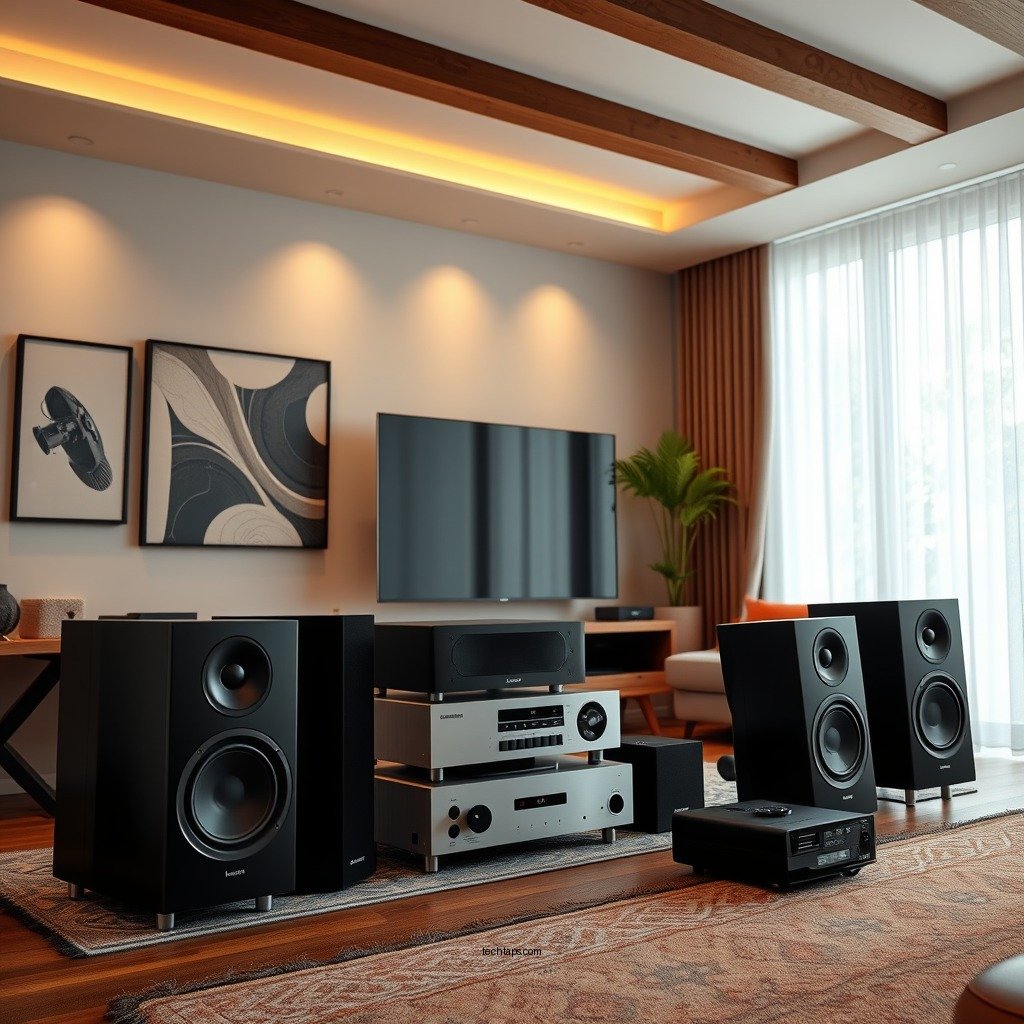
When setting up a home theater, it’s essential to familiarize yourself with the core components of an audio system:
– Speakers: The heart of your audio experience. Different types of speakers serve specific roles:
– Surround Sound Speakers: These speakers create an enveloping sound environment, critical for movie watching. They include front, rear, and side speakers that work together to produce a three-dimensional audio experience.
– Subwoofers: Responsible for deep bass sounds, subwoofers enhance the audio experience by adding depth to music and movie soundtracks. They are especially important for action films and music genres that rely heavily on low-frequency sounds.
– Receivers: Often referred to as the hub of your audio setup, receivers connect all of your audio and video components. They decode various audio formats and enhance sound quality through built-in equalizers and sound processing features. A good receiver is crucial for achieving optimal sound performance and allows for seamless integration with other devices.
Types of Audio Systems
Understanding the different types of audio systems available is crucial for making an informed purchasing decision:
– Stereo Systems: Best for music lovers and smaller spaces, stereo systems focus on two-channel sound, delivering high-quality audio through two speakers. They provide a straightforward setup and are usually more affordable than multi-channel systems.
– Surround Sound Systems: These systems offer a multi-channel experience that immerses viewers in sound from multiple directions. Ideal for movie enthusiasts, surround sound systems typically include five or more speakers, including a subwoofer for bass, allowing for a more dynamic and realistic audio experience.
Key Considerations When Buying
Before making a purchase, consider the following factors to ensure you select the right audio system for your home:
– Room Size: Evaluating your space is essential for optimal sound. Smaller rooms may benefit from a compact stereo system, while larger spaces typically require a full surround sound setup to fill the area with sound effectively. The acoustics of your room, including furniture and wall materials, also influence sound quality.
– Budget: Establishing a budget is crucial. Audio systems can range from a few hundred to several thousand dollars depending on the quality and features. Understanding the value of various components, such as speakers and receivers, will help you prioritize your spending. Aim for a balance between quality and affordability to achieve the best audio experience within your budget.
Top 7 Audio System Brands by Customer Satisfaction (2023)
| # | Brand | Customer Rating | Price Range | Best For |
|---|---|---|---|---|
| 1 | Sonos | ★★★★☆ | $150 – $2,000 | Multi-room audio |
| 2 | Bose | ★★★★☆ | $300 – $3,000 | Home theater systems |
| 3 | Yamaha | ★★★★☆ | $200 – $1,800 | Quality sound systems |
| 4 | Pioneer | ★★★☆☆ | $250 – $1,500 | Versatile audio systems |
| 5 | Onkyo | ★★★★☆ | $300 – $2,000 | Home theater receivers |
| 6 | Klipsch | ★★★★★ | $500 – $3,000 | High-performance sound |
| 7 | Denon | ★★★★☆ | $400 – $2,500 | High-fidelity audio |
Features to Look For
When selecting an audio system, consider these important features:
– Wireless Connectivity: Modern audio systems often come equipped with Bluetooth and Wi-Fi capabilities, allowing for easy streaming from smartphones, tablets, and computers. Wireless systems eliminate the need for cumbersome cables, providing flexibility in speaker placement and enhancing the aesthetic of your home theater setup.
– Audio Formats: Supporting advanced audio formats such as Dolby Atmos and DTS:X is essential for a modern home theater experience. These formats provide immersive sound environments by allowing sound to move in three-dimensional space, elevating your viewing experience significantly.
Installation Tips
To achieve the best sound quality in your home theater, proper installation is crucial:
– Placement: The placement of your speakers can dramatically affect sound quality. Front speakers should be positioned at ear level, while surround speakers should be placed slightly above ear level to create an immersive sound field. Subwoofers can be placed in various locations, but experimenting with placement can help eliminate dead spots and enhance bass response.
– Calibration: After installation, calibrating your system is vital for optimal performance. Most modern receivers come with auto-calibration features that use a microphone to assess your room’s acoustics and adjust speaker settings accordingly. Manual calibration may also be necessary, allowing you to fine-tune levels for each speaker based on personal preference.
Maintenance and Upgrades
To ensure your audio system remains in top shape, regular maintenance is essential:
– Regular Maintenance: Keep your audio system dust-free and ensure all connections are secure. Periodically check for software updates for wireless systems to enhance performance and compatibility with new formats. Additionally, cleaning your speakers and ensuring they are free from obstructions will help maintain sound quality.
– Future Upgrades: As technology evolves, it’s important to stay informed about potential upgrades. Consider upgrading individual components, such as speakers or receivers, when you notice a decline in performance or when new features become available that enhance your audio experience. Investing in quality components can provide significant improvements without the need for a complete system overhaul.
In summary, purchasing an audio system for your home theater involves understanding components, types, and key features that will enhance your viewing experience. By considering the size of your room, your budget, and installation best practices, you can create a setup that meets your needs. Start your journey to a fantastic home theater audio experience today!
Frequently Asked Questions
What should I consider when choosing an audio system for my home theater?
When selecting an audio system for your home theater, consider factors such as room size, speaker placement, and the type of audio experience you desire. Additionally, look for features like surround sound capabilities, connectivity options, and compatibility with your existing devices. Your budget will also play a crucial role in determining the best system for your needs.
How do I determine the right speaker configuration for my home theater audio system?
The right speaker configuration for your home theater audio system depends on your room size and layout. A common setup is the 5.1 system, which includes five speakers and one subwoofer, providing a balanced surround sound experience. For larger spaces, consider a 7.1 or even 9.1 system to enhance audio depth and clarity.
Why is a subwoofer important in a home theater audio setup?
A subwoofer is essential in a home theater audio setup because it reproduces low-frequency sounds that regular speakers often struggle with, such as explosions and deep bass notes. This addition significantly enhances the overall audio experience, making it more immersive and enjoyable. Without a subwoofer, you may miss out on the full impact of movies and music.
What is the best audio format for home theater systems?
The best audio format for home theater systems is typically Dolby Atmos, as it provides a three-dimensional sound experience that immerses viewers in the action. Other high-quality formats include DTS:X and Dolby TrueHD, which also offer exceptional audio clarity and depth. When choosing an audio system, ensure it supports these formats for optimal performance.
Which brands are recommended for high-quality home theater audio systems?
Some of the most recommended brands for high-quality home theater audio systems include Sonos, Bose, Yamaha, and Klipsch. Each of these brands offers a range of products catering to different budgets and preferences, ensuring you can find a system that meets your specific audio needs. Research customer reviews and expert opinions to help you make an informed decision.
References
- Home cinema
https://en.wikipedia.org/wiki/Home_theater - https://www.bu.edu/tech/support/home-theater-guide/
https://www.bu.edu/tech/support/home-theater-guide/ - https://www.sciencedirect.com/topics/engineering/home-theater
https://www.sciencedirect.com/topics/engineering/home-theater - https://www.nytimes.com/2020/12/16/technology/personaltech/home-theater-setup.html
https://www.nytimes.com/2020/12/16/technology/personaltech/home-theater-setup.html - https://www.bbc.com/culture/article/20201008-how-to-create-the-ultimate-home-cinema
https://www.bbc.com/culture/article/20201008-how-to-create-the-ultimate-home-cinema - https://www.theguardian.com/technology/2020/nov/18/home-cinema-setup-guide
https://www.theguardian.com/technology/2020/nov/18/home-cinema-setup-guide - Google Scholar Google Scholar
https://scholar.google.com/scholar?q=home+theater+audio+system+guide - Google Scholar Google Scholar
https://scholar.google.com/scholar?q=buying+guide+for+home+theater+audio - Google Scholar Google Scholar
https://scholar.google.com/scholar?q=home+theater+setup+audio+system+research - Google Scholar Google Scholar
https://scholar.google.com/scholar?q=Ultimate+Guide+to+Buying+an+Audio+System+for+a+Home+Theater+Setup