
Positioning your speakers correctly is crucial for achieving the best sound quality possible. With proper placement, you can enhance your listening experience, eliminate unwanted noise, and create a beautifully balanced soundstage. In this guide, we’ll explore the best practices for speaker placement that will transform your audio enjoyment into something truly remarkable.
Understanding Sound Waves
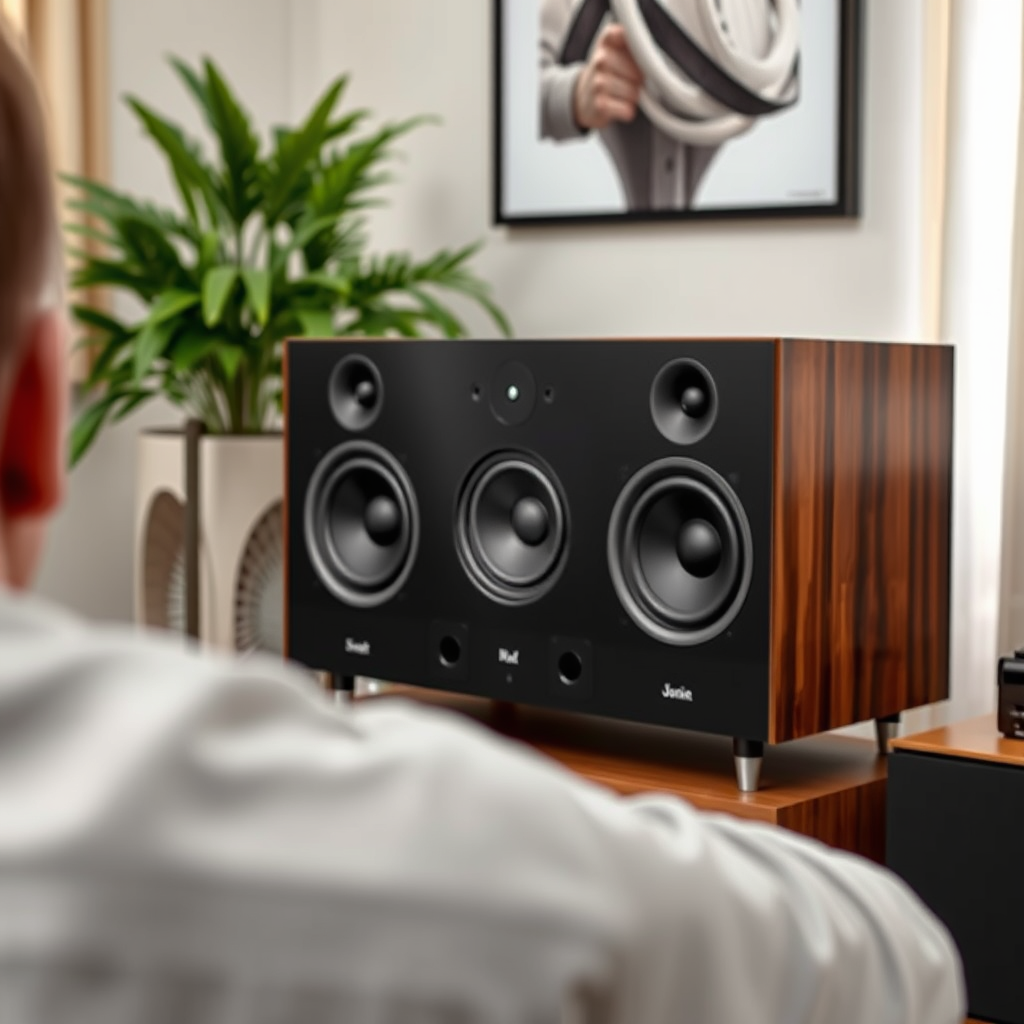
Sound waves are fascinating phenomena that travel in all directions from their source. When you play music through your speakers, these waves interact with your environment in various ways, influencing how you perceive sound. The placement of your speakers is integral to this process. For instance, the distance between the speakers and the walls, as well as the layout of the room, can significantly impact how sound waves reflect and absorb.
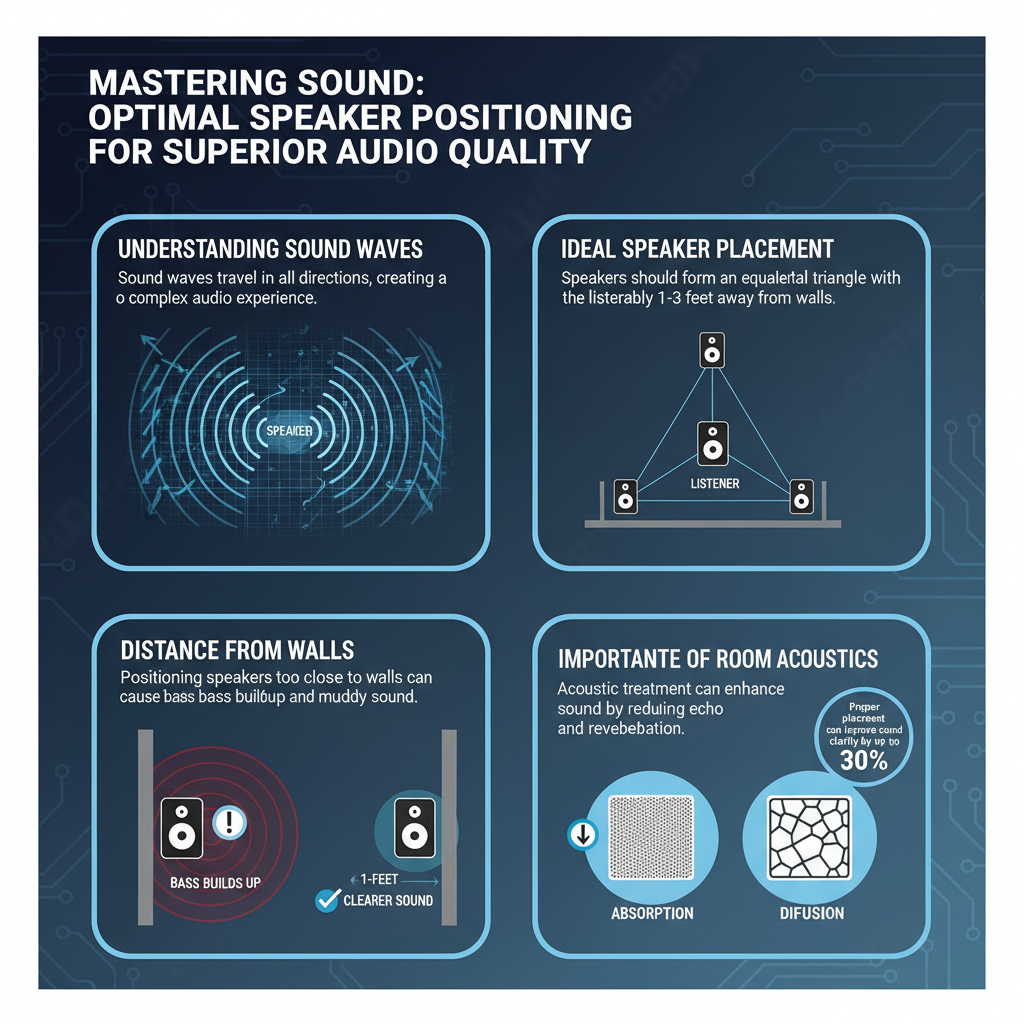
Room acoustics play a key role in shaping sound quality. Hard surfaces, such as tile or glass, tend to reflect sound waves, while soft surfaces, like carpets and cushions, absorb them. This interaction can create either a rich listening experience or muddled sound. Understanding how sound waves operate and how they interact with your surroundings is the first step toward optimal speaker placement.
Ideal Speaker Placement
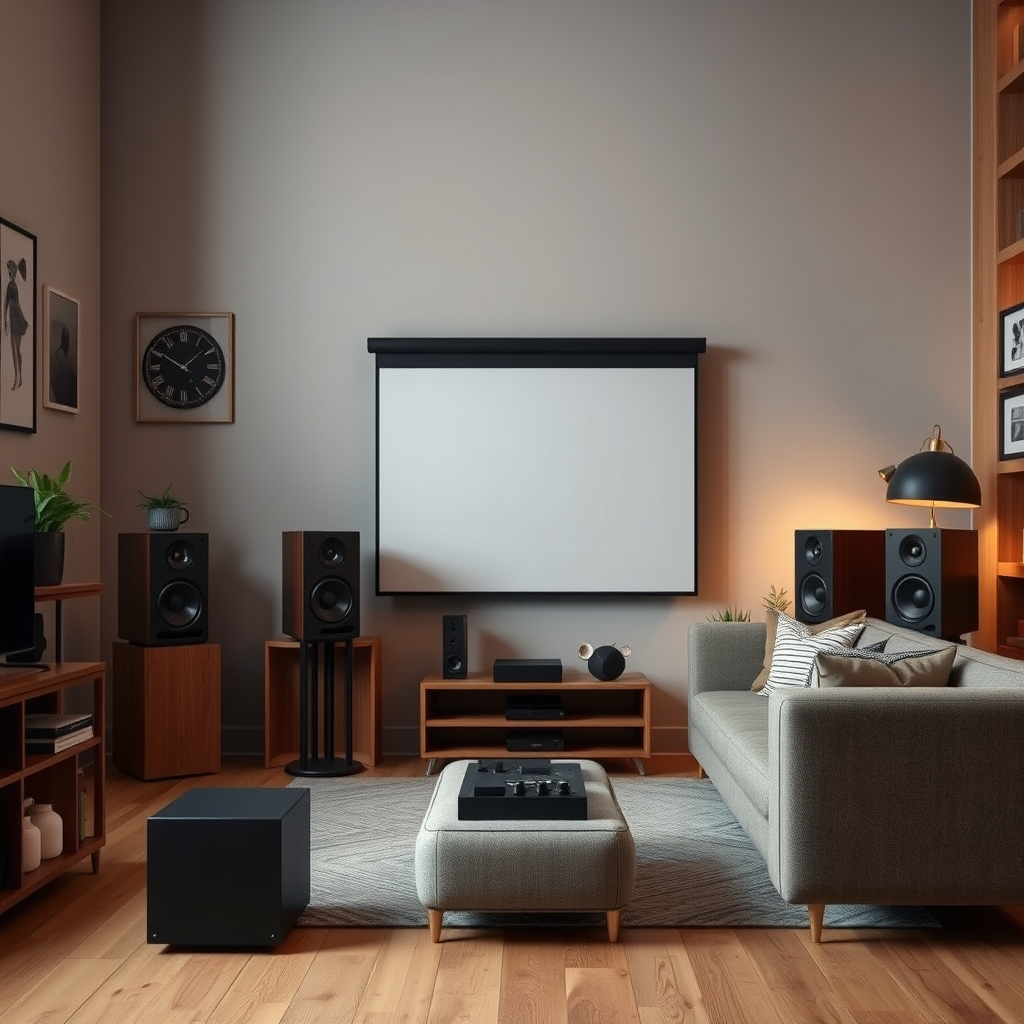
To achieve balanced sound, aim for an equilateral triangle configuration between your speakers and your listening position. This means that the distance between the two speakers should be equal to the distance from each speaker to your ears. For example, if your speakers are 8 feet apart, your listening position should also be about 8 feet away from them. This configuration helps to create a cohesive soundstage, allowing you to enjoy clarity in the midrange and depth in the bass.
Another essential tip is keeping your speakers at ear level. When sound is projected straight at your ears, it creates a more direct and engaging listening experience. You can achieve this by placing your speakers on stands or shelves that raise them to the appropriate height. If you’re seated while listening, ensure that the tweeters, which produce the higher frequencies, are aligned with your ears for optimal clarity.
Importance of Room Acoustics
Room acoustics are a fundamental aspect of sound quality that is often overlooked. The materials in your room can either enhance or detract from your audio experience. For instance, hardwood floors and bare walls can cause echoes and excessive reflections, making the sound feel hollow or overly bright. To counteract this, consider incorporating soft furnishings like rugs, curtains, and upholstered furniture. These items can absorb excess sound and minimize unwanted echoes, resulting in a more pleasant listening environment.
Additionally, you might want to experiment with wall treatments. Acoustic panels or foam can be strategically placed on walls to further improve sound absorption and reduce reflections. This can be especially beneficial in home theaters or dedicated listening rooms where optimal sound quality is a priority.
Distance from Walls and Corners
When positioning your speakers, it’s essential to maintain a suitable distance from walls and corners. Ideally, your speakers should be at least a few feet away from any wall to prevent bass buildup and distortion. When speakers are placed too close to walls, particularly the rear wall, they can create a phenomenon known as “boundary interference,” which muddles the sound and reduces clarity.
Corners are particularly problematic; placing speakers in corners can lead to exaggerated bass response, resulting in a boomy sound that lacks detail. To achieve a clearer sound, experiment with moving your speakers away from corners and towards the center of the room, ensuring that they have enough space to breathe.
Adjusting for Different Room Shapes
Room shape can significantly influence how sound is distributed throughout your space. In rectangular rooms, placing speakers along the longer walls can maximize sound dispersion, allowing the audio to reach more areas without obstruction. This setup can help create a more immersive listening experience, especially for larger rooms.
For square rooms, a slightly different approach may be necessary. Consider angling your speakers toward the listening area, known as “toe-in.” This slight adjustment can help focus the sound and create a more engaging soundstage. You might also want to experiment with different listening positions to find the sweet spot where the sound feels most balanced.
Testing and Tweaking
Once you’ve settled on an initial speaker placement, it’s time to put your setup to the test. Play a variety of music genres to evaluate the performance of your speakers. Pay attention to how well the bass, mids, and highs are balanced. Do certain frequencies stand out too much, or are there areas where the sound seems weak?
If you’re serious about optimizing your setup, consider using sound measurement tools or mobile apps that analyze frequency response. These tools can provide valuable insights into how your room affects sound quality, allowing you to make informed adjustments. Remember, fine-tuning your setup can make a world of difference in your listening experience.
Speaker Isolation Techniques
To further enhance sound clarity, consider implementing speaker isolation techniques. This involves using stands, isolation pads, or spikes to reduce vibrations that can interfere with sound quality. For instance, placing your speakers on dedicated stands can improve their stability and help eliminate unwanted resonance caused by vibrations from the floor.
Experiment with different isolation methods to determine what works best for your specific setup. If you notice a significant difference in sound clarity or bass response after making these adjustments, it might be worth investing in high-quality isolation products for a more refined listening experience.
Summarizing the key points, properly positioning your speakers involves understanding sound waves, considering room acoustics, and making adjustments based on your unique environment. Start by following these guidelines, test your setup, and enjoy enhanced audio quality in your space. For more tips and personalized advice, don’t hesitate to reach out or explore further resources on speaker optimization. Your journey to achieving optimal sound quality begins with thoughtful placement, so let the music play!
Frequently Asked Questions
How should I position my speakers for the best sound quality in my room?
To achieve optimal sound quality, position your speakers at ear level when seated, ideally creating an equilateral triangle with your listening position. Ensure the speakers are at least a few feet away from walls to reduce unwanted reflections and bass buildup. Experiment with toeing them in slightly towards your listening area for improved clarity and stereo imaging.
What is the best distance to place speakers from the wall?
The best distance to place your speakers from the wall typically ranges from 1 to 3 feet, depending on the design of the speakers and the acoustics of your room. For ported speakers, allowing more space can enhance bass response, while bookshelf speakers may benefit from being closer. Always listen and adjust based on your specific room characteristics to find the ideal placement.
Why does speaker placement matter for my audio experience?
Speaker placement significantly affects sound quality due to the interaction of sound waves with the environment. Proper positioning helps to minimize phase cancellation and reflections, which can muddy the audio. By optimizing speaker placement, you can achieve clearer, more accurate sound reproduction that enhances your overall audio experience.
Which angle should I position my speakers for stereo listening?
For stereo listening, position your speakers to create an angle of about 60 degrees between them, aimed directly at your listening position. This angle helps to create a balanced soundstage and ensures that audio reaches you evenly, allowing for a more immersive listening experience. Fine-tuning this angle can further enhance clarity and depth.
How can I use room acoustics to improve my speaker placement?
To utilize room acoustics effectively, assess your space for factors like furniture, flooring, and wall materials that can impact sound. Soft furnishings can absorb sound, while hard surfaces may reflect it. Placing speakers away from corners and experimenting with different locations can help mitigate unwanted echoes and enhance bass response, leading to a more balanced sound profile.
References
- https://en.wikipedia.org/wiki/Speaker_positioning
- https://www.acoustics.org/press/2020/10/23/speaker-placement-what-you-need-to-know/
- https://www.audioholics.com/education/speaker-setup-guide
- https://www.npr.org/sections/monkeysee/2017/09/18/552206339/how-to-set-up-your-home-audio-system
- https://www.soundonsound.com/techniques/speaker-placement-setup
- https://www.izotope.com/en/learn/how-to-position-your-speakers.html
- https://www.cnet.com/home/audio/how-to-set-up-your-speakers-for-the-best-sound/