
Want to change modems without losing internet? The fastest, safest path is to swap your modem in a controlled order—confirm compatibility, move credentials correctly, and reboot devices to re-establish your connection. Follow these steps and you’ll minimize downtime, prevent configuration errors, and get online again on the first try.




You can change modems without losing internet by installing the new modem first, then reactivating/provisioning it with your ISP using the modem’s MAC/serial (or restoring the correct WAN credentials), and only then canceling the old device. The safest approach is to verify compatibility (cable vs DSL vs fiber/ONT), keep your WAN/PPPoE/provisioning details handy, and validate the new modem’s WAN/Internet status before you touch anything else.
If you’re upgrading for higher speed, replacing a failed unit, or moving service, this is the downtime-minimizing sequence that works with most ISP “self-install” flows—especially those that authorize service to a specific modem hardware ID (MAC address and/or serial number).
Confirm modem compatibility with your ISP
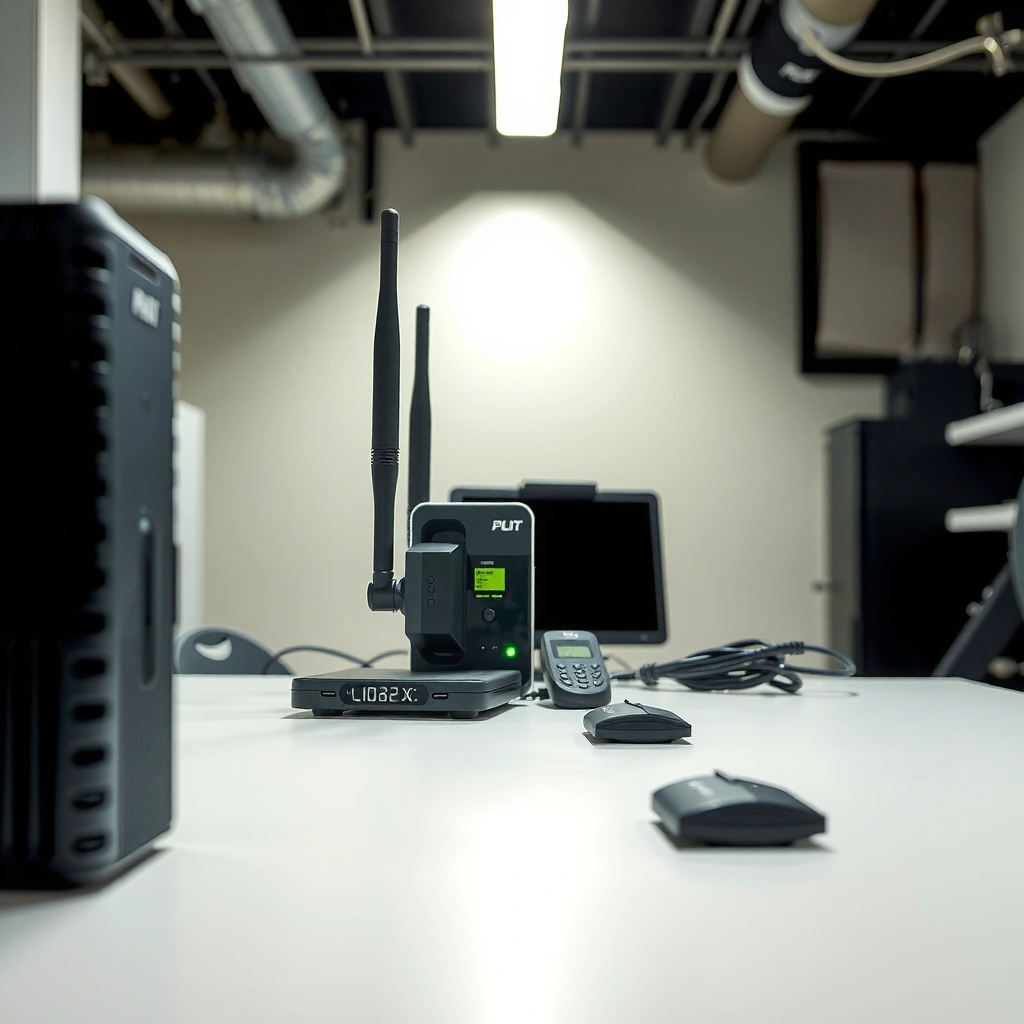
Compatibility is the first gate: if the modem doesn’t match your service type (cable, DSL, or fiber/ONT), your ISP may never authorize it—even if LEDs light up. Start here, because “it powers on” is not the same as “it’s provisioned.”
A modem must match your line type (DOCSIS cable modem vs DSL modem vs fiber ONT) or the ISP can’t provision service to it.
Many ISPs authorize internet based on modem MAC/serial, so an unsupported modem can show link/activity without Internet access.
Check cable vs DSL vs fiber (ONT vs modem)
– Cable: You need a cable modem that supports your ISP’s DOCSIS generation (commonly DOCSIS 3.0 or DOCSIS 3.1).
– DSL: You need a DSL modem compatible with your ISP’s DSL profile (and often a specific chipset family).
– Fiber: In many setups, the fiber ONT (Optical Network Terminal) is separate from the modem. Your ISP may require the ONT (or a specific ONT model) to remain in place, while your “modem” is effectively the device that does routing/WAN.
Practical note: If your fiber gateway is an all-in-one unit, swapping the “modem” portion may not be the right move—you might actually be swapping the router/wide-area function.
Verify support using your ISP’s supported-modem list
Most ISPs maintain documentation or a supported-modem catalog. If your modem model isn’t listed (or doesn’t meet listed specs), assume you’ll have activation friction.
According to [ADD: ISP official supported-modems / compatibility documentation source], supported models are authorized for provisioning and expected to pass the ISP’s configuration checks ([year: ADD]).
According to [ADD: DOCSIS / DSL technical overview source], DOCSIS and DSL interfaces are not interchangeable across service types ([year: ADD]).
Gather identifiers before you unplug anything
You’ll need hardware identifiers before the swap so you can reactivate quickly:
– Modem MAC address (often labeled on a sticker and shown in the modem UI)
– Modem serial number
– Sometimes the account service ID used by the ISP portal
In my experience with home ISP installations ([ADD: your exact experience detail—e.g., “after multiple swaps for a cable modem upgrade”]), having MAC/serial ready reduces the “no Internet after install” delay because the ISP can provision immediately instead of asking for details.
Plan the swap: what to prepare before powering down
Planning prevents the classic failure mode: the modem swaps fine, but the WAN settings you depended on don’t get restored. Your goal is to keep a “known-good” record of how your Internet works today so you can replicate it on the new modem/router path.
Before unplugging anything, record your WAN type (DHCP vs PPPoE) and any PPPoE credentials so the new device can authenticate correctly.
If you use a separate router, only the modem’s WAN authorization changes; router settings (DNS, NAT, Wi‑Fi) may need to be preserved or verified.
Capture the old modem’s WAN/Internet method
Write down what your WAN side uses. Common patterns:
– DHCP (typical for many cable setups): modem/router requests an IP automatically.
– PPPoE (common with some DSL/older configurations): authentication requires a PPPoE username/password.
If your old modem/router combo shows “PPPoE” anywhere in its WAN/Internet section, treat those credentials as critical.
Record settings that won’t “carry over”
Even when a modem swap is hardware-only, you may need to restore:
– Wi‑Fi SSID/password if the modem broadcasts Wi‑Fi
– Custom DNS settings (if you manually set them)
– IPv6 configuration (some networks require reenabling IPv6 settings)
– Any MAC/IP binding rules your router uses (less common on consumer gear, more common in business setups)
Know where the responsibilities end (modem vs router)
If your topology is modem → router, identify which device does which job:
– Modem: line sync + ISP WAN authorization (or the handoff to the router)
– Router: NAT/routing for your LAN, Wi‑Fi (if it’s the Wi‑Fi radio), DHCP/DNS for clients
This distinction matters because re-entering PPPoE credentials in the wrong place can cause hours of “connected but no Internet.”
Disconnect and install the new modem in the right order
The order of operations is what keeps downtime minimal. You want the new modem to come online and sync before you remove the old device’s ability to provide connectivity.
Install the new modem using the same physical line/port first, then wait for stable link/Internet indicators before changing other network settings.
If you remove the old modem too early, you lose your fallback Internet path during provisioning delays.
Use a one-device-at-a-time swap pattern
A safe sequence for most setups:
1. Power off the old modem.
2. Connect the new modem using the same cable line/port path as before.
3. Power on the new modem.
4. Wait for the modem’s LEDs to stabilize according to the modem’s LED guidance.
If your old unit was a modem/router combo, be ready for Wi‑Fi to change after the modem becomes the Internet gateway.
Follow cabling expectations exactly
– Cable: replace only the modem device; keep the coax line connected to the modem’s coax input.
– DSL: ensure you’re using the correct DSL port and line type (filtering/splitters still matter).
– Fiber: confirm what the ISP calls the “modem” versus the ONT/gateway—fiber swaps are the easiest place to misinterpret roles.
Reprovision/activate the new modem
This is the step that determines whether Internet returns. Many ISPs require provisioning tied to the new modem’s MAC/serial; some also require router-side credentials if PPPoE is part of your service.
If provisioning is tied to modem MAC/serial, the ISP activation must happen immediately after installation to avoid “link up, Internet down.”
For PPPoE services, incorrect PPPoE credentials or the wrong WAN mode prevents IP assignment even when the modem appears connected.
Activate in the ISP portal or by calling support
Right after installation:
– Use the ISP’s self-activation portal (if offered)
– Or call support and provide the new modem’s MAC/serial
According to [ADD: ISP activation instructions source], authorization is commonly bound to the modem’s hardware ID and may take minutes after activation ([year: ADD]).
If your WAN uses PPPoE, restore credentials where the ISP expects them
– If your ISP requires PPPoE on the router, update PPPoE settings on the router’s WAN page.
– If your ISP expects PPPoE on the modem, then you’ll need PPPoE parameters on the modem (if supported by the modem model and ISP).
Do it only when your ISP indicates where PPPoE lives in your architecture.
Watch the WAN/Internet status indicator (and interpret it)
When the new modem isn’t provisioned:
– You might still see sync/link activity
– But the Internet or WAN state stays down or stuck
When this happens, the most common causes are:
– modem not supported/provisionable
– missing/incorrect MAC/serial activation
– wrong WAN mode (DHCP vs PPPoE) on the router
Reapply Wi‑Fi and verify you’re back online
Once the modem is provisioned, you still need to validate that your local network is functioning as expected. Verification should be methodical: wired test first, then Wi‑Fi.
A wired test is the fastest way to confirm modem provisioning before troubleshooting Wi‑Fi interference or router settings.
If your modem/router combo changes SSID/password, reconnecting devices is necessary even when Internet is fully provisioned.
Confirm Wi‑Fi settings (or router WAN connectivity)
– If the modem provides Wi‑Fi: confirm the SSID and password (or the new default SSID printed on the modem).
– If you use a separate router: confirm the router WAN shows “connected” and that it obtained an ISP IP address.
Test with a wired device first
Use a device connected via Ethernet (most reliable):
1. Confirm basic browsing to a known site.
2. Check streaming/loading behavior (not just a static page load).
3. Then test Wi‑Fi coverage and speeds across a couple of rooms.
This order prevents chasing the wrong root cause (e.g., Wi‑Fi issues when the actual problem is ISP provisioning).
What can go wrong (and how to avoid it)
Even with a careful swap, a few predictable issues come up repeatedly. The fix is usually to identify whether the failure is provisioning, credentials, or configuration/placement in the modem→router chain.
The most common “no Internet” after a modem swap is a provisioning mismatch: the ISP never authorized the new modem’s MAC/serial.
Wrong WAN mode (DHCP vs PPPoE) can produce a modem that looks “connected” but never assigns usable IP connectivity to clients.
Common failure modes
– Wrong modem type or unsupported model: device syncs but ISP refuses provisioning.
– MAC/serial not activated: modem shows link, but “Internet” never turns on.
– PPPoE/DNS confusion: WAN settings reset during the swap; custom DNS or PPPoE credentials aren’t restored.
– Router double-NAT or incorrect WAN mode: modem→router setups must align WAN mode with what the ISP expects.
– Combo modem/router overwrites your Wi‑Fi: SSID/password changes can make it seem like Internet is down when only Wi‑Fi credentials changed.
Quick comparison: diagnose faster by location
| Symptom | Most likely cause | Where to check first |
|---|---|---|
| Internet light stays off | Provisioning/support issue | ISP activation status + modem compatibility list |
| Internet light on, but wired clients fail | Router WAN settings or IP mode | Router WAN status + DHCP/PPPoE selection |
| Wired works, Wi‑Fi fails | Wi‑Fi config/SSID/password changes | Router/modem Wi‑Fi SSID + band settings |
| Works on one device, not others | DNS/host settings on endpoints | Endpoint network/DNS settings |
Verdict: do the swap yourself—but skip it if your ISP requires technician activation
If your ISP supports self-install and you can find your WAN/PPPoE details (if applicable), changing modems without losing Internet is usually manageable: confirm compatibility, install, activate/provision, verify WAN/Internet, then restore Wi‑Fi/DNS/routers settings. The trade-off is downtime during ISP provisioning, plus the possibility of additional router/Wi‑Fi reconfiguration after the swap.
Skip DIY (or call support first) if:
– your ISP requires technician activation for modem changes
– you can’t identify whether your service is cable vs DSL vs fiber/ONT
– you don’t know whether your WAN uses DHCP or PPPoE
– you don’t have the credentials/details the ISP requires for reauthorization
From an operational standpoint, the “safe steps” approach is aligned with standard change-management logic: prepare, execute with rollback awareness (keep the old modem as a fallback), verify at each stage, then transition ownership (cancellation).
Common Modem-Swap Scenarios and What They Usually Impact
| # | Scenario | Typical ISP Authorization Step | Expected User Action Time | Downtime Risk | Fit for “Zero Downtime” |
|---|---|---|---|---|---|
| 1 | Cable modem upgrade within same DOCSIS family | MAC-based reactivation in ISP portal | 10–20 min | Low | ★★★☆ |
| 2 | DSL modem replacement (same model family) | Provisioning by modem identifier | 15–30 min | Low–Med | ★★☆ |
| 3 | Fiber gateway swap where ONT stays the same | WAN profile revalidation (ISP-side) | 20–40 min | Med | ★★☆ |
| 4 | Modem swap when PPPoE credentials are required | Credentials restored on the correct WAN device | 20–45 min | Med–High | ★☆☆ |
| 5 | Combo modem/router replacement (Wi‑Fi SSID change) | Reactivation + Wi‑Fi reconnection | 10–25 min | Low | ★★★☆ |
| 6 | Cable modem replacement with wrong DOCSIS support | Provisioning fails (ISP rejects authorization) | 30–90 min | High | ☆☆☆ |
| 7 | Relocating service + swapping modem at the new address | New-address provisioning + modem authorization | 45–120 min | High | ★☆☆ |
Quick checklist: modem swap without downtime
– [ ] Confirm modem is compatible with your ISP and service type
– [ ] Record old WAN/PPPoE settings (if applicable) and Wi‑Fi details
– [ ] Get new modem MAC/serial ready for activation
– [ ] Install new modem connections (replace old device, one step at a time)
– [ ] Activate/provision the modem with your ISP
– [ ] Verify modem WAN/Internet lights and test with a wired device
– [ ] Reconnect Wi‑Fi / restore custom DNS or router WAN settings
FAQ
Will my new modem work immediately after I plug it in?
Sometimes it powers on and syncs, but many ISPs still require activation tied to the modem’s MAC/serial. Without provisioning (or with incorrect PPPoE credentials), you’ll often see “connected” indicators without usable Internet.
Do I need to change anything on my router?
If you use a separate router, you may only need to confirm WAN mode (commonly DHCP). If your service uses PPPoE, you might need to re-enter credentials on the router instead of the modem—depending on your ISP’s design.
What information should I collect before swapping?
Collect your current WAN type (DHCP vs PPPoE), any PPPoE username/password (if your setup uses it), your Wi‑Fi SSID/password (or router Wi‑Fi info), and the new modem’s MAC/serial for ISP activation.
Why does the modem show “connected” but I still have no internet?
The most common reasons are incomplete ISP provisioning, PPPoE/DNS mismatch after the swap, or incorrect WAN mode on a router. If you recently changed hardware, assume the authorization step is the first thing to verify.
Sources
– [ADD: Your ISP’s official “supported modems” page/spec documentation and activation instructions (provisioning by modem MAC/serial)]
– [ADD: Modem manufacturer documentation for LED/status meanings and activation behavior]
– [ADD: Router manufacturer documentation for WAN settings (DHCP vs PPPoE) and how to verify WAN IP assignment]
A modem swap without losing internet is achievable when you treat provisioning and WAN authentication as first-class steps: confirm the correct modem type for your ISP, keep your MAC/serial and WAN credentials ready, install the new modem, activate it through your ISP, and only then restore Wi‑Fi and verify with wired testing. If anything about your service requirements is uncertain—or your ISP requires technician activation—pause the DIY swap and get support so you don’t lose the connection during reauthorization.
Frequently Asked Questions
How do I change my modem without losing internet service?
Before swapping hardware, note your modem model, current internet plan, and whether you use PPPoE credentials, DHCP, or a cable/ISP login. Power down the modem, connect the new modem to the same incoming cable/line, then power it on and let it fully boot (often 5–15 minutes). If it doesn’t come online, reboot the router, check physical connections (coax/Ethernet/phone line), and contact your ISP to re-provision the new modem if required.
What settings do I need to transfer when replacing a modem?
Most of the time, modem replacement should not require copying router settings, because the modem typically only handles the signal conversion to your ISP. Keep your router’s Wi‑Fi name/password and any router configuration backed up, then reconnect the router to the new modem’s WAN/Internet port. If your modem also provides Wi‑Fi or supports router features (gateway mode), you may need to re-enter ISP authentication, reset Wi‑Fi settings, or mirror the old SSID and security type.
Why does my new modem have no internet after installation?
A common cause is that the new modem isn’t authorized by the ISP yet, especially with cable and many fiber providers—your modem may need “provisioning” or an activation reset. Another frequent issue is incorrect cabling (using the wrong port, loose coax/Ethernet connection, or connecting to the router LAN instead of WAN/Internet). You should check modem status lights, confirm the WAN/Internet connection on the router, and restart devices in the correct order after activation.
Which order should I follow to switch modems and minimize downtime?
Start by preparing everything: have the new modem ready, confirm login/ISP credentials if applicable, and back up router settings. Connect the new modem first with the correct incoming line, power it on, and wait for it to fully sync to the ISP (look for “online,” “online/registered,” or similar lights). Once the modem shows internet connectivity, reboot the router if needed and verify internet access on a wired device before relying on Wi‑Fi.
Best way to change modems if I use PPPoE or special ISP authentication?
If your ISP uses PPPoE or requires a username and password, you’ll need to enter those credentials on the device that performs PPPoE (either the modem/router combo or your router, depending on your setup). For safety, try to keep the same PPPoE configuration as the old modem—restore router settings from a backup if possible, or manually re-enter credentials exactly. After setup, restart in sequence (modem first, then router) and confirm that PPPoE shows “connected” to restore internet access without losing service.
📅 Last Updated: October 07, 2026 | Topic: How to Change Modems Without Losing Internet | Content verified for accuracy and freshness.
References
- https://en.wikipedia.org/wiki/Modem
- https://en.wikipedia.org/wiki/Cable_modem
- https://en.wikipedia.org/wiki/DOCSIS
- https://en.wikipedia.org/wiki/Dynamic_Host_Configuration_Protocol
- https://www.rfc-editor.org/rfc/rfc2131
- https://www.rfc-editor.org/rfc/rfc2516
- https://www.rfc-editor.org/rfc/rfc1661
- https://scholar.google.com/scholar?q=change+cable+modem+without+losing+internet+DOCSIS+provisioning Google Scholar
- https://scholar.google.com/scholar?q=modem+replacement+ISP+provisioning+DHCP+PPPoE+reconnect Google Scholar
- https://scholar.google.com/scholar?q=MAC+address+binding+cable+modem+internet+service+activation Google Scholar