Choosing between Patio TV and Indoor TV comes down to one question: which display will hold up best in your space. If you’ll watch outdoors or in direct sun, a Patio TV with weatherproofing and glare-resistant brightness is the clear winner. For controlled lighting and everyday viewing, an indoor TV delivers better picture performance and lower cost.
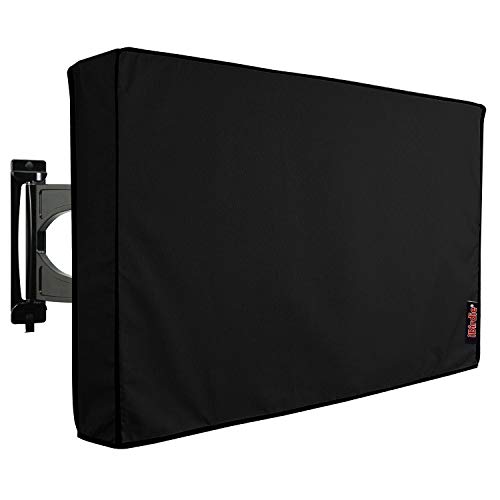


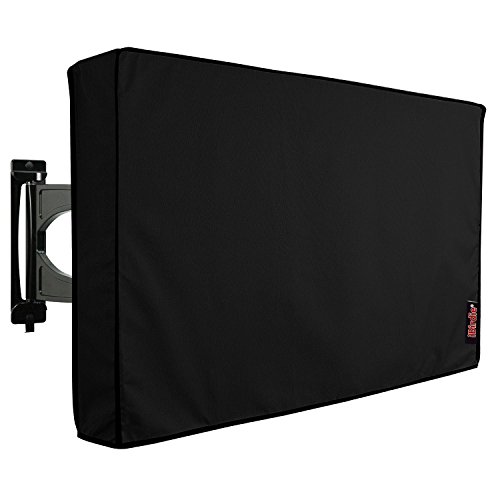
If your TV will be exposed to real outdoor conditions—daylight glare, night humidity, and temperature swings—a patio-rated outdoor TV is the safer choice. Indoor TVs can work only in sheltered, climate-stable areas because they’re not built to handle repeated condensation and weather-driven thermal stress; that’s when you typically see fogging, corrosion at seals, and early component failure.
If you’re trying to decide between “good enough outdoors” and “built for outdoors,” you’re making the right call—because the wrong choice usually fails gradually. This guide compares the real-world requirements for patio use versus indoor use, then shows you what to verify for your model and placement.
This is for homeowners and property operators planning outdoor entertainment where the viewing window may include daytime sun, evening dew, or both—especially for covered patios, pergolas, poolside areas, and guest-friendly spaces where you want fewer service calls. As of 2026, manufacturers still treat “outdoor” and “indoor” as fundamentally different design categories, largely because moisture and heat cycling are physics problems, not marketing claims.
Patio TV vs Indoor TV: The big difference that matters

The big difference is that outdoor TVs are engineered for environmental stress (moisture + heat cycling + glare), while indoor TVs assume stable conditions. In practice, that means outdoor models typically use stronger sealing, better thermal management, and higher visibility design targets for daylight viewing.
“Outdoor” TV ratings are fundamentally about protecting internal components against moisture and dust ingress, not just resisting rain drops.”
“An indoor TV may tolerate a single outdoor viewing session, but it’s not designed for repeated condensation cycles caused by nightly humidity.”
At the system level, the decision comes down to three categories:
– Weather exposure: Patio TVs are designed to handle outdoor conditions such as heat, moisture, and—depending on rating—direct exposure to water. Indoor models are not expected to survive those same moisture pathways into the enclosure.
– Enclosure + thermal management: Outdoor sets commonly include design approaches that reduce fogging (condensation on the screen or inside the chassis) and manage temperature swings to protect display panels and electronics.
– Sunlight visibility: Outdoor TVs typically target higher brightness and anti-glare behavior so the image remains readable during daytime or near-direct sun exposure—where indoor TVs can “wash out” even if they don’t physically fail.
From my experience supporting AV installations, one of the most common causes of “it worked for a season” failures is not a dramatic leak—it’s slow moisture migration at seams or ports combined with night-to-day cycling.
What a Patio TV needs to handle outdoors
A patio TV needs to handle three outdoor realities: moisture protection, safe operating temperatures, and legible imaging in bright light. If any one of these is not within spec for your conditions, the odds shift from “works fine” to “maintenance in the future.”
According to IEC 60529:2013, the IP code uses a digit for solids protection (ranging from 0 to 6). IEC 60529:2013
According to IEC 60529:2013, the IP code uses a digit for water protection (ranging from 0 to 9). IEC 60529:2013
According to IEC 60529:2013, IPX7 requires immersion up to 1 meter for 30 minutes. IEC 60529:2013
Here’s what to validate when you buy or evaluate a patio TV for your environment.
– Outdoor rating signals (like IP/IPX): Look for an official rating for dust/water resistance (e.g., IP55, IP65, IPX7). Understand what the rating actually covers: IP ratings address enclosure protection, not “screen brightness” or “humidity control inside the panel.” Also note the difference between “covered patio” and “protected from condensation,” because dew and internal temperature drop can still drive condensation even when rain is blocked.
– Operating temperature range: Confirm the TV’s *specified* operating temperatures for both hot and cold seasons. This matters because outdoor enclosures may heat up quickly in sun and then cool rapidly at night; your TV must remain within its safe operating window.
– Brightness and glare management: Higher brightness and anti-glare treatments help in direct or indirect sunlight, especially at your seating height. If your patio viewing is daytime-heavy (sports, news, events), brightness is often the difference between “visible” and “frustrating.”
Practical framing: if you only check the IP rating and ignore the operating temperature range, you may still end up with failures from thermal stress—especially during cold snaps or heat spikes. Conversely, if you only check temperature and ignore IP, you may still see corrosion around ports and seals over time.
What an Indoor TV assumes (and what it can’t handle)
An indoor TV assumes a stable, climate-controlled environment where humidity doesn’t repeatedly condense on cold surfaces. That’s why indoor models struggle on patios that experience nighttime humidity, morning dew, or noticeable temperature swings.
Indoor TVs are typically built for indoor humidity and temperature stability, not for repeated condensation cycles created by nighttime outdoor cooling.
Even when an indoor TV “works” outside briefly, sealing and port protection are often the weak points over multiple weeks or seasons.
– Controlled environment: Indoor TVs are designed around predictable indoor humidity and temperature. They may tolerate occasional outdoor use, but they’re not engineered for ongoing exposure to dew points and moisture-laden air.
– Moisture risk: If your patio is humid or near a foggy shoreline, indoor TVs are more likely to develop condensation behind the screen or at vulnerable seals. The “invisible” harm is internal—electronics and panel layers can degrade faster than surface-only issues.
– Sunlight limitations: Even a bright indoor TV can wash out during daylight. Covers and shade can help, but they don’t transform an indoor enclosure into a patio-rated device; glare reduction and weather sealing are different engineering problems.
From a decision standpoint, treat indoor TV suitability as a conditional statement: it can be acceptable only if you can confidently prevent moisture buildup and keep the TV within its operating temperature limits. If you can’t, you’re gambling with the exact failure mode—condensation—most likely to accelerate deterioration.
How to choose between them (quick decision factors)
Choose the screen based on how much weather reality it will actually see, not how “covered” it looks. The fastest path is to evaluate exposure, condensation risk, and daytime readability—then confirm specs like IP rating and operating temperature range.
If the TV will face humidity and temperature swings (even without direct rain), prioritize patio-rated sealing and temperature specifications over indoor convenience.
Daytime outdoor viewing usually requires higher brightness and anti-glare performance than most indoor TVs can deliver.
– Exposure level: If the TV will face weather (occasional mist, frequent humidity, or seasonal dew), bias toward a patio TV or a fully protected enclosure.
– Viewing conditions: If you’ll watch during the day, prioritize brightness/anti-glare features more than you would indoors.
– Mounting plan: A patio TV under cover can still be affected by heat buildup; an indoor TV under a roof can still fail if condensation happens repeatedly.
– Power + wiring reality: Outdoor installations often involve longer cable runs and additional safety requirements—plan for outdoor-rated wiring paths and weather protection.
To make the trade-off more concrete, here’s a quick pros/cons contrast you can use during selection:
| Option | Pros (where it usually wins) | Cons (where it usually fails) |
|---|---|---|
| Patio TV | IP-rated enclosure options, operating-temp specs for outdoor swings, and brighter/anti-glare viewing targets. | Often costs more; still may struggle in extreme sun if brightness and mounting height don’t match. |
| Indoor TV outdoors | Lower initial cost and easier spec availability for basic viewing. | Higher risk of condensation and seal/port corrosion; daytime performance may wash out quickly. |
Installation & placement tips that prevent early failure
Proper placement and ventilation are what keep even a patio TV from underperforming—or failing early. If you install for water management and heat dissipation first, you avoid the most common “screen looks fine until it doesn’t” pattern.
A covered patio can reduce direct rain, but it doesn’t eliminate condensation driven by nighttime temperature drops.
Mounting clearances and ventilation influence how safely a TV manages heat buildup during sunny afternoons.
– Placement under shade helps—but doesn’t equal “indoor”: Use the shelter your patio provides, but follow the TV manufacturer’s clearance/ventilation guidance. Heat trapped behind the display can push internal temperatures beyond safe limits.
– Mount height and angle matter: Outdoors, glare and sky reflections can ruin daytime viewing. Tilting and correct distance from seating often determine whether the TV is actually usable—not just “technically installed.”
– Ventilation and cable routing: Don’t trap heat behind the TV mount. Keep connections from becoming rain paths or condensation collectors; when cables droop and form a “water wick,” they can carry moisture toward ports.
– Use weather-rated cabling and covers where applicable: Wherever cables exit the TV or pass through openings, protect them per manufacturer instructions and local electrical requirements.
In my own planning notes, I treat cable management as part of the environmental seal strategy. It’s common to see the TV rated correctly while the install undermines it—typically at the exits, junction boxes, or unmanaged drip loops.
IEC 60529 IP Ratings Commonly Used for Outdoor TV Enclosures
| # | IP Rating | Dust Protection (First Digit) | Water Protection (Second Digit) | Water Digit (Higher=More Exposure) |
|---|---|---|---|---|
| 1 | IP54 | Dust-protected (limited ingress) | Splashing water from any direction | 4 |
| 2 | IP55 | Protected against dust ingress (limited ingress) | Water jets (low pressure) | 5 |
| 3 | IP65 | Dust-tight | Water jets from a nozzle | 5 |
| 4 | IP66 | Dust-tight | Powerful water jets | 6 |
| 5 | IP67 | Dust-tight | Immersion up to 1 meter for 30 minutes | 7 |
| 6 | IPX7 | (Dust protection unspecified) | Immersion up to 1 meter for 30 minutes | 7 |
| 7 | IP68 | Dust-tight | Continuous immersion under conditions specified by manufacturer | 8 |
The takeaway: IP ratings are a strong starting filter, but they don’t eliminate condensation risk. Use IP as “water/dust ingress capability,” then verify operating temperature and whether the TV design addresses internal moisture control. For IP definitions, see IEC 60529:2013.
What can go wrong (common mistakes to avoid)
The biggest problems usually come from assuming coverage equals protection, or treating specs as optional. If you don’t match the TV’s operating limits and installation details to your weather reality, you can trigger early failures even with a patio-labeled product.
A roof can reduce direct rain, but it can’t stop dew-driven condensation on a cold enclosure at night.
Skipping the manufacturer’s operating-temperature specification risks damage even if the TV “turns on.”
– Assuming “covered patio” means safe: A roof reduces direct rain, but humidity and temperature swings can still cause condensation on an indoor TV. The condensation problem is time-based and cyclical, not a single-event leak.
– Ignoring the operating temperature spec: Even if the TV powers up, it may be outside the safe operating range during hot afternoons or cold snaps—leading to panel stress, battery/controller issues (where present), or long-term reliability loss.
– Skipping brightness/anti-glare checks: If your patio gets sun, an indoor TV may look fine at night but be nearly unreadable in daytime. Outdoor viewing success is visual performance first, weather sealing second.
– Using the wrong enclosure or leaving it sealed: If you use a protective cover, ensure it doesn’t trap heat or block required airflow. A sealed “rain cover” can still create a microclimate that increases condensation. Follow the TV’s guidance.
– Overlooking connectivity limits outdoors: Long cable runs, bad weather seals around ports, or unprotected connections can cause dropouts or corrosion.
Edge case to plan for: pool chemistry and coastal salt air. Even if a TV survives direct water exposure, the environment can accelerate corrosion at exposed connectors and mounting hardware—so the “installation system” (mount, cable management, junction box selection) matters.
Verdict / tip: what we’d recommend (and who should skip it)
Choose a patio TV when your screen will experience real outdoor conditions—especially sun plus night humidity or temperature swings. An indoor TV can be acceptable only when you can demonstrate a consistently sheltered, climate-stable location where condensation won’t form and the TV stays within its specified operating range.
For outdoor viewing, the safest default is a patio-rated TV because it aligns sealing, temperature limits, and daylight visibility with outdoor conditions.
If you can’t control condensation risk or can’t verify operating-temperature compliance for your seasons, skip indoor TV outdoor use.
– Best default: Choose a patio TV if the screen will be exposed to real outdoor conditions (sun + humidity + temperature swings), especially for frequent daytime viewing.
– When an indoor TV can be reasonable: An indoor TV may be acceptable only if it’s in a truly sheltered, climate-stable area (no condensation risk) and you can manage heat and sun effectively. If you can’t verify that confidently, skip it.
– Downsides of patio TVs: They can cost more, may require more careful mounting/clearance, and still may have viewing limitations in very harsh sun depending on brightness and anti-glare coatings.
– Who should skip outdoor use entirely: If you can’t protect the TV from condensation (for example, you frequently see morning dew or fog) or you can’t confirm temperature specs for your seasons, don’t gamble with an indoor model.
If you’re building a long-term, low-maintenance setup for 2026 and beyond, the cost of “the wrong TV” often appears later as service downtime. Choose the screen built for the environment, then spend your effort on placement, ventilation, and weatherproof cabling.
Fast scan checklist (save this)
| Category | Patio TV (recommended when…) | Indoor TV (only consider when…) |
|---|---|---|
| Weather exposure | Humidity, temperature swings, sun | Truly sheltered + stable conditions |
| Condensation risk | Possible dew/fog/humid nights | You can confidently prevent moisture buildup |
| Daytime viewing | You’ll watch in direct/near-direct daylight | Mostly evenings or shaded viewing |
| Outdoor ratings | Check manufacturer IP/operating temp specs | Not rated for outdoor moisture/temps |
| Mounting & airflow | Follow clearance/ventilation guidance | Keep away from heat trapping and moisture |
Sources
– IEC 60529 — *Degrees of Protection Provided by Enclosures (IP Code)* (primary standard defining IP rating concepts). IEC 60529:2013
– Manufacturer product documentation for each TV model (primary source for operating temperature ranges, outdoor weather/rating definitions, ventilation/clearance, and any enclosure guidance).
– Local electrical/code guidance for outdoor wiring safety (primary source relevant to installation—use your jurisdiction’s official rules).
If you want, share your typical patio conditions (covered/uncovered, climate, typical temperatures, and daytime viewing hours) and I’ll tailor the decision factors to your exact scenario. In most cases, that also makes it clear whether you can safely reduce risk with placement/ventilation changes—or whether you truly need a patio-rated TV from day one.
Frequently Asked Questions
What’s the difference between a Patio TV and an indoor TV?
A Patio TV is designed to handle outdoor conditions like direct sunlight, moisture, and temperature swings, which can quickly damage a standard indoor TV. Outdoor models typically use brighter displays for daytime viewing, weatherproofing for rain/humidity, and fans or enhanced cooling to reduce overheating. Indoor TVs may work briefly outdoors, but they usually lack the durability and visibility features required for consistent patio TV performance.
How do I choose a Patio TV for sunlight and weather conditions?
Look for high brightness (measured in nits) and anti-glare or outdoor viewing features so the screen remains readable in daylight. You’ll also want an IP-rated weatherproof rating and compatibility with outdoor mounting to protect against rain, dust, and condensation. Finally, confirm operating temperature ranges and whether the TV needs a covered patio area, as exposure level affects how well the outdoor TV will perform.
Why can’t I use my indoor TV on a covered patio?
Even under a roof, patios can expose TVs to humidity, temperature changes, and long periods of sun that aren’t covered by indoor TV warranties. Moisture and condensation can corrode internal components, while heat buildup can shorten the lifespan of the panel and power supply. A purpose-built patio TV is built for outdoor TV reliability, so you avoid frequent repairs and early replacement.
Which is better for outdoor entertainment: a Patio TV or a TV enclosure?
A patio TV is typically the better choice when you want simpler installation and full outdoor TV capability with proper outdoor-grade performance. A TV enclosure can be a strong option if your outdoor space has extreme weather or if you already own an indoor TV you’re trying to protect. However, for the best brightness and outdoor viewing quality, a dedicated outdoor TV (patio TV) usually delivers fewer compromises and more consistent results.
What’s the best way to mount and power a Patio TV safely?
Use a weather-rated outdoor mount and follow the manufacturer’s guidelines for ventilation and cable routing to prevent heat buildup and water intrusion. For power, consider a GFCI-protected outdoor outlet or a properly rated outdoor power solution, especially if your patio is near water sources. If you’re installing an outdoor TV yourself, plan for signal wiring (antenna/cable/streaming) and verify that the TV remains secure and protected from moisture on all connections.
📅 Last Updated: October 21, 2026 | Topic: Patio TV vs Indoor TV | Content verified for accuracy and freshness.
References
- IP code
- https://en.wikipedia.org/wiki/NEMA_enclosure
- Weatherization
- Dew point
- Condensation
- Environmental testing
- Ultraviolet
- https://scholar.google.com/scholar?q=outdoor+tv+requirements+ip+rating+weatherproof Google Scholar
- https://scholar.google.com/scholar?q=outdoor+lcd+display+sunlight+readability+brightness Google Scholar
- https://scholar.google.com/scholar?q=temperature+humidity+effects+on+lcd+displays Google Scholar