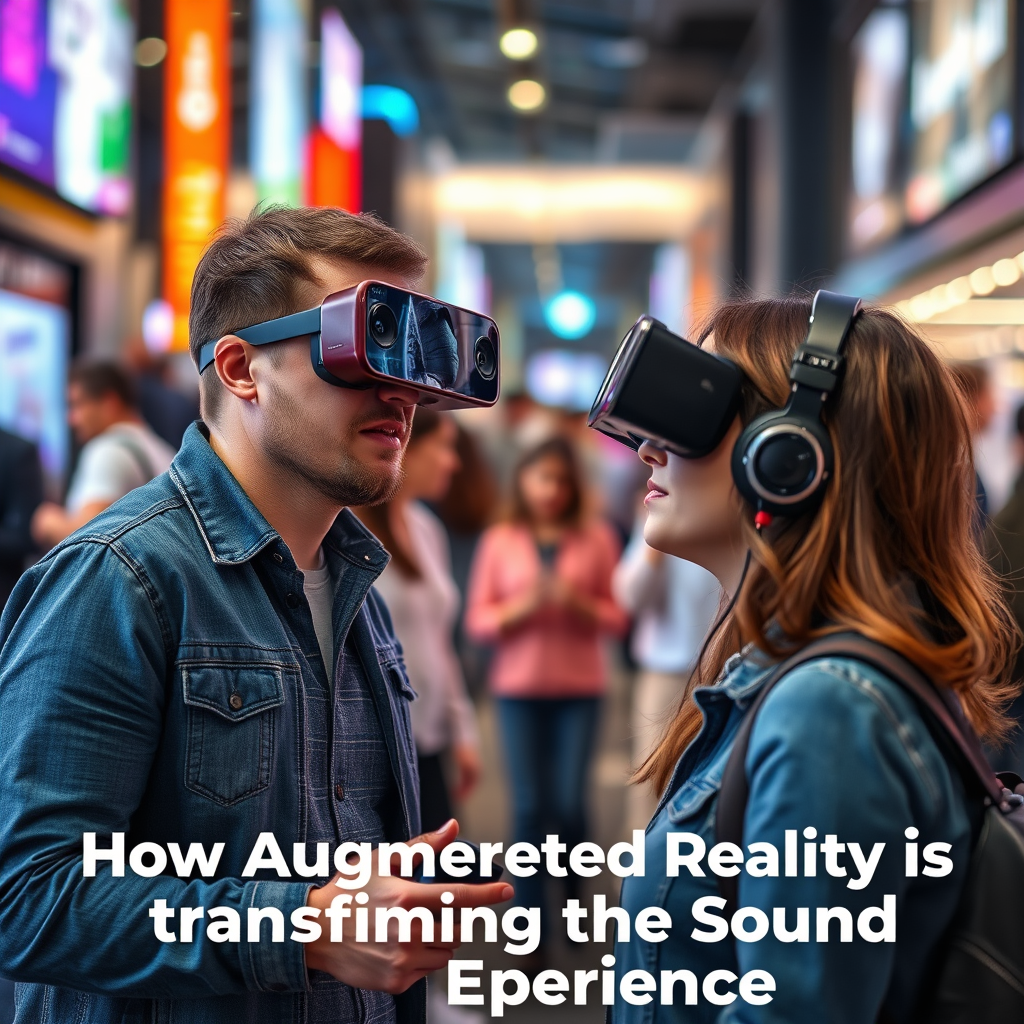
Virtual surround sound is a technology designed to create an immersive audio experience by simulating a multi-channel sound environment using fewer speakers. This innovative approach allows listeners to enjoy a rich sound experience without the complexity and expense of a traditional surround sound setup. Whether you’re gaming, watching movies, or listening to music, virtual surround sound can significantly enhance your audio enjoyment. Let’s delve deeper into what virtual surround sound is, how it works, and its advantages over traditional systems.




What is Virtual Surround Sound?

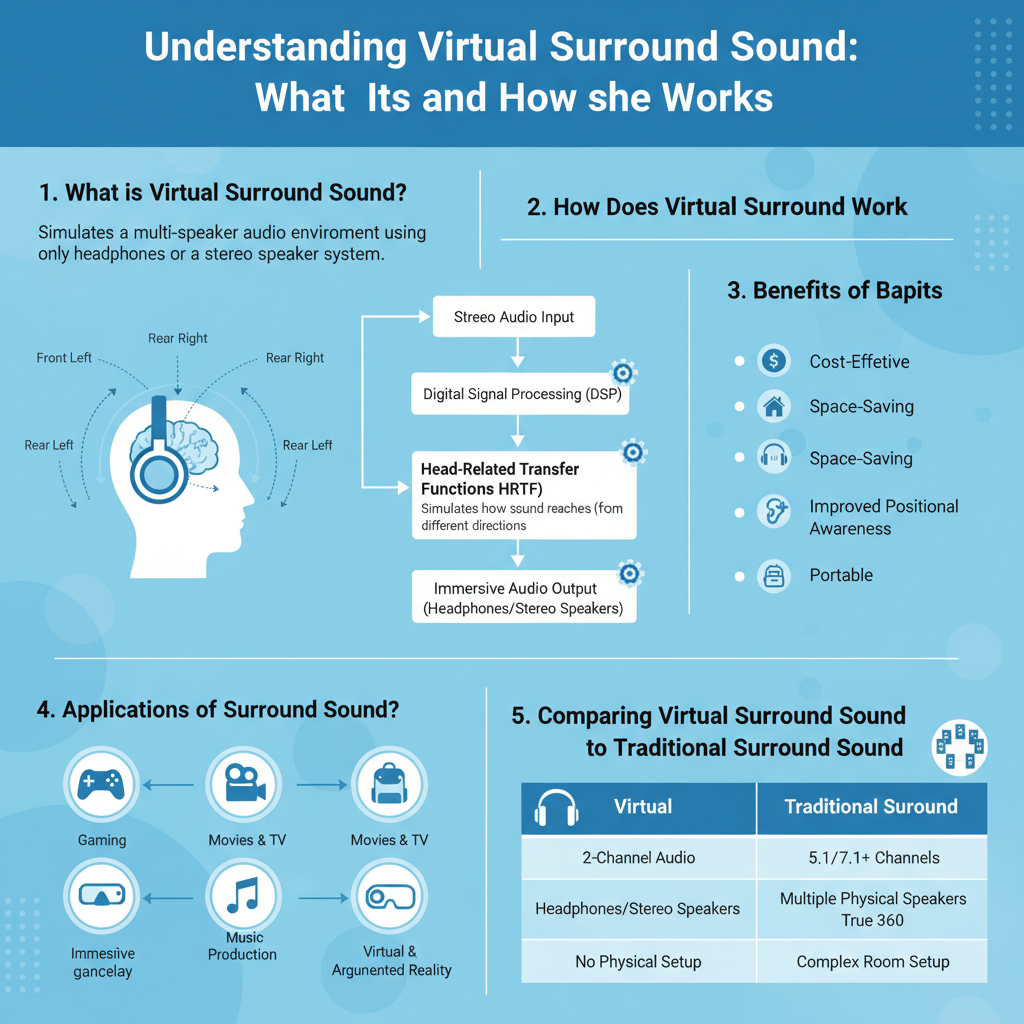
Virtual surround sound refers to the simulation of multi-channel audio using advanced algorithms and fewer speakers. Unlike traditional surround sound systems, which rely on multiple physical speakers strategically placed around a room, virtual surround sound utilizes sound processing techniques to create the illusion of directionality and depth. It is commonly found in headphones, soundbars, and home theater systems, allowing users to experience a surround sound effect without the clutter of multiple speakers. By leveraging stereo channels and applying sophisticated audio processing, virtual surround sound can effectively recreate a 3D audio landscape that immerses the listener in the experience.
How Does Virtual Surround Sound Work?

Virtual surround sound works by manipulating audio signals through advanced processing techniques. It mimics how sound travels in a physical space by using algorithms that analyze sound waves and their interaction with the environment. For instance, when sound is produced, it travels to our ears at slightly different times and intensities, creating a perception of direction and distance. Virtual surround sound systems replicate this phenomenon by adjusting the timing and volume of audio signals sent to each speaker or headphone driver.
This technology often employs techniques such as Head-Related Transfer Function (HRTF) and binaural audio, which take into account the shape of our ears and head. By simulating how sound waves interact with these physical structures, virtual surround sound can create an immersive audio experience that feels realistic. Whether you’re playing a game where footsteps approach from behind or watching a movie with dramatic sound effects, virtual surround sound enhances the overall experience, making it feel as if you are truly part of the action.
Benefits of Virtual Surround Sound
One of the most significant benefits of virtual surround sound is that it enhances the audio experience without the need for multiple speakers. This not only reduces the complexity of setup but also saves space, making it an ideal choice for smaller living environments. Additionally, virtual surround sound systems can be more affordable than traditional multi-speaker setups, allowing users to enjoy high-quality audio without breaking the bank.
Flexibility in setup is another advantage. For instance, soundbars equipped with virtual surround sound technology can easily be placed in front of a TV, while headphones can provide a personal surround sound experience without disturbing others. This adaptability makes virtual surround sound appealing to a broad audience, from casual listeners to serious audiophiles seeking innovative audio solutions.
Applications of Virtual Surround Sound
Virtual surround sound has a wide range of applications, significantly enhancing experiences in gaming, movies, and music. In gaming, for example, it allows players to hear subtle audio cues that help them locate enemies or navigate virtual environments, creating a more engaging gameplay experience. Popular gaming headsets often incorporate virtual surround sound technology to enhance this level of immersion.
In the realm of movies, virtual surround sound enriches cinematic experiences by providing a sense of space and movement. Soundbars that feature this technology can simulate a full surround sound experience, making action scenes more thrilling and dialogues clearer. Additionally, virtual surround sound is increasingly being integrated into virtual reality (VR) and augmented reality (AR) applications, where the need for realistic audio is crucial to the immersive experience.
Comparing Virtual Surround Sound to Traditional Surround Sound
When comparing virtual surround sound to traditional surround sound, the most notable difference lies in the number of physical speakers used. Traditional surround sound systems typically require multiple speakers placed around the listener to create an immersive audio environment. While these systems can provide excellent audio fidelity, they often come with higher costs and more complicated setups.
Virtual surround sound, on the other hand, simulates this multi-speaker experience with fewer speakers or even just headphones. This makes it a more convenient option for those who may not have the space or budget for a full surround sound setup. However, it’s essential to acknowledge the pros and cons of each approach. Traditional systems may offer superior audio fidelity and spatial accuracy, while virtual systems excel in convenience and cost-effectiveness.
Popular Technologies and Formats
Several popular technologies and formats utilize virtual surround sound principles, enhancing the audio experience across various platforms. Dolby Atmos is one of the leading technologies, offering a three-dimensional sound experience that allows sound to move freely around the listener. This format has gained immense popularity in theaters and home entertainment systems alike, creating a truly immersive environment.
Another noteworthy technology is DTS Headphone:X, which is specifically designed for headphone use. This format simulates multi-channel audio to create a surround sound experience that feels authentic, making it an excellent choice for gamers and movie enthusiasts alike. Each of these formats has its unique features and strengths, catering to different preferences and setups.
Choosing the Right System for You
When selecting a virtual surround sound solution, several factors should be taken into consideration. First, think about your environment. If you have limited space, a soundbar with virtual surround sound capabilities might be the best choice. For personal listening, high-quality headphones with virtual surround sound technology can provide an impressive audio experience without disturbing others.
Second, consider your personal preferences and how you plan to use the system. Gamers may benefit from headsets that feature advanced virtual surround sound technologies for a more immersive gameplay experience, while movie lovers might prefer a soundbar that can enhance their home theater setup. By understanding your needs and the different options available, you can find the perfect virtual surround sound solution that aligns with your lifestyle.
Summarizing the key points, virtual surround sound offers an innovative way to enjoy immersive audio experiences without the complexity of traditional setups. Whether you’re a gamer, movie enthusiast, or music lover, exploring options for virtual surround sound can significantly enhance your enjoyment. Take the next step by researching specific products and technologies that fit your needs, and prepare to immerse yourself in a whole new world of sound.
Frequently Asked Questions
What is virtual surround sound and how does it work?
Virtual surround sound is an audio technology designed to simulate a multi-channel sound experience using just two speakers or headphones. It works by processing audio signals to create a perception of sound coming from various directions, similar to traditional surround sound systems. This is achieved through advanced algorithms that manipulate phase and timing differences in sound waves, tricking your brain into perceiving depth and directionality.
How does virtual surround sound differ from traditional surround sound?
Traditional surround sound typically requires multiple speakers placed around a room to create an immersive audio environment, while virtual surround sound uses fewer speakers or headphones to achieve a similar effect. Virtual systems rely on psychoacoustic principles to simulate the spatial audio experience, making them more convenient and often more cost-effective for users who may not have the space or resources for a full surround sound setup.
Why should I choose virtual surround sound for gaming or movies?
Choosing virtual surround sound for gaming or movies enhances your audio experience by providing a more immersive and realistic sound environment without the need for complex speaker setups. This technology helps highlight directional audio cues, which can be crucial in gaming for locating enemies or understanding the environment. Additionally, it’s a great solution for small spaces where traditional surround sound systems would be impractical.
What are the best devices or software for experiencing virtual surround sound?
Some of the best devices for experiencing virtual surround sound include high-quality gaming headsets like the HyperX Cloud II and the SteelSeries Arctis series, which feature built-in virtual surround sound technologies. Software options like Dolby Atmos and DTS Headphone:X can also enhance your audio experience on compatible devices, providing rich, immersive soundscapes for gaming and movies. Always check compatibility with your system for optimal performance.
Which content formats support virtual surround sound?
Virtual surround sound is supported by various content formats, including video games, movies, and music that utilize specific audio codecs like Dolby Digital, DTS, and Dolby Atmos. Many streaming services, such as Netflix and Amazon Prime Video, offer content encoded with virtual surround sound capabilities. To fully experience the benefits, ensure your playback device and audio settings are optimized to utilize virtual surround sound technologies.
References
- https://en.wikipedia.org/wiki/Virtual_surround_sound
- https://www.techradar.com/news/what-is-virtual-surround-sound
- https://www.researchgate.net/publication/327308320_A_comparative_study_of_virtual_surround_sound_systems
- https://www.sciencedirect.com/science/article/pii/S1877050916301607
- https://www.ncbi.nlm.nih.gov/pmc/articles/PMC6724040/
- https://www.soundonsound.com/techniques/understanding-surround-sound
- https://www.itu.int/en/ITU-T/studygroups/com12/Pages/virtual-surround-sound.aspx