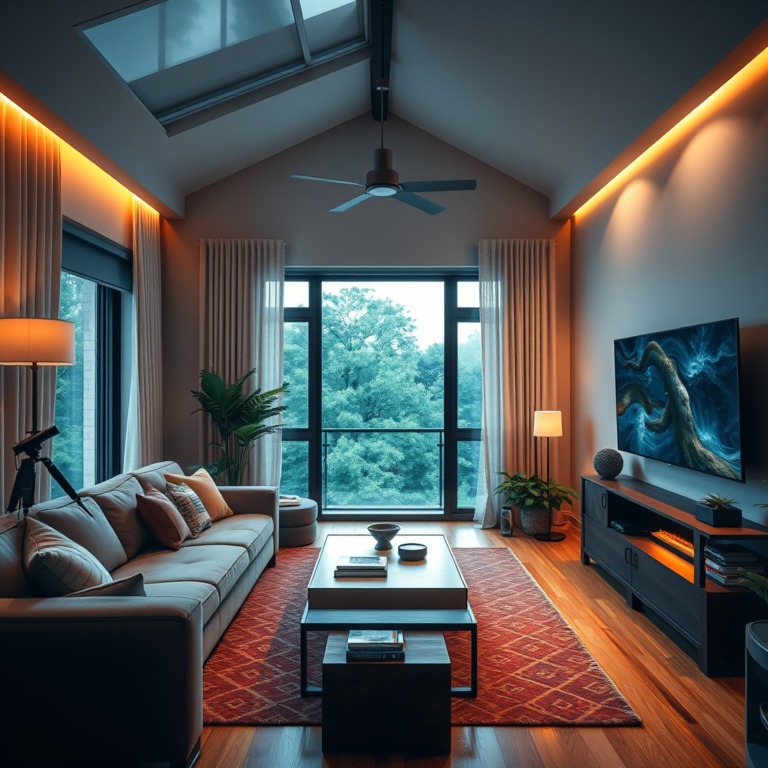

Watching movies with Dolby Vision and HDR10+ significantly improves the visual experience by providing enhanced color accuracy, better contrast, and increased brightness. These advanced technologies work together to create a more immersive and lifelike viewing experience that brings your favorite films to life like never before. By utilizing dynamic and static metadata, respectively, they adjust the picture quality in ways that make every scene pop, allowing you to appreciate the artistry and detail of the film on a whole new level. In this article, we will delve deeper into how these technologies elevate your home cinema experience and what you need to enjoy them to the fullest.
Understanding Dolby Vision

Dolby Vision is a cutting-edge HDR format that takes your viewing experience to the next level by providing dynamic metadata. This means that the technology can adjust brightness and color on a scene-by-scene basis, ensuring that every shot looks its best, regardless of the lighting conditions or content. For example, a dark scene in a thriller will be displayed with precise shadow detail, while a vibrant action sequence will burst with rich colors and brightness.

One of the standout features of Dolby Vision is its ability to deliver a wider range of colors compared to standard HDR formats. With support for up to 12-bit color depth, it can display over 68 billion colors, making the visuals more lifelike and immersive. This means that skin tones appear more natural, skies look more vibrant, and landscapes come alive with detail. If you’re a fan of visually stunning films, Dolby Vision truly enhances the experience, making you feel as though you’re right there in the action.
Exploring HDR10+

On the other hand, HDR10+ is another remarkable HDR technology that utilizes static metadata. This means that the brightness and color settings are optimized for the entire film rather than on a scene-by-scene basis. While this may sound like a limitation compared to Dolby Vision, HDR10+ still provides an impressive viewing experience by significantly enhancing the dynamic range, which is especially beneficial for standard HDR displays.
HDR10+ retains the 10-bit color depth found in HDR10, allowing for over a billion colors to be displayed. This capability ensures that viewers can enjoy a high dynamic range of brightness levels and colors, which enhances contrast and makes images look more vivid and detailed. Many recent films and shows are now being mastered in HDR10+, making it a valuable technology for any home cinema setup.
Key Differences Between Dolby Vision and HDR10+
When comparing Dolby Vision and HDR10+, there are some key differences that can influence your choice of technology. One of the most significant distinctions is that Dolby Vision supports up to 12-bit color depth, while HDR10+ typically supports 10-bit. This difference allows Dolby Vision to render a broader spectrum of colors, making it a better option for those who prioritize color accuracy and depth in their viewing experience.
Another major difference lies in the way each technology handles metadata. Dolby Vision’s dynamic metadata allows for adjustments to be made on a scene-by-scene basis, resulting in more precise control over brightness and color settings. This dynamic approach means that filmmakers’ intentions are more accurately represented as scenes transition from one to another. In contrast, HDR10+ relies on static metadata, which applies the same settings uniformly across the entire film. While this may not provide the same level of detail as Dolby Vision, HDR10+ can still significantly enhance the viewing experience, especially when it comes to overall brightness and contrast.
Benefits of Using These Technologies
Utilizing Dolby Vision and HDR10+ offers a multitude of benefits that can transform your movie-watching experience. One of the most noticeable advantages is the improved shadow detail and highlights. With the capability to display deeper blacks and brighter whites, these technologies enhance the overall picture quality, making the content more engaging. You’ll notice that dark scenes have more depth and texture, while bright scenes are more striking and visually appealing.
Moreover, better color fidelity brings images to life in vibrant and true-to-life shades. This creates a more immersive experience, drawing viewers into the story and helping them connect with the characters and settings on a deeper level. Whether it’s the rich hues of a sunset or the intricate details of a character’s costume, Dolby Vision and HDR10+ allow for a viewing experience that feels much closer to reality.
Requirements for Enjoying Dolby Vision and HDR10+
To enjoy Dolby Vision and HDR10+, there are a few essential requirements you’ll need to meet. First and foremost, you’ll need a compatible TV or projector that supports these formats. Many modern displays now come with Dolby Vision and HDR10+ capabilities, but it’s always wise to double-check the specifications before making a purchase.
In addition to a compatible display, you’ll also need an HDR-capable media player or streaming service to access content in these formats. Popular streaming platforms like Netflix, Amazon Prime Video, and Disney+ have a vast library of films and shows available in both Dolby Vision and HDR10+, ensuring you have plenty of options to choose from. If you prefer physical media, look for Ultra HD Blu-rays that are specifically labeled as supporting Dolby Vision or HDR10+.
Popular Movies and Content Available in Dolby Vision and HDR10+
There’s no shortage of incredible content available in Dolby Vision and HDR10+, making it easier than ever to experience these technologies. Streaming services like Netflix, Amazon Prime Video, and Disney+ boast extensive libraries filled with films and shows that showcase the best of these formats. Notable movies that exemplify the capabilities of Dolby Vision and HDR10+ include visually stunning titles like “Blade Runner 2049,” which features breathtaking visuals, “Roma,” celebrated for its stunning cinematography, and the fan-favorite series “The Mandalorian,” known for its impressive use of visual effects and rich color palettes.
These titles not only highlight the technology’s impressive capabilities but also demonstrate how immersive and engaging a film can be when viewed in the right format. So, whether you’re a fan of action, drama, or adventure, you’ll find something to enjoy in these formats.
Setting Up Your Home Theater for Optimal Viewing
To truly make the most of your Dolby Vision and HDR10+ experience, setting up your home theater correctly is essential. Start by ensuring you have the right HDMI cables that support high bandwidth, as this is crucial for transmitting the quality needed for HDR content. Look for cables labeled as “High Speed” or “Premium High Speed” to ensure optimal performance.
Next, take some time to adjust your TV settings to enable HDR features. This often involves enabling HDR mode in your display’s settings and fine-tuning picture settings to optimize your viewing experience. Consider adjusting brightness, contrast, and color settings to suit your preferences, as every viewer may have different tastes. Additionally, positioning your seating for the best viewing angle can make a significant difference in how you perceive the enhanced visuals.
By leveraging the advanced capabilities of Dolby Vision and HDR10+, viewers can transform their movie-watching experience into something truly spectacular. This technology not only enhances visual appeal but also immerses the audience in the story like never before. To fully enjoy the benefits, consider upgrading your equipment and exploring content specifically designed for these formats. Dive into the world of stunning visuals and elevate your home cinema today!
Frequently Asked Questions
What is the difference between Dolby Vision and HDR10+?
Dolby Vision and HDR10+ are both high dynamic range (HDR) formats that enhance movie watching by providing improved contrast, brightness, and color accuracy. The key difference lies in their metadata: Dolby Vision uses dynamic metadata, allowing for scene-by-scene adjustments to optimize the viewing experience, while HDR10+ also employs dynamic metadata but is an open standard. This means that Dolby Vision can often deliver a more refined image quality on compatible displays.
How do Dolby Vision and HDR10+ enhance the viewing experience?
Both Dolby Vision and HDR10+ enhance the movie watching experience by expanding the range of colors and brightness levels displayed on the screen. This results in more lifelike images with greater depth and detail, especially in scenes with high contrast, such as sunsets or dark environments. Viewers often notice richer colors and improved shadow details, which can make movies feel more immersive and visually appealing.
Why should I choose a TV with Dolby Vision or HDR10+ for movie watching?
Choosing a TV with Dolby Vision or HDR10+ is beneficial because these formats provide a superior viewing experience compared to standard dynamic range (SDR) content. They allow for enhanced color accuracy and contrast, making movies appear closer to the creator’s original vision. Furthermore, as more content is produced in these formats, having a compatible TV ensures that you can fully enjoy the latest cinematic advancements and future-proof your home theater setup.
Which streaming services offer content in Dolby Vision and HDR10+?
Major streaming services such as Netflix, Amazon Prime Video, Disney+, and Apple TV+ offer a growing library of movies and shows in both Dolby Vision and HDR10+. Each platform provides various titles that take advantage of these HDR formats, giving viewers access to visually stunning content. It’s essential to check the specific titles available in these formats on your preferred service, as not all content is offered in HDR.
What equipment do I need to enjoy Dolby Vision and HDR10+ content?
To enjoy Dolby Vision and HDR10+ content, you’ll need a compatible 4K Ultra HD TV that supports these HDR formats, as well as a streaming device or Blu-ray player that is capable of delivering HDR content. Additionally, ensure that your HDMI cables are high-speed and rated for 4K HDR to maintain optimal picture quality. Lastly, a reliable internet connection is crucial for streaming content in these formats without buffering.
References
- Dolby Vision
- HDR10+
- https://www.wired.com/story/what-is-hdr10-plus/
- https://www.techradar.com/news/hdr10-vs-dolby-vision-which-is-best-for-your-tv
- https://www.cnet.com/tech/home-theater/hdr10-plus-vs-dolby-vision-which-high-dynamic-range-format-should-you-choose/
- https://www.reuters.com/technology/dolby-vision-vs-hdr10-which-is-best-2022-05-09/