
Selecting between a Smart TV and a streaming device ultimately depends on your viewing habits and preferences. Smart TVs offer all-in-one functionality with built-in apps, while streaming devices provide flexibility and often support for multiple platforms. In this article, we’ll explore the key differences, benefits, and considerations to help you make an informed choice.
Understanding Smart TVs
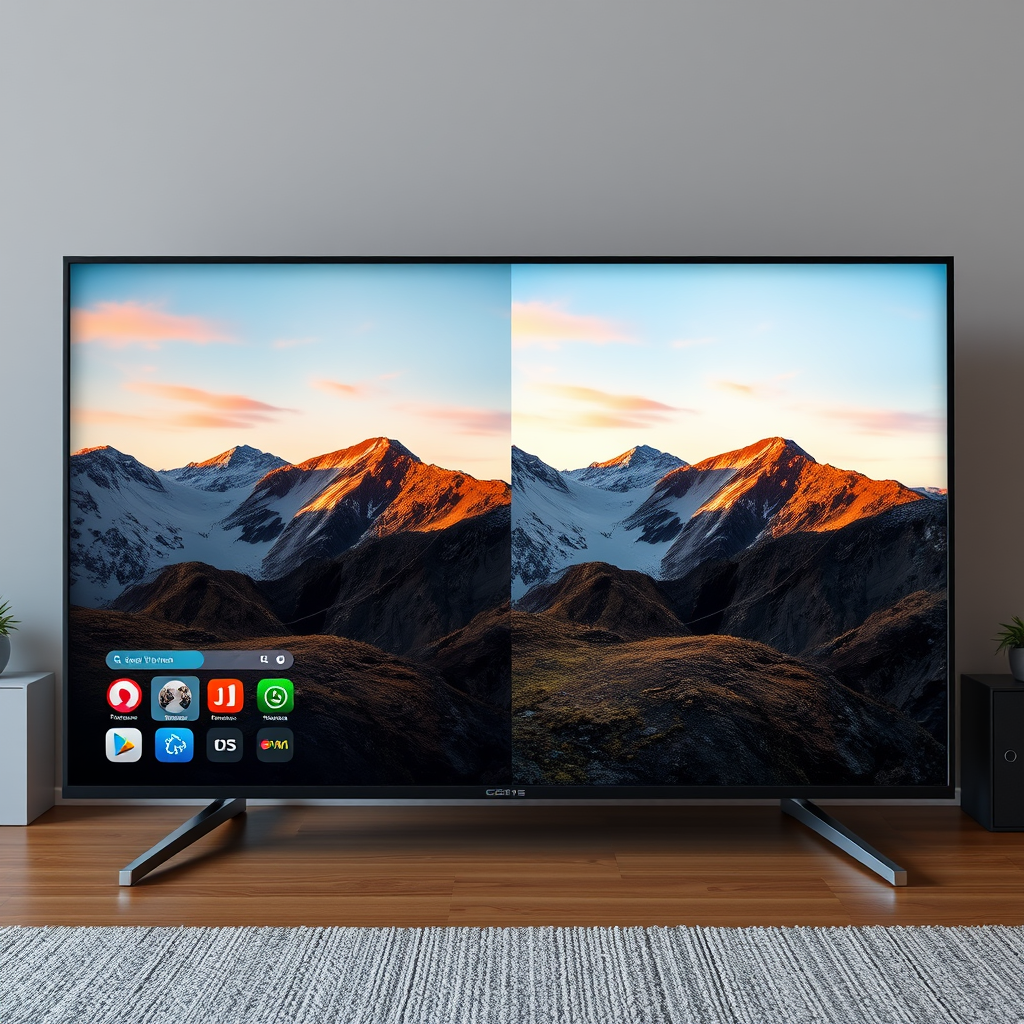
Smart TVs come with integrated streaming capabilities, meaning you can access apps like Netflix, Hulu, and more directly without additional devices. This built-in functionality allows for a seamless viewing experience right out of the box. Most modern Smart TVs also feature higher-quality displays, with many models offering advanced technology like 4K resolution and HDR (High Dynamic Range). This means you’ll enjoy sharper images and more vibrant colors while watching your favorite shows or movies. Brands like Samsung, LG, and Sony have made significant strides in enhancing picture quality, making their Smart TVs an attractive option for those who prioritize visuals.
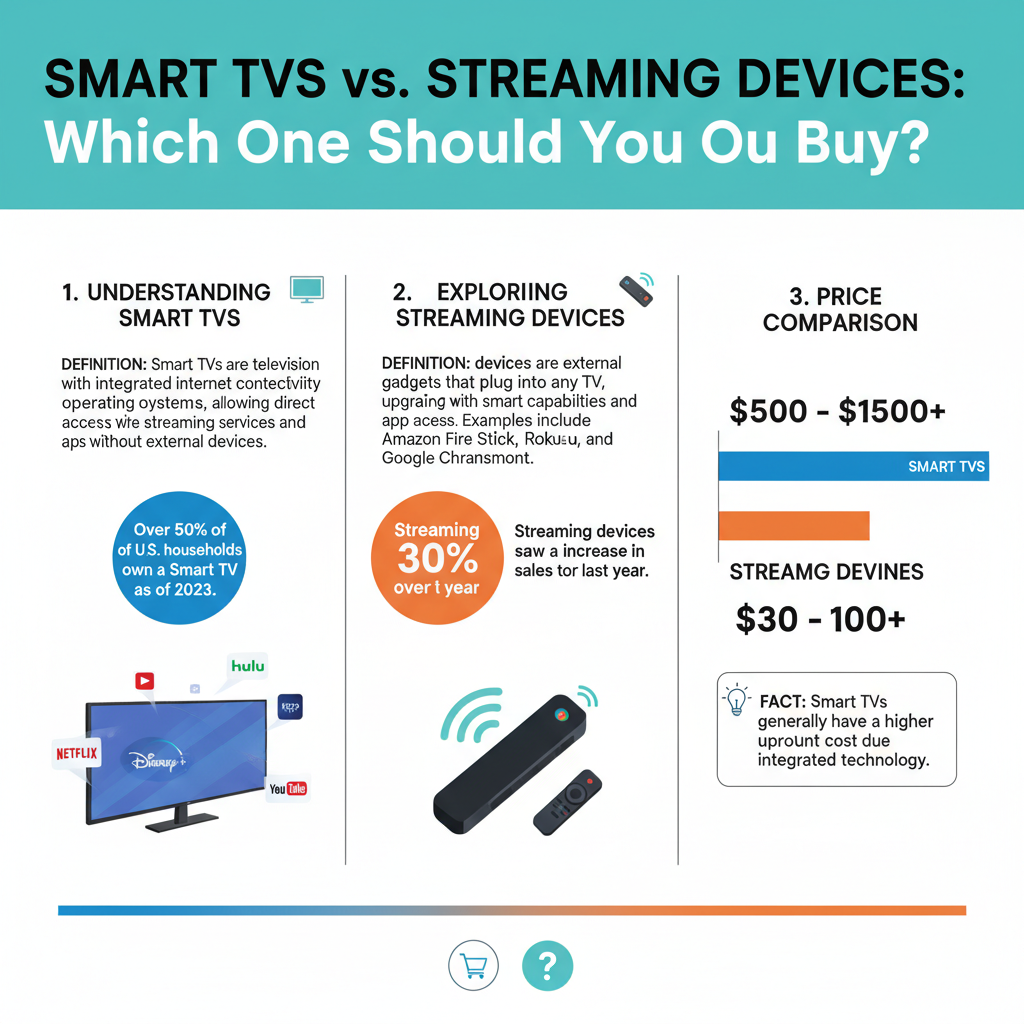
Moreover, Smart TVs are often equipped with voice assistant capabilities and smart home integration, allowing you to control your TV and connected devices using voice commands. For instance, you can ask your TV to play specific shows or adjust the volume without ever needing to pick up a remote. This can be especially appealing for tech-savvy users who appreciate the convenience of controlling their home entertainment system with ease.
Exploring Streaming Devices
Streaming devices like Roku, Amazon Fire Stick, and Apple TV provide a cost-effective way to add smart capabilities to your existing TV. These devices plug into your television’s HDMI port and offer access to a plethora of streaming services, many of which may not be available on older Smart TVs. For example, a Roku device can give you access to over 500,000 movies and TV episodes, along with niche streaming platforms that cater to specific genres or interests.
One of the significant advantages of streaming devices is their affordability. Most devices are priced well under $100, making them an excellent choice for budget-conscious consumers. Additionally, they typically receive regular updates, ensuring you have access to the latest features and apps. For instance, if a new streaming service becomes popular, a streaming device is likely to support it sooner than a Smart TV may receive an update.
Furthermore, streaming devices allow for flexibility in choosing the best viewing experience. If you decide to switch from one platform to another, you can easily do so without needing to invest in a new television. This adaptability makes streaming devices an attractive option for those who enjoy exploring various streaming services.
Price Comparison
When it comes to price, Smart TVs can be expensive upfront, especially for larger models with advanced features. A high-end Smart TV can easily cost over $1,000, depending on the size and specifications. While you do get a lot of functionality in one package, the initial investment can be daunting for many consumers.
On the other hand, streaming devices are generally more affordable, allowing you to upgrade your viewing experience without breaking the bank. Most streaming devices range from $30 to $100, making them accessible to a wide audience. For example, the Amazon Fire Stick can be purchased for as little as $40, providing an easy entry point into the world of streaming without the hefty price tag of a Smart TV. This pricing structure makes it easier for families or individuals to tailor their entertainment setups according to their budget.
User Interface and Experience
User interface can significantly affect your overall viewing experience, and Smart TVs often have proprietary user interfaces that may vary between brands. This can sometimes lead to a disjointed experience, especially if you switch between different brands or models. For instance, navigating the interface on a Samsung Smart TV can be quite different from using an LG, which might confuse users who are accustomed to a specific layout.
In contrast, streaming devices usually offer a more consistent user experience, with intuitive navigation and search features across different platforms. Most streaming devices come with a user-friendly remote that includes voice search capabilities, making it easy to find what you want to watch without scrolling through endless menus. For example, the Roku interface is known for its simplicity, allowing users to easily access their favorite apps and content quickly.
This consistency is especially valuable for families, where different members might prefer various streaming apps. With a streaming device, everyone can access their preferred content without needing to learn a new interface every time they switch devices.
Compatibility and Integration
Smart TVs may have limitations when integrating with other devices in your home, such as sound systems or smart assistants. Some Smart TVs may not support specific audio formats or may require additional adapters for external devices. This could potentially hinder a seamless home theater experience, especially if you’re trying to create a multi-device setup.
On the other hand, streaming devices are designed to work seamlessly with various ecosystems, allowing for better integration with smart home products. For instance, both the Amazon Fire Stick and Apple TV can integrate effortlessly with smart speakers, lights, and other connected devices. This means you can create a comprehensive smart home experience where everything works in harmony, from your TV to your smart thermostat.
If you’re already invested in a particular smart home ecosystem, choosing a compatible streaming device can enhance your overall experience and make it easier to control various devices from a single remote or app.
Future-Proofing Your Setup
In the rapidly evolving world of technology, future-proofing your setup is crucial. Smart TVs may become obsolete faster due to rapid technological advancements and changing streaming standards. As new features and streaming services emerge, older Smart TVs may not support them, leaving you with a device that feels outdated quicker than anticipated.
In contrast, streaming devices can be easily replaced or upgraded without needing to buy a new TV. This flexibility provides a more future-proof solution as you can simply purchase a new streaming device to take advantage of the latest features or services. For example, if a new gaming service becomes available, you can invest in a new streaming device that supports it without having to invest in an entirely new television.
This adaptability is particularly appealing for tech enthusiasts who want to remain at the forefront of entertainment technology without making significant financial commitments each time a new product is released.
Recommendations for Different Users
When it comes to making a recommendation, it ultimately boils down to your viewing habits and preferences. Viewers who primarily watch streaming content and want an all-in-one solution may find that a Smart TV suits their needs better. With built-in apps and advanced technology, Smart TVs can provide a streamlined experience for those who prefer not to juggle multiple devices.
On the other hand, those who have an existing TV and want flexibility should consider a streaming device for a budget-friendly upgrade. This is especially relevant for individuals or families who may not want to invest in a new TV but wish to enhance their viewing experience. Streaming devices offer a wealth of content and an easy way to stay current with the latest streaming trends.
By weighing these factors, you can determine whether a Smart TV or a streaming device aligns best with your needs and preferences. Consider your budget, viewing habits, and desired features to make the most informed decision for your entertainment setup.
In conclusion, whether you choose a Smart TV or a streaming device will depend on your individual needs and circumstances. Both options come with unique advantages and disadvantages, so take your time in evaluating which one will enhance your viewing experience the most. Whatever you decide, the key is to ensure that your choice aligns with your lifestyle and entertainment desires. Happy watching!
Frequently Asked Questions
What are the main differences between Smart TVs and streaming devices?
Smart TVs are televisions that come with built-in internet connectivity and pre-installed apps for streaming services, allowing you to watch shows and movies without additional devices. In contrast, streaming devices, like Roku, Amazon Fire Stick, or Apple TV, are external gadgets that connect to your regular TV and provide access to a broader range of streaming platforms. While Smart TVs often have a limited selection of apps, streaming devices typically receive more frequent updates and support a wider variety of services.
How do I choose between a Smart TV and a streaming device for my home entertainment setup?
Choosing between a Smart TV and a streaming device depends on your viewing habits and existing equipment. If you plan to buy a new TV and prefer an all-in-one solution without clutter, a Smart TV might be the best option. However, if you already own a high-quality TV and want flexibility to access diverse streaming services or enhance your viewing experience with features like voice control and screen mirroring, a streaming device could be the better choice.
Why might I prefer a streaming device over a Smart TV?
Many users prefer streaming devices over Smart TVs due to their versatility and ease of use. Streaming devices often offer faster performance, user-friendly interfaces, and access to a wider selection of channels and apps. Additionally, they allow for easier updates, meaning you can access new features and services without needing to buy a new television. This can be particularly appealing for tech-savvy individuals who want the latest features without the cost of upgrading their entire TV.
What are some of the best streaming devices available in 2023?
In 2023, some of the best streaming devices include the Roku Ultra, Amazon Fire TV Stick 4K, and Apple TV 4K. The Roku Ultra is known for its extensive channel selection and user-friendly interface, while the Amazon Fire TV Stick 4K offers excellent integration with Alexa and Prime Video. Apple TV 4K is ideal for Apple ecosystem users, providing seamless connectivity and high-quality streaming. All these devices have unique advantages, so consider your preferences and existing subscriptions when making a choice.
Which option is more cost-effective: buying a Smart TV or a streaming device?
The cost-effectiveness of a Smart TV versus a streaming device largely depends on your budget and viewing needs. Smart TVs generally have a higher upfront cost, especially for larger models with advanced features. On the other hand, streaming devices are relatively inexpensive and can be added to any existing TV, allowing you to upgrade your viewing experience without a large investment. If you’re looking for a budget-friendly option, a streaming device is often the more economical choice, especially if you already own a good television.
References
- Smart TV
- https://www.cnet.com/news/smart-tvs-vs-streaming-devices-which-is-the-better-buy/
- https://www.theverge.com/2020/11/30/22197955/smart-tv-vs-streaming-device-which-one-should-you-buy
- https://www.nytimes.com/2021/12/15/technology/personaltech/smart-tv-streaming-device.html
- https://www.consumerreports.org/tvs/smart-tvs-vs-streaming-devices-a1016760979/
- https://www.techradar.com/news/smart-tv-vs-streaming-device-which-one-is-right-for-you
- https://www.pbs.org/newshour/nation/the-best-way-to-watch-tv-smart-televisions-or-streaming-devices
- https://www.wired.com/story/how-to-choose-a-streaming-device-or-smart-tv/