The ethics of AI in video editing and manipulation raise significant concerns about authenticity, consent, and the potential for misinformation. As AI technologies become increasingly sophisticated, it’s crucial to navigate these ethical considerations carefully. In this article, you will learn about the implications of AI in video editing, the challenges it presents, and the importance of establishing ethical guidelines.


![Adobe Photoshop Elements & Premiere Elements 2027 | AI-Powered Photo & Video Editing Software | 3-Year Term License | Activation Required [PC/Mac Online Code] [PC/Mac Online Code]](https://m.media-amazon.com/images/I/51w5UyTmpeL._SL500_.jpg)
![CyberLink PowerDirector 2027 Ultimate AI Video Editing Software for Windows | Video Edit by Chat | AI Storytelling | Object Removal [PC Online Code]](https://m.media-amazon.com/images/I/51748ejrVGL._SL500_.jpg)
Understanding AI’s Role in Video Editing

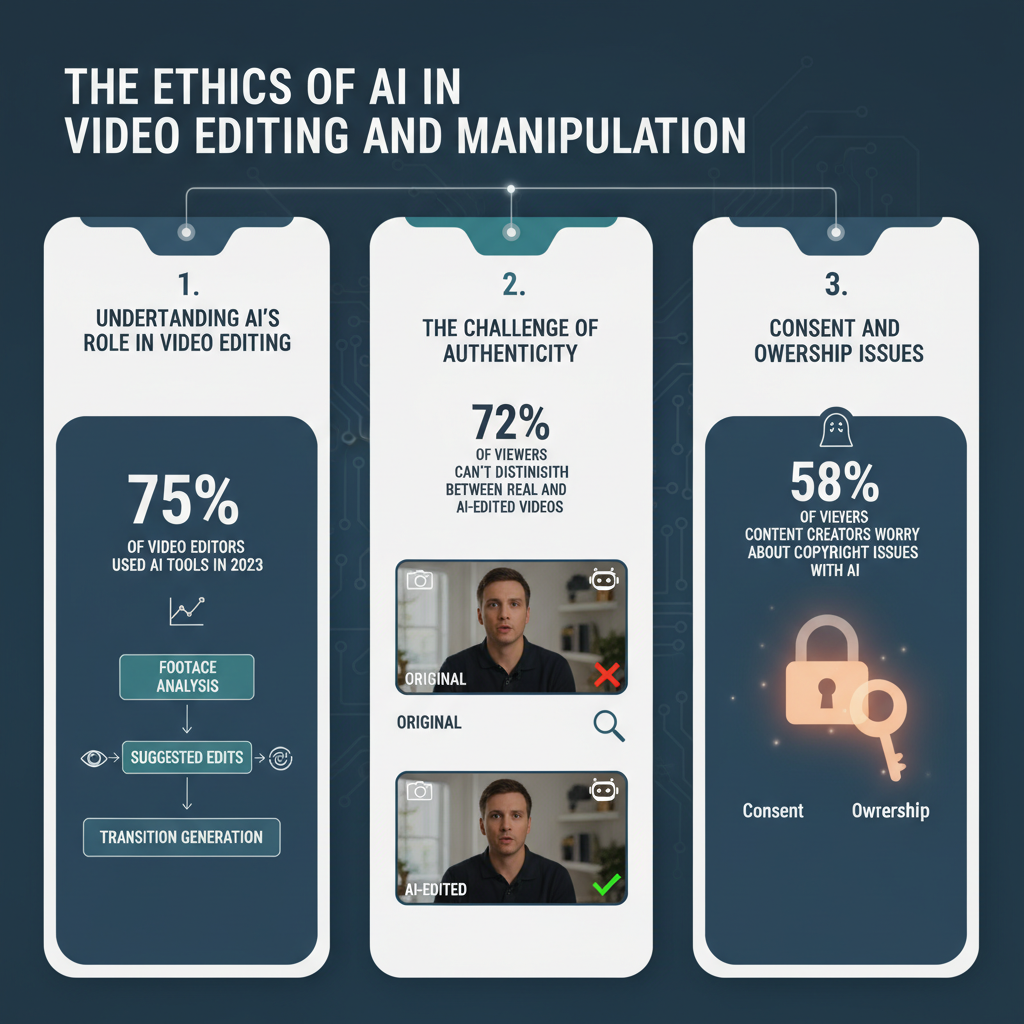
AI technology has revolutionized the video editing landscape, offering tools that streamline the editing process and enhance creativity. For instance, AI can automatically analyze footage, suggest edits, and even generate transitions, significantly reducing the time it takes to produce a polished final product. Tools like Adobe Premiere Pro’s Sensei utilize AI to assist editors with color correction, audio balancing, and even scene detection, making the editing process much more efficient.
Moreover, AI can boost creativity by providing suggestions based on trends and audience preferences. Imagine being able to harness data analytics that indicate what types of visuals resonate best with your target audience! This capability not only allows editors to create more engaging content but also helps in exploring innovative storytelling techniques. By combining technical efficiency with creative insights, AI can empower video producers to push the boundaries of their craft.
The Challenge of Authenticity
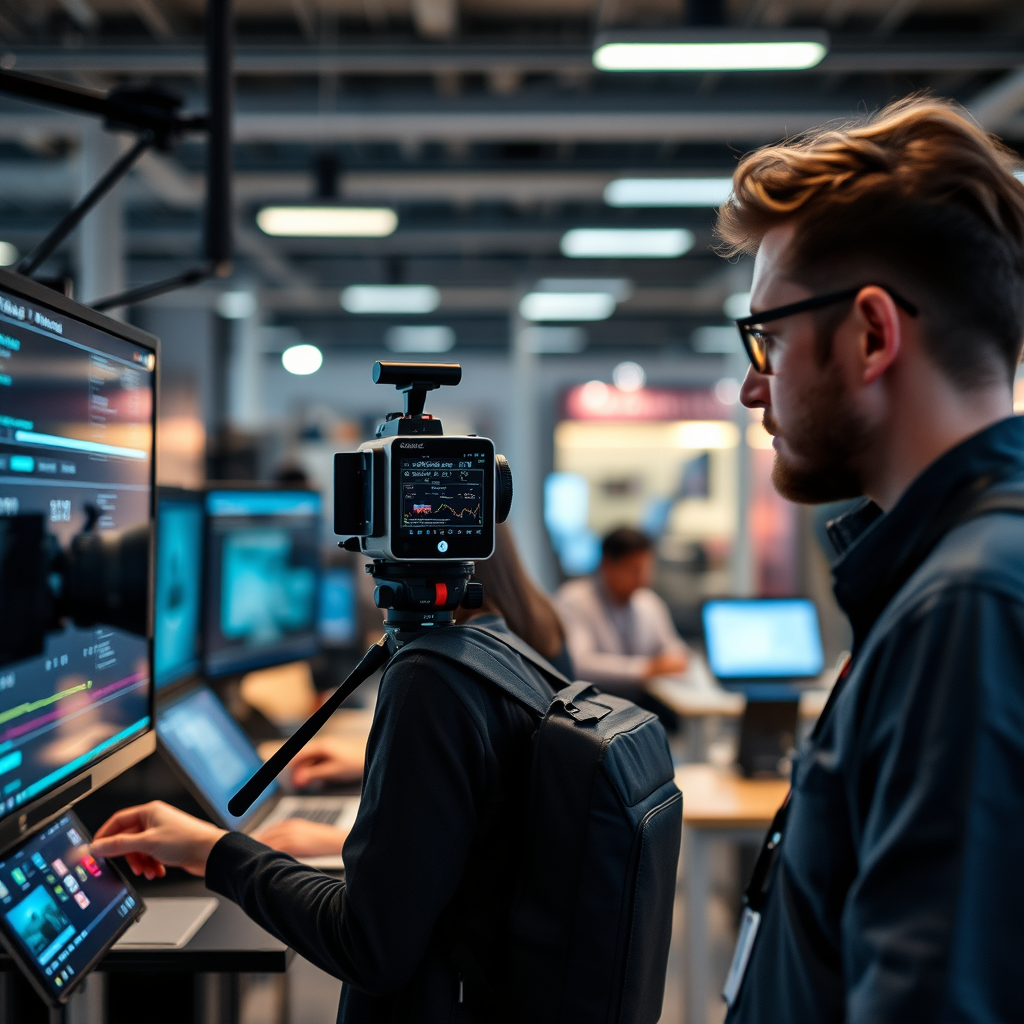
As beneficial as AI can be, it also blurs the lines between artistic expression and deceptive manipulation. The rise of AI-driven video editing has led to instances where the authenticity of videos is called into question. A prominent example is the controversy surrounding altered presidential speeches or manipulated celebrity interviews that can mislead viewers and distort reality. These instances provoke public outcry and raise ethical questions about what constitutes genuine content.
Artistic expression is a vital aspect of video production, yet when AI tools are used to distort facts or alter narratives, it can lead to a slippery slope. For example, the infamous case of manipulated footage showing a politician saying something they never actually said highlights how easy it is for AI to create misleading content. This not only damages reputations but also erodes trust in media and public figures. Therefore, navigating this delicate balance between enhancement and deception is crucial for video editors in today’s digital landscape.
Consent and Ownership Issues
Another pressing ethical concern is the importance of obtaining proper consent from individuals featured in videos. With AI’s capability to create realistic avatars and digitally manipulate faces, the question of consent becomes increasingly complex. For instance, using AI to create a digital version of an actor without their permission can lead to serious ethical and legal ramifications. This emphasizes the need for clear guidelines on how consent is obtained and respected in video production.
In addition to consent, copyright issues related to AI-generated content pose significant challenges. As AI continues to create original content, who owns the rights to that material? If an AI tool generates a video that becomes popular, does the creator of the AI, the user of the tool, or the AI itself hold any ownership? These questions are not just technical; they represent fundamental changes in how we understand authorship and creativity in the digital age. Establishing clear ownership rights will be essential to protect both creators and subjects in AI-generated videos.
The Risk of Misinformation
The potential for AI to create hyper-realistic deepfakes and misleading content is one of the most alarming risks in video editing. Deepfakes can convincingly alter reality, making it difficult for viewers to discern what is real and what is fabricated. This capability poses a dire threat to public perception and trust, especially when it comes to news media and social platforms where misinformation can spread rapidly.
For example, during the 2020 U.S. presidential elections, a series of deepfake videos circulated, falsely depicting candidates making controversial statements. Such instances can influence public opinion, sway elections, and even incite violence. The societal impact cannot be overstated; as viewers increasingly encounter manipulated videos, skepticism towards all video content could rise, leading to a broader erosion of trust in media.
It’s crucial for content creators and platforms to be aware of these risks and implement measures to verify and label AI-manipulated content. Promoting media literacy among the audience also plays a vital role in ensuring that viewers are equipped to critically evaluate what they see.
Existing Ethical Guidelines and Frameworks
As the use of AI in video editing continues to evolve, several industry standards and ethical frameworks have emerged. Organizations like the IEEE and other professional associations are working to develop guidelines that address the ethical use of AI technologies. These frameworks generally emphasize transparency, accountability, and the importance of ethical considerations in AI development and deployment.
However, there are gaps in these existing guidelines. For instance, while many frameworks highlight the necessity of consent and transparency, they often lack concrete action items for creators. This absence can leave content producers without a clear understanding of how to ethically implement AI in their work. There is a growing need for comprehensive and accessible ethical standards that not only protect the rights of individuals but also empower creators to use AI responsibly.
Future Considerations in AI Video Editing
Looking ahead, the future of AI in video manipulation presents both exciting possibilities and potential ethical dilemmas. As AI technologies become increasingly advanced, they may offer even more sophisticated editing tools that can blur the lines between fact and fiction. This evolution raises questions about the responsibilities of content creators and the platforms that host their work.
Regulatory bodies will play a critical role in overseeing AI technologies in media. Establishing regulations that ensure ethical practices and protect individuals from exploitation will be essential as AI continues to permeate video production. Additionally, creators must engage in ongoing discussions about the ethical implications of their work, fostering a culture of responsibility and awareness in the industry.
The rapid advancement of AI in video editing and manipulation poses both exciting opportunities and ethical challenges that must be addressed. By understanding these key issues—authenticity, consent, misinformation, and existing guidelines—content creators can navigate the evolving landscape responsibly. As you explore this topic further, consider how you can contribute to a more ethical approach to AI in video production.
Frequently Asked Questions
What are the ethical implications of using AI in video editing and manipulation?
The ethical implications of using AI in video editing and manipulation revolve around issues of authenticity, consent, and misinformation. As AI tools can easily alter or enhance video content, they raise concerns about the potential for deception, particularly in news and media contexts. Additionally, creators must consider whether they have the right to manipulate someone else’s likeness and how that may affect public perception and individual privacy.
How can video editors ensure ethical practices when using AI tools?
Video editors can ensure ethical practices by adhering to transparency and consent principles when using AI tools. This involves clearly disclosing when AI has been used to manipulate content, obtaining the necessary permissions from individuals whose images or likenesses are altered, and being mindful of the potential impact on viewers. Establishing a code of ethics within the editing team can also help guide responsible AI usage.
Why is transparency important in AI-driven video editing?
Transparency is crucial in AI-driven video editing because it fosters trust between content creators and their audiences. When viewers know that certain edits or manipulations have been made using AI, they can better assess the credibility of the information presented. Moreover, transparency helps combat misinformation and allows for a more informed public discourse, ultimately benefiting the integrity of media content.
What are the best practices for ethical AI use in video manipulation?
Best practices for ethical AI use in video manipulation include obtaining informed consent from individuals before altering their images, disclosing any AI-generated edits to the audience, and using AI responsibly to avoid creating misleading or harmful narratives. Additionally, video editors should continuously educate themselves about the evolving landscape of AI technology and its ethical implications, ensuring they remain aligned with industry standards and societal values.
Which regulations or guidelines exist to govern the ethical use of AI in video editing?
Various regulations and guidelines exist to govern the ethical use of AI in video editing, including data protection laws like the General Data Protection Regulation (GDPR) in Europe, which establishes rights related to personal data processing. Additionally, organizations such as the IEEE and the Partnership on AI have developed frameworks aimed at promoting ethical AI practices. Content creators should stay informed about these regulations to ensure compliance and uphold ethical standards in their work.
References
- Artificial intelligence
- https://www.theguardian.com/technology/2020/jan/29/ai-video-manipulation-fake-news-ethics
- https://www.bbc.com/news/technology-49038955
- https://www.nytimes.com/2021/02/05/technology/deepfakes-ethics.html
- https://www.aaai.org/ojs/index.php/aimagazine/article/view/7001
- https://www.itu.int/en/ITU-T/focusgroups/ai/Pages/default.aspx
- https://www.sciencedirect.com/science/article/pii/S1877050919312577
- https://www.technologyreview.com/2020/11/11/1012000/deepfake-ethics/
- https://www.researchgate.net/publication/338265882_Artificial_Intelligence_in_Visual_Arts_Ethics_and_Implications
- https://www.acm.org/publications/proceedings/article2182