
Smart displays are redefining the Internet of Things (IoT) market by serving as interactive hubs that connect and control various smart devices. These innovative devices enhance user experience, improve automation, and facilitate seamless integration within smart home ecosystems. As we delve into the transformative effects of smart displays, you’ll discover how they are reshaping our interaction with technology and making our lives more convenient.
The Role of Smart Displays in IoT
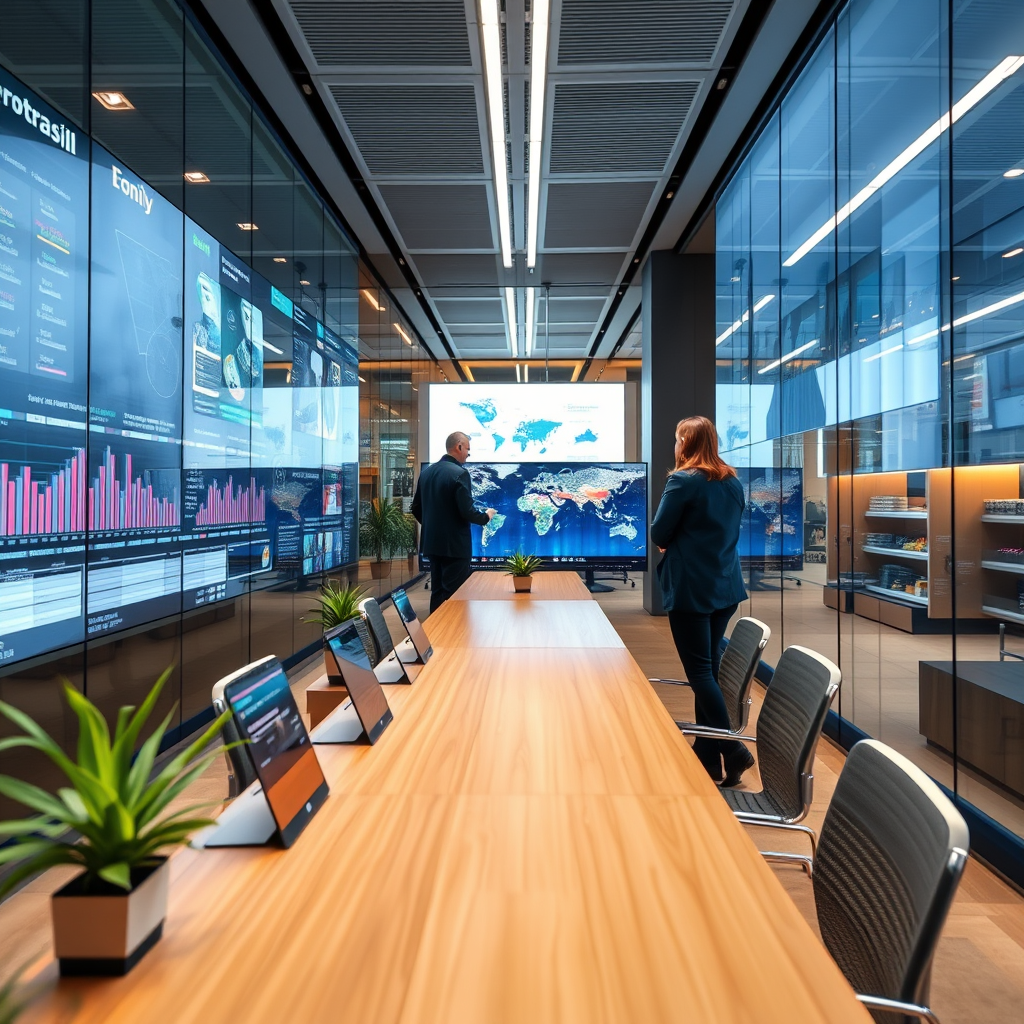
Smart displays serve as an intuitive user interface for managing connected devices, allowing users to control everything from lights to security cameras with just a touch or voice command. Unlike traditional remote controls or apps, smart displays provide a visual and interactive experience. For instance, a user can simply say, “Show me the living room camera,” and the display will bring up the live feed, making monitoring simpler and more immediate.
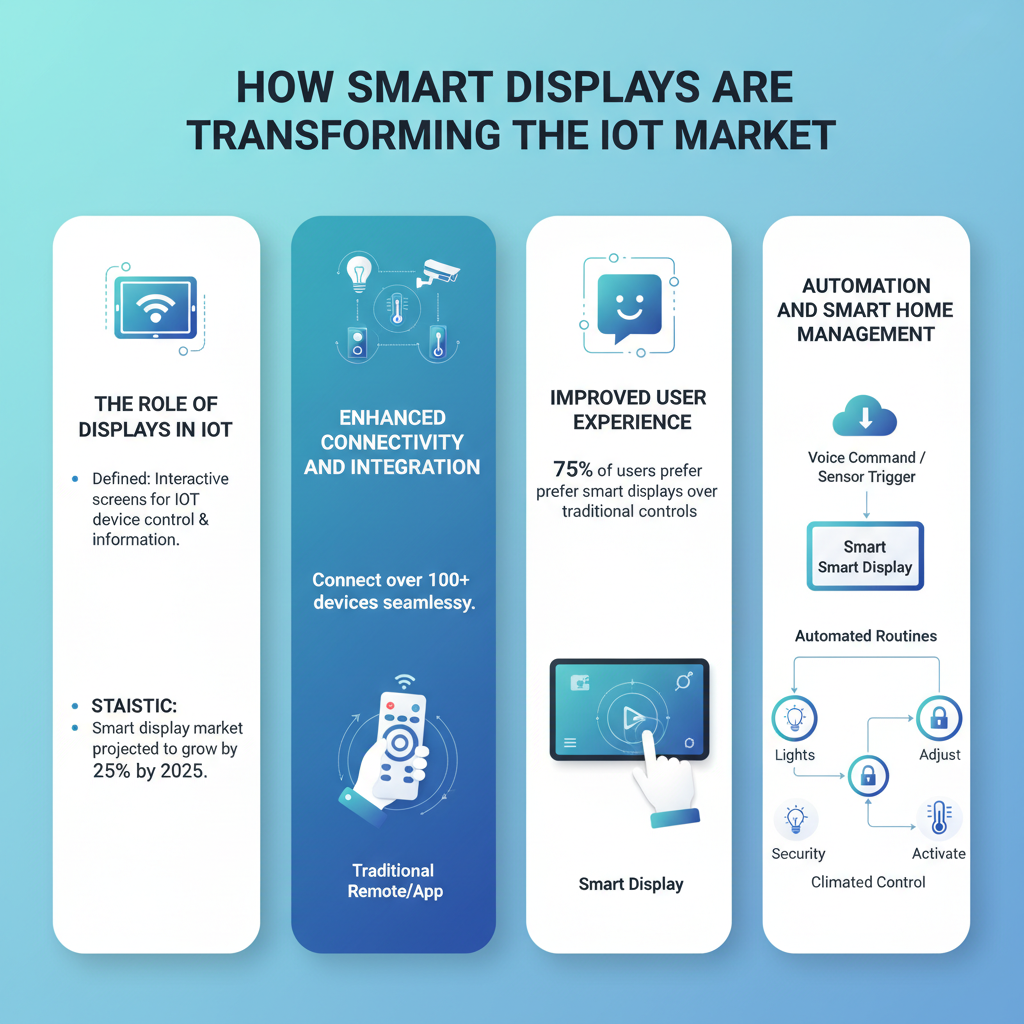
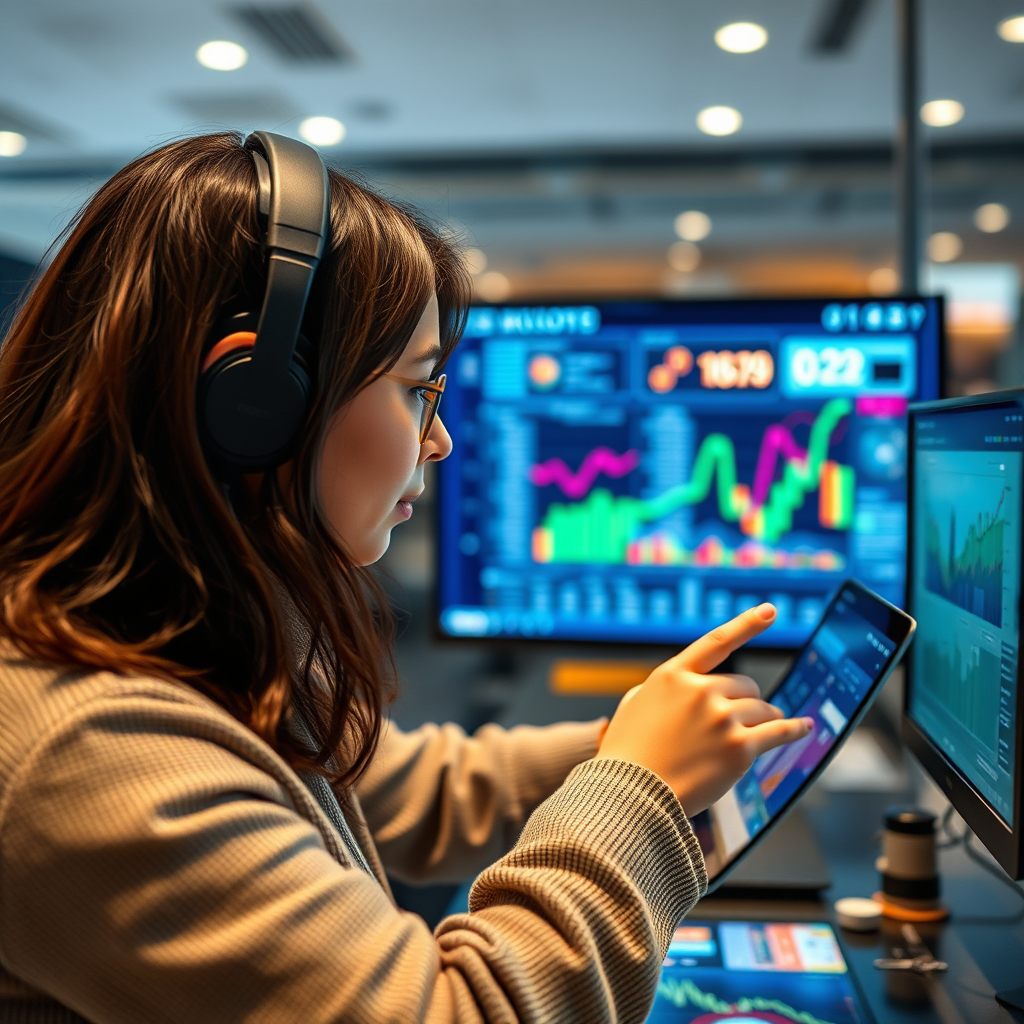
Moreover, these devices facilitate real-time data visualization, which significantly enhances the user’s ability to monitor their smart environments. Imagine being able to check the temperature of your home, see energy consumption statistics, or receive alerts about security breaches—all on a single screen. This capability empowers users to make informed decisions about their home management, thus enhancing comfort and safety.
Enhanced Connectivity and Integration
One of the standout features of smart displays is their ability to support various communication protocols like Wi-Fi, Bluetooth, Zigbee, and Z-Wave. This wide-ranging compatibility enables them to connect with a vast array of IoT devices, from smart thermostats to smart locks. For example, a smart display can serve as a central command center for your smart home, connecting devices from different brands and ecosystems.
Furthermore, smart displays allow for seamless integration with existing smart home ecosystems, thereby enhancing overall functionality. Users can create a cohesive environment where devices work together harmoniously. For instance, imagine returning home from work; your smart display can automatically turn on the lights, set the thermostat to your preferred temperature, and even play your favorite music as you walk through the door. This level of integration not only simplifies user interactions but also provides a more enjoyable living experience.
Improved User Experience
The user experience is significantly enhanced with smart displays, thanks to features like voice recognition, touch capabilities, and personalization. Voice control allows users to operate devices hands-free, which is especially useful when your hands are full. For example, while cooking, you can ask your smart display to set a timer or find a recipe, making multitasking easier and more efficient.
Additionally, smart displays provide personalized experiences through AI-driven recommendations and routines. Over time, these devices learn user preferences and habits, allowing them to suggest tailored actions. If you consistently wake up at 7 AM, your smart display can start brewing coffee and adjusting the blinds to let in natural light at that time. This level of personalization not only saves time but also enhances the overall comfort of your home.
Automation and Smart Home Management
Smart displays excel in automating tasks based on user preferences, schedules, and environmental conditions. For instance, you can program your smart display to automate your morning routine: it can gradually brighten the lights, play the news, and start the coffee maker—all without you lifting a finger. This level of automation significantly enhances convenience and allows users to focus on more important aspects of their day.
Moreover, smart displays enable users to create complex routines that streamline daily activities. For example, you can set a “Movie Night” routine that dims the lights, adjusts the thermostat, and turns on your preferred streaming service with a single command. This ability to simplify multiple tasks into one seamless action not only saves time but also enhances the overall enjoyment of home entertainment.
Security Features and Privacy Concerns
As smart displays become central to our smart homes, security features are paramount. Many models come equipped with advanced security features such as facial recognition and end-to-end encryption, helping to secure personal information and prevent unauthorized access. For instance, facial recognition can ensure that only recognized users can access sensitive information or control certain devices.
However, with increased connectivity comes increased responsibility. Users must be aware of privacy implications and take proactive steps to safeguard their information. This includes regularly updating device software, using strong passwords, and understanding the privacy settings available. It’s essential to strike a balance between convenience and security, ensuring that your smart home remains a safe and private space.
Future Trends in Smart Displays
Looking ahead, the integration of augmented reality (AR) and virtual reality (VR) is set to enhance the functionality of smart displays even further. Imagine a smart display that can project a virtual assistant into your living room, helping you manage tasks in an engaging way. This technology could transform how we interact with our devices, making the experience more immersive and intuitive.
As artificial intelligence (AI) continues to evolve, smart displays will become even smarter. Future iterations may not just respond to commands but also anticipate user needs based on behavior and context. For example, a smart display might recognize when you’re feeling stressed and suggest calming music or meditation exercises. This evolution will revolutionize how we interact with technology, making our lives more connected and our homes smarter.
Smart displays are not just a trend; they are a pivotal element in the evolution of the IoT market. By enhancing connectivity, user experience, and automation, these devices are changing the way we manage our digital lives. As technology continues to advance, staying informed about these developments will be crucial for maximizing the potential of smart displays in your home or business. Take the first step by exploring available smart display options and integrating them into your IoT ecosystem today.
Frequently Asked Questions
What are smart displays and how do they integrate into the IoT ecosystem?
Smart displays are interactive devices equipped with touchscreens, voice control, and internet connectivity that allow users to access various applications, control smart home devices, and obtain information seamlessly. They integrate into the Internet of Things (IoT) ecosystem by serving as a central hub that communicates with other smart devices, enabling users to manage their homes efficiently and enhancing the overall user experience through voice commands and visual feedback.
How are smart displays enhancing user experience in smart homes?
Smart displays enhance user experience in smart homes by providing a user-friendly interface to interact with multiple IoT devices simultaneously. They allow users to control lighting, thermostats, security systems, and entertainment systems through voice commands or touch, making it easier to manage various aspects of home automation. Additionally, features like video calling and recipe assistance add to the convenience, creating a more integrated and enjoyable living environment.
Why are smart displays considered essential in the growth of the IoT market?
Smart displays are considered essential in the growth of the IoT market because they simplify the management of interconnected devices and promote user engagement. By providing a tangible interface for users to interact with their smart devices, they drive adoption and usage of IoT technology. Furthermore, smart displays facilitate the collection of user data, which helps manufacturers improve functionalities and tailor services to meet consumer needs more effectively.
What are the best smart displays available for IoT integration in 2023?
Some of the best smart displays for IoT integration in 2023 include the Amazon Echo Show 15, Google Nest Hub Max, and Facebook Portal+. These devices offer robust features like high-resolution displays, voice assistants, and compatibility with a wide range of smart home products, making them ideal for users seeking to create a connected home. Each device has unique strengths, such as superior video calling capabilities or extensive smart home integrations, catering to diverse consumer preferences.
Which industries are benefiting the most from smart displays in the IoT space?
Industries such as home automation, healthcare, hospitality, and retail are benefiting significantly from smart displays in the IoT space. In home automation, smart displays streamline everyday tasks and enhance user control over devices. In healthcare, they provide real-time patient monitoring and telemedicine capabilities. In hospitality, they enhance guest experiences with personalized services, while in retail, they facilitate interactive shopping experiences and inventory management. This widespread adoption showcases the versatility of smart displays across different sectors.
References
- https://www.reuters.com/technology/smart-displays-are-changing-way-we-interact-with-iot-2021-04-20/
- https://www.bbc.com/news/technology-56864023
- https://www.nytimes.com/2021/05/10/technology/smart-displays-iot.html
- https://www.sciencedirect.com/science/article/pii/S0306437920302153
- https://www.wired.com/story/smart-displays-iot-future/
- https://www.techrepublic.com/article/how-smart-displays-are-revolutionizing-the-iot-market/
- https://www.jstor.org/stable/10.5325/jinfocommstudies.69.1.0001