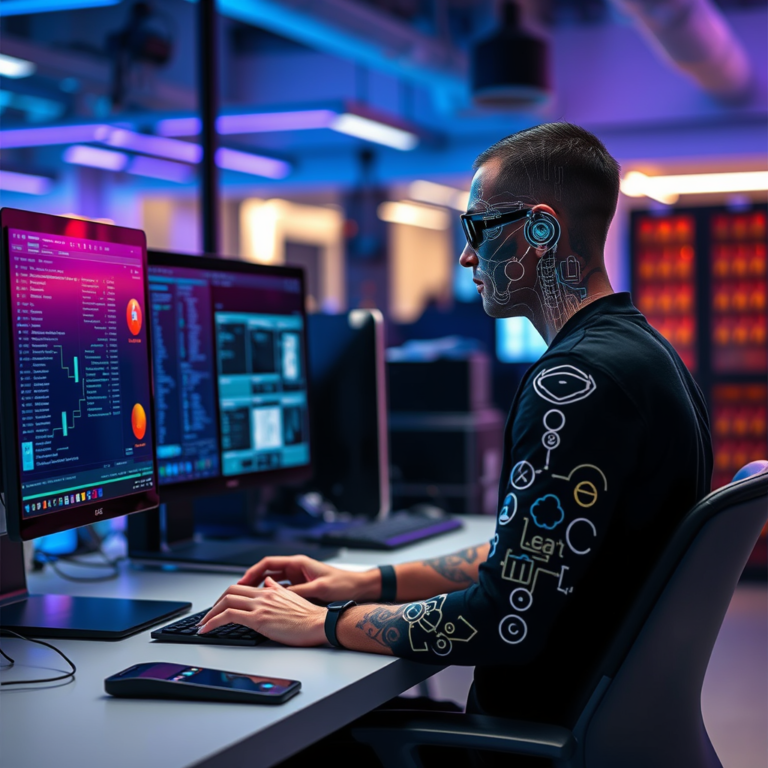

AI-powered video assistants are rapidly transforming daily life by enhancing communication, improving productivity, and providing personalized experiences. These intelligent tools are seamlessly integrated into our routines, making tasks easier and more efficient. From virtual meetings to home automation, their influence is felt across various aspects of our lives. Let’s explore how these technologies are changing the way we interact, work, and enjoy our leisure time.
The Evolution of Video Assistants

Early video assistant technologies were limited by hardware capabilities and software design. Most of them could only perform basic functions like making video calls or simple screen sharing, often plagued by poor connectivity and low-quality video. However, the rise of AI has brought significant advancements. Natural language processing, machine learning, and computer vision have combined to create video assistants that understand context, recognize faces, and even interpret nuances in conversation. Sophisticated algorithms now allow these systems to adapt to user preferences, making them more intuitive and user-friendly than ever before.

For instance, companies like Google and Amazon have invested heavily in refining their video assistant technologies. Google’s Meet and Amazon’s Chime platforms have evolved from basic video conferencing tools to robust systems that leverage AI for better video quality, noise cancellation, and user engagement. This evolution marks a significant shift from rudimentary tools to sophisticated assistants that actively enhance our communication experiences.
Enhancing Communication

AI video assistants are revolutionizing how we communicate, particularly in virtual meetings and collaboration settings. With features like automatic scheduling, screen sharing, and participant management, these tools streamline the process of connecting with colleagues and clients, regardless of geographical boundaries. Imagine being able to set up a meeting across different time zones with just a few clicks, all while the AI suggests optimal times based on everyone’s availability. This capability removes much of the tedious back-and-forth traditionally involved in scheduling.
Real-time translation and transcription features are particularly transformative for global communication. Tools like Microsoft Teams and Zoom now offer live captions and translations in multiple languages, bridging the gap between speakers of different languages. This innovation not only enhances inclusivity but also fosters a collaborative environment where ideas can flow freely, regardless of linguistic differences. By eliminating language barriers, AI-powered video assistants are making global teamwork more effective and accessible.
Boosting Productivity
In today’s fast-paced world, productivity is key, and AI video assistants play a crucial role in enhancing our efficiency. These digital helpers can manage tasks, send reminders, and even generate meeting summaries, allowing users to focus on their core responsibilities rather than administrative tasks. For example, applications like Trello and Asana have integrated AI features that prioritize tasks based on deadlines and importance, ensuring that nothing falls through the cracks.
In professional environments, AI video assistants streamline workflows by automating routine processes. Imagine a scenario where a project manager holds a video meeting and, at the end of the call, the AI assistant generates a summary of action items and sends it to all participants. This not only saves time but also ensures accountability, as everyone knows what is expected of them moving forward. By integrating these tools into daily operations, businesses can significantly improve productivity and foster a culture of efficiency.
Personalizing User Experiences
One of the most exciting aspects of AI video assistants is their ability to learn user preferences and habits over time. These systems can analyze interaction patterns, adjusting their functionalities to better suit individual users. For instance, if a user frequently schedules meetings on Wednesdays at 10 AM, the assistant may begin to suggest this time automatically in the future. This level of personalization enhances user experience, making interactions feel more tailored and intuitive.
Customization features further improve user satisfaction. Many video assistants allow users to modify their interfaces, choose preferred themes, and set notification preferences. Such flexibility creates a more enjoyable and engaging environment, encouraging users to utilize these tools more frequently. As AI continues to evolve, we can expect even more sophisticated personalization options that cater to the unique needs of each user.
Applications in Everyday Life
AI-powered video assistants are finding applications in a variety of everyday scenarios. In home automation, for instance, devices like Google Nest Hub and Amazon Echo Show allow users to control smart home devices through video calls or voice commands. Imagine being able to check security feeds or adjust your thermostat while cooking dinner—all with just a few simple commands.
In the realm of health monitoring, AI video assistants can facilitate telehealth services, allowing patients to consult with healthcare providers via video. This has proved especially beneficial during the pandemic, as it enables individuals to receive medical advice without the need for in-person visits. Furthermore, in education, platforms like Zoom and Microsoft Teams have transformed remote learning, providing tools for interactive and engaging lessons that replicate classroom experiences. These platforms support screen sharing, breakout rooms, and collaborative whiteboards, making learning more dynamic and participatory.
Addressing Privacy Concerns
With the increasing reliance on AI-powered video assistants, privacy concerns have naturally emerged. Many users worry about data security, as these devices often collect sensitive personal information. To address these issues, companies are implementing stricter privacy policies and encryption technologies to protect user data. It’s essential for users to stay informed about these policies and understand how their information is being used.
To safeguard personal information while using AI video assistants, users can take several proactive steps. First, it’s advisable to adjust privacy settings on devices, limiting what data is collected and shared. Regularly updating software and using strong, unique passwords can further enhance security. Users should also be cautious about sharing sensitive information during video calls and be aware of who has access to their devices.
The Future of AI-Powered Video Assistants
Looking ahead, the future of AI-powered video assistants is bright and full of potential. Emerging trends suggest that these technologies will become even more integrated into our daily lives, with features like augmented reality (AR) and virtual reality (VR) capabilities on the horizon. Imagine attending a virtual conference where you can interact with holographic representations of your colleagues or viewing product demos in your living room—all facilitated by your AI video assistant.
Furthermore, advancements in machine learning will likely lead to even more personalized experiences, with assistants that can anticipate user needs and proactively offer solutions. As AI continues to mature, we can expect these tools to play an even more significant role in enhancing our communication, productivity, and overall quality of life.
The integration of AI-powered video assistants is revolutionizing the way we live and work, making our lives more convenient and efficient. By understanding their various applications and advantages, you can leverage these tools to enhance your daily routines. Stay informed and explore how you can incorporate these advancements into your life! As AI technology continues to evolve, embracing these tools will undoubtedly open up new possibilities for more connected and productive living.
Frequently Asked Questions
What are AI-powered video assistants and how do they work?
AI-powered video assistants are advanced software applications that utilize artificial intelligence to enhance video communication and interaction. They work by leveraging machine learning algorithms to analyze and interpret video content, allowing for features such as real-time transcription, automated responses, and personalized recommendations. These tools are increasingly being used in various settings, including customer support, education, and remote work, to improve communication efficiency and user experience.
How can AI-powered video assistants improve productivity in remote work environments?
AI-powered video assistants can significantly improve productivity in remote work environments by streamlining communication and reducing time spent on repetitive tasks. They facilitate seamless video conferencing with features like automatic note-taking, action item tracking, and intelligent scheduling. By minimizing administrative burdens, these assistants allow team members to focus on their core work, ultimately leading to enhanced collaboration and efficiency.
Why should businesses consider integrating AI-powered video assistants into their customer service strategy?
Businesses should consider integrating AI-powered video assistants into their customer service strategy because these tools can provide 24/7 support, enhance customer engagement, and reduce response times. With capabilities such as natural language processing and sentiment analysis, these assistants can understand customer inquiries more effectively and deliver personalized responses. This not only improves customer satisfaction but also allows human agents to focus on more complex issues, optimizing operational efficiency.
What are the best use cases for AI-powered video assistants in daily life?
The best use cases for AI-powered video assistants in daily life include virtual personal assistants for scheduling, educational tutoring, and health consultations. In personal settings, they can help manage daily tasks and provide reminders, while in educational contexts, they offer interactive learning experiences. Additionally, in healthcare, they can facilitate remote consultations, monitor patient progress, and provide personalized health tips, making them invaluable tools across various aspects of life.
Which AI-powered video assistants are considered the most effective and user-friendly?
Some of the most effective and user-friendly AI-powered video assistants include Zoom’s AI features, Microsoft Teams with Cortana integration, and Google’s Meet with its AI enhancements. These platforms offer intuitive interfaces and powerful functionalities such as automated transcription, background noise cancellation, and smart scheduling. Choosing the right assistant depends on specific needs, including integration capabilities with existing tools and the type of features that will best serve the user’s requirements.
References
- Artificial intelligence
- https://www.bbc.com/news/technology-55091657
- https://www.sciencedirect.com/science/article/pii/S0957417421000289
- https://www.technologyreview.com/2021/01/06/1015017/ai-video-assistants-daily-life/
- https://www.forbes.com/sites/bernardmarr/2021/01/04/how-ai-powered-video-assistants-are-changing-the-way-we-work-and-live/
- https://www.nytimes.com/2022/02/18/technology/artificial-intelligence-video-assistants.html
- https://www.pewresearch.org/internet/2021/01/15/the-future-of-technology-and-its-impact-on-people/
- https://www.frontiersin.org/articles/10.3389/frobt.2021.00001/full