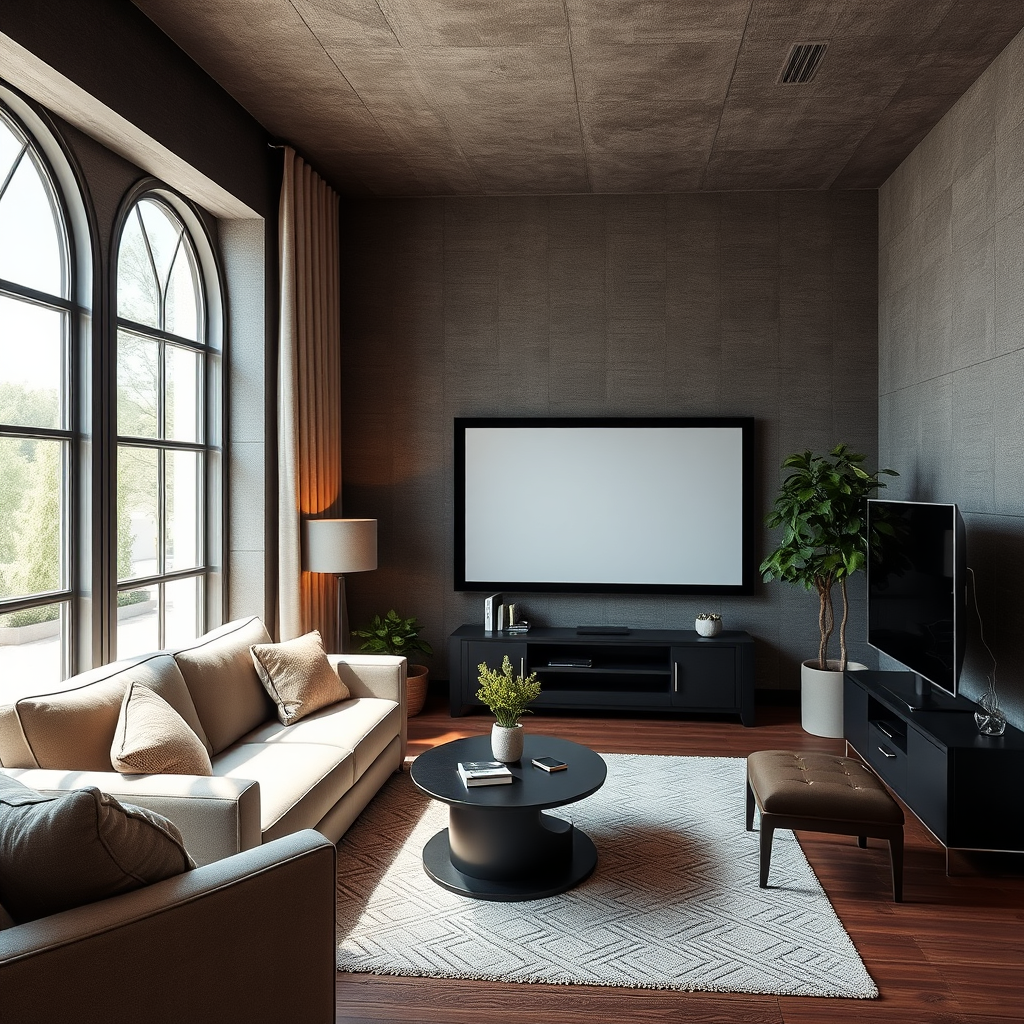
Creating a home theater that truly immerses you in the cinematic experience requires the right soundproofing materials to minimize noise and enhance audio quality. To achieve the ultimate sound experience, consider using acoustic panels, soundproofing foam, and mass loaded vinyl. When combined, these materials can dramatically reduce outside noise and prevent sound leakage, making your home theater a sanctuary for movie lovers. In this article, you’ll discover the top soundproofing materials for your home theater and how to implement them effectively for a truly enjoyable viewing experience.




Acoustic Panels
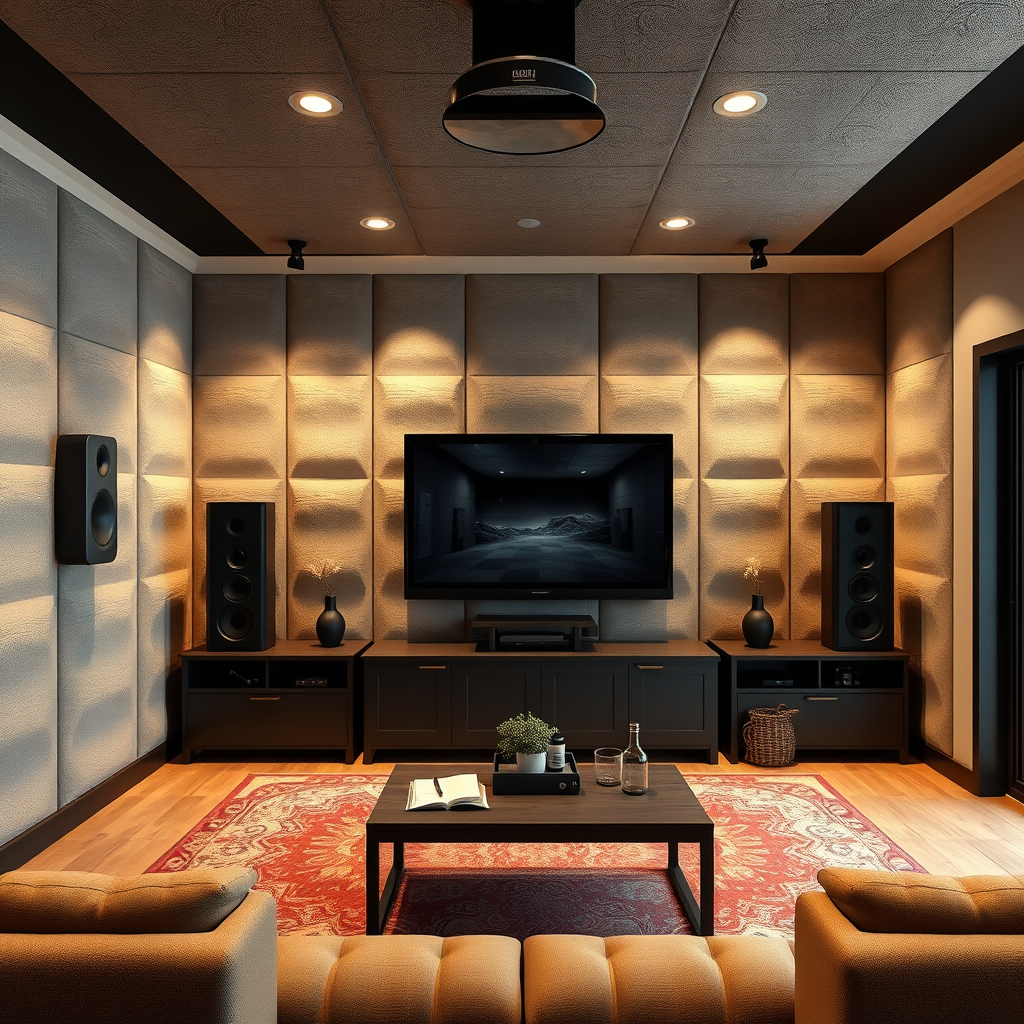
Acoustic panels are a fantastic solution for anyone looking to absorb sound waves and reduce echo in their home theater. By strategically placing these panels on walls, you can significantly improve overall audio clarity, making dialogue and sound effects more pronounced. Acoustic panels come in various styles, colors, and designs, which means you can easily find options that fit seamlessly into your home theater aesthetic. For a more personalized touch, consider custom designs or fabric options that match your decor.
When choosing acoustic panels, look for those with a high NRC (Noise Reduction Coefficient) rating, as this indicates their effectiveness in sound absorption. A common recommendation is to cover about 20% of your wall space with panels, focusing on first reflection points—areas where sound bounces off walls before reaching your ears. This approach can lead to a more balanced sound field, creating an immersive listening experience that makes you feel as if you’re right in the middle of the action.
Soundproofing Foam
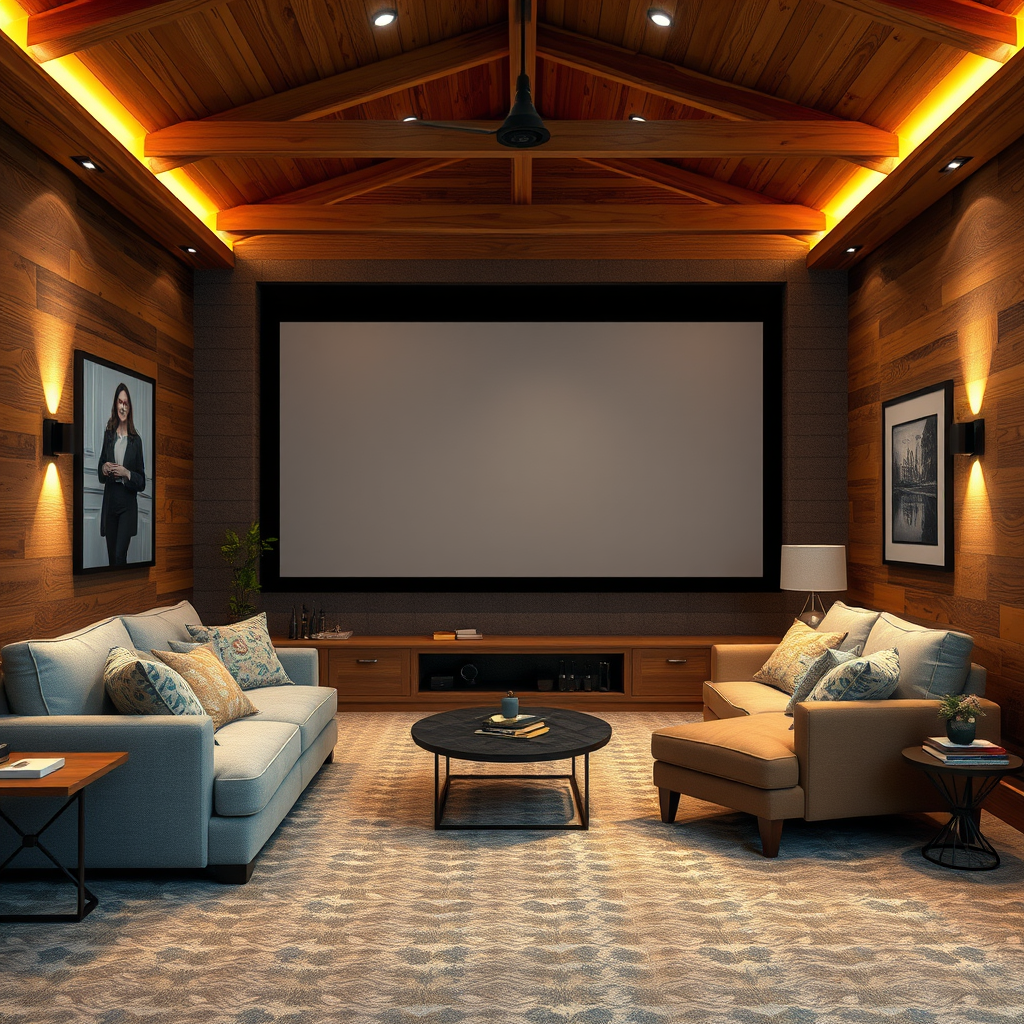
Lightweight and easy to install, soundproofing foam is another excellent option for reducing sound reflection in your home theater. This material comes in various shapes, such as wedge and pyramid designs, allowing you to choose a style that complements your decor while also serving its purpose effectively.
One of the significant advantages of soundproofing foam is its versatility; it can be used on walls, ceilings, and even floors. Since it’s typically available in various colors, you can mix and match to create a visually appealing design while enhancing your sound quality. To maximize its effectiveness, cover the corners of your room with foam, as this is where sound tends to accumulate and echo the most.
For those looking for an easy DIY project, installing soundproofing foam is straightforward. Use adhesive spray or double-sided tape to attach the foam to your desired surfaces, and watch as your home theater transforms into a sound haven.
Mass Loaded Vinyl (MLV)
Mass loaded vinyl (MLV) is a powerful barrier designed specifically to block sound transmission, making it a must-have for any serious home theater setup. This dense, flexible material can be added to walls, ceilings, and floors to create a soundproof environment that minimizes external noise and prevents sound leakage.
One of the best things about MLV is its adaptability; it can be cut into various shapes and sizes to fit specific areas in your home theater. This means you can easily install it behind drywall or on existing surfaces without sacrificing the aesthetic of your space. For optimal results, consider pairing MLV with other soundproofing materials, such as acoustic panels or soundproofing foam, to create a multi-layered soundproofing system that effectively dampens sound.
When installing MLV, ensure that it’s tightly fitted and sealed at the seams to prevent sound from sneaking through. While it may require a bit more effort during installation, the payoff in audio quality is well worth it.
Resilient Channels
Resilient channels are metal channels designed to decouple drywall from wall studs, significantly minimizing sound transfer through walls. This method helps to create a barrier that reduces vibrations and sounds from traveling between rooms—ideal for home theaters where sound quality is paramount.
The installation of resilient channels is relatively straightforward, making it a cost-effective solution for soundproofing. By attaching these channels to your wall studs and then mounting drywall onto them, you create a buffer zone that absorbs and dissipates sound energy. This technique is especially beneficial if you’re building a new home theater or renovating an existing space.
Additionally, resilient channels can be used in conjunction with other soundproofing materials for enhanced results. For example, combining them with mass loaded vinyl or acoustic panels can lead to an even quieter space, allowing you to fully enjoy the loudest action scenes without disturbing the rest of the household.
Soundproof Curtains
Soundproof curtains are a practical addition that can dramatically improve your home theater experience. These heavy, dense curtains not only absorb sound but also work to reduce noise coming in from windows and outside. They serve a dual purpose by controlling light as well, creating the perfect environment for a cinematic experience.
When selecting soundproof curtains, look for options specifically designed for sound absorption, as standard curtains may not offer the same level of effectiveness. Many soundproof curtains are made from thick, layered materials, which help to block noise while also providing insulation against temperature variations.
To make the most of soundproof curtains, install them as close to the window as possible, and ensure they extend beyond the window frame to cover any gaps. This will maximize their effectiveness in sound absorption and light control, enhancing your home theater experience even further.
Door Seals and Sweeps
Installing door seals and sweeps is a simple yet impactful way to enhance the soundproofing of your home theater. These additions create a tighter seal around doors, preventing sound leakage and keeping unwanted noise from intruding on your movie nights.
There are various types of door seals available, including adhesive weather stripping and magnetic seals, which are easy to install and can significantly improve sound isolation. Door sweeps, which are strips installed at the bottom of doors, can block sound from traveling underneath, an often-overlooked area.
By addressing these small gaps, you can create a more controlled sound environment in your home theater. This simple upgrade can make a noticeable difference, allowing you to enjoy your favorite films without the distraction of outside noise.
Flooring Options
When it comes to soundproofing, flooring is an essential aspect that shouldn’t be neglected. Carpeting is an excellent choice for sound absorption, effectively dampening sound from footsteps and other disturbances. If you have hardwood or laminate flooring, consider using soundproof underlayment to minimize noise transmission.
For an even more effective soundproofing solution, rubber flooring is worth considering, especially in high-impact areas. Its superior sound-dampening properties can help absorb vibrations and prevent sound from traveling to other parts of your home, creating a more enjoyable viewing experience.
When choosing flooring options, think about combining materials to achieve the best soundproofing results. For example, you could use carpet tiles in the seating area while incorporating rubber flooring in areas where there may be higher foot traffic.
By integrating these soundproofing materials into your home theater setup, you can create an immersive audio-visual experience that minimizes external distractions. Each element plays a crucial role in ensuring sound quality and comfort, so consider your specific needs and preferences when selecting materials.
Investing in the right soundproofing materials will elevate your home theater experience, making it a true retreat for movie lovers. Start planning your soundproofing project today to enjoy a cinematic experience like never before!
Frequently Asked Questions
What are the best soundproofing materials for home theaters?
The best soundproofing materials for home theaters include acoustic panels, mass-loaded vinyl (MLV), and soundproof drywall. Acoustic panels are effective at absorbing sound waves and reducing echoes, enhancing audio quality. MLV adds mass to walls, blocking sound transmission, while soundproof drywall is thicker than standard drywall, providing superior sound insulation and making it a popular choice for dedicated theater rooms.
How can I soundproof my home theater on a budget?
Soundproofing your home theater on a budget can be achieved by using cost-effective materials like foam panels, carpets, and heavy curtains. Foam panels can be strategically placed on walls to absorb sound, while thick carpets help dampen sound reflection from floors. Additionally, using weather stripping on doors and windows can prevent sound leakage, making it a simple and affordable way to enhance your theater’s acoustics.
Why is soundproofing important for a home theater?
Soundproofing is crucial for a home theater because it enhances the viewing experience by ensuring that external noise does not disturb your immersion in films or music. Effective soundproofing improves audio quality, allowing for clearer dialogue and richer sound effects. It also minimizes sound leakage, preventing disturbances to neighbors or other household members, making it a vital consideration for any dedicated home entertainment space.
Which soundproofing techniques are most effective for home theaters?
The most effective soundproofing techniques for home theaters include adding insulation in walls and ceilings, installing soundproof doors, and using acoustic treatments. Insulation materials like fiberglass or foam can be placed between walls to reduce sound transmission, while soundproof doors prevent noise from escaping. Acoustic treatments, such as bass traps and diffusers, help control sound within the space, creating a more balanced audio environment.
What are the advantages of using acoustic panels in a home theater?
Acoustic panels offer numerous advantages in a home theater, including improved sound clarity and reduced echo. They are designed to absorb sound waves, helping to minimize unwanted reverberation and enhancing the overall audio experience. Additionally, acoustic panels come in various designs and colors, allowing homeowners to customize their theater’s aesthetic while effectively addressing sound issues, making them a practical choice for any home cinema setup.
References
- Soundproofing
- https://www.acoustics.org/press/176-soundproofing-materials/
- https://www.sciencedirect.com/science/article/pii/S2351978918302050
- https://www.nist.gov/news-events/news/2017/06/soundproofing-your-home-what-you-need-know
- https://www.epa.gov/indoor-air-quality-iaq/soundproofing-your-home
- https://www.asa.org/asa/education/soundproofing.html