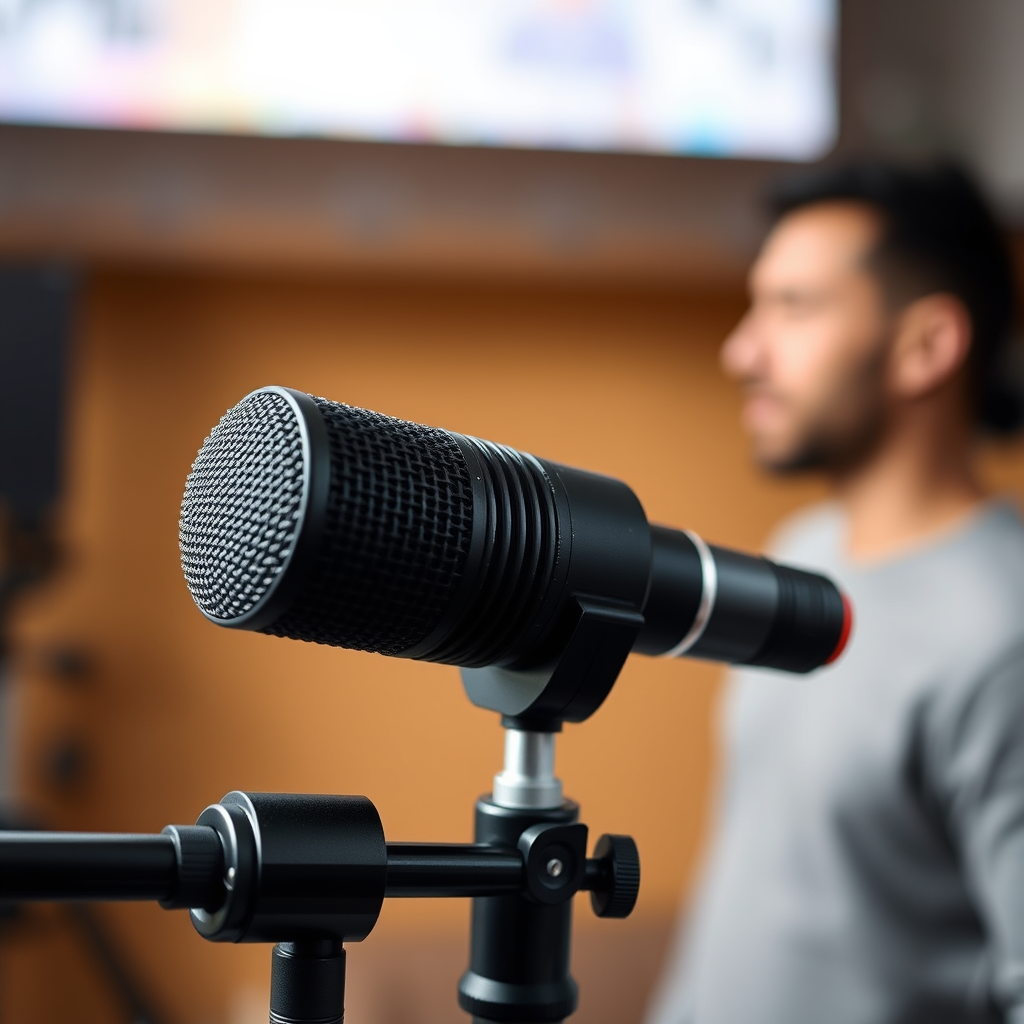

When it comes to producing high-quality video, selecting the right microphone is crucial for capturing clear and professional audio. A great microphone can elevate your video production, ensuring that your sound quality matches your stunning visuals. This guide will introduce you to the top microphones available, from shotgun mics to lavalier options, and explain what makes each unique, helping you make the best choice for your projects.
Types of Microphones for Video Production
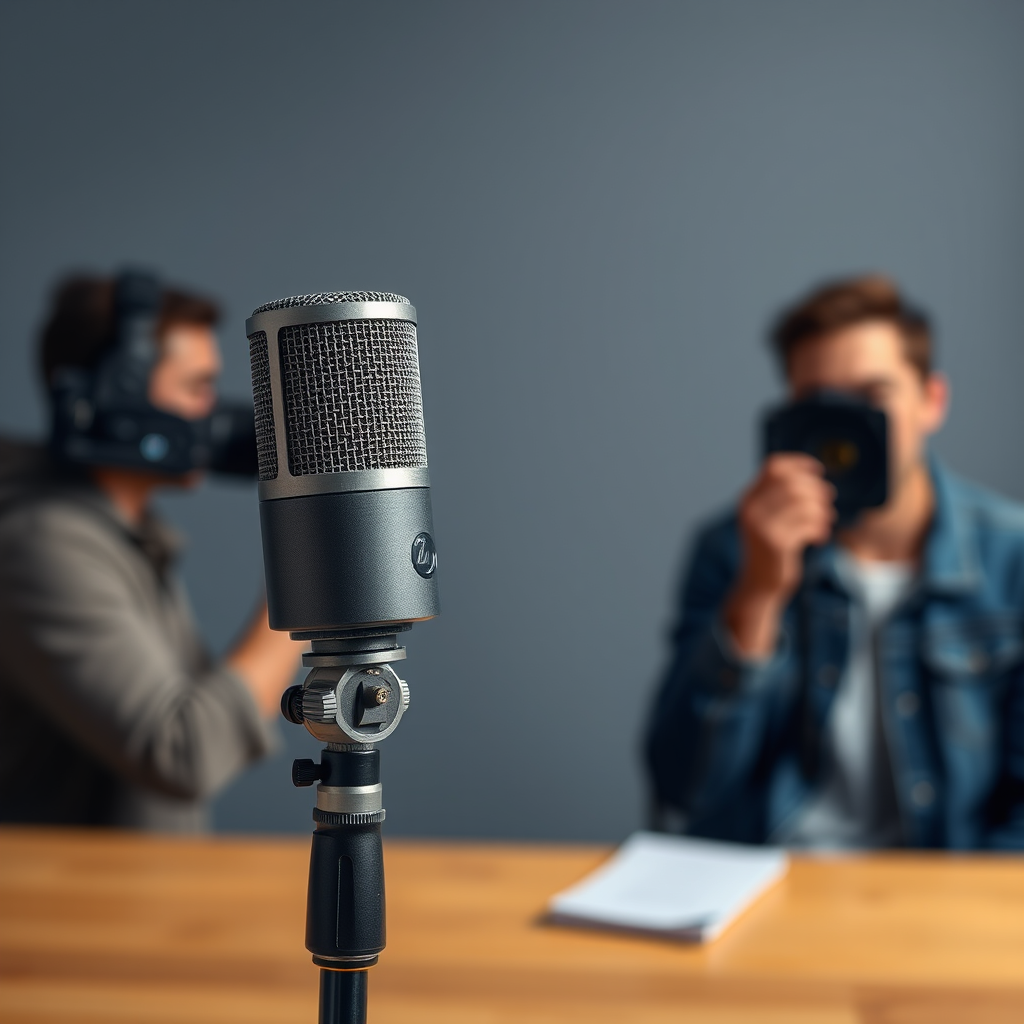
Choosing the right type of microphone is the first step in ensuring high-quality audio. Different types are designed for specific purposes and environments, making it essential to understand their strengths.
– Shotgun Microphones: These are highly directional microphones ideal for capturing sound from a specific source while minimizing background noise. They are often used in film and video production, especially in outdoor settings or noisy environments. The Rode NTG4+ is a prime example, featuring a supercardioid polar pattern that focuses on sounds directly in front of it while rejecting off-axis noise. This makes it perfect for interviews or dialogue in dynamic settings.
– Lavalier Microphones: Also known as lapel mics, lavalier microphones are small, clip-on devices perfect for interviews and presentations. They provide hands-free operation and can be discreetly placed on clothing, making them ideal for capturing dialogue without being intrusive. An excellent choice in this category is the Sennheiser ME 2, which offers reliable audio quality and is often used by broadcasters and filmmakers alike.
Understanding these types can significantly enhance your video production quality. Depending on your project’s needs, you may even want to use a combination of both to capture the best sound possible.
Key Features to Consider
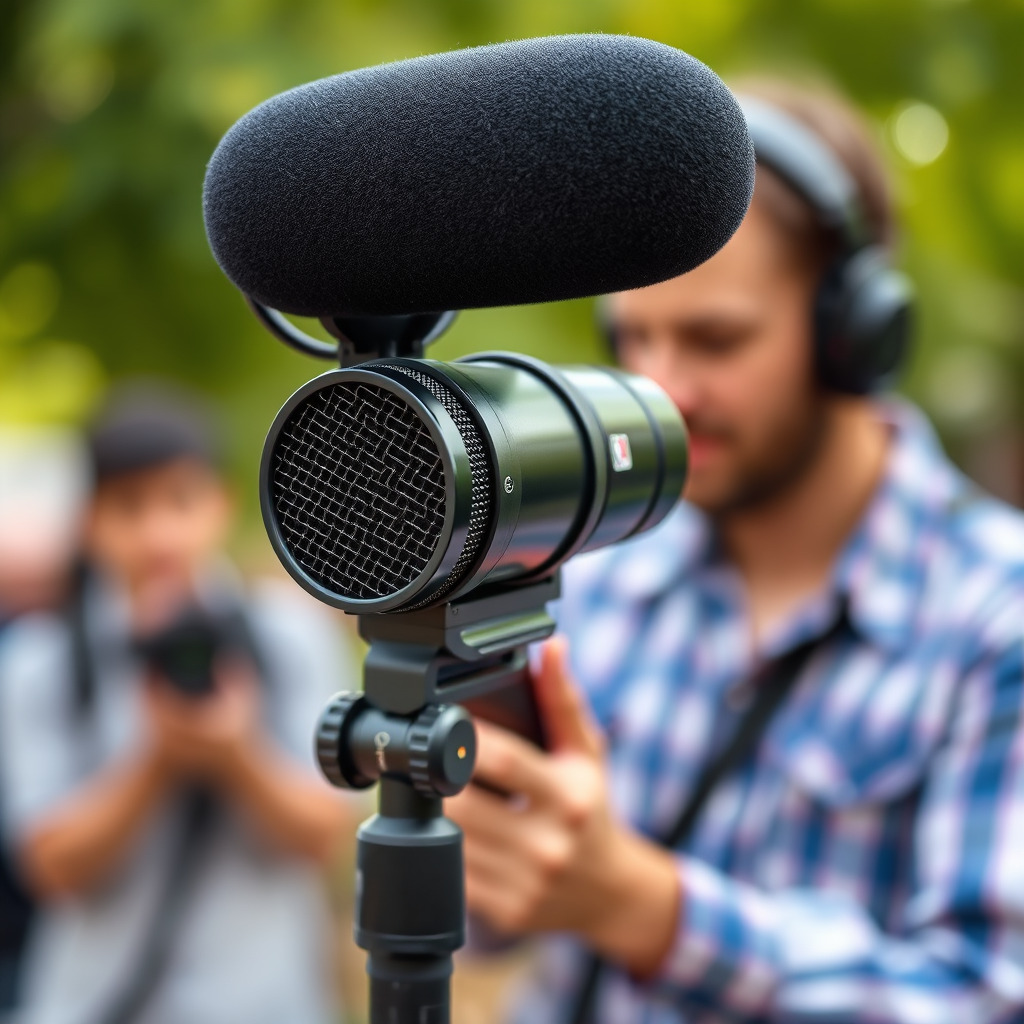
When shopping for microphones, there are several key features to keep in mind that can impact your audio quality.
– Frequency Response: This refers to the range of frequencies a microphone can capture. A wider frequency range allows for the capture of both low and high sounds effectively. For example, a microphone with a frequency response of 20 Hz to 20 kHz can handle everything from deep bass to high treble, essential for music videos or complex audio environments.
– Polar Patterns: Understanding polar patterns is crucial in selecting the right microphone for your setting. Common patterns include:
– Cardioid: Picks up sound from the front and sides while rejecting noise from the rear. This is ideal for interviews and solo recording.
– Omnidirectional: Captures sound equally from all directions, which is perfect for group discussions or ambient sound capture.
– Bidirectional: Picks up sound from the front and back, making it suitable for two-person interviews.
By considering these features, you can choose a microphone that best fits your specific recording needs, ensuring crystal-clear audio in your videos.
Top Microphones for Video Production
With so many options available, here are some of the top microphones that consistently deliver high-quality audio for video production.
– Rode NTG4+: This shotgun microphone is renowned for its exceptional audio quality and versatility. It features a built-in battery, allowing for extended use without needing external power. The NTG4+ is perfect for outdoor shoots where you need to capture specific sounds without interference from wind or background noise. Its lightweight design also makes it easy to mount on cameras or boom poles.
– Sennheiser MKE 600: Another standout, the MKE 600 is known for its clarity and robust design, making it suitable for both indoor and outdoor use. It has a low-cut filter to reduce unwanted noise and is highly effective in capturing dialogue. Whether you’re shooting a documentary or a narrative film, this mic can deliver professional-grade audio that complements your visuals beautifully.
These microphones are excellent choices for various video production scenarios, providing the reliability and sound quality you need to elevate your content.
Budget-Friendly Options
Quality doesn’t have to come at a premium price. Here are some budget-friendly microphones that still provide impressive audio performance.
– Audio-Technica AT2020: This condenser microphone is a fantastic choice for those starting in video production. It offers excellent sound quality and a wide frequency response, making it suitable for voiceovers and music recordings. Its affordability doesn’t compromise performance, making it a favorite among aspiring videographers.
– Zoom H1n Handy Recorder: This portable recorder is perfect for beginners looking for versatility. It allows you to record high-quality audio directly to an SD card and can be used as a USB microphone for direct audio capture on computers. Its compact size and user-friendly interface make it an excellent tool for capturing on-the-go audio for vlogs, interviews, or field recordings.
Investing in these budget-friendly options can help you achieve professional audio without breaking the bank, making them ideal for students or small production teams.
Accessories to Enhance Audio Quality
Once you’ve chosen your microphone, consider these accessories to further enhance your audio quality.
– Windshields and Pop Filters: Windshields are essential for outdoor recordings to minimize wind noise, while pop filters help reduce plosives (those harsh “p” and “b” sounds) during indoor recordings. Investing in these accessories can dramatically improve the clarity of your audio, making it more pleasant to listen to.
– Boom Poles and Mounts: Proper microphone placement is crucial for capturing optimal sound. Boom poles allow you to position your microphone close to the sound source while keeping it out of the camera frame. Mounts can help stabilize your microphone for more consistent audio capture, whether you’re filming with a handheld camera or a tripod.
These accessories can make a world of difference in your audio quality, ensuring that your final product is as polished as possible.
Tips for Using Microphones Effectively
To get the most out of your microphone, here are some practical tips that can help you achieve professional-sounding audio.
– Testing and Monitoring: Always test your audio levels before recording. Use headphones to monitor sound quality in real-time, ensuring that there are no unwanted noises or distortion. This step can save you from potential audio disasters during post-production.
– Placement Techniques: Experiment with microphone placement to find the best position for capturing clear audio. For lavalier mics, try to keep them a few inches away from the mouth to avoid distortion, while shotgun mics should be directed towards the sound source to maximize clarity.
By implementing these tips, you can ensure that your audio is as crisp and clear as your visuals, making your videos more engaging and professional.
In summary, choosing the best microphones for high-quality video production involves understanding your needs and exploring various options available in the market. By considering types, key features, and accessories, you can significantly enhance your audio quality. Whether you opt for high-end models or budget-friendly options, the right microphone can transform your projects and elevate your storytelling. Start your journey to professional-grade sound today by exploring these recommended microphones and investing in the right tools for your video projects.
Frequently Asked Questions
What are the key features to look for in a microphone for high-quality video production?
When selecting a microphone for high-quality video production, consider factors such as audio clarity, directionality, and connectivity options. Look for microphones with a frequency response that captures a wide range of sounds, as well as directional capabilities like cardioid or shotgun patterns, which help isolate the desired audio and minimize background noise. Additionally, ensure compatibility with your video equipment, whether it’s through XLR, USB, or wireless connections, to streamline your production process.
How does a shotgun microphone improve audio quality in video production?
A shotgun microphone enhances audio quality in video production by its highly directional pickup pattern, which focuses on sound coming from the front while rejecting noise from the sides and rear. This feature is crucial in environments with ambient noise, allowing filmmakers to capture clear dialogue and sound effects without interference. Utilizing a shotgun microphone can dramatically elevate the overall sound quality of your videos, making it a favored choice among professionals.
Why should I consider using a lavalier microphone for interviews in video production?
Lavalier microphones are an excellent choice for interviews in video production due to their small size and discreet nature, allowing for hands-free operation. They can be clipped to the subject’s clothing, providing consistent audio levels and minimizing movement-related noise. Additionally, lavalier microphones are ideal for capturing clear dialogue, making them essential for documentary filmmaking and on-location interviews where mobility and subtlety are crucial.
Which brands offer the best microphones for high-quality video production?
Several reputable brands are recognized for their high-quality microphones suitable for video production, including Shure, Rode, Sennheiser, and Audio-Technica. Shure’s MV88 and Rode’s VideoMic Pro are popular choices for their exceptional sound quality and user-friendly features. Sennheiser’s MKE 600 and Audio-Technica’s AT875R are also excellent options, known for their durability and professional audio performance, catering to various filming needs.
What is the difference between dynamic and condenser microphones for video production?
Dynamic microphones are generally more robust and can handle high sound pressure levels, making them suitable for capturing loud sounds without distortion, while condenser microphones are more sensitive and provide a broader frequency response, capturing finer details in softer sounds. For video production, the choice between the two often depends on the recording environment and the type of audio being captured; dynamic mics are great for noisy settings, whereas condenser mics excel in controlled environments where clarity is paramount.
References
- Microphone
- https://www.pcmag.com/picks/the-best-microphones
- https://www.nytimes.com/2020/10/05/technology/personaltech/best-microphones.html
- https://www.theguardian.com/technology/2021/mar/02/best-microphones
- https://www.techhive.com/article/3531955/best-microphones-for-video.html
- https://www.diyphotography.net/best-microphones-for-video-production/
- https://www.pbs.org/newshour/nation/2020/05/19/best-microphones-for-video-production
- https://www.wired.com/story/best-microphones/