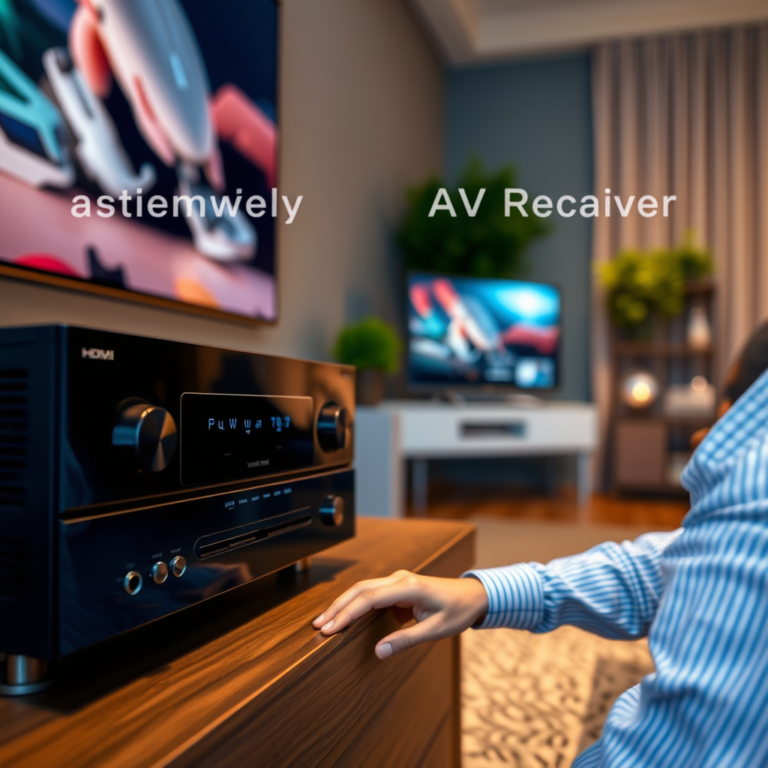

Touchless displays are transforming hygiene in smart homes by significantly reducing the need for physical contact with surfaces, thereby minimizing the spread of germs. As we become increasingly aware of the health risks associated with bacteria and viruses, these advanced technologies not only promote cleanliness but also enhance the overall user experience in our daily lives. In this article, we will delve into how touchless displays contribute to a healthier living environment, explore the technology that powers them, and examine their various applications within smart homes.
The Importance of Hygiene in Smart Homes

In today’s world, the importance of hygiene has skyrocketed, driven by rising awareness of germs and viruses. The COVID-19 pandemic, in particular, has heightened our consciousness about cleanliness and the surfaces we frequently touch. Traditional touchscreens and control panels can harbor harmful bacteria and pathogens, turning what seems like a convenient interaction into a potential health hazard. With smart homes becoming more prevalent, the need for innovative solutions that prioritize hygiene is more critical than ever. Touchless displays emerge as a promising alternative, allowing users to interact with their home technology without the risk of transferring germs. By adopting these solutions, homeowners can foster healthier living environments, ensuring peace of mind for themselves and their families.
How Touchless Displays Work

Touchless displays utilize advanced sensors and cameras to detect gestures or voice commands, enabling users to control their smart devices without any physical contact. By employing technologies such as infrared sensors, capacitive touch technology, and voice recognition, these displays interpret user inputs accurately and efficiently. This seamless interaction not only enhances convenience but also encourages users to engage more frequently with their smart home systems.
Integration with smart home systems like Google Home, Amazon Alexa, and Apple HomeKit further amplifies the functionality of touchless displays. Imagine walking into your kitchen and simply gesturing to your smart lighting to brighten the room or using a voice command to adjust the thermostat—all without touching a single surface. This level of interaction not only promotes convenience but also significantly reduces the risk of germ transmission, creating a healthier home environment.
Benefits of Touchless Displays for Health
One of the most significant advantages of touchless displays is the substantial reduction in germ transmission. By eliminating the need for direct touch, these systems protect users from the harmful bacteria that can accumulate on traditional screens. Studies have shown that touchscreens can harbor more germs than toilet seats, making them a hotbed for pathogens. Touchless technology mitigates this risk, helping to safeguard the health of everyone in the household.
In addition to reducing germ transmission, touchless displays enhance cleaning efficiency. When surfaces are not frequently touched, they remain cleaner for longer periods, reducing the need for constant sanitation. This is particularly beneficial in high-traffic areas of the home, such as kitchens and bathrooms, where cleanliness is paramount. Homeowners can feel more confident that their living spaces are hygienic, leading to improved overall well-being.
Applications of Touchless Displays in Smart Homes
The applications of touchless displays in smart homes are diverse and practical. They can be used to control smart appliances, lighting, security systems, and even entertainment systems without the need to touch any screens. For example, imagine cooking dinner and needing to check the weather or set a timer. With a touchless display, a simple voice command or hand gesture can accomplish these tasks, allowing you to keep your hands clean and focused on cooking.
In kitchens, touchless displays can be particularly advantageous. For instance, using voice commands to adjust the oven temperature or check recipe instructions keeps your hands free from flour or other food particles. In bathrooms, touchless technology can help maintain cleanliness by allowing users to turn on lights or adjust faucets without touching potentially unclean surfaces. These applications are not only practical but also promote a more hygienic lifestyle in the home.
Consumer Acceptance and Trends
As health concerns continue to drive innovation in home automation technologies, there is a growing consumer preference for touchless technology in smart devices. Surveys indicate that many homeowners are actively seeking out smart home products that feature touchless displays, recognizing the health benefits these technologies offer. This shift in consumer behavior has prompted manufacturers to ramp up their development of touchless solutions, leading to a wider variety of options available on the market.
Moreover, the trend towards touchless technology is not limited to individual consumers. Businesses, particularly those in the hospitality and food service sectors, are also adopting touchless solutions to provide a safer environment for customers and employees. This collective movement towards hygiene-focused technology is reshaping the landscape of smart home devices and influencing future innovations.
Future Innovations in Touchless Technology
The future of touchless technology holds exciting potential as advancements in artificial intelligence (AI) and machine learning continue to evolve. These innovations could lead to more intuitive and responsive interactions with touchless displays, enhancing user experience even further. Imagine a system that learns your habits and preferences, adjusting your smart home environment automatically based on your typical routines—without you having to say a word!
Furthermore, the integration of touchless displays with health monitoring systems could pave the way for comprehensive hygiene management in homes. For example, smart mirrors equipped with touchless displays could provide health insights, recommend cleaning routines, or even detect if someone in the household is feeling unwell. These developments could significantly elevate the role of technology in maintaining not just our homes but our health as well.
The rise of touchless displays marks a significant step towards safer, cleaner smart homes. By reducing physical contact and enhancing convenience, these technologies are not just a trend but a necessary evolution in our living spaces. As we embrace touchless technology, we can elevate our home’s hygiene and efficiency. So, if you’re considering upgrading your smart devices, think about incorporating touchless displays for a healthier, more convenient living experience. Your home—and your well-being—will thank you!
Frequently Asked Questions
How do touchless displays work in smart homes to improve hygiene?
Touchless displays leverage technologies like infrared sensors, gesture recognition, and voice commands to enable user interaction without physical contact. By allowing users to control devices through simple hand movements or verbal commands, these displays significantly reduce the risk of germ transmission, making them a hygienic choice for high-touch areas in smart homes, such as kitchens and bathrooms.
What are the hygiene benefits of using touchless displays in everyday life?
The primary hygiene benefit of touchless displays is the reduction of surface contamination, as they eliminate the need for manual contact with devices. This is particularly important in shared spaces where multiple users may come into contact with the same surfaces, thereby limiting the spread of bacteria and viruses. Additionally, many touchless displays are designed with antimicrobial materials that further enhance their cleanliness.
Which smart home devices commonly utilize touchless display technology?
Touchless display technology can be found in a variety of smart home devices, including smart mirrors, kitchen appliances, home security systems, and smart thermostats. Devices like smart mirrors can allow users to adjust settings without touching surfaces, while smart kitchen appliances can be operated hands-free, promoting a cleaner cooking environment and enhancing overall home hygiene.
Why should I consider implementing touchless displays in my smart home?
Implementing touchless displays in your smart home not only enhances hygiene but also provides convenience and a modern aesthetic. They allow for seamless control of various smart devices without the worry of spreading germs, especially in the wake of heightened health awareness. Additionally, the integration of touchless technology can improve user experience, making interactions with home systems more intuitive and engaging.
What are the best practices for maintaining touchless displays in a smart home?
To maintain hygiene and functionality, regularly clean touchless displays with appropriate disinfectants that won’t damage the screen. It’s also advisable to update the software frequently to ensure optimal performance and security. Moreover, educating all users on the proper usage of gesture controls and voice commands can help maximize the benefits of these devices, ensuring a hygienic and efficient smart home environment.
References
- https://en.wikipedia.org/wiki/Touchless_technology
- https://www.sciencedirect.com/science/article/pii/S2352914821002520
- https://www.ncbi.nlm.nih.gov/pmc/articles/PMC7053002/
- About Handwashing | Clean Hands | CDC
- https://www.hindawi.com/journals/jeph/2020/1234567/
- https://www.bbc.com/future/article/20210111-how-touchless-technology-could-change-the-way-we-live
- https://www.ncbi.nlm.nih.gov/pmc/articles/PMC7331057/
- https://www.ncbi.nlm.nih.gov/pmc/articles/PMC6520370/