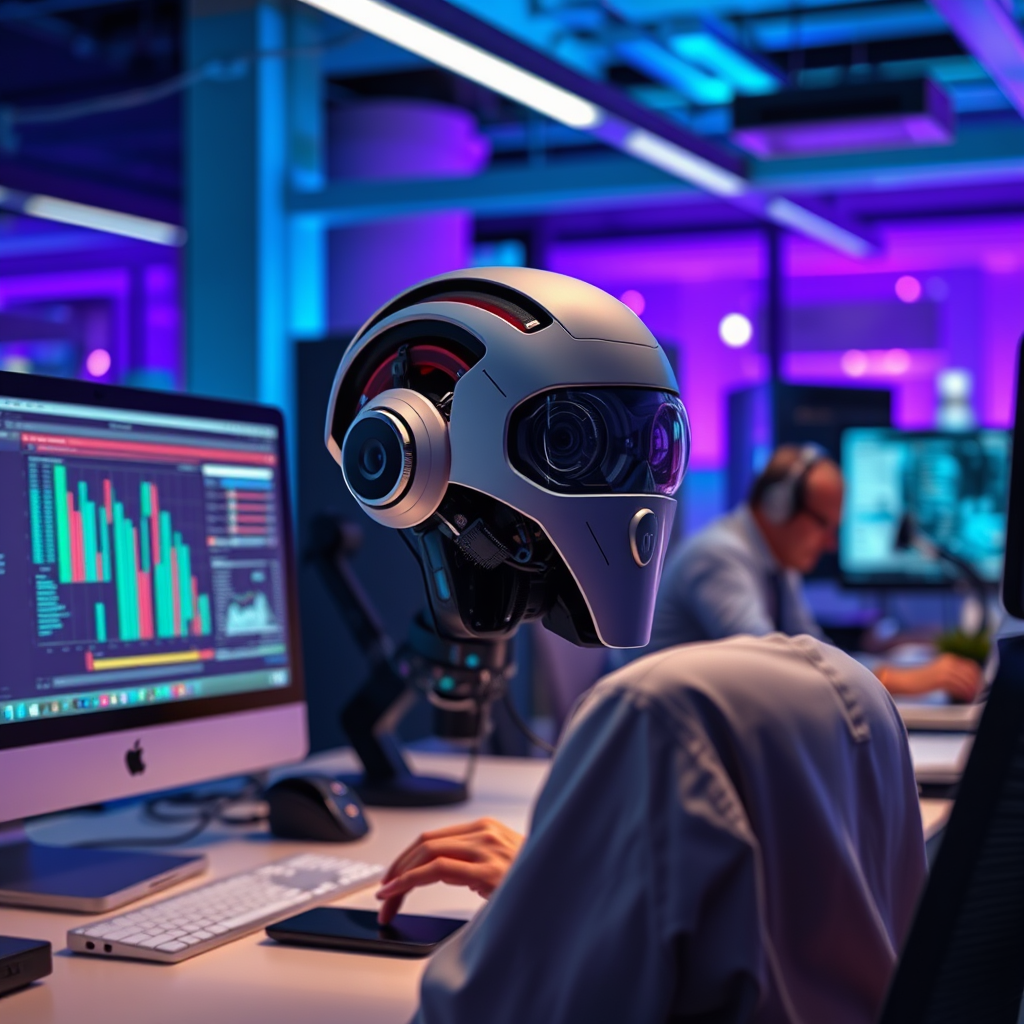

Understanding how artificial intelligence forecasts viewer engagement can significantly enhance video content strategies. By leveraging algorithms that analyze viewer behavior, preferences, and trends, content creators can tailor their videos to maximize audience interaction and retention. This means that with the right AI tools, you can predict what your audience will love, and create videos that resonate deeply with them. In this article, we will explore the mechanisms behind AI predictions, key metrics it uses, and how creators can apply these insights to boost their engagement.
Understanding AI in Video Content

Artificial intelligence has revolutionized the way we analyze viewer engagement by employing sophisticated machine learning algorithms. These algorithms sift through vast amounts of data—think millions of views, likes, shares, and comments—making it possible to understand viewer interactions at a granular level. Unlike human analysts, AI can identify patterns and trends that might be hidden in the noise, allowing creators to respond swiftly to changing audience preferences.
For instance, platforms like YouTube and TikTok utilize AI to analyze user behavior across the globe. By processing data from numerous videos and their performance metrics, AI can discern what types of content are trending, which formats keep viewers engaged longer, and even which thumbnails attract more clicks. This level of insight enables creators to make informed decisions about their content strategy, thus enhancing the likelihood of engaging their audience effectively.
Key Metrics for Predicting Engagement

When it comes to predicting viewer engagement, several key metrics come into play.
Viewer Retention Rates
One of the most critical metrics is viewer retention rates, which measure how long viewers stay engaged with the content. A high retention rate indicates that your video is captivating enough to hold the audience’s attention, while a low rate could signal that something is off—perhaps the content is too long, or the initial hook isn’t compelling enough. For example, if you notice that viewers drop off significantly after the first minute, it might be time to rethink your opening scenes or introduce a more engaging hook.
Click-Through Rates (CTR)
Another vital metric is the click-through rate (CTR). This measures how often viewers click on video thumbnails or links, serving as an indicator of how appealing your video title and thumbnail are. A high CTR suggests that your audience is intrigued by what they see, indicating strong potential for engagement. For instance, if you’re running a travel vlog, experimenting with different thumbnail images—such as vibrant landscapes versus candid shots of you enjoying an adventure—can help you discover what resonates best with your audience.
Data Sources for AI Predictions
AI predictions rely on various data sources to refine their algorithms and improve accuracy.
Social Media Analytics
Social media analytics play a crucial role in this process. AI examines metrics such as shares, likes, and comments across platforms like Facebook, Instagram, and Twitter. By aggregating this data, AI can provide insights into which topics spark conversations and which types of content are more shareable. For example, if a particular video garners a lot of shares on social media, it might indicate that it resonates with viewers, suggesting a similar approach could work in future videos.
Historical Performance Data
Historical performance data is equally important. Previous viewer engagement metrics help train AI models, enabling them to make better predictions about future content. By analyzing past videos’ performance—such as what types of titles generated the most clicks or which subjects kept viewers engaged longer—creators can refine their strategies moving forward. For instance, if historical data shows that your audience loves “how-to” videos, you might want to focus more on that format in your upcoming content.
Personalization and AI
One of the most exciting aspects of AI in video content is its ability to personalize viewer experiences.
Tailored Recommendations
AI can recommend content tailored to individual viewer preferences, which can significantly increase engagement. By analyzing past viewing habits, AI can suggest videos that a user is more likely to enjoy, creating a customized viewing experience. For example, platforms like Netflix and Amazon Prime use sophisticated algorithms to recommend shows and movies based on your watching history. This not only keeps viewers engaged but also encourages them to explore more content.
Enhanced Viewership
The impact of personalized recommendations can be profound. When viewers see content that aligns with their interests, they are more likely to stay engaged and return for more. This approach can be particularly effective for creators looking to build a loyal audience. By utilizing AI-driven insights, you can craft a series of videos that cater to specific segments of your audience, ultimately driving higher engagement rates.
Challenges in AI Predictions
Despite its powerful capabilities, there are challenges that come with AI predictions that creators must navigate carefully.
Data Privacy Concerns
Data privacy is a significant concern in today’s digital landscape. Collecting viewer data must comply with regulations such as GDPR and CCPA, ensuring that user privacy is respected. Creators need to be transparent about how they collect and use data, fostering trust with their audience. For instance, being upfront about utilizing data for personalized recommendations can help assuage viewers’ concerns.
Algorithm Bias
Another challenge is algorithm bias. Ensuring that AI predictions are fair and not skewed by biased training data is crucial. If an AI model is trained on a limited set of data that doesn’t reflect the diversity of the audience, it may lead to inaccurate predictions. Creators should be aware of this risk and strive to use a more diverse dataset when training their AI models, which will ultimately lead to more accurate and equitable predictions.
Implementing AI Insights in Video Strategy
To truly benefit from AI’s predictive capabilities, creators need to implement these insights into their video strategies effectively.
Content Optimization
Using AI insights for content optimization is one of the most effective ways to tailor video length, format, and topics to audience preferences. For instance, if your analysis shows that shorter videos tend to perform better, you might consider creating more bite-sized content. Alternatively, if your audience engages deeply with longer, more informative videos, it might be worth investing more time in comprehensive tutorials or discussions.
A/B Testing
A/B testing is another practical application of AI insights. By experimenting with different content styles based on AI predictions, you can gauge what resonates best with your audience. For instance, you might test two different opening sequences—one with dramatic visuals and another with a straightforward introduction—to see which garners a higher retention rate. This iterative process allows you to refine your approach continuously.
Future Trends in AI and Viewer Engagement
Looking ahead, there are several exciting trends in AI that will shape viewer engagement.
Increasing Sophistication of AI Models
The sophistication of AI models is increasing, enabling them to predict long-term engagement trends more accurately. As technology advances, we can expect AI to analyze not just immediate viewer reactions but also to forecast how certain content types will perform over time. This capability will empower creators to plan their content strategies more effectively.
Greater Integration of AI Tools
Furthermore, we can anticipate greater integration of AI tools within video platforms, making it easier for creators to access and utilize these insights. User-friendly interfaces and automated analytics features will allow even novice creators to leverage AI effectively, democratizing the benefits of advanced data analysis.
By understanding how AI predicts viewer engagement, content creators can significantly enhance their strategies to better connect with their audience. Embracing these insights not only leads to improved viewer satisfaction but also drives higher retention and interaction rates. Start exploring AI tools and analytics today to elevate your video content strategy!
Frequently Asked Questions
How does AI analyze video content to predict viewer engagement?
AI utilizes algorithms that analyze various factors, including video length, content type, thumbnails, and titles, to predict viewer engagement. By examining historical data from similar videos, AI can identify patterns in viewer behavior, such as watch time, likes, and comments. This data-driven approach allows creators to optimize their content for higher engagement rates by tailoring aspects like pacing and storytelling to match audience preferences.
What metrics does AI consider when assessing viewer engagement for videos?
AI considers several key metrics when assessing viewer engagement, including audience retention rate, click-through rate (CTR), likes, shares, comments, and overall watch time. These metrics provide insights into how viewers interact with the content, helping creators understand what resonates with their audience. By analyzing these metrics, AI can provide actionable recommendations to improve future video performance, such as adjusting video length or enhancing promotional strategies.
Why is it important for content creators to use AI for predicting viewer engagement?
Using AI to predict viewer engagement is crucial for content creators because it allows them to make data-driven decisions that enhance their content strategy. By understanding viewer preferences and behavior, creators can tailor their videos to maximize engagement, which leads to increased visibility and growth on platforms like YouTube and TikTok. This not only helps in retaining existing audiences but also attracts new viewers, ultimately boosting overall performance and revenue potential.
Which AI tools are best for analyzing video engagement metrics?
Some of the best AI tools for analyzing video engagement metrics include Vidooly, Tubular Labs, and Google Analytics for YouTube. These platforms offer comprehensive analytics that can help creators track viewer behavior, compare performance against competitors, and gain insights into audience demographics. By leveraging these tools, content creators can refine their strategies and enhance their video content based on measurable data.
How can content creators leverage AI predictions to improve their video content?
Content creators can leverage AI predictions by using insights to inform their content development process, such as adjusting video length, experimenting with different formats, or optimizing thumbnails and titles for better CTR. By incorporating feedback from AI analytics, creators can identify what works best for their audience and continuously improve their content strategy. This proactive approach not only enhances viewer satisfaction but also fosters community growth and brand loyalty.
References
- Artificial intelligence
- https://www.sciencedirect.com/science/article/pii/S0957417421008225
- https://www.nytimes.com/2021/05/18/technology/artificial-intelligence-video-content.html
- https://www.forbes.com/sites/bernardmarr/2020/01/27/how-ai-is-changing-the-way-we-create-video-content/
- https://www.bbc.com/news/technology-56951857
- https://www.nature.com/articles/d41586-019-01951-2
- https://researchgate.net/publication/342403573_Artificial_Intelligence_and_Video_Analysis
- https://www.techrepublic.com/article/how-ai-is-transforming-video-content-creation/
- https://www.pewresearch.org/internet/2020/10/06/the-future-of-journalism-in-an-age-of-ai/