
Transparent OLEDs are revolutionizing the design and functionality of space stations by providing advanced display technology that enhances communication, environmental monitoring, and energy efficiency. These innovative displays not only allow for better interaction with the space environment but also contribute to the astronauts’ overall well-being. In this article, we’ll explore how transparent OLED technology is integrated into space station environments, the myriad benefits it offers, and its potential future applications in the realm of space exploration.
Overview of Transparent OLED Technology
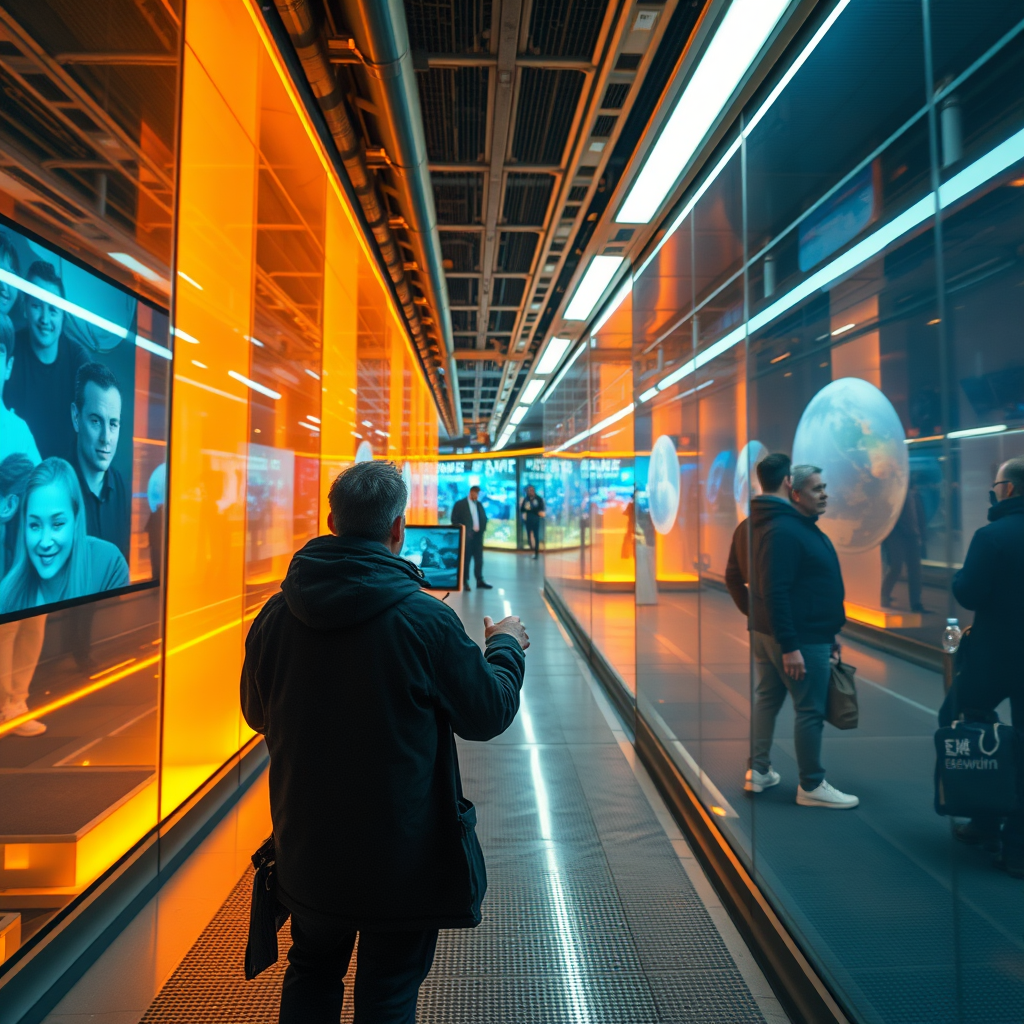
Transparent OLEDs, or Organic Light Emitting Diodes, are a cutting-edge display technology that allows images and data to be viewed while maintaining a level of transparency. Essentially, they consist of a series of organic compounds that emit light when an electric current is applied. Unlike traditional display technologies, which are typically opaque and can block out the surrounding environment, transparent OLEDs enable a seamless blend of digital information with real-world visuals.
In comparison to traditional display technologies, transparent OLEDs offer several advantages. For instance, LCDs and LEDs are often bulky and require backlighting, which consumes additional energy. Transparent OLEDs, on the other hand, are thinner, lighter, and more energy-efficient, making them ideal for the confined spaces of a space station. Their versatility also means they can be integrated into various surfaces, such as walls, windows, and control panels, enhancing both functionality and aesthetics.
Benefits of Transparent OLEDs in Space Stations

One of the standout benefits of transparent OLEDs in space stations is their enhanced visibility and interaction capabilities. Astronauts can view critical information without obscuring their surroundings, which is vital in a high-stakes environment where situational awareness is crucial. For example, an astronaut operating a robotic arm can keep an eye on the external environment while simultaneously accessing data on the transparent display in front of them. This fusion of digital and physical spaces makes for a more intuitive working experience.
Moreover, transparent OLEDs have the potential for significant energy savings. Traditional displays consume considerable power, especially in the demanding environment of space. Transparent OLEDs, with their lower energy requirements and ability to harness ambient light, can contribute to improved operational efficiency. This is particularly important in space stations where every bit of energy conservation counts, allowing for longer missions and reduced reliance on resupply missions.
Applications of Transparent OLEDs in Space Stations
The applications of transparent OLEDs in space stations are both diverse and impactful. One of the primary uses is in control panels and cockpit displays, where astronauts need quick access to mission-critical data without the distraction of opaque screens. Imagine a cockpit where the controls and vital statistics are displayed on a transparent surface, allowing astronauts to see the stars while managing their instruments.
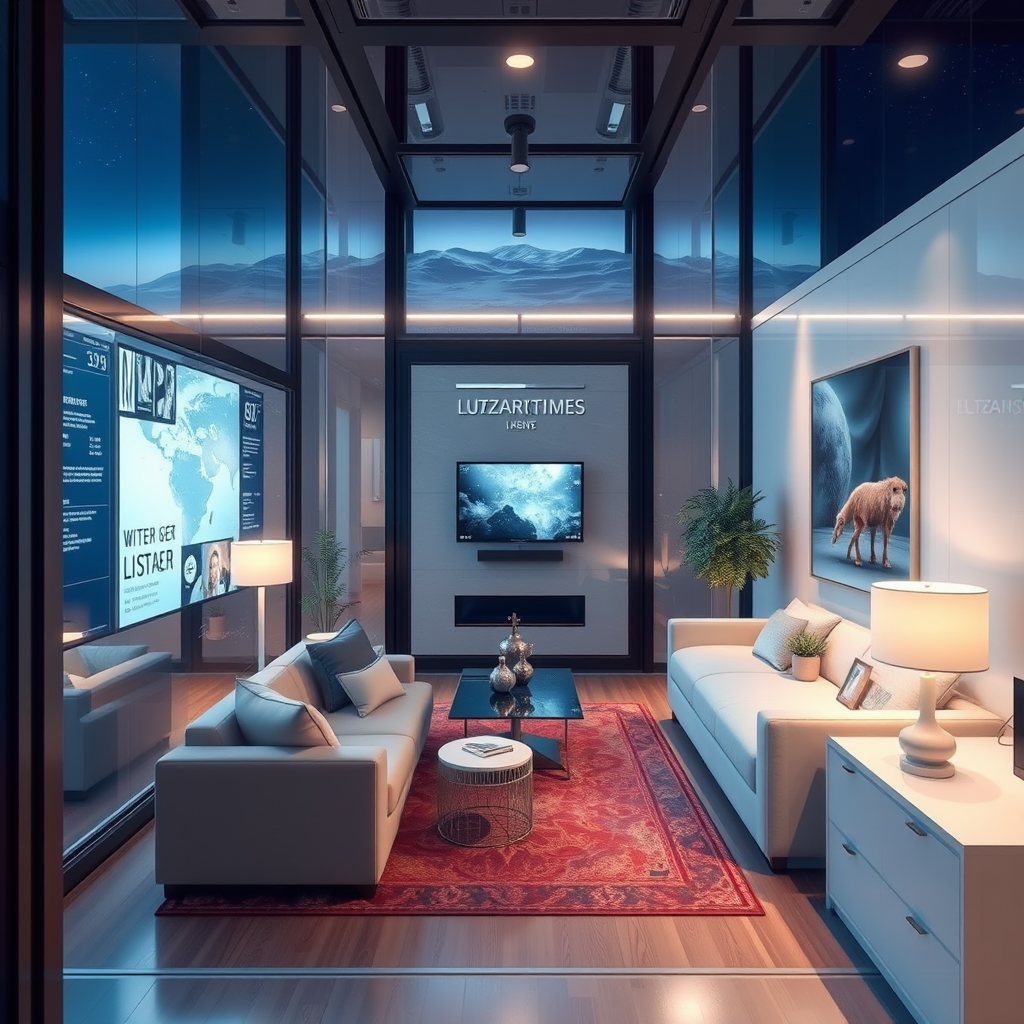
Another exciting application is the integration of transparent OLEDs into windows, enabling real-time data visualization. For instance, when looking out at Earth, astronauts can simultaneously see overlay information about weather patterns, satellite positions, or even mission timelines. This enhances their understanding of the environment and their role within it, making each moment in space even more engaging.
Impact on Astronauts’ Lives
Transparent OLED technology is poised to make a significant positive impact on astronauts’ lives. Improved communication and data access in live environments can drastically reduce the time it takes to analyze situations and make decisions. With real-time information displayed effortlessly, astronauts can focus more on their tasks rather than diverting their attention to multiple screens or printed data.
Additionally, the reduced visual clutter that transparent OLEDs provide can enhance focus and minimize stress. In a confined space with limited resources, the mental well-being of astronauts is paramount. Transparent displays allow for a cleaner, more organized environment where information is readily available without overwhelming the senses. This aspect is crucial during long missions, where psychological factors can significantly influence performance and health.
Challenges and Limitations
Despite their numerous advantages, the implementation of transparent OLEDs in space stations does face challenges and limitations. One significant hurdle is their durability and maintenance in the harsh conditions of space. The vacuum of space, coupled with radiation and extreme temperatures, can affect the lifespan and performance of these delicate displays. Engineers and scientists are actively working on solutions to enhance their resilience, but it remains a critical area of focus for future developments.
Cost considerations also play a significant role in the adoption of transparent OLED technology. While the benefits are clear, the initial investment for research, development, and deployment can be substantial. Funding for such advanced technologies often competes with other pressing needs in space missions. However, as the technology matures and becomes more mainstream, costs are likely to decrease, paving the way for broader implementation.
Future Directions for Transparent OLEDs
The future of transparent OLEDs in space exploration is bright, with numerous innovations on the horizon. As research continues, we can expect advancements in the durability and efficiency of these displays. For example, future iterations may incorporate self-healing materials or enhanced shielding to protect against space radiation.
Transparent OLEDs are also expected to play a crucial role in upcoming space missions and habitats, such as lunar bases or Mars colonies. As we look toward establishing permanent human presence on other celestial bodies, the need for advanced display technology that can seamlessly integrate with the environment will be paramount. The versatility of transparent OLEDs makes them an ideal candidate for a variety of applications, from habitat interfaces to educational displays for training new astronauts.
The incorporation of transparent OLEDs into space stations marks a significant step forward in space technology, offering numerous advantages that can enhance both operational efficiency and the quality of life for astronauts. As this technology continues to evolve, it promises to play an even more critical role in the future of space exploration, driving innovation and improving the human experience in the vastness of space.
Frequently Asked Questions
What are transparent OLEDs and how do they function in space stations?
Transparent OLEDs (Organic Light Emitting Diodes) are a type of display technology that allows light to pass through while still providing visual content. In space stations, these displays can serve multiple functions, such as providing real-time data, communication interfaces, and environmental monitoring without obstructing views of the exterior environment. Their lightweight and energy-efficient nature make them ideal for space applications, where every gram and watt counts.
How can transparent OLED technology improve the living conditions for astronauts on space stations?
Transparent OLEDs can enhance living conditions for astronauts by integrating visual displays into the station’s architecture. For instance, they can provide information on current mission parameters, health metrics, and even entertainment options without consuming valuable wall space. This integration helps maintain a more open and less claustrophobic environment while ensuring critical information is readily available, thus improving the overall quality of life in confined spaces.
Why is the use of transparent OLEDs becoming increasingly important for future space missions?
The use of transparent OLEDs is becoming vital for future space missions due to their multifunctionality and efficiency. As space agencies aim for longer missions, such as those to Mars, the need for versatile communication and display systems becomes paramount. Transparent OLEDs provide a way to incorporate technology without adding bulk, and their ability to blend seamlessly into the station’s structure allows for improved functionality and aesthetics, which is crucial for long-term human habitation.
Which features of transparent OLEDs make them suitable for the unique environment of space?
Transparent OLEDs possess several features that make them suitable for the space environment, such as their lightweight nature, low power consumption, and adaptability to varying light conditions. They can operate efficiently in the extreme temperature fluctuations found in space and can be designed to resist radiation, ensuring durability. Furthermore, their transparency allows for maximizing visibility and natural light, crucial for mental well-being during long missions.
What are the potential challenges of implementing transparent OLEDs in space station designs?
While transparent OLEDs offer numerous advantages, there are challenges to consider, such as their fragility and the need for protective coatings to ensure they can withstand the harsh conditions of space. Additionally, integrating these displays into existing systems requires careful design to avoid interference with other technologies. Lastly, the cost of development and deployment can be high, necessitating extensive research and investment to make transparent OLEDs a viable option in space station designs.
References
- https://en.wikipedia.org/wiki/Organic_light-emitting_diode
- International Space Station – NASA
- https://www.sciencedirect.com/science/article/pii/S2213138817303348
- https://www.nature.com/articles/s41528-021-00183-7
- SpaceX
- https://www.optica.org/en-us/about/newsroom/news_releases/2020/transparent_oleds_could_transform_space_exploration/
- https://www.esa.int/Applications/Telecommunications_Integrated_Applications/Space_technology/Transparent_OLEDs_for_space
- https://www.sciencedaily.com/releases/2020/10/201021121829.htm
- https://www.researchgate.net/publication/342563919_The_Impact_of_Transparent_OLEDs_on_Advanced_Applications_in_Space_Environments