
The future of AI-driven optimization for quantum displays is set to transform visual technology in ways we can only begin to imagine. With AI’s ability to enhance color accuracy, refresh rates, and overall efficiency, we’re on the cusp of a new era where displays are not only smarter but also more visually stunning. As artificial intelligence continues to evolve, it will play a pivotal role in maximizing the potential of quantum display technology, paving the way for extraordinary visual experiences across various industries. In this article, we will explore how AI is set to revolutionize quantum displays and what that means for the future of visual experiences.
Understanding Quantum Displays

Quantum display technology relies on the manipulation of quantum dots—tiny semiconductor particles that emit light when energized. These dots can produce a broader range of colors than traditional display technologies, providing a much richer and more accurate color gamut. Quantum displays often utilize LCD or OLED panels enhanced by these quantum dots, leading to stunning visuals that captivate users.
One of the standout benefits of quantum displays is their efficiency. By using quantum dots, these displays can achieve higher brightness levels without consuming as much power as conventional displays. This efficiency not only reduces energy costs but also extends the lifespan of the display technology. With quantum displays, viewers can enjoy vibrant colors and deep blacks, making them ideal for applications ranging from high-end televisions to commercial displays in art galleries and museums.
The Role of AI in Display Technology
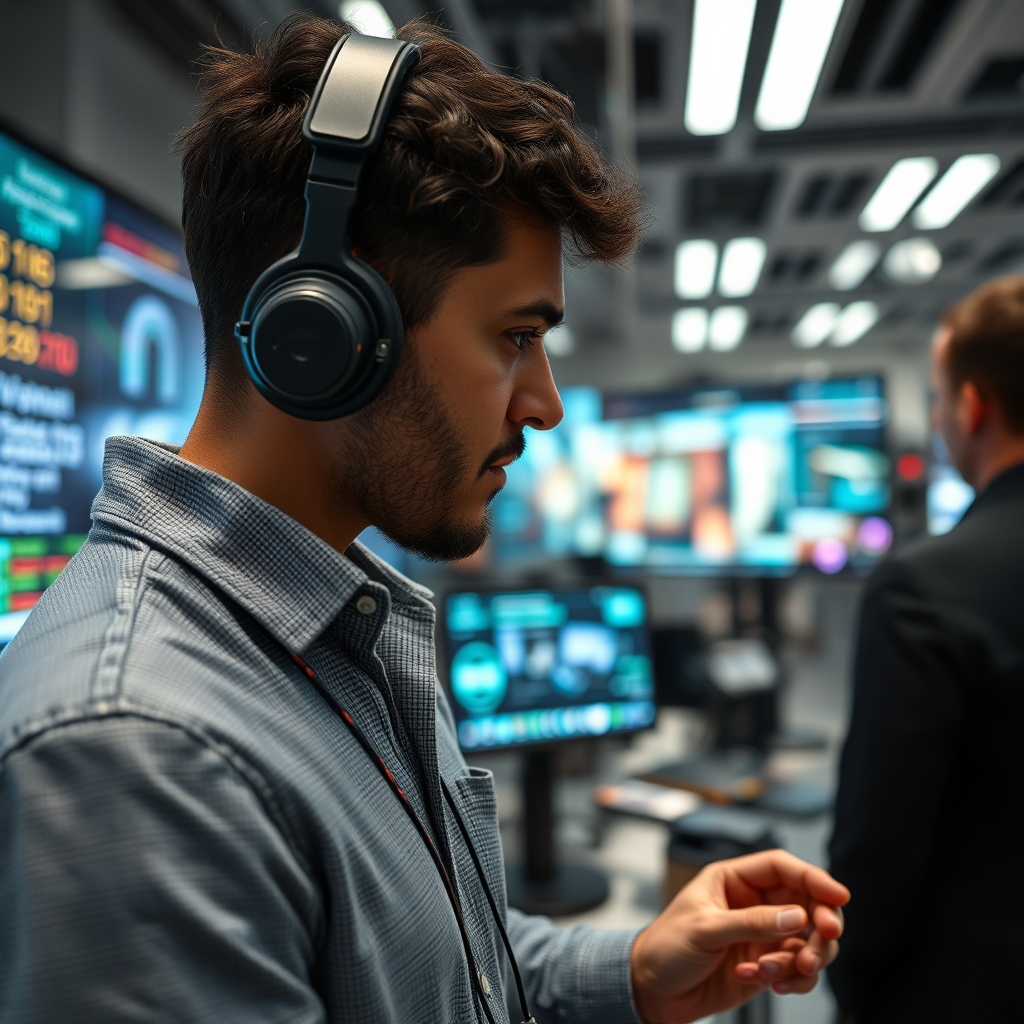
Artificial intelligence plays a crucial role in optimizing the performance of quantum displays. Through advanced algorithms, AI can analyze various aspects of display performance, including color calibration, contrast enhancement, and refresh rates. By continuously learning from user interactions and preferences, AI can adapt the display settings in real-time, ensuring an optimal viewing experience.
Current applications of AI in display optimization include image enhancement technologies that analyze the content being displayed and adjust parameters for maximum visual impact. For instance, AI can improve low-resolution images by upscaling them intelligently, filling in details that make them look sharper and more lifelike. Companies like Samsung are already integrating AI in their quantum display products to enhance user experience, demonstrating the tangible benefits of this technology.
Advancements in AI Algorithms for Quantum Displays
Recent advancements in machine learning techniques have significantly contributed to the optimization of quantum displays. Techniques such as reinforcement learning allow AI systems to make decisions based on feedback, continuously improving display settings based on user preferences and environment conditions. For example, a smart display might learn that a user prefers warmer tones in the evening and adjust its color temperature accordingly.
Several case studies illustrate the successful implementation of AI in display technology. For example, LG’s AI Picture Pro technology analyzes the content on the screen and optimizes the display settings to match the nature of the content—whether it’s a movie, sports event, or video game. This ensures that viewers always have the best possible experience tailored to their viewing habits.
Challenges in AI-Driven Quantum Display Optimization
Despite the exciting potential of AI-driven quantum display optimization, there are several challenges to consider. One major technical hurdle is the need for significant processing power to run complex AI algorithms efficiently. As displays become more advanced, they require robust hardware capable of handling real-time optimization without lag, which can lead to increased costs for manufacturers and consumers alike.
Additionally, ethical considerations surrounding AI-driven decisions must be addressed. For instance, biases in AI algorithms could lead to unintended consequences, such as favoring certain color palettes over others or making decisions that don’t align with all users’ preferences. It’s crucial for developers to ensure that their AI systems are designed to be inclusive and fair, taking into account the diverse range of user experiences.
Future Trends in AI and Quantum Displays
Looking ahead, we can expect several exciting trends in the intersection of AI and quantum displays. As consumer demand for higher-quality visual experiences continues to grow, manufacturers will likely invest heavily in research and development to create next-generation displays that leverage AI for even more sophisticated optimizations.
Predictions include the emergence of AI-enhanced virtual and augmented reality applications, where quantum displays could provide lifelike visuals that adapt to users’ movements and interactions. Additionally, advancements in AI-driven content creation tools may allow creators to produce stunning visuals that can be displayed on quantum screens, further blurring the lines between the digital and physical worlds.
Industry Impact and Applications
The impact of AI-optimized quantum displays extends across various sectors, including gaming, healthcare, education, and entertainment. In gaming, for instance, AI can ensure that graphics are rendered in real-time with stunning detail and accuracy, enhancing the immersive experience for players. In healthcare, quantum displays can be used for high-resolution imaging, allowing for better diagnostics and patient outcomes.
Moreover, the potential for new market opportunities and business models is vast. As more industries recognize the benefits of AI-driven quantum displays, we may see a rise in partnerships between tech companies and industries such as advertising, where visual storytelling can be enhanced through advanced display technology.
Preparing for the Future of Quantum Displays
For consumers and businesses eager to leverage upcoming technologies, staying informed about advancements in AI and quantum display technology is essential. Regularly checking for updates from leading manufacturers and industry news can provide insights into the latest products and features.
Moreover, considering how these technologies can enhance personal or business needs is crucial. For example, businesses in retail could invest in AI-driven quantum displays for more engaging advertisements, while consumers might consider upgrading their home theater systems to take advantage of these advancements.
Summarizing the potential of AI-driven quantum display optimization reveals exciting opportunities for enhanced visual experiences across various industries. As technology evolves, it is crucial to keep an eye on these advancements and consider how they can benefit your personal or business needs. Stay engaged with the latest developments to ensure you are at the forefront of this revolutionary technology.
Frequently Asked Questions
What is AI-driven quantum display optimization and how does it work?
AI-driven quantum display optimization refers to the use of artificial intelligence algorithms to enhance the performance and quality of quantum displays. This process typically involves analyzing vast amounts of visual data to adjust display properties like color accuracy, brightness, and contrast in real-time. By leveraging machine learning, these systems can learn user preferences and environmental factors, ensuring that the display adapts optimally to provide the best viewing experience.
How will AI-driven quantum display optimization impact consumer electronics?
AI-driven quantum display optimization is set to significantly enhance consumer electronics by providing displays with superior image quality and adaptability. As these technologies evolve, consumers can expect devices that automatically adjust to lighting conditions, deliver more vibrant colors, and improve energy efficiency. This level of personalization and performance will not only elevate user experience but also drive the demand for advanced display technologies in smartphones, televisions, and other devices.
Why is quantum display technology important for future AI applications?
Quantum display technology is crucial for future AI applications because it offers unparalleled levels of detail and color representation that traditional displays cannot match. As AI continues to evolve, the ability to visualize complex data accurately becomes essential for applications ranging from medical imaging to virtual reality. Quantum displays, when optimized by AI, can provide clearer images and more engaging interfaces, allowing users to interact with sophisticated AI systems more effectively.
What are the best use cases for AI-driven quantum display optimization?
The best use cases for AI-driven quantum display optimization include gaming, medical imaging, and augmented/virtual reality applications. In gaming, these optimizations can enhance immersion through realistic graphics and responsive displays. In medical imaging, precise color and contrast adjustments are vital for accurate diagnosis, while augmented and virtual reality can benefit from seamless integration of real-world and digital elements, making user experiences more engaging and intuitive.
Which companies are leading the development of AI-driven quantum display optimization technologies?
Companies like Samsung, LG, and Sony are at the forefront of developing AI-driven quantum display optimization technologies. These industry leaders are investing heavily in research and development to integrate AI algorithms with their quantum dot display technologies, aiming to revolutionize how visual content is presented. Additionally, tech startups specializing in AI and display technologies are emerging, contributing innovative solutions that could further enhance the capabilities and applications of quantum displays in the future.
References
- https://en.wikipedia.org/wiki/Quantum_display
- https://www.sciencedirect.com/science/article/pii/S2351978921000052
- https://www.nature.com/articles/s41586-021-03708-5
- https://www.bbc.com/future/article/20210309-how-quantum-computers-will-change-the-world
- https://www.nist.gov/news-events/news/2021/06/quantum-technology-and-future-display-systems
- https://www.reuters.com/technology/quantum-computing-future-2021-12-01/
- News | American Association for the Advancement of Science (AAAS)
- https://www.forbes.com/sites/bernardmarr/2021/09/27/how-quantum-computing-will-transform-ai/
- https://www.itu.int/en/ITU-T/focusgroups/quantum/Pages/default.aspx