
Video streaming lag is significantly reduced through the use of AI-powered edge computing, which optimizes data processing closer to the user. This technology enhances streaming experiences by minimizing latency and buffering issues. In this article, you will learn how edge computing works, its benefits for video streaming, and how AI plays a crucial role in optimizing performance.




Understanding Edge Computing

Edge computing refers to the practice of processing data near the source of data generation, rather than relying solely on centralized cloud servers. By bringing computation and storage closer to the location where the data is generated—and, crucially, where it needs to be consumed—edge computing reduces the distance that data must travel. This is particularly important for video streaming, where every millisecond counts.
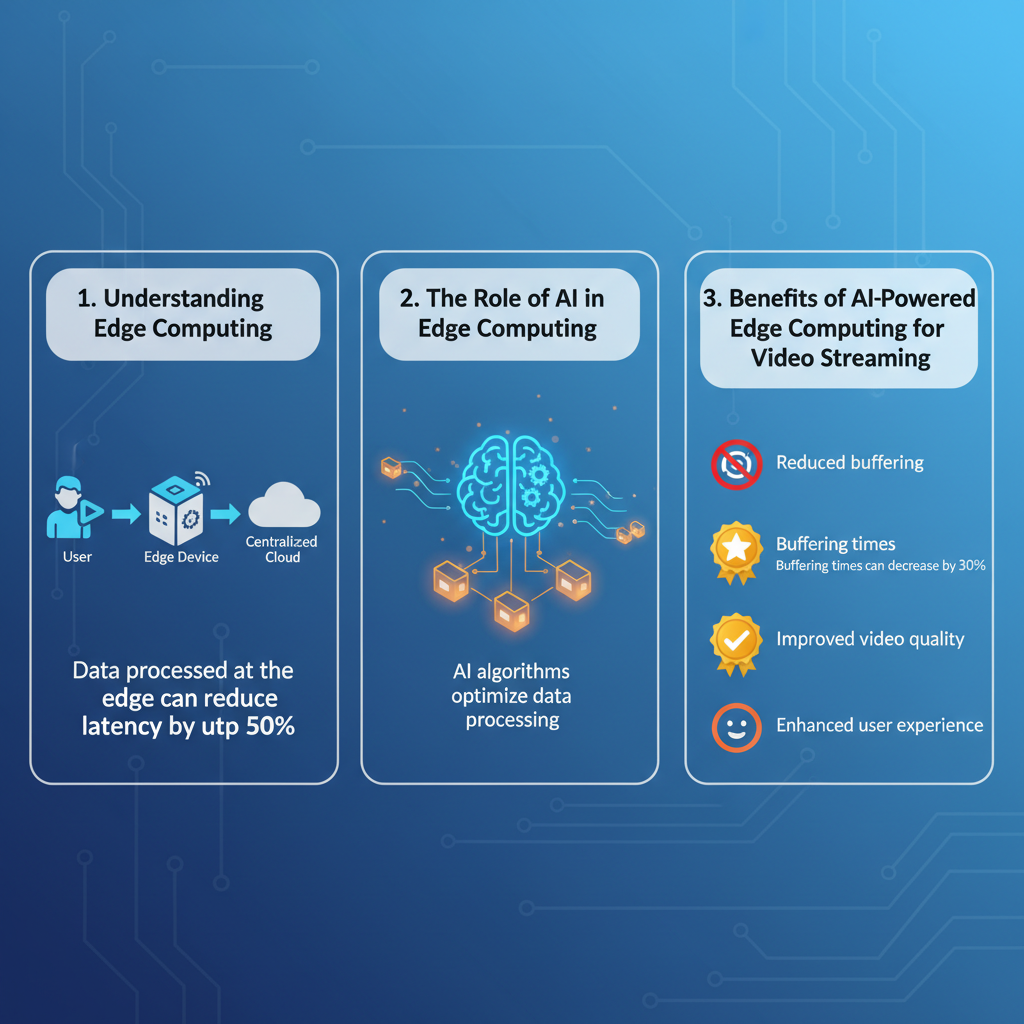
Unlike traditional cloud computing, which centralizes data processing in large data centers often located far from the end user, edge computing distributes that workload across a network of localized servers or devices. This means that when you hit play on your favorite video, the data doesn’t have to travel far, resulting in a faster response time and a more seamless viewing experience. With edge computing, latency is drastically reduced, making it an essential component for applications that require real-time data processing, like video streaming.
The Role of AI in Edge Computing

AI technologies are pivotal in making edge computing more efficient and effective. Machine learning algorithms, predictive analytics, and data processing techniques are utilized to analyze data at the edge. This allows for real-time adjustments and optimizations based on user behavior and network conditions. For instance, AI can predict peak usage times and adjust bandwidth allocation accordingly, ensuring that users receive the best possible experience without interruptions.
The synergy between AI algorithms and edge devices enables a dynamic response to network fluctuations. If a server is experiencing high traffic, AI can redistribute the load to another nearby edge device. This real-time processing capability is crucial for video streaming platforms, where even slight delays can lead to buffering and a frustrating user experience. By integrating AI with edge computing, video services can ensure that content is delivered quickly and efficiently, keeping viewers engaged and satisfied.
Benefits of AI-Powered Edge Computing for Video Streaming
One of the most significant benefits of AI-powered edge computing is the substantial reduction in latency, which leads to smoother playback experiences. With data processing happening closer to the user, buffering times are minimized, allowing for uninterrupted viewing. Additionally, AI can intelligently manage bandwidth, ensuring that video streams are delivered at optimal quality without overwhelming the network. This is particularly important for high-definition and 4K content, which requires more bandwidth.
Furthermore, edge computing allows for enhanced resource allocation. AI algorithms can analyze real-time data to determine which parts of a network are under strain and adjust resources accordingly. For example, if a particular region is experiencing a surge in traffic due to a live event, AI can allocate more resources to that area. This proactive management prevents lag and enhances the overall user experience, making streaming services more reliable and enjoyable.
Real-World Applications and Use Cases
Many platforms are already leveraging AI-driven edge computing to enhance their video streaming services. For example, Netflix uses edge computing to cache popular content on local servers, which allows users to stream shows and movies more quickly than if data had to be fetched from a distant central server. This not only reduces lag but also improves video quality, as users can access content at higher resolutions without buffering.
Another example is YouTube, which utilizes AI algorithms to optimize video delivery based on user location and device capabilities. By analyzing viewer preferences and behaviors, YouTube can adjust streaming quality in real time, ensuring a smooth experience even during high-traffic times.
Case studies have shown that companies using AI-powered edge computing experience significant improvements in user satisfaction and engagement. For instance, a study conducted by Akamai found that reducing latency by just one second can lead to increased viewer retention rates and lower abandonment rates for streaming services. This highlights the critical role that edge computing and AI play in the success of video streaming platforms.
Challenges and Considerations
While AI-powered edge computing offers numerous advantages for video streaming, it is not without its challenges. One potential limitation is the complexity of deploying and managing edge infrastructure. Organizations may need to invest in additional hardware and software, and ensuring consistent performance across a distributed network can be challenging.
Moreover, the effectiveness of edge solutions can be influenced by various factors, including network topology, user density, and geographical considerations. In rural areas where internet connectivity may be an issue, edge computing may not provide the same advantages as it does in urban settings. Additionally, concerns surrounding data privacy and security must be addressed, as processing data at the edge can expose sensitive information if not handled correctly.
Future Trends in Video Streaming and Edge Computing
Looking ahead, the integration of AI in edge computing is expected to evolve further. As technology advances, we can anticipate more sophisticated algorithms that can learn from user behavior and optimize video quality and streaming speed in real-time. This could lead to an even more personalized viewing experience, where content is tailored not only to user preferences but also to the current network conditions.
The rollout of 5G technology will also have a significant impact on video streaming and edge computing. With its high-speed capabilities and reduced latency, 5G will enhance the effectiveness of edge solutions, enabling more users to enjoy high-quality video streaming without lag. This combination of AI and 5G will likely drive innovations in how content is delivered, making it more efficient and enjoyable for viewers worldwide.
In summary, AI-powered edge computing is revolutionizing video streaming by significantly reducing lag and enhancing user experiences. As technology continues to evolve, staying informed about these advancements will help you make the most of your streaming services. Explore the latest platforms and technologies to enjoy seamless video content today.
Frequently Asked Questions
How does AI-powered edge computing reduce video streaming lag?
AI-powered edge computing reduces video streaming lag by processing data closer to the source of content delivery. By utilizing edge nodes, AI algorithms can analyze user behavior and optimize bandwidth allocation in real-time, minimizing latency. This ensures that video streams are delivered more quickly and efficiently, leading to a smoother viewing experience.
What are the key benefits of using AI in edge computing for video streaming?
The key benefits of using AI in edge computing for video streaming include reduced latency, improved bandwidth management, and enhanced content personalization. AI can predict network conditions and user preferences, allowing for dynamic adjustments that enhance streaming quality. Additionally, by distributing content closer to users, edge computing significantly lowers the chances of buffering.
Why is video streaming lag a common problem, and how can edge computing help?
Video streaming lag is often caused by high latency, network congestion, and inadequate bandwidth, especially during peak usage times. Edge computing helps by positioning data processing and storage closer to the end-user, which reduces the distance data must travel. This localized approach minimizes delays, making it easier to deliver high-quality video streams without interruptions.
Which industries benefit the most from AI-powered edge computing in video streaming?
Industries such as entertainment, gaming, education, and live sports broadcasting benefit significantly from AI-powered edge computing in video streaming. These sectors rely heavily on high-quality, real-time content delivery, where any lag can disrupt user experience. By leveraging AI at the edge, these industries can enhance viewer engagement and satisfaction while maintaining optimal streaming performance.
What should I consider when implementing AI-powered edge computing for my video streaming service?
When implementing AI-powered edge computing for your video streaming service, consider factors such as infrastructure availability, scalability, and the specific needs of your target audience. It’s crucial to assess your current network capabilities and determine how AI algorithms can enhance data processing and delivery. Additionally, evaluating partnerships with edge computing providers can help optimize your service while managing costs effectively.
References
- Edge computing
- https://www.sciencedirect.com/science/article/abs/pii/S1386372319304609
- https://www.nist.gov/news-events/news/2021/05/ai-and-edge-computing-accelerating-data-processing
- Topics | IBM
- https://www.researchgate.net/publication/342394750_The_Impact_of_Edge_Computing_on_Video_Streaming
- https://www.bbc.com/news/technology-57901493
- https://www.nature.com/articles/s41598-021-84972-2
- https://www.itu.int/en/ITU-T/focusgroups/ai/Pages/default.aspx