
Creating a dedicated home theater room can revolutionize your movie-watching experience, allowing you to enjoy films in an environment that mimics a professional cinema. By strategically selecting the right equipment, optimizing the room layout, and enhancing the ambiance, you can create a space that immerses you in stunning visuals and captivating sound. This guide will provide you with the essential steps to design a home theater that maximizes comfort and quality, ensuring unforgettable movie nights.



Choosing the Right Location
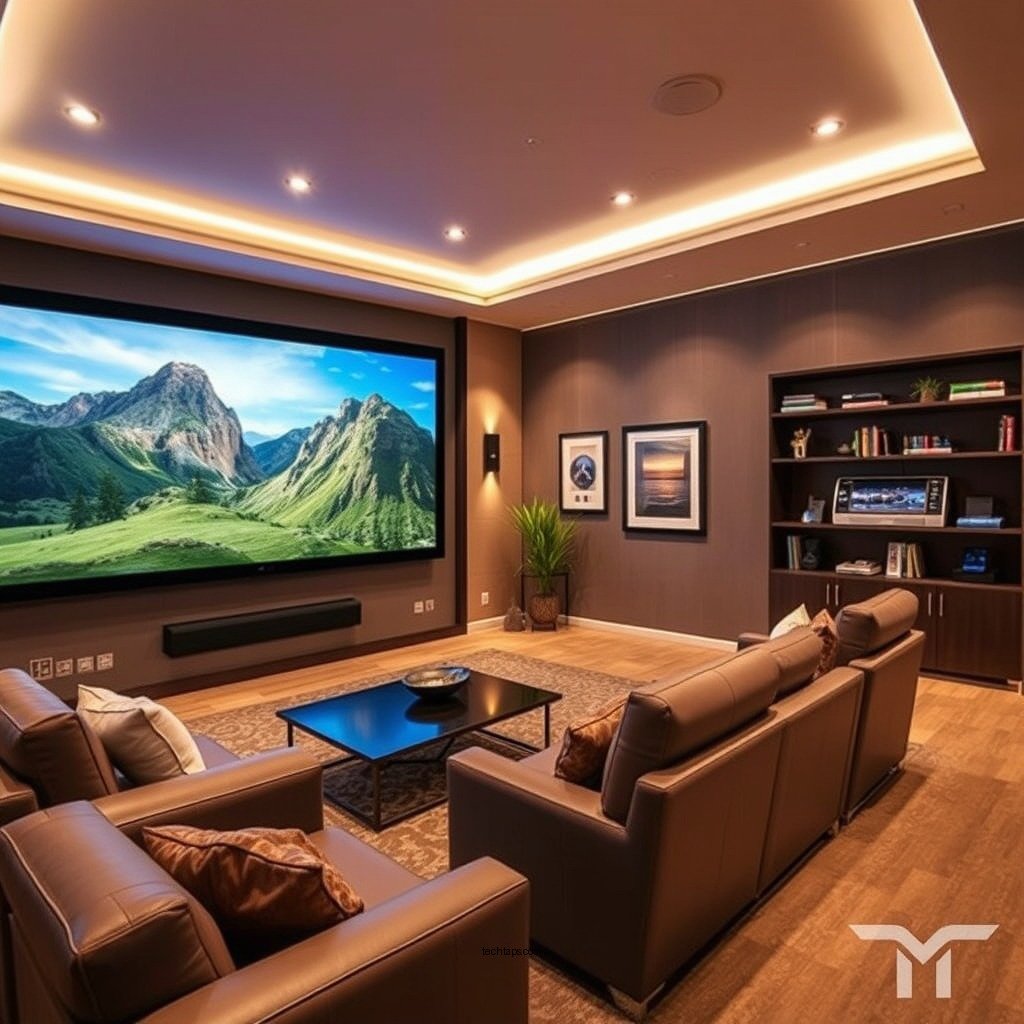
The location of your home theater is crucial for creating an optimal viewing and listening experience. Ideally, you want to find a quiet area in your home that is away from distractions such as high traffic zones or noisy appliances. A basement or a spare room can serve as excellent choices, as they are typically removed from the main living areas and have natural soundproofing qualities.
When considering the size and shape of the room, aim for dimensions that can support good acoustics and allow for comfortable seating arrangements. A rectangular room is generally preferable, as it provides better sound distribution compared to a square layout. Additionally, be mindful of windows and doors, which can affect sound and light levels; choosing a room with minimal openings will help create a more controlled environment.
Essential Equipment for Your Home Theater
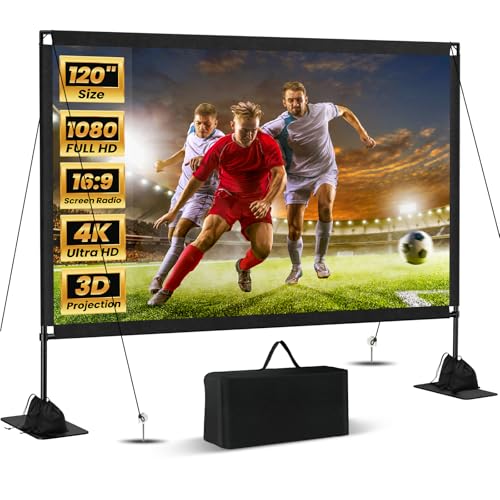
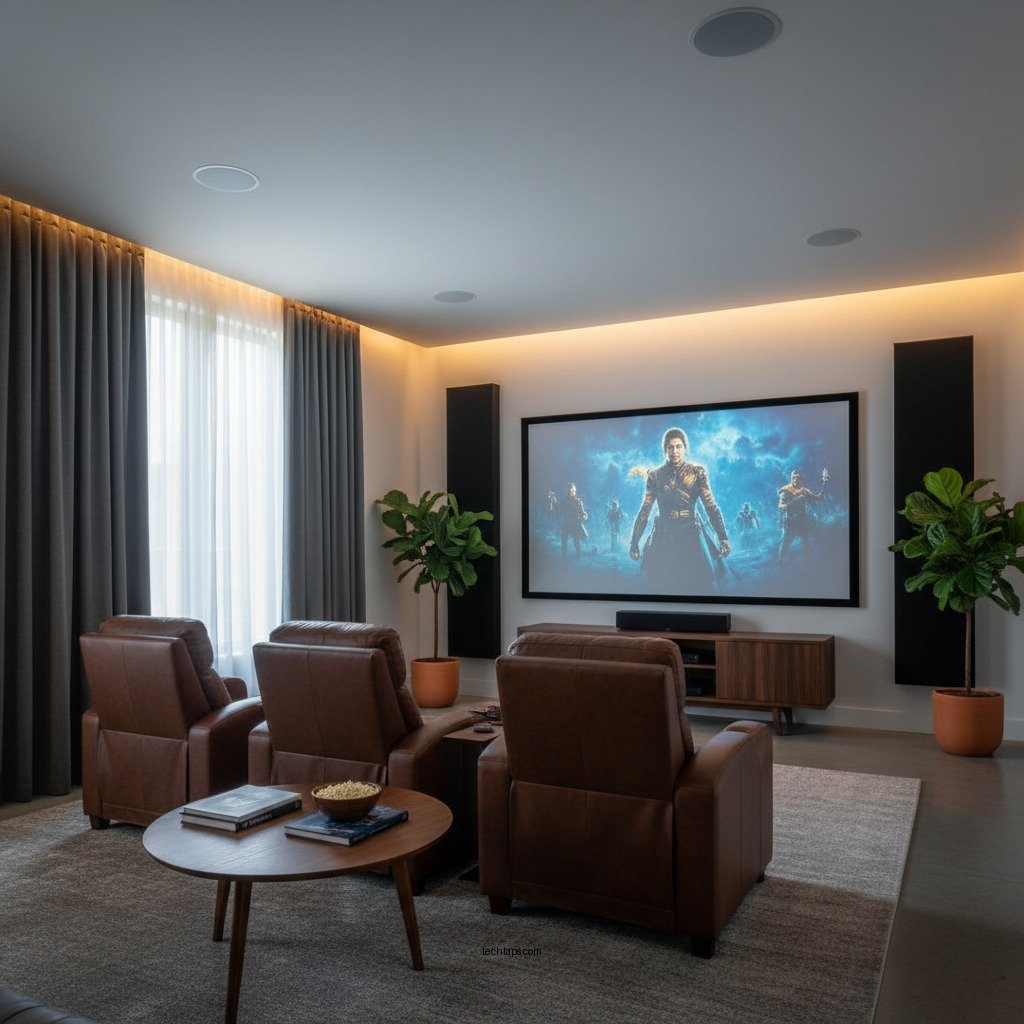
Investing in high-quality equipment is critical to achieving a cinematic experience at home. Start with a projector or a large-screen TV. For projectors, look for models that offer high resolution (4K or better) and brightness levels suitable for your room’s lighting conditions. A large-screen TV can also deliver stunning visuals, especially when paired with the latest OLED or QLED technology, which provides vibrant colors and deep blacks.
Next, enhance your audio experience by selecting a surround sound system. A 5.1 or 7.1 channel system will immerse you in sound, placing you in the center of the action. Consider brands such as Sonos, Klipsch, or Bose for high-quality audio solutions. Don’t forget to include a quality AV receiver to manage your audio and video inputs effectively.
Creating the Perfect Layout
The layout of your home theater can significantly impact comfort and enjoyment. Arrange your seating to ensure optimal viewing angles for everyone in the room. A general rule is to place the primary seating area at a distance of 1.5 to 2.5 times the screen size for the best experience. For example, if you have a 65-inch screen, your seating should be approximately 8 to 13 feet away.
In terms of seating options, consider using tiered seating or recliners to ensure everyone has a clear line of sight to the screen. Additionally, allow for adequate spacing between seats to avoid crowding, which can disrupt the overall experience. Proper spacing also contributes to better acoustics, as sound waves can travel more freely.
Essential Home Theater Equipment Comparison (2024)
| # | Equipment | Type | Resolution | Price |
|---|---|---|---|---|
| 1 | Sony VPL-VW325ES | Projector | 4K | $3,999 |
| 2 | Samsung QN90A | TV | 4K | $1,699 |
| 3 | Bose Lifestyle 650 | Sound System | N/A | $3,999 |
| 4 | Sonos Arc | Soundbar | N/A | $799 |
| 5 | Denon AVR-X3700H | AV Receiver | N/A | $1,199 |
| 6 | Nvidia Shield TV Pro | Streaming Device | 4K | $199 |
| 7 | Apple TV 4K | Streaming Device | 4K | $179 |
Lighting and Ambiance Considerations
The right lighting can significantly enhance the ambiance of your home theater. Install adjustable lighting that can be dimmed or brightened according to the viewing experience. A combination of recessed lighting, sconces, and LED strips can create a flexible environment that suits everything from movie nights to casual viewing.
Blackout curtains or shades are essential for eliminating outside light interference, allowing you to experience the full vibrancy of your visuals. Consider using heavier fabrics that not only block light but also contribute to sound insulation, further enhancing your audio experience.
Acoustics and Soundproofing Techniques
To create an immersive sound experience, pay attention to the acoustics of your home theater. Start by incorporating soundproofing materials such as acoustic panels, which can help to absorb sound and reduce echo. These panels can be strategically placed on walls or ceilings to optimize sound quality within the room.
Additionally, consider using soundproofing insulation in the walls and doors to minimize the intrusion of external noise. Carpeting the floor can also dampen sound and improve acoustics, making a noticeable difference in the quality of your audio experience.
Comfort and Convenience Features
Comfort is paramount in a dedicated home theater. Select seating options that cater to your needs, such as plush recliners or dedicated theater seats that provide ample support for long viewing sessions. Ensure that everyone has enough legroom and space to move comfortably without disrupting others.
Adding convenience features like mini-fridges or snack bars can elevate the experience to a true cinema feel. Stock these areas with your favorite snacks and drinks for easy access during movie marathons, ensuring that you won’t have to leave your seat for refreshments.
Personalizing Your Home Theater Experience
Personalization can infuse your home theater with your unique taste and style. Consider decorating the walls with movie posters or themed decor to reflect your favorite films or genres. This not only enhances the visual appeal of the space but also creates a more engaging atmosphere.
Incorporating smart home technology can also enhance your experience. Use smart speakers, automated lighting, and a universal remote to control your audio, video, and lighting systems seamlessly. This integration allows you to adjust settings without interrupting the flow of your movie.
Creating a dedicated home theater room can significantly enhance your movie-watching experience, making it feel just like a cinema. By choosing the right location, investing in essential equipment, and focusing on comfort and ambiance, you can build a space that you and your guests will love. Start planning your home theater today to enjoy unforgettable movie nights!
Frequently Asked Questions
What are the essential elements needed for a dedicated home theater room?
To create a dedicated home theater room, essential elements include a high-quality projector or large-screen TV, surround sound audio system, comfortable seating, and effective lighting control. Additionally, soundproofing materials can enhance the audio experience, while dark wall colors can improve picture quality by reducing glare.
How can I optimize the layout of my home theater for the best viewing experience?
Optimizing the layout of your home theater involves arranging seating at a distance that allows for comfortable viewing without straining the eyes. Ideally, the front row should be about 1.5 times the screen size away, and seating should be tiered if space allows. Ensure that the screen is at eye level when seated and consider incorporating risers for better sightlines.
Why is acoustic treatment important in a home theater, and how can I achieve it?
Acoustic treatment is crucial in a home theater because it reduces echoes and enhances sound clarity, creating a more immersive experience. You can achieve this by adding acoustic panels, bass traps, and rugs to absorb sound. Positioning these treatments strategically around the room will help manage sound reflections and improve overall audio quality.
What is the best lighting setup for a home theater room?
The best lighting setup for a home theater room includes a combination of dimmable ambient lighting and focused task lights. Use LED recessed lights or sconces with a warm color temperature to create an inviting atmosphere, and consider adding blackout curtains to eliminate external light interference. A smart lighting system can also enhance the cinematic experience by allowing you to adjust brightness effortlessly.
Which seating options are ideal for a dedicated home theater room?
Ideal seating options for a dedicated home theater room include recliners, sectional sofas, or theater-style seats that provide comfort and support during long viewing sessions. Look for seating with built-in cup holders and adjustable headrests for added convenience. Additionally, ensure that the seating arrangement allows for optimal viewing angles and access to the screen without obstruction.
References
- Home cinema
https://en.wikipedia.org/wiki/Home_theater - https://www.sciencedirect.com/topics/engineering/home-theater
https://www.sciencedirect.com/topics/engineering/home-theater - https://www.britannica.com/topic/home-theater
https://www.britannica.com/topic/home-theater - https://www.nytimes.com/2020/12/02/realestate/home-theater-rooms.html
https://www.nytimes.com/2020/12/02/realestate/home-theater-rooms.html - https://www.theguardian.com/technology/2021/jan/17/home-cinema-ideas-guide
https://www.theguardian.com/technology/2021/jan/17/home-cinema-ideas-guide - Google Scholar Google Scholar
https://scholar.google.com/scholar?q=home+theater+design - Google Scholar Google Scholar
https://scholar.google.com/scholar?q=dedicated+home+theater+room - Google Scholar Google Scholar
https://scholar.google.com/scholar?q=cinema-like+home+theater+experience - https://www.reuters.com/article/us-home-theater-insight-idUSKBN2A50D3
https://www.reuters.com/article/us-home-theater-insight-idUSKBN2A50D3 - Google Scholar Google Scholar
https://scholar.google.com/scholar?q=How+to+Create+a+Dedicated+Home+Theater+Room+for+a+Cinema-Like+Experience
