The future of smart display integration in edge-AI devices is set to transform how we interact with technology, making our daily tasks more convenient and intuitive. By merging these two powerful technologies, we can expect an evolution in user engagement that brings personalized experiences right to our fingertips. As we delve into this exciting intersection of smart displays and edge-AI, we will uncover emerging trends, technological advancements, and their implications for various industries.
The Rise of Edge-AI Technology
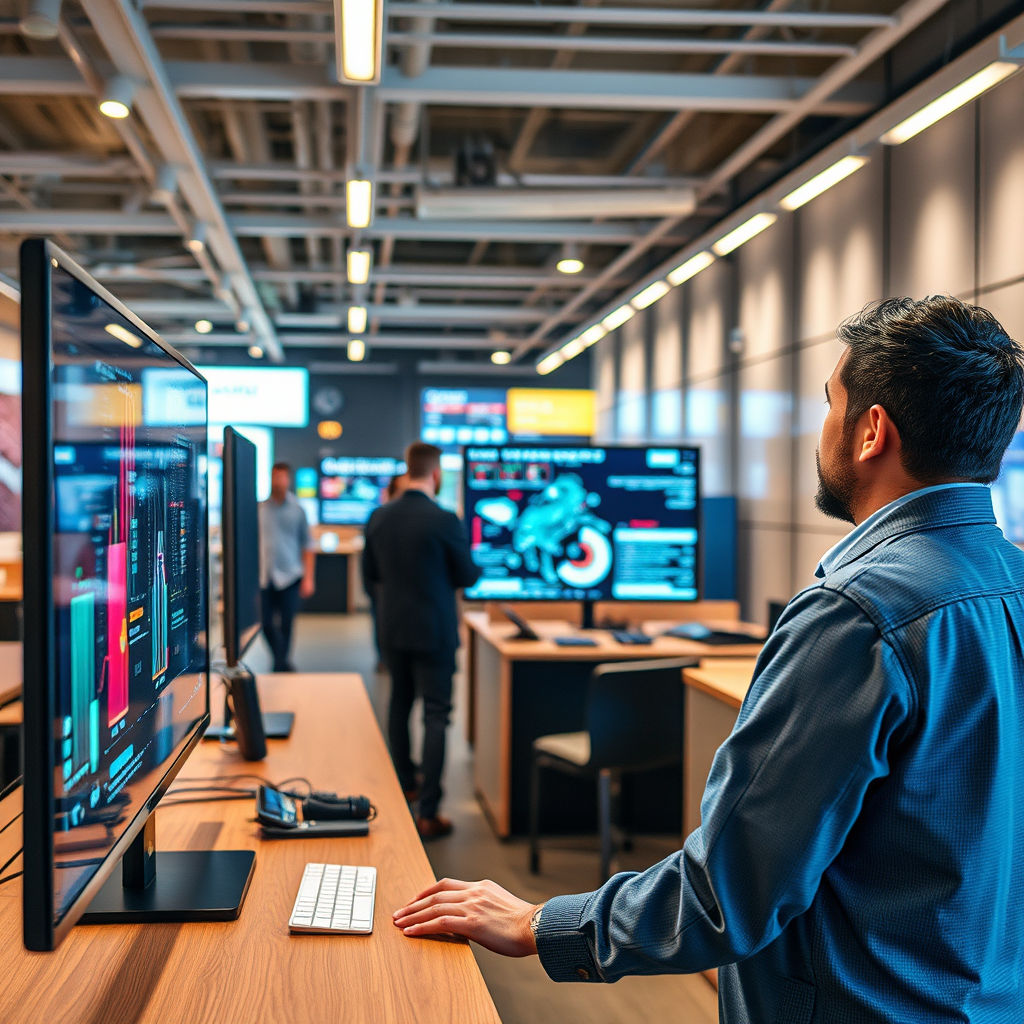
Edge-AI refers to the processing of data at the edge of the network, closer to the source of data generation, rather than relying on centralized cloud systems. This technology has gained immense significance in today’s tech landscape due to its ability to deliver real-time data processing, reduce latency, and improve overall efficiency. For example, in smart home devices, edge-AI enables faster decision-making processes, allowing devices to respond to user commands nearly instantaneously.
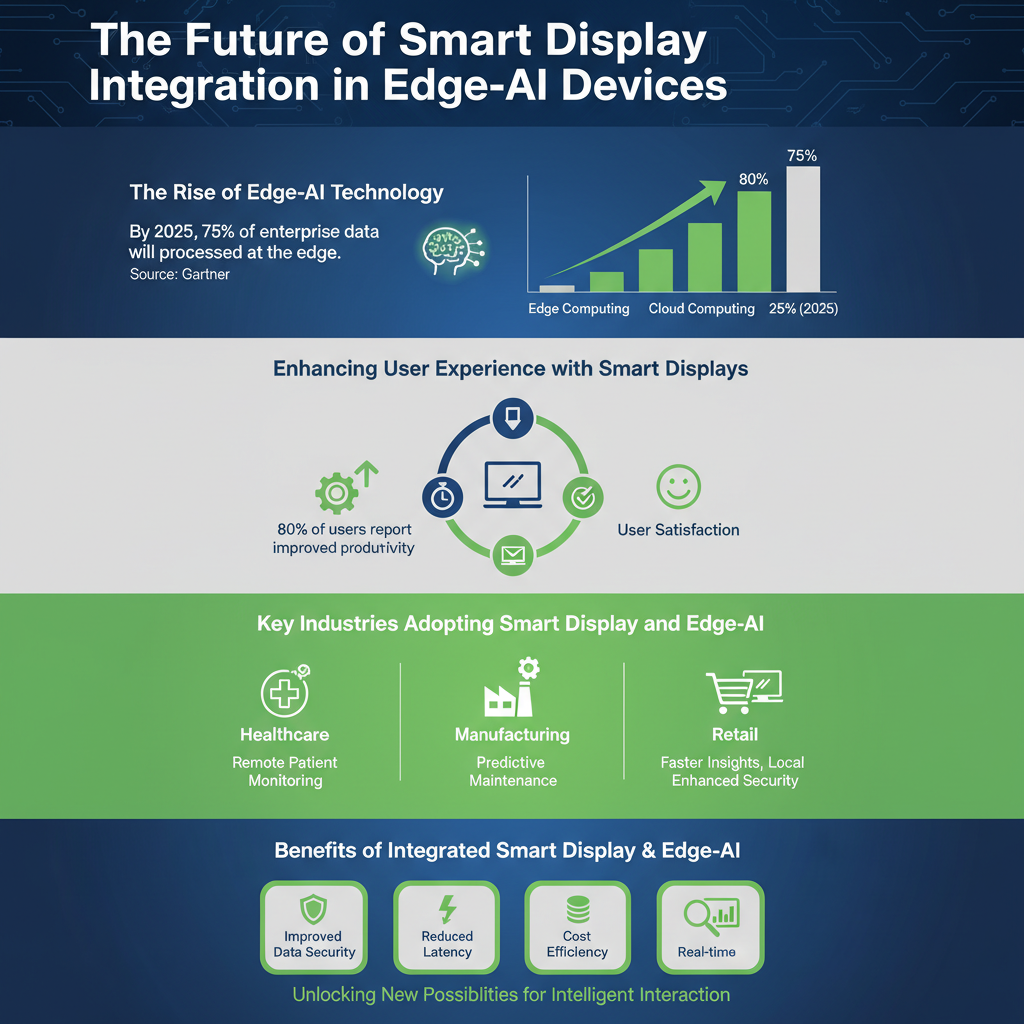
One of the most notable benefits of edge-AI is its capacity to enhance privacy and security. By processing data locally, sensitive information remains on the device itself rather than being transmitted to the cloud, significantly reducing the risk of data breaches. Additionally, edge-AI can operate effectively even in low-bandwidth environments, making it an ideal solution for remote areas where internet connectivity may be limited. This localized processing not only enhances performance but also ensures that devices remain functional in varying connectivity situations.
Enhancing User Experience with Smart Displays
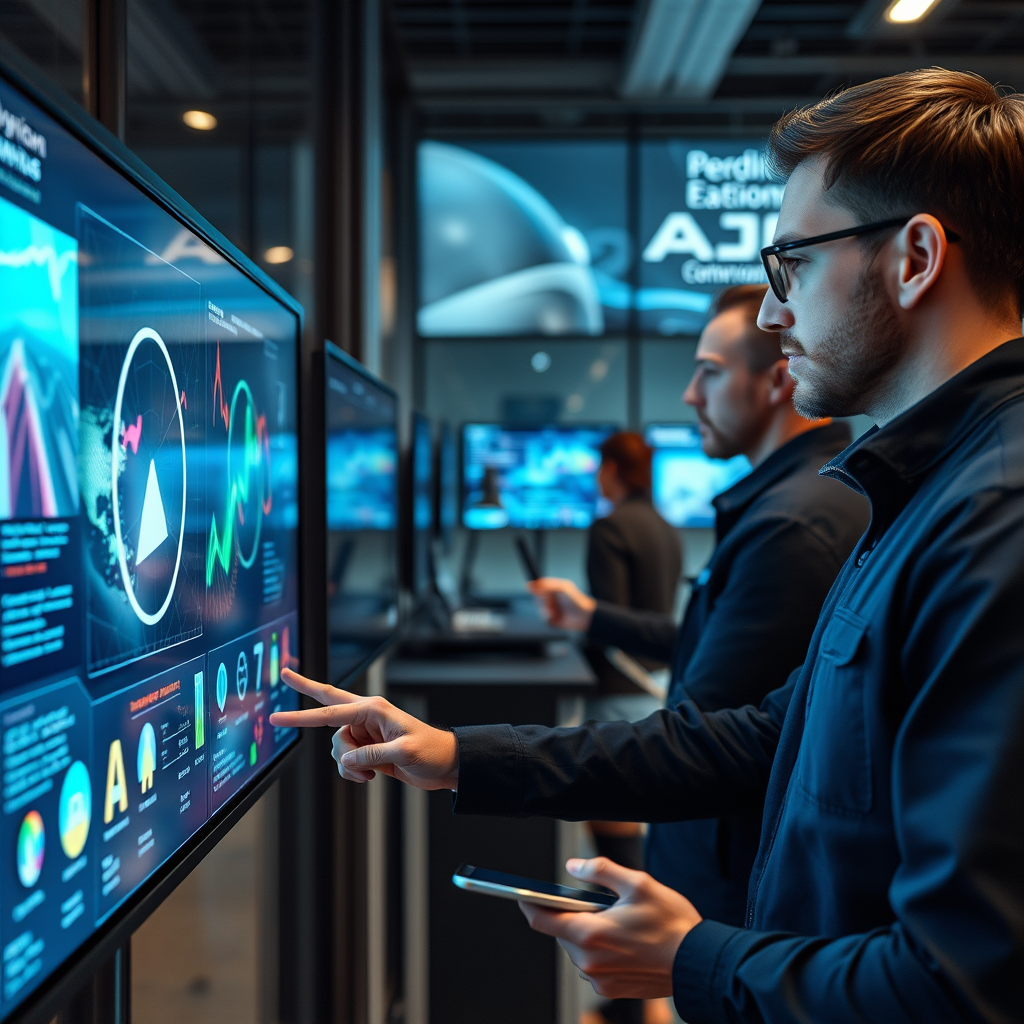
Smart displays are increasingly becoming central hubs in our homes and workplaces, providing personalized content and recommendations based on user preferences and behaviors. By leveraging the capabilities of edge-AI, these displays can analyze user data in real time, delivering tailored experiences that enhance engagement. For instance, a smart display in a kitchen can suggest recipes based on the ingredients you have on hand, or a display in a living room can recommend shows based on your viewing history and preferences.
The integration of voice recognition and touch interfaces plays a crucial role in improving user interaction with smart displays. Voice-activated commands allow for hands-free control, making it easier for users to access information without navigating through menus. Moreover, touch interfaces can provide intuitive controls, enabling users to interact with content seamlessly. This combination of technologies fosters a more interactive experience that feels natural and user-friendly.
Key Industries Adopting Smart Display and Edge-AI Integration
Several industries are at the forefront of adopting smart display and edge-AI integration, particularly retail, healthcare, and smart homes. In retail, for instance, smart displays equipped with edge-AI can analyze customer behavior in real time, allowing businesses to tailor marketing strategies and improve customer service. A notable example is Walmart, which has implemented smart displays to provide customers with personalized product recommendations while they shop.
In healthcare, edge-AI-powered smart displays can monitor patient data and provide real-time updates to healthcare providers, enhancing decision-making and improving patient outcomes. For example, a smart display in a hospital room can alert nurses to changes in a patient’s vital signs, allowing for prompt intervention. These implementations not only showcase the potential of this technology but also highlight the tangible benefits that come with its adoption.
Challenges in Integration and Adoption
Despite the promising future of smart display and edge-AI integration, several challenges remain in terms of technical hurdles and user acceptance. One of the main technical concerns is interoperability, as many edge-AI devices and smart displays come from different manufacturers and may not communicate effectively with one another. Establishing standardized protocols and frameworks is essential to ensure seamless integration across devices.
Security is another significant concern, especially as devices become more interconnected. Users need to feel confident that their data is secure and that potential vulnerabilities are addressed. Therefore, manufacturers must prioritize robust security measures when developing these technologies.
User acceptance also plays a crucial role in the successful adoption of smart displays and edge-AI devices. It is vital for these technologies to have an intuitive design that resonates with users. If a device is too complicated to operate, users may become frustrated and abandon it altogether. Therefore, focusing on user-centered design principles can significantly enhance the likelihood of adoption.
Future Trends in Smart Display and Edge-AI Technologies
Looking ahead, we can anticipate significant advancements in both AI capabilities and display technologies. As machine learning algorithms continue to evolve, smart displays will become even more adept at understanding user preferences and providing increasingly accurate recommendations. This could lead to a more personalized digital assistant experience, where devices not only respond to commands but also anticipate user needs.
The rollout of 5G technology is expected to further impact edge-AI and smart displays by enabling faster data transfer and real-time processing capabilities. This advancement will allow for more sophisticated applications, such as augmented reality (AR) experiences on smart displays, where users can interact with digital content overlaid on their physical environment. This convergence of technologies will undoubtedly reshape how we engage with information and our surroundings.
Case Studies of Successful Integration
Several companies have successfully integrated smart displays and edge-AI, showcasing the benefits of this technology fusion. For example, Google Nest Hub combines voice recognition and smart display technology to create a centralized home assistant. Users can control their smart home devices, access information, and enjoy entertainment all from one device. Feedback from users highlights the convenience and ease of use, making it a staple in many households.
Another excellent example is the use of smart displays in the automotive industry. Companies like Tesla have integrated edge-AI with touchscreens to provide drivers with real-time navigation, entertainment options, and vehicle diagnostics. This integration not only enhances the driving experience but also allows for safer driving by minimizing distractions.
The Path Forward for Developers and Businesses
For tech developers, the key to successful integration of smart displays and edge-AI devices lies in prioritizing user experience and security. Best practices include developing user-friendly interfaces, ensuring interoperability with other devices, and implementing strong security measures to protect user data. Engaging in user testing and gathering feedback during the development process can also help refine products to better meet consumer needs.
Businesses looking to leverage these technologies for competitive advantage should focus on creating value through personalization and enhanced customer engagement. By adopting smart display and edge-AI solutions, companies can streamline operations, improve customer service, and ultimately drive sales. Educating consumers about the benefits of these technologies will also be crucial in fostering acceptance and encouraging adoption.
As we embrace the rapid advancements in smart display and edge-AI integration, it’s clear that both businesses and consumers stand to gain immensely from these innovations. By enhancing daily life and productivity, smart displays will play an integral role in shaping the future of technology. Staying ahead in this evolving digital landscape means being proactive in adopting and adapting to these transformative technologies.
Frequently Asked Questions
What are smart displays and how do they integrate with edge-AI devices?
Smart displays are interactive screens that combine visual content with voice recognition capabilities, enabling users to engage with digital assistants and applications seamlessly. In edge-AI devices, smart displays leverage artificial intelligence processing at the device level, allowing for real-time data analysis and enhanced user interaction without the need for constant internet connectivity. This integration enhances functionalities such as personalized recommendations, responsive home automation, and improved user experience through low-latency interactions.
How will the integration of smart displays in edge-AI devices impact consumer technology?
The integration of smart displays in edge-AI devices is set to revolutionize consumer technology by providing more intuitive interfaces that adapt to user preferences and behaviors. This will lead to increased efficiency in daily tasks, such as managing smart homes, accessing information, and controlling various connected devices. As these technologies evolve, users can expect more personalized experiences, making technology feel more accessible and tailored to individual needs.
Why is edge computing essential for the future of smart display integration?
Edge computing is essential for the future of smart display integration because it allows data processing to occur closer to the source, reducing latency and enhancing responsiveness. By processing data locally, edge-AI devices can deliver real-time insights and actions, which is crucial for applications like facial recognition or voice commands. This minimizes reliance on cloud services, ensuring a more secure and efficient user experience while maintaining functionality even in low-bandwidth environments.
Which industries are likely to benefit the most from smart display integration in edge-AI devices?
Industries such as healthcare, retail, and smart home technology are likely to benefit significantly from smart display integration in edge-AI devices. In healthcare, for instance, smart displays can facilitate remote patient monitoring and provide instant access to medical information. Retailers can use these devices to enhance customer engagement with interactive displays that provide product information and personalized offers, while smart home technology can offer improved control and automation for home systems.
What are the best practices for implementing smart displays with edge-AI devices in a business setting?
Implementing smart displays with edge-AI devices in a business setting involves several best practices, including assessing specific use cases that align with organizational goals, ensuring robust network infrastructure, and prioritizing user-friendly interfaces. Additionally, businesses should focus on data privacy and security by implementing encryption and access controls to protect sensitive information. Continuous training for staff on how to utilize these technologies effectively can also enhance overall productivity and user satisfaction.
References
- Smart speaker
- https://www.sciencedirect.com/science/article/pii/S235286482100275X
- https://www.researchgate.net/publication/339310045_A_Survey_on_Edge_AI_Applications_and_Architecture
- https://www.nist.gov/news-events/news/2020/01/nist-aims-improve-edge-computing-smart-devices
- https://www.techrepublic.com/article/the-future-of-ai-in-smart-devices/
- https://www.forbes.com/sites/bernardmarr/2021/11/22/the-future-of-ai-and-edge-computing/?sh=5b9baf1b7cb2
- https://www.bbc.com/news/technology-58863257