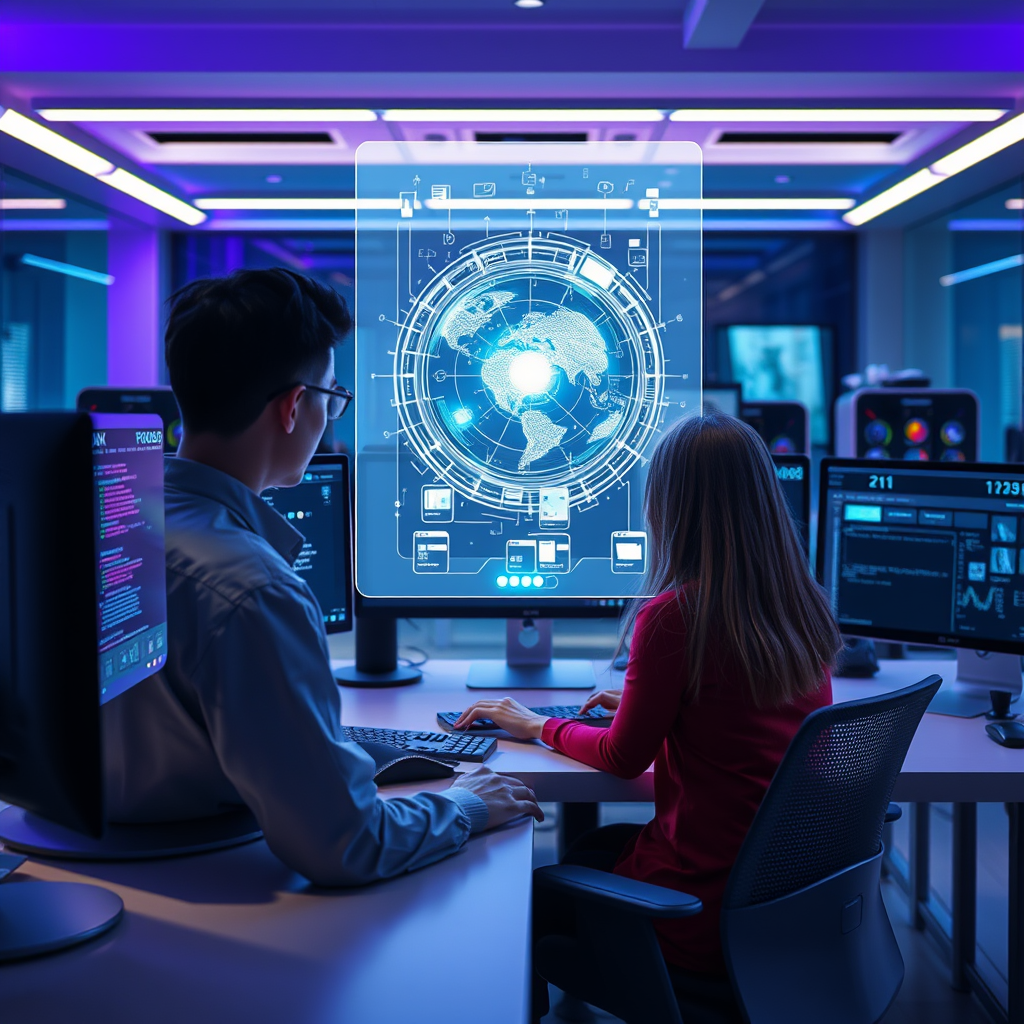

AI-powered interactive holograms combine the mesmerizing visual effects of holography with the intelligent responsiveness of artificial intelligence, creating lifelike experiences that engage users in real-time. These holograms not only project images but also interact with users, making them a revolutionary tool across various sectors. In this article, you’ll learn about the technology behind these holograms, how they function, and their various applications.
Understanding Holography
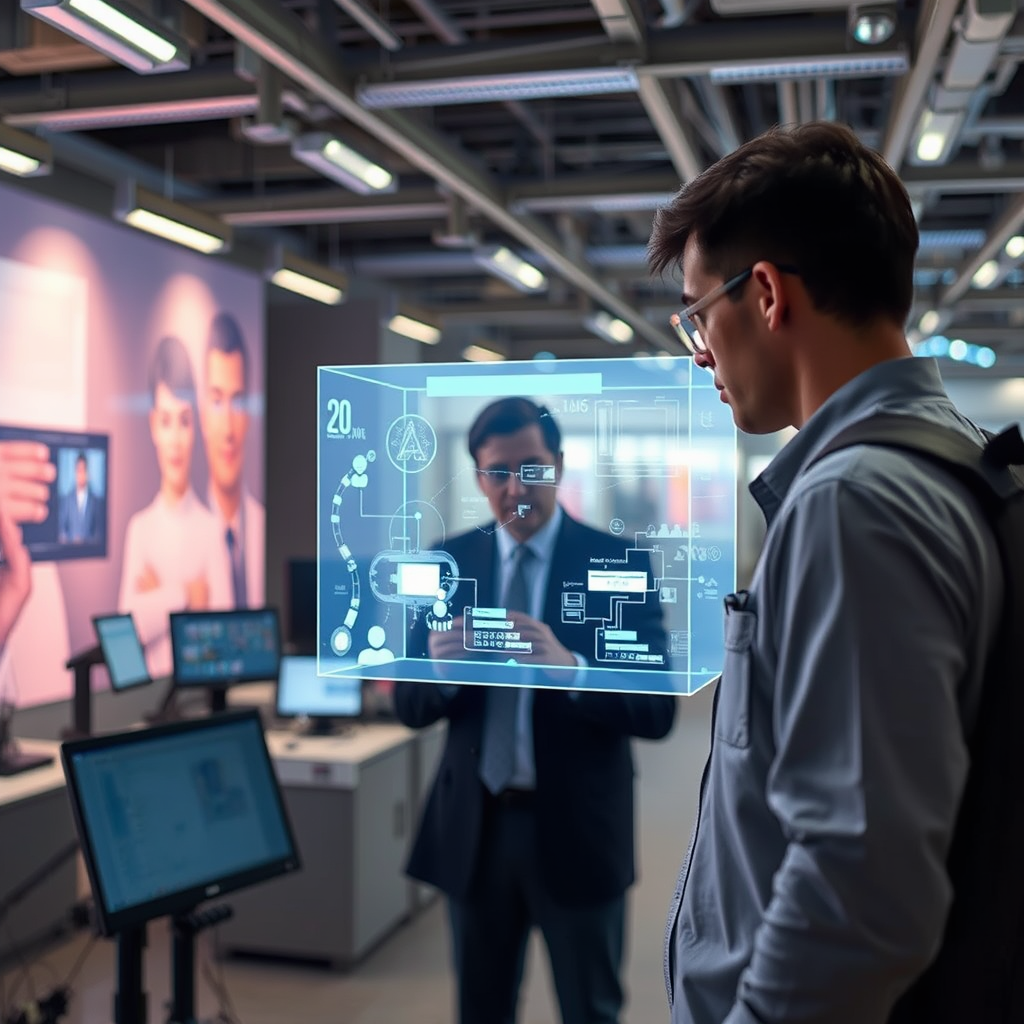
Holography is a technique that allows light to be recorded and later reconstructed to create a three-dimensional image. Unlike traditional photography, which captures a flat 2D representation, holography captures the full depth and light field of an object. This is achieved by using lasers to illuminate the subject and record the light waves reflected off it, creating a hologram. When viewed under appropriate lighting, this hologram reveals a three-dimensional image that appears to float in space.
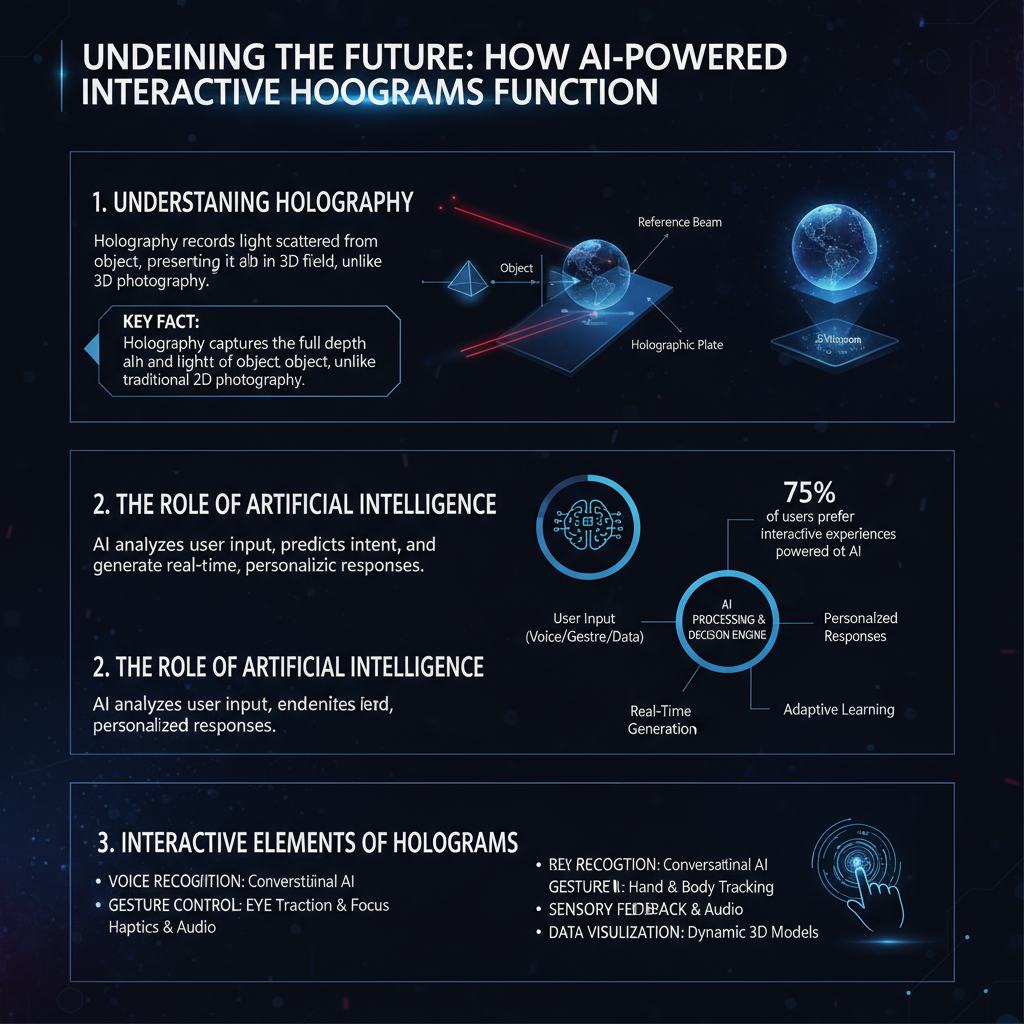
The essence of holography lies in its ability to provide depth perception, which is why 3D holograms can be so captivating. While 2D images are limited to height and width, 3D holograms add the dimension of depth, allowing viewers to see different angles of an object as they move around it. This immersive quality makes holography a powerful tool for communication and interaction, setting the stage for the integration of artificial intelligence to enhance user experiences.
The Role of Artificial Intelligence
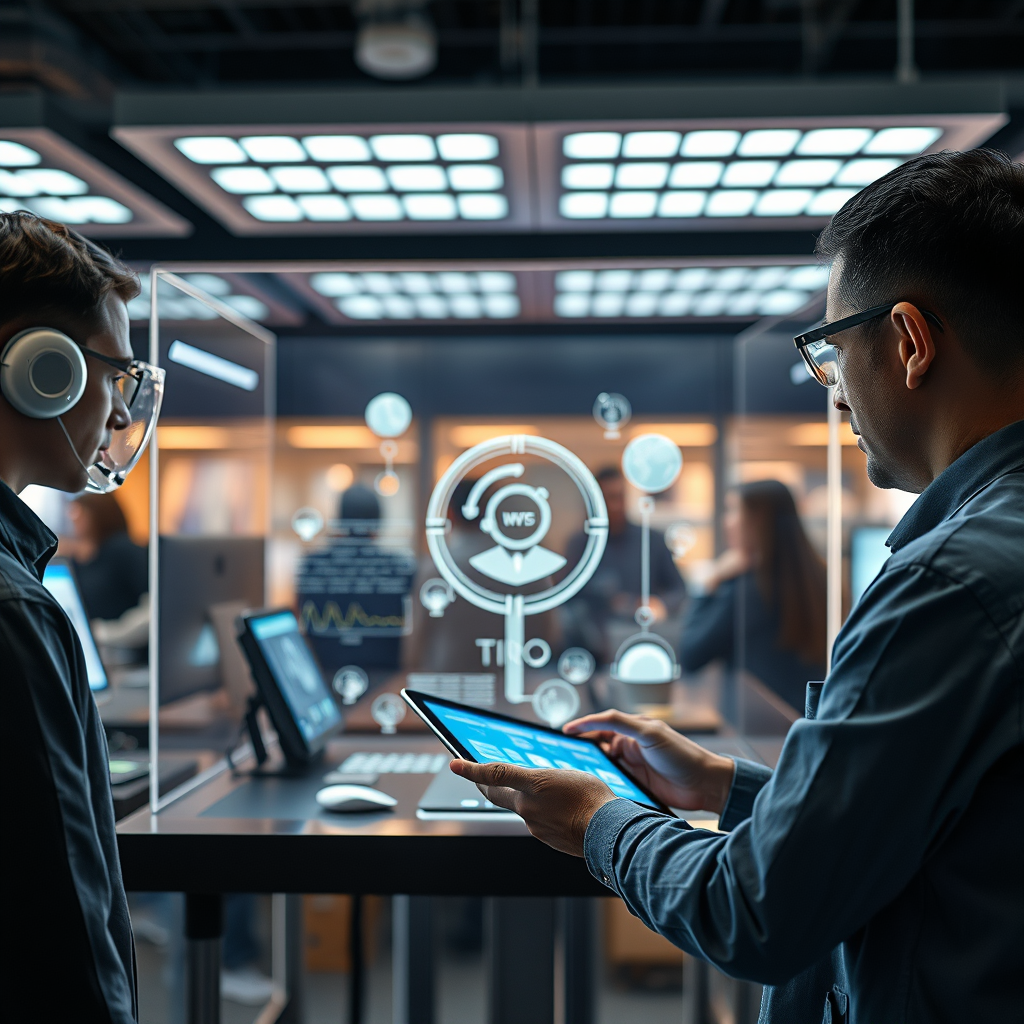
Artificial intelligence plays a crucial role in elevating the capabilities of holograms from static displays to dynamic interactive experiences. By utilizing AI, developers can program holograms to recognize user inputs, respond to gestures, and even adapt their behavior based on user preferences. This is primarily achieved through machine learning algorithms that process data in real-time, enabling holograms to learn from interactions and improve their responsiveness.
For instance, if a user interacts with a holographic character, AI algorithms can analyze the gestures and voice commands, adjusting the character’s responses accordingly. This adaptability creates a more engaging experience, as the hologram can simulate conversations or perform actions that feel natural and intuitive. The integration of AI not only enhances the realism of the holographic displays but also opens up new possibilities for user engagement in various applications.
Interactive Elements of Holograms
To create an interactive experience, AI-powered holograms rely on advanced sensors and motion tracking technology. These systems can detect user movements, gestures, and even facial expressions, allowing for a seamless interaction between the user and the hologram. For example, depth-sensing cameras, like those used in gaming consoles, can track a user’s position in space, enabling the hologram to respond accordingly.
Moreover, user interface design plays a vital role in how users interact with holograms. Designers strive to create intuitive interfaces that make it easy for users to engage with holographic content. This might include simple hand gestures to navigate menus or voice commands to initiate actions. By prioritizing user experience, developers ensure that interactions feel fluid and natural, reducing the learning curve associated with new technologies.
Applications of AI-Powered Holograms
The potential applications of AI-powered holograms are vast and varied. In education and training, for instance, holograms can be used to display complex concepts in a more tangible way. Medical students can interact with 3D representations of human anatomy, allowing for a deeper understanding of structures and functions. Similarly, in corporate training, employees can engage with holographic simulations, practicing skills in a controlled environment that mimics real-life situations.
In the entertainment and advertising sectors, AI-powered holograms are making waves as well. Concerts and live events have begun to incorporate holographic performances, allowing for the appearance of virtual artists on stage. Brands also leverage holograms in advertising campaigns to create eye-catching displays that attract customers’ attention. For example, a retail store might use a hologram to showcase a new product, allowing customers to see it from multiple angles before making a purchase.
Challenges and Limitations
Despite their exciting potential, there are several challenges and limitations associated with AI-powered holograms. One significant technical challenge lies in the holographic display itself. Creating high-resolution, full-color holograms that are viewable from multiple angles requires advanced technology that is still in development. Current holographic displays often struggle with resolution and brightness, which can limit their effectiveness in various settings.
Additionally, while AI technologies have made significant strides, they still face limitations regarding real-time processing and adaptability. Complex interactions require substantial computational power, and there can be delays that disrupt the flow of interaction. Moreover, machine learning algorithms depend on vast amounts of data, which can be a barrier for developers looking to create more personalized experiences.
Future Trends in Holographic Technology
The future of AI-powered interactive holograms is promising, with potential advancements on the horizon. As AI technology continues to evolve, we can expect more sophisticated algorithms that enhance real-time processing capabilities, allowing for smoother and more complex interactions. Furthermore, advancements in holographic display technology, such as improved materials and light modulation techniques, will lead to clearer and more vibrant holograms.
Predictions for the future also include broader adoption of holographic technology across various industries. As the cost of development decreases and the technology becomes more accessible, we may see its incorporation into everyday consumer devices. Imagine having a holographic assistant at home, capable of managing tasks and providing information in a 3D format. The possibilities are endless, and as these technologies converge, the way we interact with digital content will fundamentally change.
In summary, AI-powered interactive holograms represent a significant leap in technology, merging the visual depth of holography with the responsiveness of artificial intelligence. They have the potential to transform industries from education to entertainment, creating experiences that are not only immersive but also highly engaging. As the field continues to evolve, expect exciting applications across various industries. For more insights and updates on this fascinating technology, stay tuned for our upcoming articles!
Frequently Asked Questions
What are AI-powered interactive holograms and how do they work?
AI-powered interactive holograms are three-dimensional images that can be projected into space, allowing users to interact with them in real-time. These holograms use advanced algorithms and machine learning techniques to analyze user input, such as gestures or voice commands, enabling a dynamic and immersive experience. By combining AI with holographic technology, businesses can create engaging presentations, virtual assistants, and educational tools that respond intelligently to audience interactions.
How can businesses benefit from using AI-powered interactive holograms?
Businesses can leverage AI-powered interactive holograms to enhance customer engagement, improve training processes, and create memorable marketing experiences. For instance, holograms can be used in product demonstrations, allowing customers to visualize products in 3D before making a purchase. Additionally, training simulations using holograms can improve learning retention by providing hands-on experience in a controlled environment, ultimately leading to better employee performance.
Why are AI-powered interactive holograms considered the future of communication?
AI-powered interactive holograms are considered the future of communication because they offer a more engaging and interactive way to convey information compared to traditional media. They allow for a rich, immersive experience that captures attention and facilitates better understanding. As technology continues to advance, holograms can integrate with virtual and augmented reality environments, further enhancing their effectiveness in fields such as education, healthcare, and entertainment.
What are the best applications of AI-powered interactive holograms in education?
The best applications of AI-powered interactive holograms in education include interactive lessons, virtual laboratories, and historical recreations. By visualizing complex concepts in three dimensions, students can gain a deeper understanding of subjects like science, mathematics, and history. Furthermore, these holograms can adapt to individual learning styles, providing personalized educational experiences that help improve student engagement and retention rates.
Which technologies are essential for creating AI-powered interactive holograms?
To create AI-powered interactive holograms, several key technologies are essential, including holographic display systems, machine learning algorithms, and gesture recognition software. Holographic displays project light fields that create the illusion of 3D images, while machine learning algorithms analyze user interactions to enable real-time responses. Gesture recognition technology allows users to interact with holograms naturally, making the experience more intuitive and user-friendly.
References
- Holography
- https://www.sciencedirect.com/science/article/pii/S1877050919310952
- https://www.nature.com/articles/d41586-020-02192-5
- https://www.reuters.com/technology/holograms-are-coming-life-2021-06-01/
- https://www.bbc.com/news/technology-57198116
- https://www.wired.com/story/holographic-telepresence/
- https://www.nist.gov/news-events/news/2023/01/holograms-come-life-using-ai-techniques